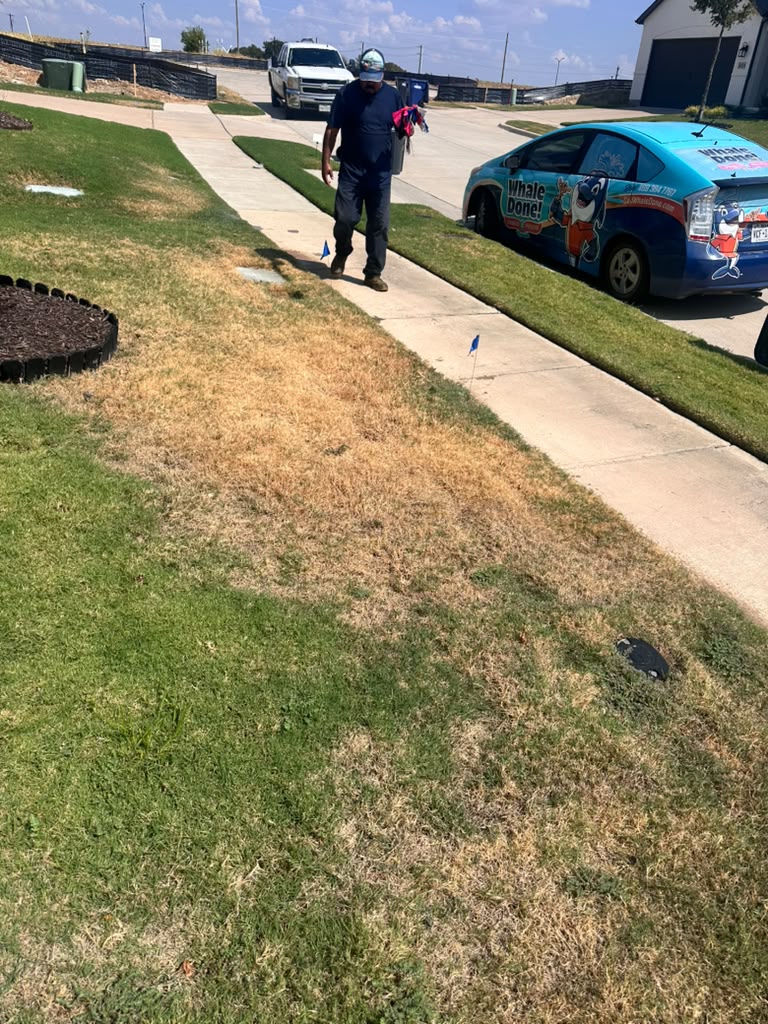
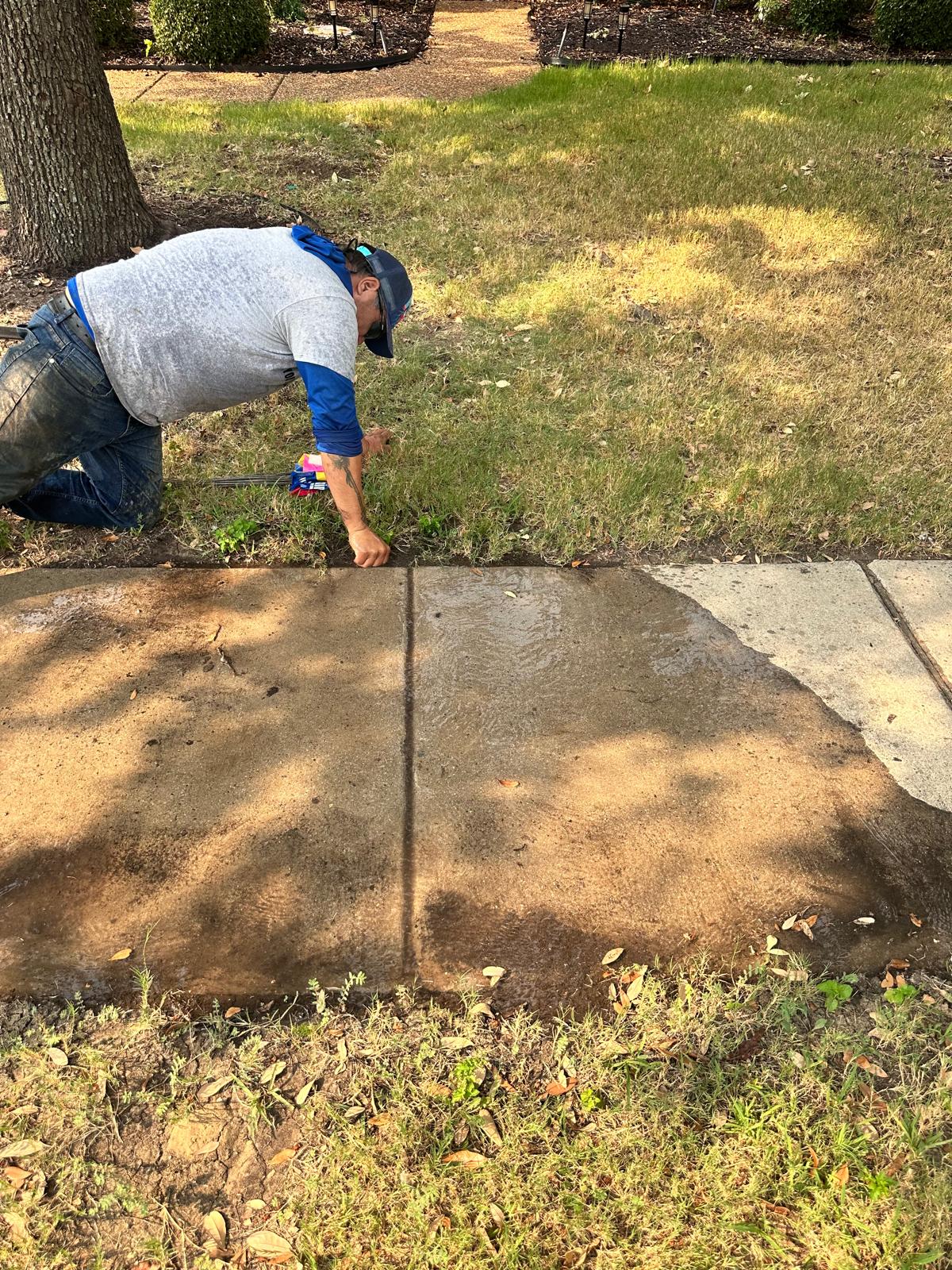
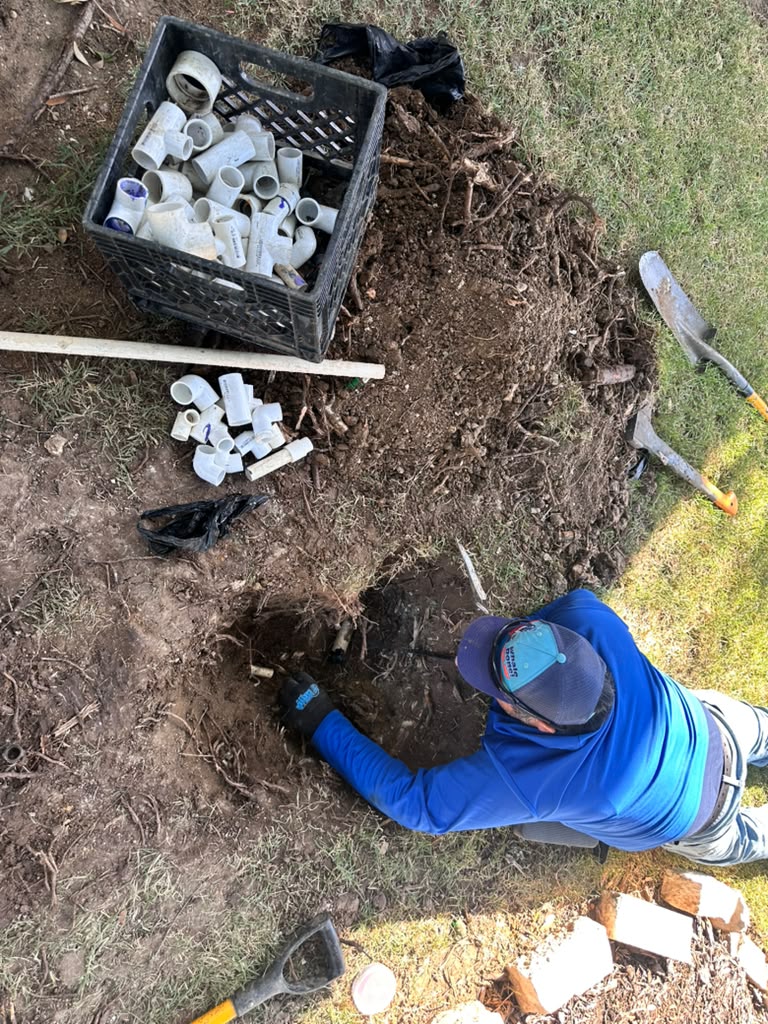
Sprinkler winterization in Wylie TX is more than a seasonal task for homeowners — it’s a critical step to protect your irrigation investment from the unpredictable cold snaps and occasional freezes that can occur even in North Texas.
Without proper preparation, water left inside your sprinkler system can expand when temperatures fall, leading to cracked pipes, broken valves, and costly replacements come spring. In this comprehensive guide, we’ll break down everything you need to know about protecting your sprinkler system throughout the winter and ensuring it performs reliably when spring arrives.
Why Winterization Matters
Winterizing your irrigation system isn’t just for colder regions; even in areas like Wylie, unexpected drops in temperature can cause serious damage. When water remains trapped within pipes, valves, and sprinkler heads, freezing temperatures transform that water into ice, which expands and can crack PVC piping and other components.
According to national home maintenance experts, failure to winterize often results in expensive springtime repairs, extensive downtime, and shortened system lifespan — outcomes that proactive winter preparations can help you avoid.
Understanding Wylie’s Winter Climate
While Wylie, TX typically experiences milder winters than northern U.S. regions, emergency freeze warnings aren’t unheard of. Even a few nights of temperatures near or below freezing can be enough to damage irrigation components that aren’t properly prepared. Property owners in this region often aim to complete winterization by late October or early November — well before the first significant freeze — to ensure protection.
Core Steps in Sprinkler Winterization
1. Turn Off the Water Supply
The first and most critical step is to shut off the main irrigation water supply. This prevents new water from entering the system during the winterization process and protects against water sitting in the lines when temperatures drop.
2. Drain the System Properly
Water must be removed from all parts of the irrigation system:
- Manual Draining: Open built‑in drain valves and allow water to empty by gravity.
- Automatic Drains: Some systems feature auto‑drain valves that release water when pressure drops.
- Blow‑Out Method: Using a compressed air source, water is completely forced out of pipes and sprinkler heads — a method recommended for thorough winterization.
The blow‑out method is often used by professional irrigation technicians because it ensures minimal water remains in the system before winter sets in.
👉 Helpful Resource: For a step‑by‑step breakdown of how homeowners can winterize their sprinklers themselves, see this guide on.
3. Power Down the Controller
Once the system is drained, be sure to turn off or place your irrigation controller (timer) into “off” or “rain mode.” This prevents accidental watering throughout the winter and preserves settings for spring startup.
4. Insulate Exposed Components
Above‑ground pipes, backflow preventers, and any exposed valves are especially susceptible to freeze damage. Wrapping these with foam insulation tape, covers, or heat tape creates an extra layer of protection.
👉 Backflow devices in particular can be costly to replace if damaged during winter; proper insulation is a cost‑effective precaution.
DIY vs. Professional Winterization
Many homeowners choose to winterize their systems themselves, especially if they have a basic understanding of irrigation mechanics and access to a suitable air compressor. DIY winterization can be rewarding, reduce service costs, and tailor your system maintenance to your needs. However, professional services offer benefits that are worth considering:
- Thorough Inspection: Experienced technicians often detect hidden leaks, weak valves, and worn parts that may cause issues in spring.
- Proper Equipment: Commercial‑grade air compressors are more effective at complete water removal than most household models.
- Timing and Expertise: Professionals understand the local climate nuances and recommend optimal timing for winterization in Wylie.
For more on why hiring a skilled irrigation service can be beneficial, visit this overview on Sprinkler Winterization Services in Wylie from Conserva Irrigation.
Common Mistakes to Avoid
To ensure your winterization efforts are effective, steer clear of these common mistakes:
❌ Leaving Water in the Lines
Even small amounts of remaining water can freeze, expand, and wreak havoc on your pipes and sprinkler heads. Thorough draining is essential.
❌ Forgetting to Shut Down the Timer
Leaving your controller active can lead to unexpected activations during warm winter days and unwanted water usage.
❌ Neglecting Exposed Components
Uninsulated backflow preventers and valves are among the most frequent failure points in winter because they are above ground and directly exposed to cold air.
❌ Waiting Too Long
Timing is crucial. Scheduling winterization too late — after several freezes — may already be too late to prevent damage.
Timing Your Sprinkler Winterization in Wylie
In North Texas, the general recommendation is to complete winterization around late October through early November — well in advance of the first hard freeze.
However, the exact date can vary year to year based on seasonal climate patterns, so keep an eye on local forecasts and schedule early if a cold snap arrives unexpectedly.
👉 Pro Tip: Pair your winterization with late fall sprinkler maintenance to inspect, clean, and repair any damaged heads, rotors, or valves before winter sets in.
Benefits of Proper Winterization
Here’s what sprinkler winterization helps protect you from:
✔️ Extended Lifespan of Your Irrigation System
Proper winter preparation protects your irrigation system from repeated freeze and thaw cycles that can weaken seals, valves, pipes, and fittings, helping critical components last longer and perform reliably for many seasons without premature failure.
✔️ Avoiding Costly Spring Repairs
Burst pipes, cracked fittings, and damaged valves discovered in spring often require expensive repairs or part replacements, while winterization helps prevent these issues entirely, saving homeowners money, time, and unexpected repair stress before the watering season begins.
✔️ Easy Spring Start‑Up
When your system is correctly winterized, it can be restarted smoothly in spring with minimal adjustments, reducing delays, avoiding troubleshooting headaches, and ensuring your lawn and landscape receive water immediately when warmer temperatures return.
✔️ Reduced Water Waste
Draining all water from your irrigation system prevents hidden leaks caused by frozen water expansion, minimizing wasted water, protecting soil structure, and helping homeowners maintain efficient water usage during unpredictable winter weather conditions.
Conclusion
Preparing your irrigation system for colder weather is vital — not just for avoiding immediate damage, but for prolonging the life and performance of your system year after year. Implementing thoughtful sprinkler winterization in The Wylie TX ensures that your irrigation investment remains protected from freeze damage and costly repairs while keeping your landscape healthy and ready to thrive come spring.
Ready to safeguard your system? Contact Whale Done Sprinklers & Irrigation for expert winterization services that deliver peace of mind and professional results.
📞 Phone: +1(469) 384‑7767
📧 Email: clientsupport@callwhaledone.com