An irrigation system check in Frisco TX is a fundamental part of maintaining a healthy, vibrant landscape in North Texas, where the climate can challenge even well‑designed watering systems. Whether you’re a homeowner seeking to protect your investment or a property manager tasked with sustaining lush turf and thriving plantings, understanding how to evaluate and optimize your irrigation system is key to conserving water, reducing costs, and preserving the long‑term health of your landscape.
In Frisco, where summers are hot and dry and storms can be unpredictable, regular irrigation system inspections allow you to identify leaks, correct misaligned sprinkler heads, adjust watering schedules for seasonal shifts, and ensure every part of your lawn and garden receives the right amount of water at the right time. This thorough guide will walk you through everything you need to know—from the basics of how irrigation systems work to step‑by‑step checklists, common issues, and tips for efficient water usage.
Why Irrigation System Checks Matter in Frisco
Frisco’s climate presents unique challenges for landscape irrigation. Dry spells demand frequent watering, while sudden downpours necessitate rapid adjustments. Performing regular irrigation system checks helps you:
• Avoid Water Waste
A malfunctioning system can leak or spray water in the wrong direction, leading to wasteful runoff. This is costly in water bills and harmful to the environment.
• Ensure Plant Health
Different plants have varied water needs. Ensuring your irrigation delivers appropriate amounts for turfgrass, flower beds, and shrubs is critical for optimal growth.
• Prevent Costly Repairs
Early detection of clogged nozzles, broken pipes, or electrical issues with timers can prevent expensive future repairs.
• Comply with Local Watering Rules
Frisco and regional water authorities enforce watering schedules to conserve water. A well‑tuned system helps you adhere to these rules effortlessly.
Understanding Your Irrigation System Components
Before conducting an irrigation system check, it’s essential to understand what your system includes:
1. Controller (Timer)
The controller is the brain of your irrigation system. It schedules and manages watering cycles. Setting it correctly for Frisco’s seasonal conditions is crucial to avoid over‑watering.
2. Backflow Preventer
This device stops contaminated water from flowing back into the potable water supply. Its proper functioning is both a safety and code compliance issue.
3. Valves and Manifolds
These direct water to different zones. If a valve sticks open or closed, that section of your landscape might be overwatered or completely dry.
4. Pipes and Lateral Lines
These underground components deliver water from the source to sprinkler heads. Leaks in piping often show up as soggy spots or unexpectedly lush patches of turf.
5. Sprinkler Heads and Nozzles
The visible components that deliver water. They come in multiple types—rotary, spray, drip emitters—each appropriate for specific landscape needs.
Understanding what each component does will help you identify what to look for during your inspection.
Step‑by‑Step Irrigation System Check
A thorough irrigation system check involves walking through your property, inspecting equipment, and making adjustments. Follow this step‑by‑step checklist to ensure a comprehensive evaluation:
Step 1: Check the Controller Settings
Begin with your controller. Ensure that the current date and time are correct, and review the watering schedule. Adjust run times based on the season and recent rainfall. Reference local guidelines and tools like the EPA WaterSense watering schedule tool to choose efficient timing.
Step 2: Inspect Backflow Preventer
Check for leaks or signs of corrosion around the backflow preventer. This device is vital for safety and compliance, so address any issues promptly.
Step 3: Test Zone Operation
Run each zone manually. Walk the area to confirm sprinklers activate correctly, rotate fully, and deliver water evenly. Look for dry spots and soggy patches.
Step 4: Evaluate Sprinkler Head Performance
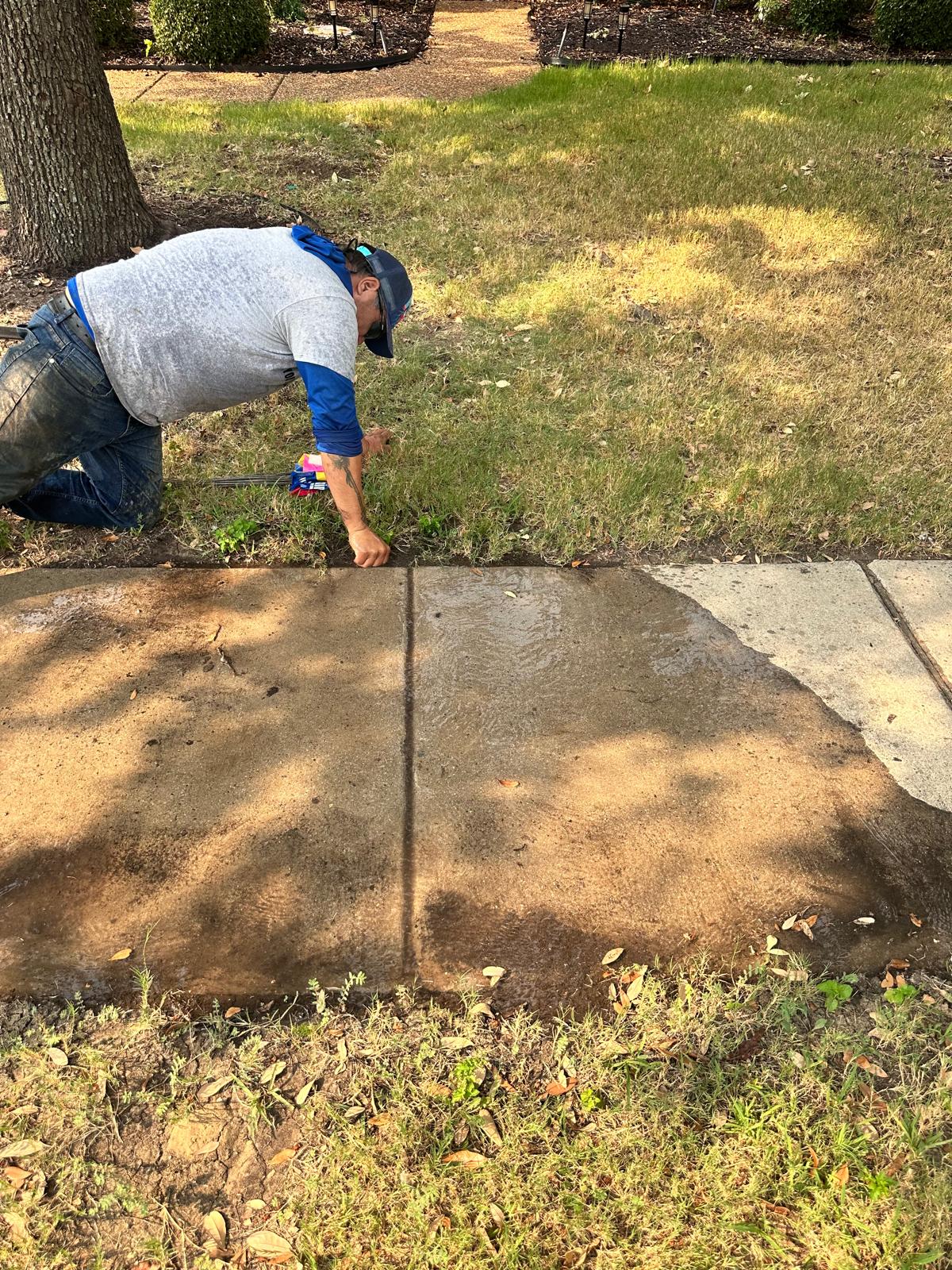
Ensure all heads pop up properly and retract without obstruction. Clean or replace clogged nozzles and adjust heads that are spraying hardscapes like driveways or sidewalks.
Step 5: Examine Pipes for Leaks
Notice any unusually wet soil or depressions in the turf. These can indicate underground leaks. Even small leaks can add up to significant water loss over time.
Step 6: Check for Coverage Gaps
Make sure all areas receive adequate water. If you see dry spots or overlapping spray patterns, adjust heads and consider upgrading to more precise nozzles.
Step 7: Adjust for Weather and Season
Summer in Frisco requires more frequent watering than fall or winter. Adjust schedules based on temperature trends and rainfall amounts. Tools like the National Weather Service forecast help you plan watering around expected conditions.
Step 8: Evaluate Pressure and Flow
Low pressure often leads to insufficient coverage, while high pressure can mist water away before it reaches the soil. If you suspect pressure issues, a professional can measure and adjust it appropriately.
Step 9: Winterize if Needed
Although Frisco’s winters are mild compared to more northern regions, occasional freezes can still damage irrigation systems. Draining lines or using protective insulation can prevent freeze damage.
Step 10: Document and Schedule Follow‑Ups
Record what you find and set a calendar reminder for your next check. Consistency ensures long‑term system health.
Common Irrigation System Problems in Frisco and How to Solve Them
Here are issues frequently discovered during irrigation system checks and how to address them:
Clogged Nozzles
Dust, debris, and hard water can clog sprinkler nozzles. Remove debris and replace worn nozzles to restore proper flow.
Misaligned Heads
Impact and lawn equipment can bump sprinkler heads out of alignment. Reposition them so water lands only on vegetation, not paved surfaces.
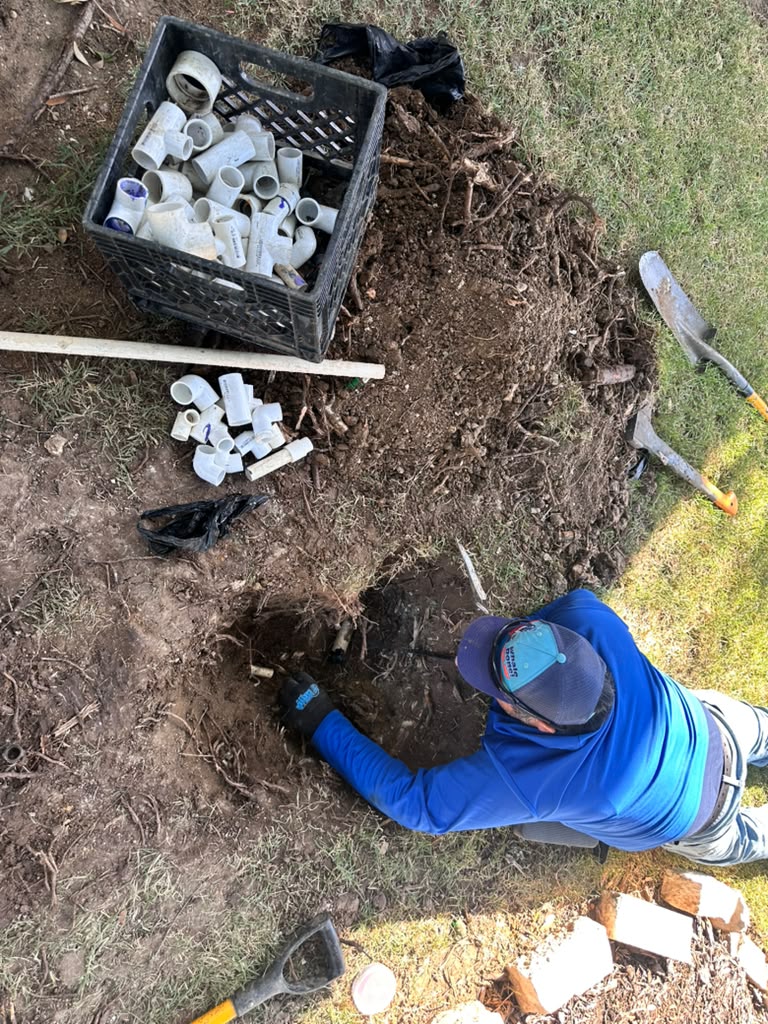
Leaking Pipes
Underground leaks are often signaled by wet areas or unexplained water usage spikes. Detecting and repairing these early can save money and water.
Electrical Issues
Faulty wiring can cause zones to fail to open. A professional can test and replace damaged wires or solenoids.
Controller Malfunctions
Old or damaged controllers may fail to run schedules correctly. Updating to a newer model with rain sensors and smart scheduling can improve efficiency.
Solving these issues not only ensures better watering but also extends the lifespan of your system and reduces utility costs.
Best Practices for Efficient Irrigation in Frisco
Enhancing your irrigation system’s efficiency delivers benefits beyond plant health; it saves money and conserves water. Consider these best practices:
Use Smart Controllers
Modern smart controllers adjust watering based on weather, soil moisture, and plant needs. These can significantly reduce water waste and improve results.
Install Drip Irrigation for Beds
Drip systems deliver water directly to plant roots with minimal evaporation loss. This is especially useful for flower beds and shrubs.
Schedule Watering at Optimal Times
Water early in the morning to minimize evaporation and wind drift. Late afternoon watering may increase disease risk.
Group Plants by Water Needs
Design irrigation zones so that plants with similar water requirements receive the same amount. This prevents over‑watering drought‑tolerant species and under‑watering thirsty ones.
Perform Routine Maintenance
A yearly check by a professional, supplemented by seasonal homeowner inspections, keeps systems performing well and prevents surprises.
Learn more about water‑efficient irrigation methods and conservation tips from the Irrigation Association’s resources.
Seasonal Irrigation Checklist for Frisco
Different seasons require different attention for your irrigation system. Here’s a breakdown of seasonal priorities:
Spring
- Test and calibrate your system
• Replace worn parts from winter damage
• Update schedule for increasing temperatures
Spring is ideal for commissioning the system, ensuring it is ready for heavier summer use.
Summer
- Monitor water usage and adjust for heat waves
• Check for evaporation and wind drift issues
• Watch for signs of drought stress in plants
Summer checks focus on performance under high demand.
Fall
- Reduce watering frequency as temperatures cool
• Inspect for leaks and gaps
• Clean heads and flush lines if necessary
Fall preparation ensures the system transitions smoothly into a low‑demand period.
Winter
- Protect against occasional freezes
• Drain lines if recommended
• Program controller for seasonal weather
Even mild winters like in Frisco can cause issues if forecasting sudden cold snaps.
For detailed seasonal watering guidelines tailored to Texas climates, see the Texas A&M AgriLife Extension recommendations.
Cost Considerations
Understanding the costs associated with irrigation checks and repairs helps you budget wisely.
Routine Inspection Costs
Home inspections using a checklist are low‑cost, primarily involving your time rather than money.
Repair and Replacement Expenses
Minor repairs like nozzle replacements are inexpensive. Larger repairs, such as fixing leaks or replacing broken valves, carry higher costs.
Professional Service Fees
Professional inspections and maintenance services vary depending on system size and condition. Request multiple quotes to ensure competitive pricing.
Weigh these costs against potential savings from reduced water bills and extended system longevity.
Signs You Need an Immediate Irrigation System Check
Watch for these red flags that indicate your system needs attention:
- High water bills without explanation
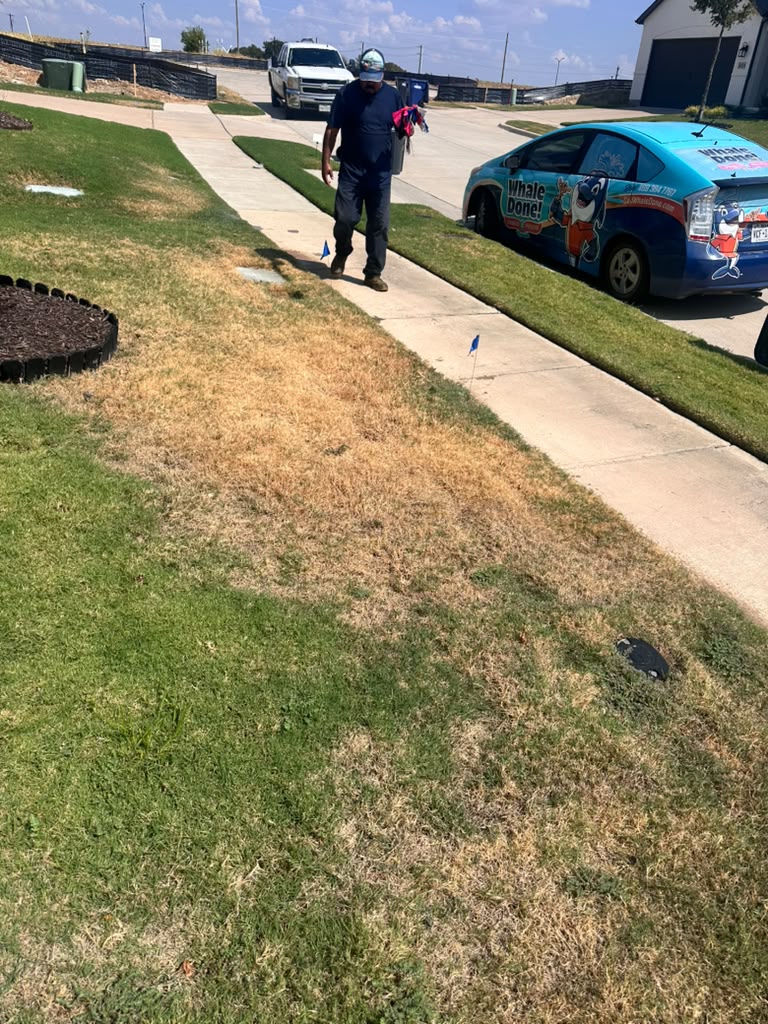
- Dry patches amidst otherwise healthy turf
- Sprinklers spraying sidewalks or streets
- Visible leaks or puddles
- Controller malfunctions or error messages
Addressing issues promptly prevents minor problems from escalating and protects your landscape investment.
Conclusion
Maintaining an irrigation system through regular irrigation system check in Frisco TX is essential to ensuring water efficiency, plant health, and cost‑effective landscape care. Whether you perform seasonal inspections yourself or engage professional help, consistency and attention to detail will safeguard your lawn and garden against common issues associated with hot, dry Texas weather. For homeowners and property managers who want dependable service and expert maintenance, consider contacting Whale Done Sprinklers & Irrigation at +1(469) 384‑7767 or email clientsupport@callwhaledone.com for comprehensive support and professional irrigation care.