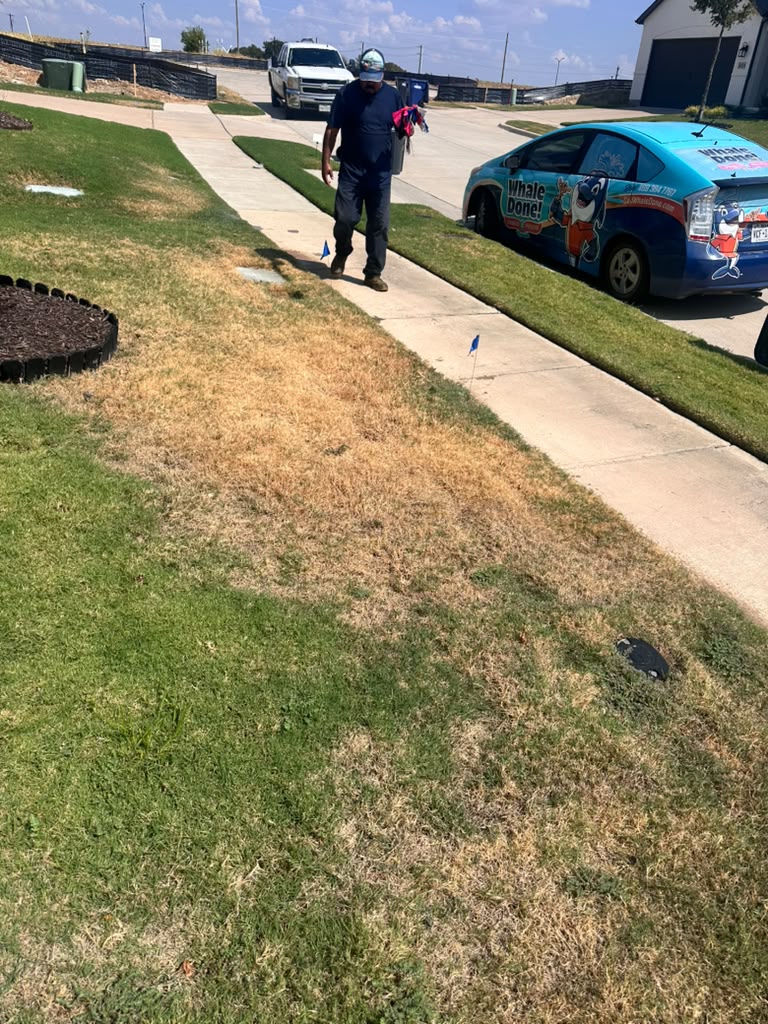
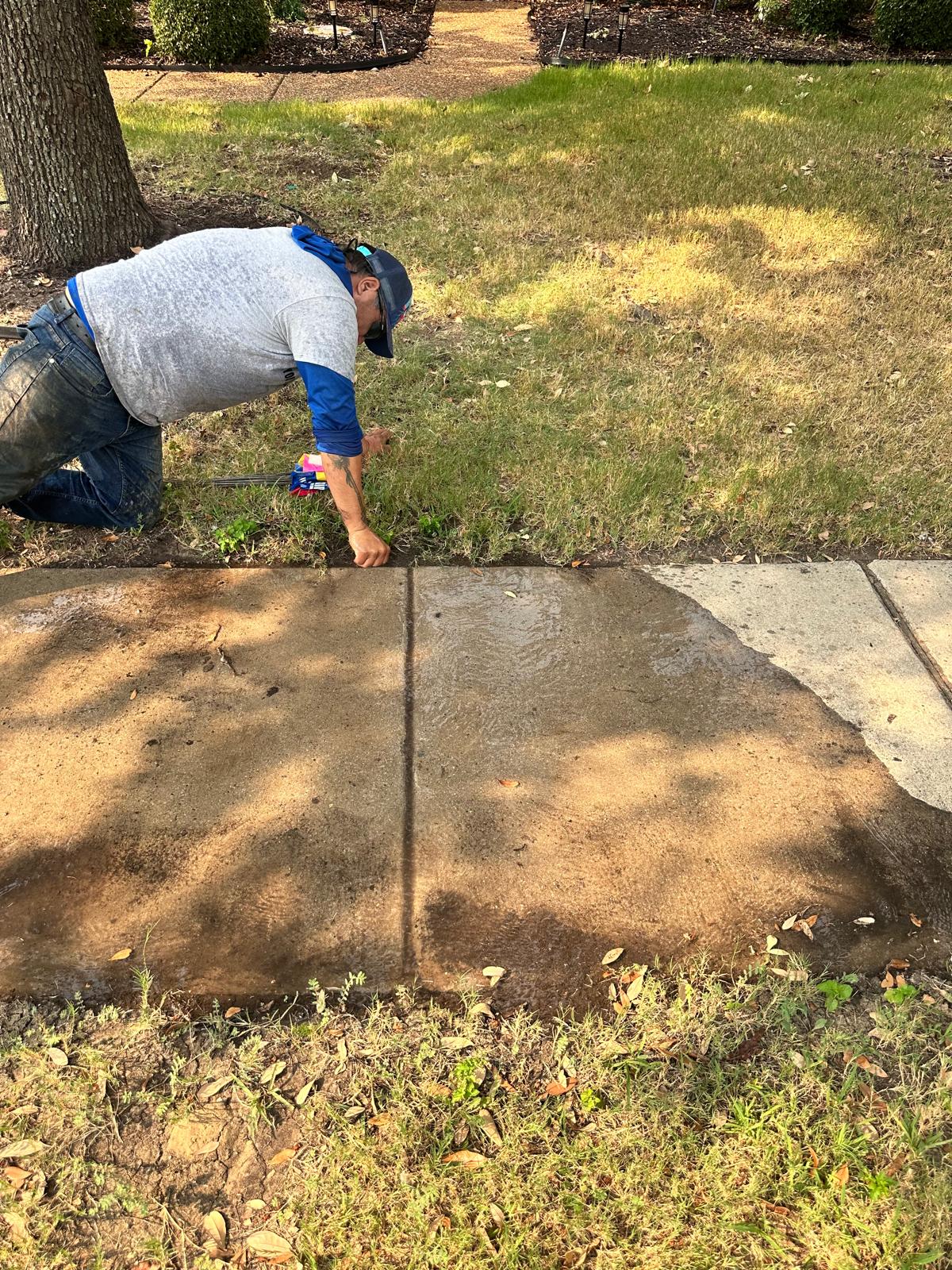
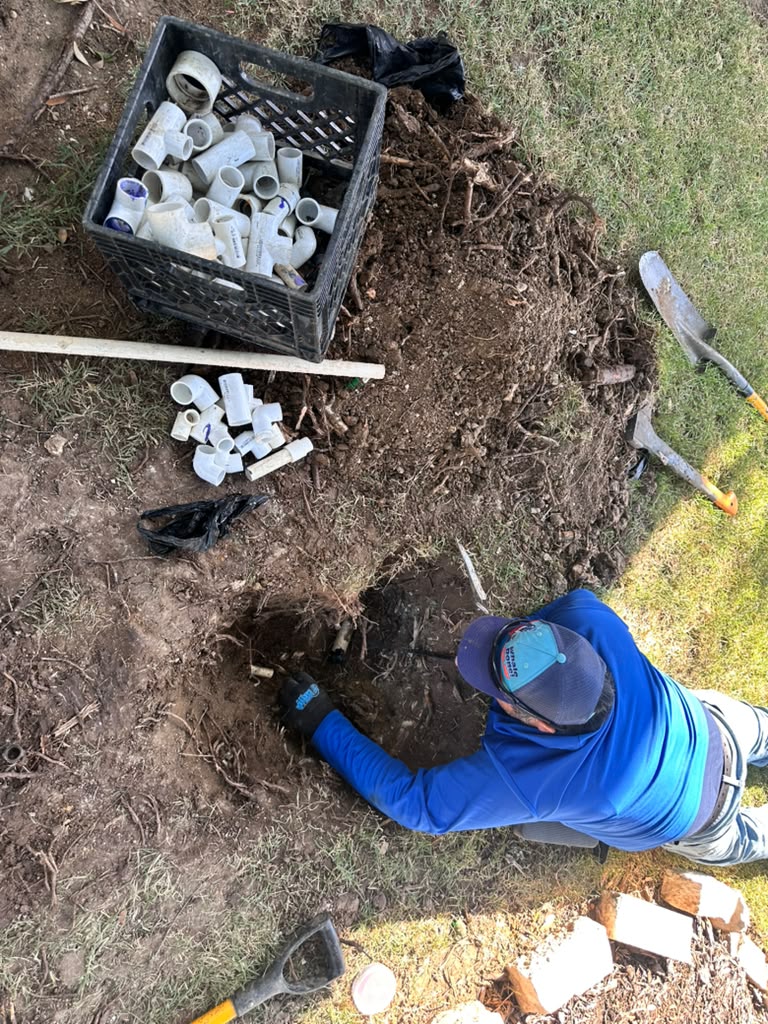
A sprinkler system inspection in The Colony is an essential service for homeowners and commercial property managers who want to maintain lush landscapes, conserve water, and avoid costly irrigation failures. With Texas weather fluctuating between heavy rain and prolonged dry spells, irrigation systems must function efficiently to keep lawns, gardens, and commercial green spaces thriving. Regular inspections ensure that sprinkler systems deliver the right amount of water at the right time, preventing waste while promoting healthier vegetation.
Property owners in The Colony often rely on automated sprinkler systems for convenience, but over time, wear and tear, soil shifts, and environmental factors can compromise performance. Without routine inspections, minor problems such as clogged nozzles or misaligned sprinkler heads can escalate into serious irrigation failures. Investing in regular inspections helps protect landscaping investments and ensures compliance with local watering guidelines.
Understanding How Sprinkler Systems Function
Sprinkler systems are designed to distribute water evenly across lawns and landscaping zones using a combination of pipes, valves, sprinkler heads, timers, and controllers. Each component plays a crucial role in ensuring efficient irrigation. When one part malfunctions, it can disrupt the entire watering process.
Modern irrigation systems incorporate advanced technologies such as smart controllers and moisture sensors that adjust watering schedules based on weather patterns. Organizations like the EPA WaterSense program promote water-efficient irrigation technologies that help homeowners reduce water consumption while maintaining vibrant landscapes. Inspections verify that these technologies are working correctly and calibrated for optimal performance.
Common Issues Identified During Sprinkler Inspections
Routine sprinkler inspections uncover various problems that may not be visible to property owners. Addressing these issues early helps prevent landscape damage and unnecessary water waste.
Broken or Damaged Sprinkler Heads
Sprinkler heads can become damaged due to lawn equipment, foot traffic, or shifting soil. Broken heads often cause uneven water distribution, leading to dry patches or water pooling. During inspections, professionals check for cracked or clogged heads and replace them as needed.
Underground Leaks and Pipe Damage
Underground leaks are difficult to detect without a professional inspection. Leaks can cause water pressure loss and soil erosion while increasing water bills. Inspectors use specialized tools to identify hidden leaks and repair damaged pipes before they cause significant damage.
Malfunctioning Valves and Controllers
Valves control water flow to various irrigation zones. When valves fail, certain areas may receive too much or too little water. Inspectors also test irrigation controllers to ensure they operate according to programmed schedules and seasonal requirements.
Misaligned Sprinkler Heads
Misaligned sprinkler heads can spray sidewalks, driveways, or streets instead of landscaping areas. Inspections correct these alignment issues, improving irrigation efficiency and conserving water.
Benefits of Routine Sprinkler System Inspection In The Colony
Regular sprinkler inspections provide several advantages for property owners in The Colony. Beyond maintaining landscape aesthetics, inspections contribute to environmental sustainability and long-term cost savings.
Improved Water Efficiency
Efficient irrigation systems reduce water waste by delivering precise amounts of water to specific areas. Property owners who follow irrigation efficiency recommendations from irrigation efficiency guidelines can significantly lower their water consumption while maintaining healthy landscapes.
Lower Utility Costs
Water leaks and inefficient sprinkler performance can increase monthly water bills. Inspections identify wasteful irrigation practices, helping property owners reduce expenses and conserve resources.
Healthier Landscaping
Plants, grass, and trees require consistent watering patterns to thrive. Sprinkler inspections ensure that irrigation systems deliver water evenly, promoting stronger root growth and overall plant health.
Prevention of Structural Damage
Excess water from irrigation leaks can weaken soil around foundations, sidewalks, and driveways. Inspections help detect leaks early, protecting property structures from water-related damage.
The Importance of Seasonal Irrigation Inspections
Weather conditions in The Colony vary throughout the year, making seasonal sprinkler inspections crucial for maintaining system performance. Adjusting irrigation systems according to seasonal weather ensures efficient water use and protects landscaping investments.
- Spring System Activation: Spring inspections prepare sprinkler systems for increased watering demands during the growing season. Inspectors check controllers, valves, and sprinkler heads to ensure systems operate efficiently after winter inactivity.
- Summer Efficiency Checks: During hot Texas summers, irrigation systems operate frequently. Inspections during this period focus on identifying leaks, adjusting watering schedules, and ensuring systems can handle higher water demands.
- Fall System Evaluations: Fall inspections help prepare sprinkler systems for cooler weather and potential winterization. Adjusting watering schedules prevents overwatering during reduced plant growth periods.
Compliance with Local Watering Regulations
The Colony promotes water conservation through community guidelines that regulate outdoor watering schedules. Property owners who follow local watering regulations in The Colony help protect water resources while avoiding potential penalties.
Sprinkler inspections help ensure irrigation systems align with local watering restrictions. Professionals can adjust irrigation schedules, optimize zone performance, and recommend water-efficient upgrades to meet conservation standards.
Advanced Irrigation Technology and Inspection Benefits
Technological advancements have transformed modern irrigation systems, improving efficiency and ease of use. Inspections verify that advanced irrigation technologies operate correctly and maximize water savings.
Smart Irrigation Controllers
Smart controllers use weather data to adjust watering schedules automatically. Inspections ensure these controllers are properly programmed and connected to accurate weather sources.
Soil Moisture Sensors
Soil moisture sensors prevent overwatering by detecting moisture levels in the soil. Inspectors test these sensors to confirm accurate readings and proper integration with irrigation systems.
Drip Irrigation Integration
Many property owners integrate drip irrigation systems with traditional sprinklers for targeted watering of flower beds and shrubs. Educational resources from Texas A&M AgriLife Extension highlight the benefits of combining irrigation methods for improved efficiency. Inspections ensure drip systems function correctly and complement sprinkler performance.
Signs Your Sprinkler System Needs Inspection
Property owners should schedule inspections when they notice certain warning signs indicating irrigation problems. Addressing these signs early prevents extensive system damage.
- Uneven lawn growth or brown patches
- Water pooling in certain areas of the yard
- Sudden increases in water bills
- Sprinkler heads spraying sidewalks or structures
- Reduced water pressure during irrigation cycles
- Controller errors or inconsistent watering schedules
Recognizing these signs allows property owners to maintain efficient irrigation systems and protect landscaping investments.
Environmental Benefits of Efficient Irrigation Systems
Efficient sprinkler systems contribute to environmental sustainability by reducing water waste and conserving natural resources. Water conservation is particularly important in Texas, where drought conditions can affect local water supplies.
Routine sprinkler inspections help ensure irrigation systems operate responsibly by minimizing water runoff and promoting soil moisture retention. Efficient irrigation practices also reduce chemical runoff from fertilizers and pesticides, supporting healthier ecosystems.
Commercial Property Irrigation Considerations
Commercial properties in The Colony rely on professional landscaping to create welcoming, credible environments that attract clients, tenants, and visitors year round. Routine sprinkler inspections ensure irrigation systems deliver balanced coverage, prevent dry patches, and protect valuable landscape investments from costly damage and inefficiency risks today and tomorrow always here.
Large commercial irrigation networks often include multiple zones, valves, and controllers, increasing chances of leaks, pressure imbalance, or hidden failures. Professional inspections help property managers detect issues early, improve efficiency, reduce water waste, extend equipment lifespan, and maintain curb appeal while lowering long term repair expenses for lasting value everywhere.
How Professional Inspections Improve Long-Term System Performance
Professional sprinkler inspections involve comprehensive evaluations of valves, pipes, sprinkler heads, controllers, and sensors using advanced diagnostic tools and proven irrigation expertise. Inspectors measure water pressure, check for leaks, confirm uniform spray patterns, test zone functionality, and detect hidden inefficiencies that could waste water, increase utility costs, or weaken overall system reliability over time.
These detailed assessments give property owners clear reports with prioritized recommendations such as replacing worn components, upgrading to efficient nozzles, optimizing watering schedules, and improving system calibration for seasonal conditions. Implementing these expert suggestions improves coverage consistency, conserves water, reduces repair risks, and significantly extends sprinkler system lifespan.
Maintenance Tips to Support Sprinkler System Efficiency
While professional inspections are essential, property owners can take proactive steps to maintain irrigation system performance between inspections.
- Monitor Water Usage: Regularly reviewing water bills can help detect unusual increases that may indicate irrigation leaks or inefficiencies.
- Keep Sprinkler Heads Clean: Removing dirt, debris, and grass clippings from sprinkler heads helps maintain proper water flow and coverage.
- Adjust Watering Schedules: Seasonal adjustments to irrigation schedules prevent overwatering and promote efficient water use.
- Observe System Operation: Occasionally running sprinkler systems manually allows property owners to identify visible problems such as broken heads or uneven watering patterns.
The Role of Preventative Maintenance in Irrigation Systems
Preventative maintenance is a cost-effective strategy that keeps sprinkler systems running efficiently, helping property owners avoid expensive breakdowns and unnecessary water waste over time. Regular inspections identify worn components, leaks, pressure problems, and controller errors early, allowing timely repairs that protect landscaping health, maintain manufacturer compliance, and ensure optimal watering performance in every season while reducing long-term expenses and extending overall system lifespan for years to come consistently and reliably for property owners everywhere today.
This proactive approach also supports environmental responsibility and preserves valuable landscape investments through efficient operation and careful monitoring always for maximum reliability now and longevity.
Choosing Professional Sprinkler Inspection Services
Selecting experienced irrigation professionals ensures accurate inspections, dependable performance, and long-term system efficiency for residential and commercial landscapes alike in The Colony. Qualified experts understand regional weather patterns, soil composition, water pressure variations, and plant hydration needs to deliver precise evaluations every time for optimal reliability and consistent system function.
Professional inspection services include controller testing, sprinkler head alignment checks, leak detection, pressure measurements, and efficiency assessments to identify hidden problems before they worsen. Detailed reports and expert recommendations help property owners maintain compliance, conserve water, extend equipment lifespan, and ensure consistent landscape health throughout changing seasons always for sustainability.
Conclusion
Maintaining a reliable irrigation system is essential for preserving healthy landscapes and conserving water resources. Scheduling routine sprinkler inspections helps property owners detect problems early, improve irrigation efficiency, and protect landscaping investments.
For professional irrigation services, contact Whale Done Sprinklers & Irrigation.
Phone: +1 (469) 384-7767
Email: clientsupport@callwhaledone.com