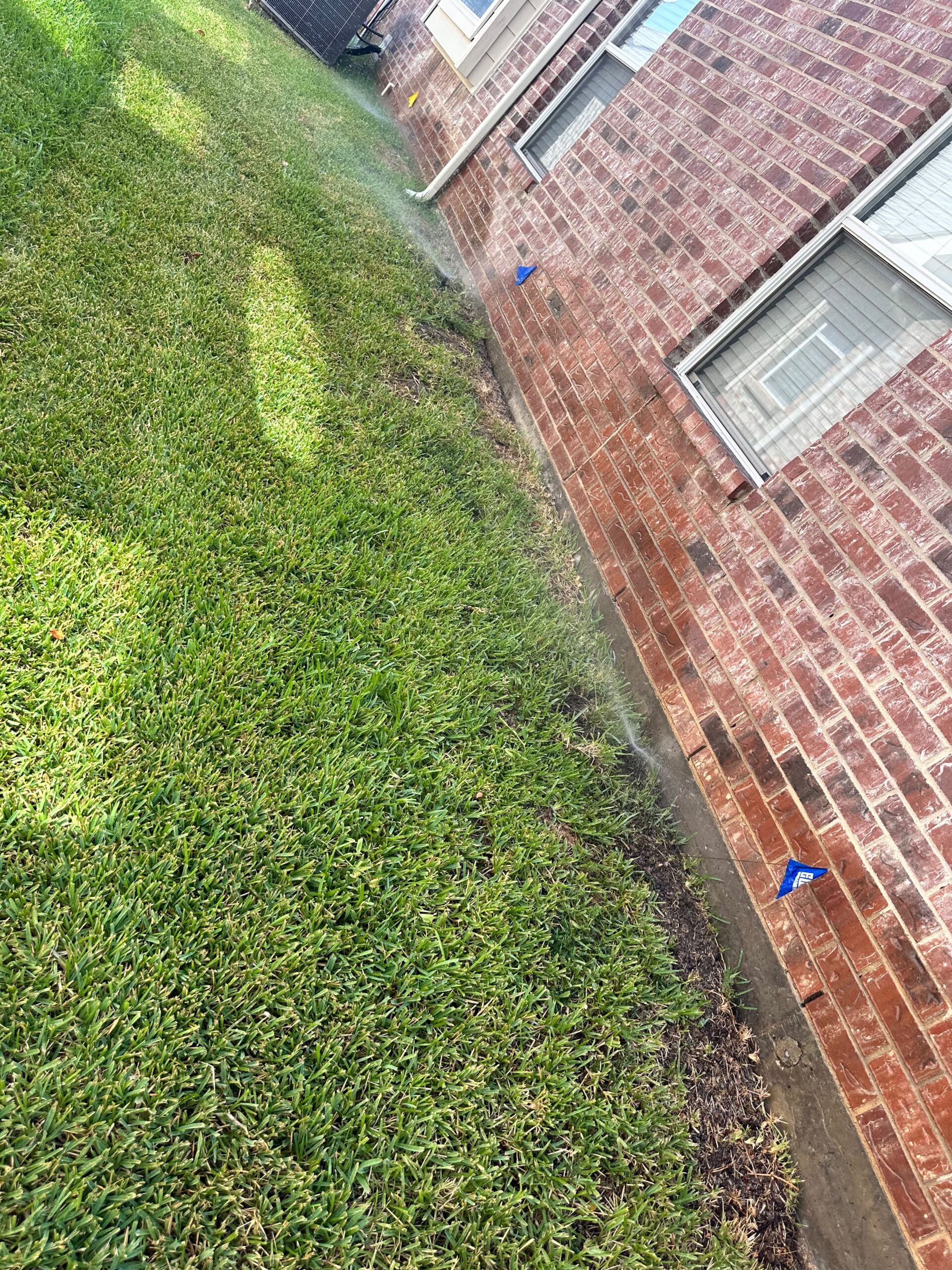
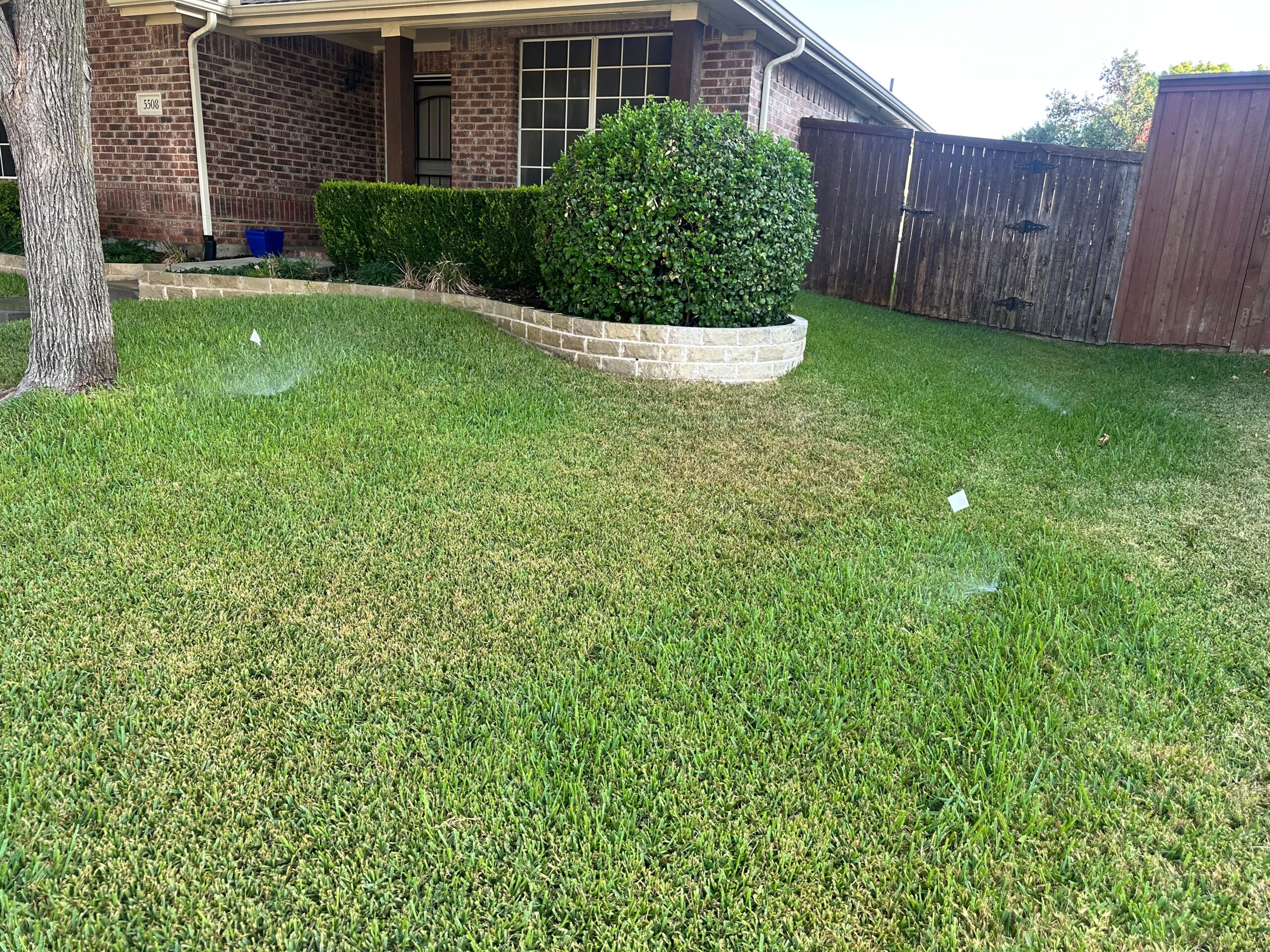
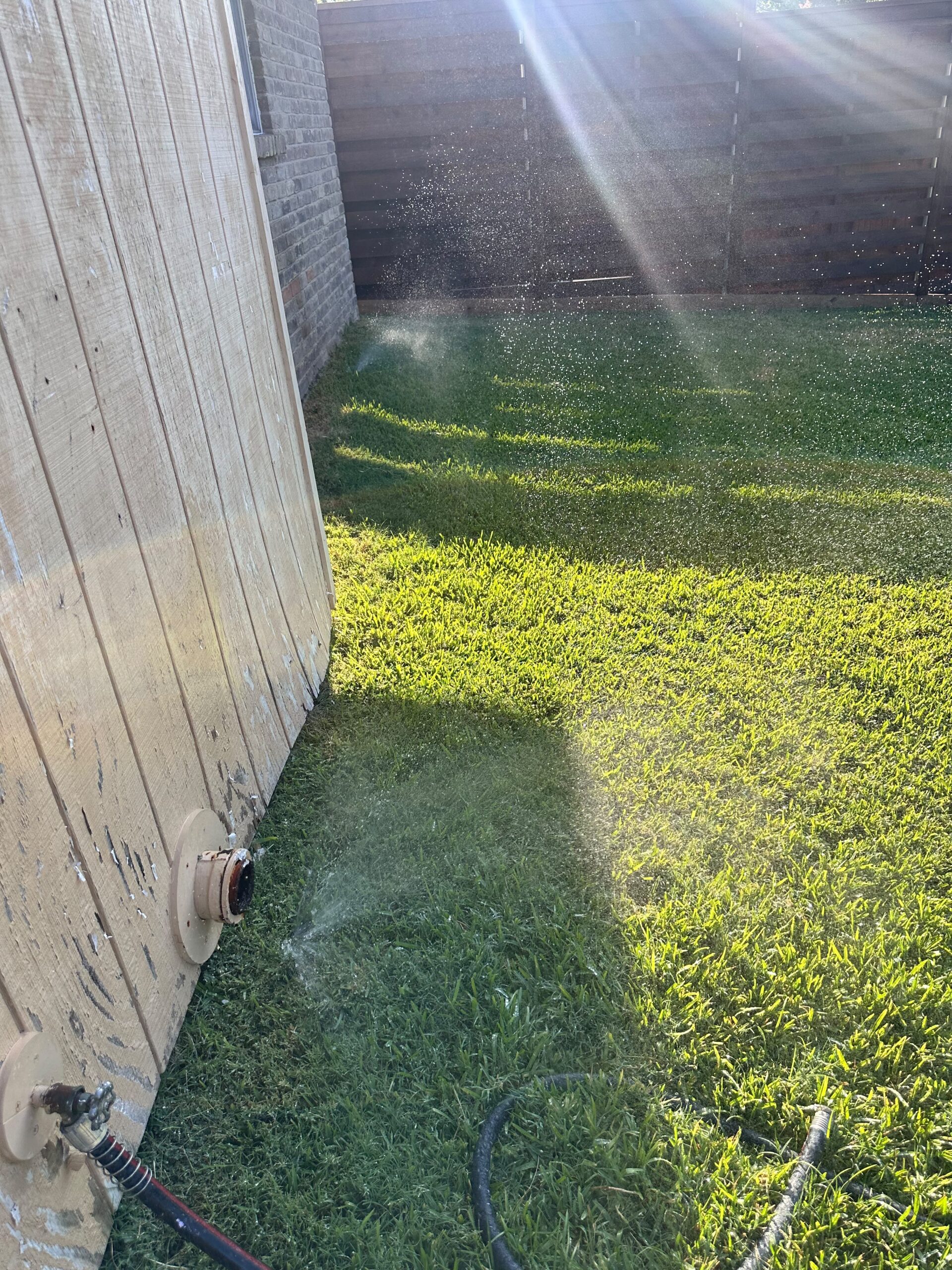
Weak sprinkler heads in The Colony TX can quickly turn a healthy landscape into a patchy, dry lawn if the underlying problem is ignored. While it may seem like a simple issue with a single sprinkler head, weak spray patterns often indicate a larger irrigation problem involving water pressure, clogged components, damaged pipes, or aging equipment. Identifying the real cause early helps prevent unnecessary water waste, uneven lawn coverage, and expensive repairs.
Property owners in The Colony depend on reliable irrigation systems to maintain healthy grass throughout changing Texas weather. When sprinkler heads fail to spray properly, some areas receive too little water while others may become oversaturated. Understanding the most common causes of weak sprinkler performance makes it easier to determine whether the problem requires simple maintenance or professional diagnosis.
Understanding How Sprinkler Heads Work
Every sprinkler head relies on balanced water pressure delivered through valves, underground pipes, and irrigation zones. Once a zone activates, pressurized water flows through the system until it reaches each sprinkler head, allowing it to rise and distribute water evenly across the lawn.
When any part of that process becomes restricted, sprinkler heads may only produce a weak stream, fail to rotate, or barely rise above the ground. Since several components work together, the visible symptom often differs from the actual source of the problem.
Routine inspections can identify these issues before they affect the overall performance of the irrigation system.
Weak Sprinkler Heads In The Colony TX: Common Causes
Several conditions can reduce sprinkler performance. Some develop gradually over time, while others appear suddenly after landscaping work or weather-related events.
Low Water Pressure
One of the most common reasons sprinkler heads spray weakly is inadequate water pressure.
Low pressure may result from:
- Municipal water supply fluctuations
- Pressure regulator problems
- Water line restrictions
- Simultaneous household water usage
- Improper irrigation system design
If water pressure falls below the sprinkler manufacturer’s recommended operating range, heads cannot produce their intended spray pattern.
You can learn more about proper irrigation water pressure through the Irrigation Association.
Clogged Sprinkler Nozzles
Small debris can easily block sprinkler nozzles.
Common obstructions include:
- Dirt
- Sand
- Grass clippings
- Mineral deposits
- Rust particles
Even a partial blockage changes the spray pattern, reducing water distribution across the landscape.
Cleaning clogged nozzles regularly helps restore normal performance without replacing the entire sprinkler head.
Damaged Underground Pipes
Underground pipe leaks often reduce pressure before water reaches the sprinkler heads.
Signs include:
- Wet areas between sprinkler heads
- Unexpected puddles
- Higher water bills
- Soil erosion
- Sinking ground
Leaks divert water underground instead of delivering it to irrigation zones, making sprinkler heads appear weak.
Because underground leaks aren’t always visible, professional leak detection may be necessary.
Broken Sprinkler Heads
Physical damage is another frequent cause.
Sprinkler heads may become damaged by:
- Lawn mowers
- Vehicles
- Foot traffic
- Tree roots
- Freezing temperatures
- Landscaping equipment
A cracked housing or damaged internal seal allows water to escape before proper pressure builds inside the head.
Replacing damaged heads usually restores normal operation.
Worn Internal Components
Sprinkler heads contain moving parts that wear over time.
These include:
- Springs
- Seals
- Rotating gears
- Bearings
- Nozzle inserts
As components age, sprinkler heads may fail to pop up completely or rotate properly.
Normal wear is expected after years of regular irrigation.
Zone Valve Problems
Electric valves control the flow of water to each irrigation zone, making them a critical part of your sprinkler system. When a valve fails to open completely, water flow becomes restricted, resulting in weak sprinkler performance throughout the entire zone. Several issues can interfere with proper valve operation, including debris lodged inside the valve, damaged diaphragms, faulty electrical wiring, solenoid failure, or mineral buildup caused by hard water over time. Because a single valve serves multiple sprinkler heads, any malfunction can affect every head within that irrigation zone, leading to uneven watering, dry spots, and reduced overall irrigation efficiency.
Pressure Regulator Malfunctions
Many irrigation systems include pressure regulators designed to maintain safe operating pressure.
When regulators malfunction, sprinkler performance may decline.
Symptoms include:
- Weak spray
- Uneven watering
- Heads failing to extend fully
- Reduced rotation
- Inconsistent zone pressure
Testing pressure throughout the system helps determine whether the regulator is functioning properly.
Too Many Sprinkler Heads On One Zone
System design plays an important role in irrigation performance.
If too many sprinkler heads operate on one zone, available water pressure becomes divided among them.
The result may include:
- Weak spray
- Short spray distance
- Dry lawn sections
- Inconsistent watering
Professional irrigation design ensures each zone receives sufficient flow for optimal performance.
Partially Closed Shut-Off Valves
Sometimes the solution is surprisingly simple.
Main shut-off valves or backflow valves may remain partially closed after:
- Plumbing repairs
- Winter maintenance
- Utility work
- Irrigation servicing
Even slight restrictions reduce water reaching the sprinkler system.
Checking valve positions is often one of the first diagnostic steps.
Backflow Preventer Restrictions
The backflow prevention device protects drinking water from contamination.
However, damaged or obstructed backflow assemblies may reduce irrigation pressure.
Potential issues include:
- Internal debris
- Faulty check valves
- Worn seals
- Mineral buildup
Regular inspections help ensure the device operates correctly while maintaining proper water flow.
The EPA WaterSense program provides valuable information about efficient outdoor water use.
Underground Root Intrusion
Tree roots naturally seek moisture.
Over time, roots may:
- Compress irrigation pipes
- Shift sprinkler heads
- Crack fittings
- Restrict water flow
As roots continue growing, sprinkler performance gradually declines.
Large mature trees often increase the likelihood of underground irrigation interference.
Soil Movement Around Sprinkler Heads
The Colony experiences seasonal weather changes that influence soil conditions.
As soil expands, contracts, or settles, sprinkler heads may become:
- Crooked
- Buried
- Misaligned
- Tilted
Even if water pressure remains adequate, incorrect positioning reduces irrigation coverage.
Occasional adjustments restore proper spray direction.
Controller Programming Issues
Not every weak sprinkler problem involves plumbing.
Improper controller settings sometimes create the appearance of weak sprinkler heads.
Examples include:
- Overlapping schedules
- Short watering durations
- Incorrect zone assignments
- Interrupted watering cycles
Reviewing controller programming helps eliminate operational errors before investigating mechanical issues.
Helpful irrigation scheduling guidance is available through Texas A&M AgriLife Extension.
Seasonal Water Demand
During the summer months, increased irrigation demand places additional strain on municipal water systems, which can affect the performance of residential sprinkler systems. As more homeowners water their lawns at the same time, water pressure may fluctuate, leading to weaker sprinkler output and uneven coverage.
During these periods of heavy neighborhood water use, proper irrigation timing becomes especially important. Watering early in the morning often provides more consistent water pressure because overall demand is typically lower. Scheduling your irrigation during these lower-demand hours can improve sprinkler performance, promote more even watering, and help maintain a healthier lawn throughout the hottest part of the season.
Aging Irrigation Systems
Older irrigation systems naturally experience declining efficiency.
Common age-related issues include:
- Corroded fittings
- Worn valves
- Brittle pipes
- Outdated sprinkler heads
- Reduced sealing capability
Replacing aging components often improves both water efficiency and landscape health.
Signs That Weak Sprinkler Heads Need Immediate Attention
Weak sprinkler heads rarely improve on their own.
Watch for signs such as:
- Brown lawn patches
- Uneven grass growth
- Dry landscape beds
- Reduced spray distance
- Heads failing to pop up
- Water pooling around heads
- Sputtering spray
- Zones taking longer to water
Prompt diagnosis minimizes lawn damage while preventing additional irrigation failures.
Why DIY Repairs Sometimes Miss the Real Problem
When sprinkler heads begin producing a weak spray, many homeowners assume the heads themselves are the problem and replace them right away. However, this approach often fails to resolve the issue because the real cause may be hidden beneath the surface. Problems such as underground pipe leaks, water pressure loss, restricted valves, electrical malfunctions, or damaged irrigation pipes can all reduce sprinkler performance.
Without specialized testing equipment, these underlying issues are difficult to identify accurately. A professional irrigation inspection evaluates the entire system, helping pinpoint the true source of the problem and ensuring repairs address the root cause instead of just the visible symptoms.
Preventive Maintenance Helps Avoid Future Problems
Routine maintenance keeps irrigation systems operating efficiently throughout the year.
Recommended maintenance includes:
- Seasonal inspections
- Pressure testing
- Nozzle cleaning
- Valve checks
- Leak detection
- Controller adjustments
- Head alignment
- System flushing
Preventive service extends equipment life while improving watering consistency.
Many irrigation professionals recommend inspecting systems before peak summer watering begins.
Additional irrigation maintenance resources can be found through Texas Commission on Environmental Quality (TCEQ).
Benefits of Restoring Proper Sprinkler Performance
Correcting weak sprinkler issues offers several long-term advantages.
These include:
- More even lawn coverage
- Healthier turf
- Reduced water waste
- Lower utility costs
- Better plant health
- Improved irrigation efficiency
- Longer equipment lifespan
- Fewer emergency repairs
An efficiently operating irrigation system provides consistent watering without excessive runoff or dry spots.
When Should You Call an Irrigation Professional?
While basic nozzle cleaning can often be handled by homeowners, recurring weak sprinkler heads usually require a more thorough evaluation.
Professional inspection is recommended if:
- Multiple zones have low pressure.
- Sprinkler heads remain weak after cleaning.
- Water bills suddenly increase.
- Wet spots appear in the yard.
- Valves fail to operate consistently.
- Sprinkler heads do not fully extend.
- Underground leaks are suspected.
A comprehensive system evaluation identifies the exact cause rather than treating only the visible symptom.
Conclusion
If you’re experiencing weak sprinkler heads in The Colony TX, addressing the issue promptly can help prevent uneven watering, unnecessary water waste, and costly damage to your irrigation system. Whether the problem stems from low water pressure, clogged nozzles, damaged pipes, faulty valves, or aging components, identifying the root cause is the key to restoring reliable sprinkler performance. For professional irrigation diagnostics and dependable repairs, contact Whale Done Sprinklers & Irrigation. Call +1 (469) 384-7767 or email clientsupport@callwhaledone.com to schedule an inspection and keep your lawn healthy with expert solutions for weak sprinkler heads in The Colony TX.