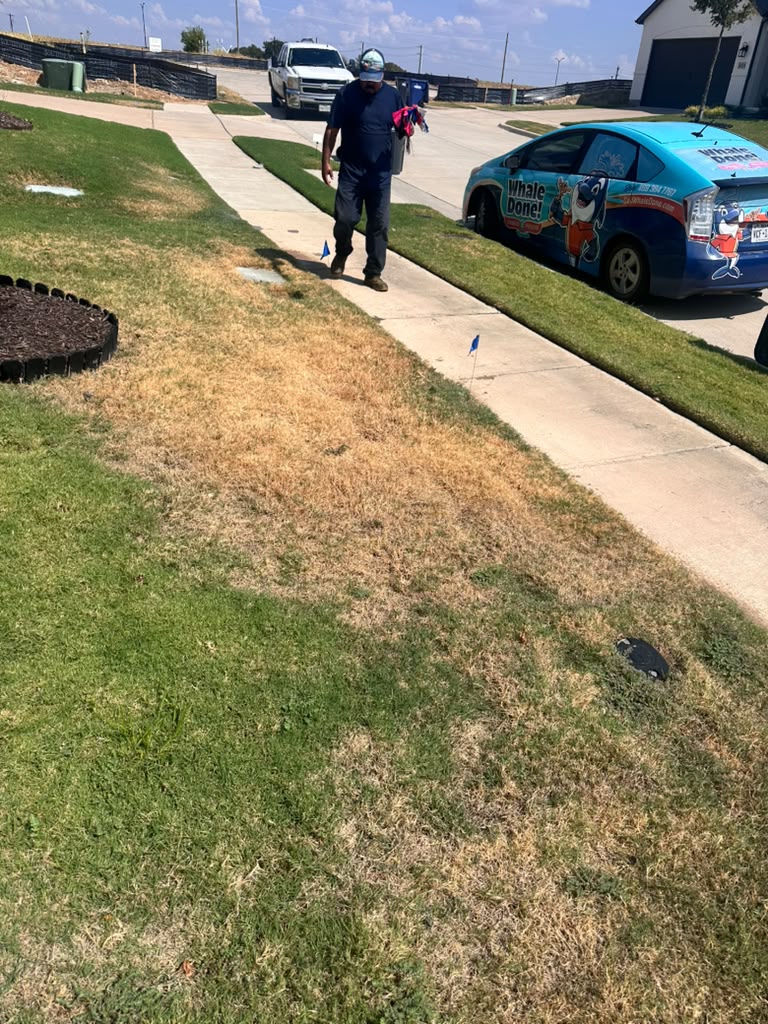
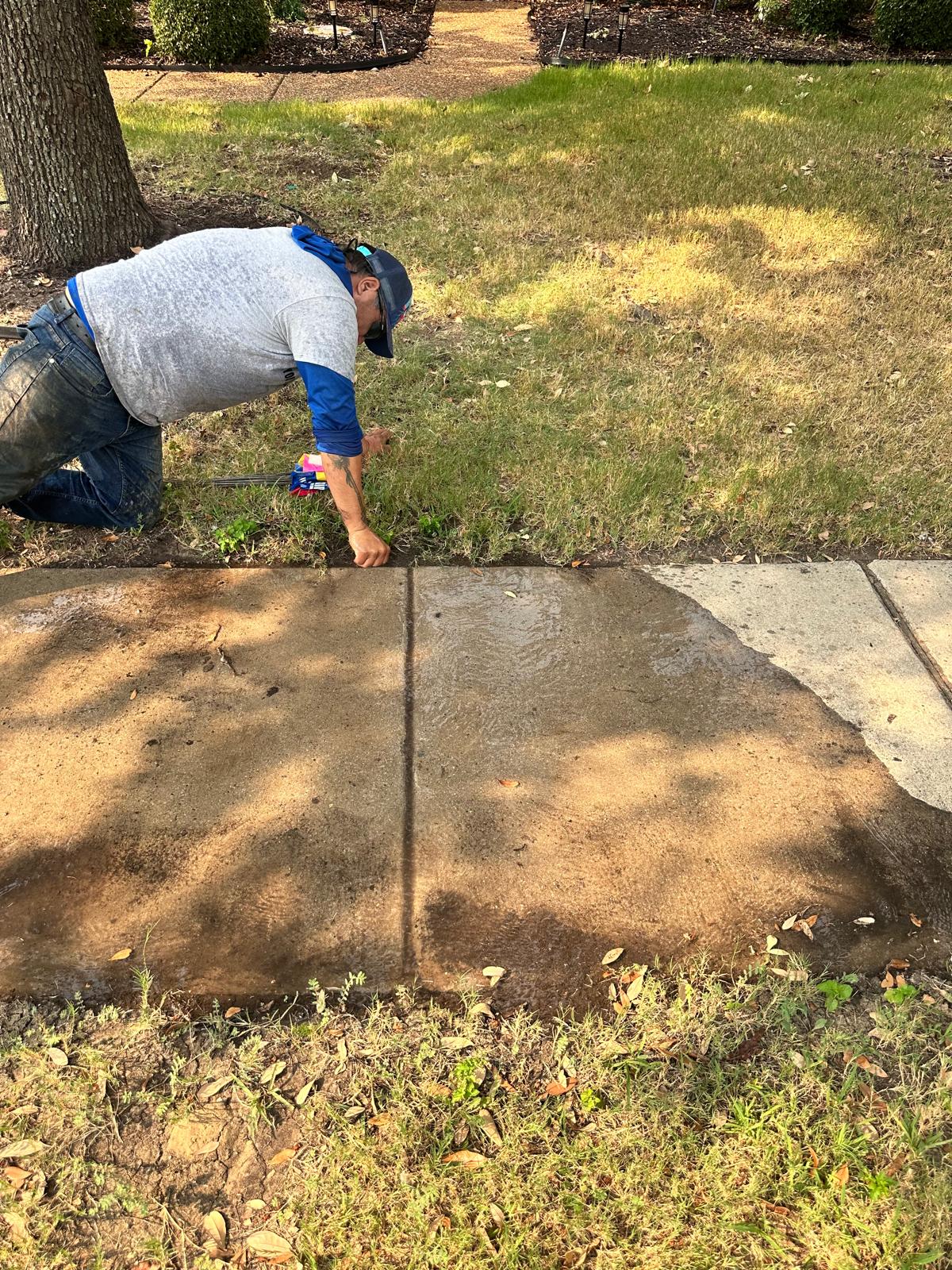
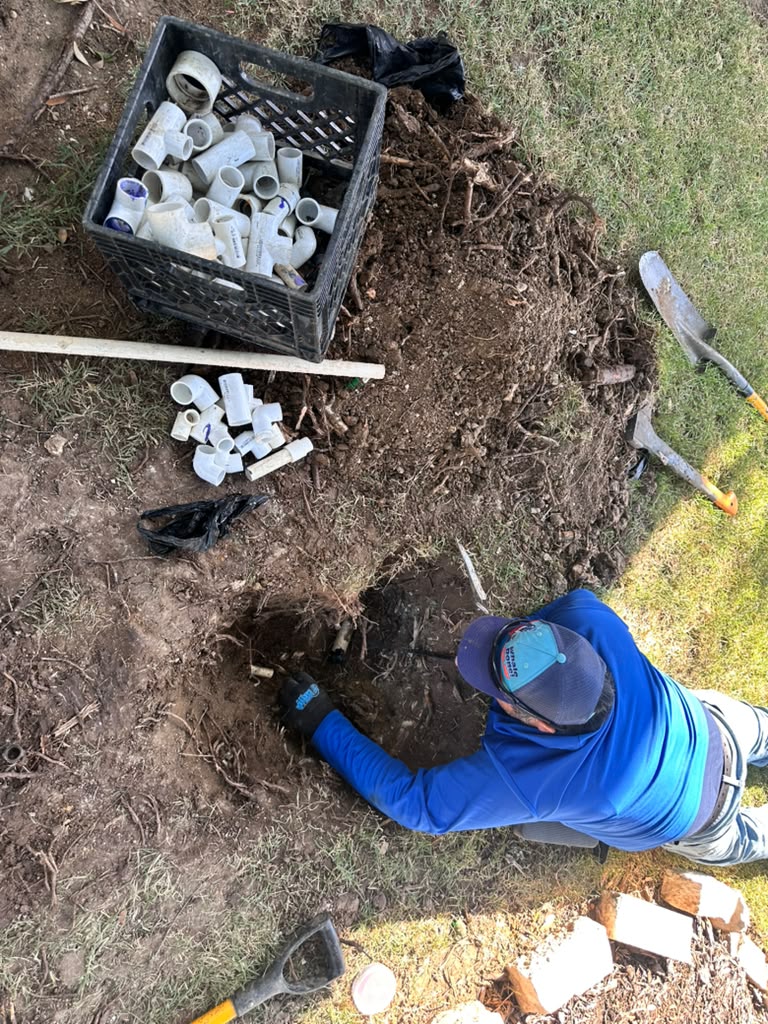
A sprinkler solenoid in Prosper TX plays a vital role in keeping your irrigation system operating efficiently. Although it is a relatively small component, it controls the flow of water to each irrigation zone by opening and closing the sprinkler valve when the controller sends an electrical signal. When the solenoid fails, the entire irrigation system can begin to behave unpredictably, leading to dry patches, flooded lawns, wasted water, and higher utility bills.
For homeowners in Prosper, maintaining a healthy lawn requires an irrigation system that performs consistently throughout the changing Texas seasons. A malfunctioning solenoid may seem like a minor issue at first, but ignoring it can eventually affect your landscape’s health and the longevity of your sprinkler system.
This guide explains how sprinkler solenoids work, what causes them to fail, the warning signs to watch for, and why prompt repairs can save both time and money.
Understanding How a Sprinkler Solenoid In Prosper TX Works
A sprinkler solenoid is an electromagnetic device mounted on top of each irrigation valve. When your sprinkler controller activates a watering zone, it sends a low-voltage electrical current to the solenoid.
Once energized, the solenoid lifts a small internal plunger, allowing water pressure to open the valve. When the watering cycle ends, the electrical signal stops, the plunger returns to its original position, and the valve closes.
Without a properly functioning solenoid, the valve cannot respond correctly to commands from the irrigation controller.
This simple process allows every zone of your irrigation system to water independently according to your programmed schedule.
Why Sprinkler Solenoids Commonly Fail
Although sprinkler solenoids are built for outdoor conditions, continuous exposure to weather and moisture eventually leads to wear.
Several factors contribute to failure.
Electrical Wear
The copper wire coil inside the solenoid can eventually burn out after years of repeated electrical cycles.
A damaged coil prevents the magnetic field from forming, meaning the valve will no longer open or close properly.
Moisture Intrusion
Even weather-resistant components can become vulnerable over time.
Rainwater, irrigation runoff, or poor waterproof wire connections may allow moisture to reach the electrical components, causing corrosion or electrical shorts.
Dirt and Debris
Prosper’s soil often contains fine dirt and sediment that can enter irrigation valves.
Debris may prevent the plunger from moving freely, causing the valve to remain partially open or closed.
Voltage Problems
Damaged wiring, loose wire connections, or controller issues can prevent the correct voltage from reaching the solenoid.
Low voltage often mimics a failed solenoid, making proper diagnosis important.
Natural Aging
Like any electrical component, sprinkler solenoids simply wear out over time.
Most last several years under normal operating conditions before requiring replacement.
Common Signs of a Failed Sprinkler Solenoid
Knowing the warning signs helps homeowners address the problem before it leads to expensive landscape damage.
One Zone Never Turns On
A failed solenoid often affects only one irrigation zone.
The controller appears to run normally, yet one section of the yard never receives water.
Dry grass quickly develops in that area.
One Zone Never Turns Off
This is one of the most common symptoms.
The valve remains stuck open, allowing continuous water flow long after the controller finishes the cycle.
Besides wasting water, this can oversaturate lawns and flower beds.
Weak Sprinkler Performance
Sometimes the valve opens only partially.
The sprinkler heads may pop up but produce weak pressure or uneven spray patterns.
This often indicates that the solenoid cannot fully activate the valve.
Controller Works but Nothing Happens
If the irrigation controller appears normal but no water flows through a particular zone, the solenoid may not be receiving or responding to electrical signals.
Buzzing Noise
A failing solenoid sometimes produces a noticeable humming or buzzing sound.
This occurs when electricity reaches the component, but the internal plunger cannot move correctly.
How Solenoid Failure Affects Your Entire Irrigation System
Although only one valve may malfunction, the effects extend throughout the landscape.
Water Waste
A valve stuck open can waste hundreds of gallons of water each day.
This not only increases monthly utility costs but also places unnecessary strain on local water resources.
Learn more about water conservation from the EPA WaterSense Program.
Lawn Damage
Grass requires balanced watering.
Too much water encourages shallow roots, fungal growth, and disease, while too little water stresses the turf and causes brown patches.
Soil Erosion
Continuous watering from an open valve can wash away mulch, expose plant roots, and erode landscape beds.
Foundation Problems
Excess moisture around the home’s foundation can contribute to soil movement.
Texas clay soils naturally expand when saturated and shrink when dry, potentially affecting structural stability over time.
Increased Repair Costs
Ignoring a faulty solenoid often leads to additional valve damage, electrical issues, and unnecessary strain on the irrigation controller.
Early repairs typically cost far less than replacing multiple irrigation components.
Can You Test a Sprinkler Solenoid?
Yes.
Several basic diagnostic methods can determine whether the solenoid is functioning properly.
Professionals typically begin by checking:
- Electrical resistance using a multimeter
- Voltage coming from the controller
- Wire continuity
- Valve operation
- Manual valve activation
- Internal plunger movement
If electrical readings fall outside manufacturer specifications, replacement is usually recommended.
For irrigation system maintenance information, visit the Irrigation Association.
Is It Always the Solenoid?
Not necessarily.
Several irrigation problems produce similar symptoms.
For example:
- Damaged sprinkler valves
- Broken field wiring
- Faulty irrigation controllers
- Clogged valve diaphragms
- Low water pressure
- Damaged common wire connections
Because multiple components interact together, proper troubleshooting prevents replacing parts unnecessarily.
Why Prosper Homes Experience Irrigation Challenges
Prosper continues to experience rapid residential growth, with many neighborhoods relying on automatic irrigation systems to maintain attractive landscapes.
Several local conditions increase irrigation wear:
Expansive Clay Soil
Clay soils hold moisture longer while also expanding and contracting significantly.
These soil movements may place stress on underground irrigation components.
Hot Summers
Extended periods of high temperatures increase irrigation demand.
More watering cycles naturally increase wear on electrical components like solenoids.
Seasonal Weather Changes
Heavy spring rainfall followed by intense summer heat creates frequent irrigation schedule adjustments.
The more frequently valves operate, the greater the long-term wear.
Preventing Sprinkler Solenoid Failure
Although no solenoid lasts forever, regular maintenance helps maximize its lifespan.
Homeowners should consider:
- Seasonal Irrigation Inspections: Routine inspections identify worn electrical connections before complete failure occurs.
- Cleaning Valve Boxes: Keeping valve boxes free from dirt, insects, and standing water reduces contamination.
- Checking Wire Connections: Waterproof connectors help protect low-voltage wiring from corrosion.
- Updating Irrigation Schedules: Avoid unnecessary watering cycles that increase wear on valves and electrical components.
- Annual System Testing: Professional inspections evaluate electrical performance before problems become emergencies.
The Texas A&M AgriLife Extension provides excellent information about efficient landscape watering:
When Should a Solenoid Be Replaced?
Replacement is often the best option when:
- The electrical coil has failed
- The plunger no longer moves freely
- Corrosion has damaged internal components
- The valve repeatedly sticks open
- Multiple repairs have already been attempted
Fortunately, replacing only the solenoid is often possible without replacing the entire irrigation valve.
However, if the valve body also shows significant wear, replacing the complete valve assembly may provide better long-term reliability.
Professional Diagnosis Matters
Because irrigation systems involve electrical, hydraulic, and mechanical components working together, diagnosing the exact source of failure requires more than simply replacing parts.
Experienced irrigation professionals inspect:
- Controller programming
- Zone wiring
- Solenoid resistance
- Valve condition
- Water pressure
- Zone operation
- Overall system performance
This comprehensive approach ensures the actual cause of the problem is corrected instead of temporarily masking symptoms.
Professional testing also helps identify hidden issues before they become larger repairs.
Long-Term Benefits of Prompt Repairs
Addressing a failed sprinkler solenoid early provides several advantages.
Healthier Landscapes
Every irrigation zone receives the right amount of water at the right time, promoting stronger root development, greener lawns, healthier plants, and consistent landscape growth throughout every season.
Lower Water Bills
Proper valve and solenoid operation eliminates unnecessary water waste by ensuring irrigation zones shut off correctly, helping homeowners reduce monthly utility costs while conserving valuable water resources.
Better Irrigation Efficiency
Each sprinkler zone operates according to its programmed schedule, delivering even water distribution, minimizing overwatering or underwatering, and improving the overall performance of the irrigation system.
Longer Equipment Life
Reducing unnecessary stress on valves, controllers, wiring, and other sprinkler components helps extend the lifespan of the entire irrigation system while lowering future repair and replacement costs.
Greater Peace of Mind
Homeowners can enjoy reliable irrigation performance knowing their sprinkler system is operating correctly, protecting their lawn from hidden leaks, dry spots, water waste, and unexpected breakdowns.
For additional irrigation best practices, homeowners can also review landscaping guidance from the University of Florida IFAS Extension.
Conclusion
If your sprinkler solenoid in Prosper TX is no longer operating correctly, addressing the problem early can prevent water waste, landscape damage, and costly irrigation repairs. A properly functioning solenoid ensures every watering zone operates efficiently, protecting your lawn while conserving water throughout the year.
If you suspect an issue with your irrigation system, Whale Done Sprinklers & Irrigation provides professional diagnostics and reliable sprinkler repair services to help restore your system’s performance. Contact Whale Done Sprinklers & Irrigation at +1 (469) 384-7767 or email clientsupport@callwhaledone.com to schedule an inspection and keep your sprinkler solenoid in Prosper TX operating at its best.