Sprinkler heads in Wylie TX often rely on proper water pressure and consistent flow to keep lawns healthy and landscapes thriving. When sprinkler heads begin producing weak sprays, uneven coverage, or insufficient watering, homeowners frequently assume the problem lies with the heads themselves. However, one of the most overlooked causes of poor irrigation performance is a faulty sprinkler valve.
A sprinkler valve plays a critical role in controlling water flow throughout an irrigation system. If it becomes damaged, clogged, worn out, or partially stuck, it can significantly reduce the amount of water reaching individual zones. As a result, sprinkler heads may appear weak, fail to pop up completely, or deliver inconsistent watering patterns.
Understanding how sprinkler valves affect irrigation performance can help homeowners identify issues early, avoid unnecessary repairs, and maintain a healthy landscape throughout the year.
Understanding How Sprinkler Valves Work
A sprinkler valve serves as the gateway between your water supply and irrigation zones. Every time your irrigation controller activates a zone, the valve opens and allows water to flow through the pipes and toward the sprinkler heads.
The valve operates using a diaphragm, solenoid, and internal components that work together to regulate water movement. When functioning correctly, the valve opens fully and supplies adequate water pressure to all sprinkler heads within that zone.
If any part of the valve malfunctions, water flow can become restricted. This restriction often leads to weak sprinkler performance, dry spots in the lawn, and inefficient irrigation.
For more information on irrigation system fundamentals, homeowners can review resources provided by the EPA WaterSense program.
Signs Your Sprinkler Heads In Wylie TX Are Weak
Weak sprinkler heads can present several symptoms. While the underlying cause may vary, recognizing these signs is the first step toward diagnosing the problem.
Common indicators include:
- Reduced spray distance
- Sprinkler heads that barely pop up
- Uneven water distribution
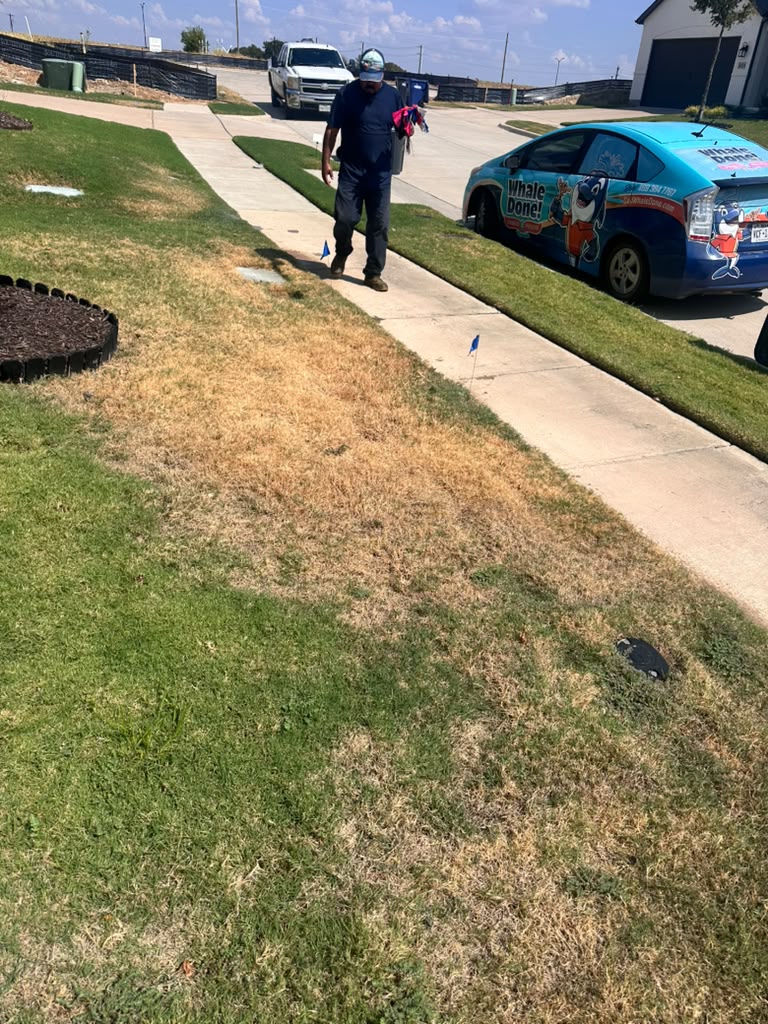
- Dry patches throughout the lawn
- Misting instead of proper spray patterns
- Certain zones performing worse than others
- Inconsistent watering schedules
When these symptoms appear only in a single irrigation zone, a valve issue becomes a strong possibility.
How A Bad Valve Affects Sprinkler Performance
A faulty sprinkler valve can disrupt irrigation performance in several ways.
Restricted Water Flow
One of the most common valve-related problems involves restricted water flow. Over time, debris, sediment, or mineral buildup can accumulate inside the valve body.
When this happens, the valve may no longer open completely. Instead of delivering full water pressure to the zone, it allows only a limited amount of water to pass through.
As a result:
- Sprinkler heads spray shorter distances
- Coverage becomes inconsistent
- Water pressure decreases throughout the zone
Even a small restriction can significantly impact sprinkler performance.
Damaged Diaphragm
The diaphragm is one of the most important components inside a sprinkler valve. This flexible rubber piece opens and closes in response to controller signals.
As diaphragms age, they can crack, tear, or warp.
A damaged diaphragm may:
- Prevent full valve opening
- Cause pressure loss
- Create uneven water flow
- Reduce sprinkler head performance
Because diaphragms experience continuous wear, they are among the most commonly replaced irrigation components.
Partially Stuck Valve
Valves occasionally become stuck due to dirt, corrosion, or mechanical wear.
A partially stuck valve may never fully open, creating a bottleneck that limits water delivery to the sprinkler heads.
Homeowners often mistake this symptom for low municipal water pressure when the actual issue lies inside the irrigation valve itself.
Other Causes Of Weak Sprinkler Heads
Although faulty valves frequently contribute to weak sprinkler heads, other factors may also be responsible.
Low Water Pressure
Municipal water pressure fluctuations can affect irrigation performance.
During periods of heavy water usage, such as summer mornings, neighborhood demand may temporarily lower available pressure.
You can learn more about residential water pressure standards through the Texas Commission on Environmental Quality.
Pipe Leaks
Underground leaks allow water to escape before reaching the sprinkler heads.
Even small leaks can reduce pressure significantly, especially in larger irrigation zones.
Signs of a pipe leak include:
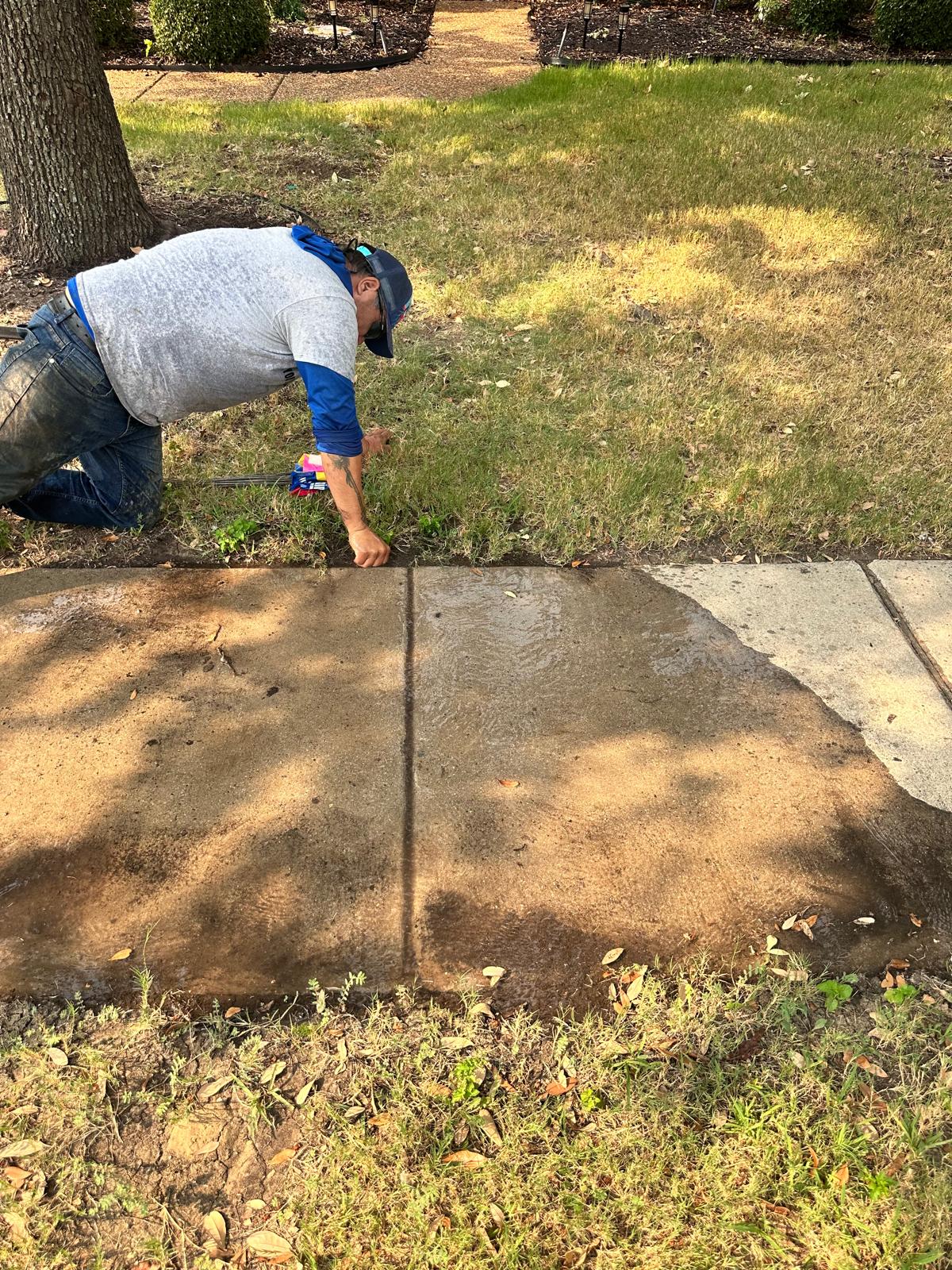
- Wet spots in the yard
- Soggy soil
- Unexpectedly high water bills
- Areas of excessive grass growth
Leaks often mimic valve problems, making professional diagnosis important.
Clogged Sprinkler Heads
Dirt, sand, and debris can become trapped inside sprinkler nozzles.
When this occurs, spray patterns weaken and coverage becomes uneven.
Routine inspection and cleaning help prevent nozzle-related performance issues.
Broken Pressure Regulators
Some irrigation systems use pressure-regulating devices to maintain consistent flow.
If these components fail, sprinkler heads may receive inadequate pressure, resulting in poor performance.
Why Valve Problems Are Common In Wylie TX
Homeowners in Wylie experience environmental conditions that can place stress on irrigation systems throughout the year.
Several factors contribute to valve wear:
Mineral Buildup
North Texas water supplies often contain minerals that gradually accumulate inside irrigation components.
Over time, mineral deposits can interfere with valve movement and reduce water flow.
Soil Movement
Seasonal expansion and contraction of clay-rich soils can place stress on underground irrigation components.
This movement can affect valves, pipes, and fittings, increasing the likelihood of mechanical issues.
Continuous System Usage
Irrigation systems frequently operate throughout spring, summer, and early fall.
Years of repeated cycling eventually wear down internal valve parts, particularly diaphragms and solenoids.
How To Determine If A Valve Is The Problem
Diagnosing valve issues requires a systematic approach.
Compare Multiple Zones
Start by observing every irrigation zone.
Ask the following questions:
- Is only one zone affected?
- Are all zones experiencing weak pressure?
- Do some zones perform normally?
If only one zone has weak sprinkler heads, the valve controlling that zone becomes a primary suspect.
Listen For Valve Activity
When the controller activates a zone, listen near the valve box.
A properly functioning valve should produce a distinct click when opening.
Unusual sounds may indicate:
- Solenoid failure
- Internal debris
- Mechanical wear
Inspect Valve Boxes
Valve boxes should remain relatively dry.
Standing water inside the box may indicate:
- Valve leakage
- Cracked fittings
- Damaged components
Visible leaks often reveal underlying valve problems.
Conduct A Pressure Test
Pressure testing provides valuable diagnostic information.
Measuring pressure before and after the valve can reveal restrictions that affect sprinkler performance.
Many irrigation professionals use specialized equipment to identify pressure loss quickly and accurately.
The Role Of Solenoids In Valve Operation
The solenoid serves as the electrical component that controls valve activation.
When the irrigation controller sends a signal, the solenoid opens the valve and allows water to flow.
A failing solenoid may:
- Open inconsistently
- Fail to activate fully
- Cause intermittent zone operation
- Reduce sprinkler performance
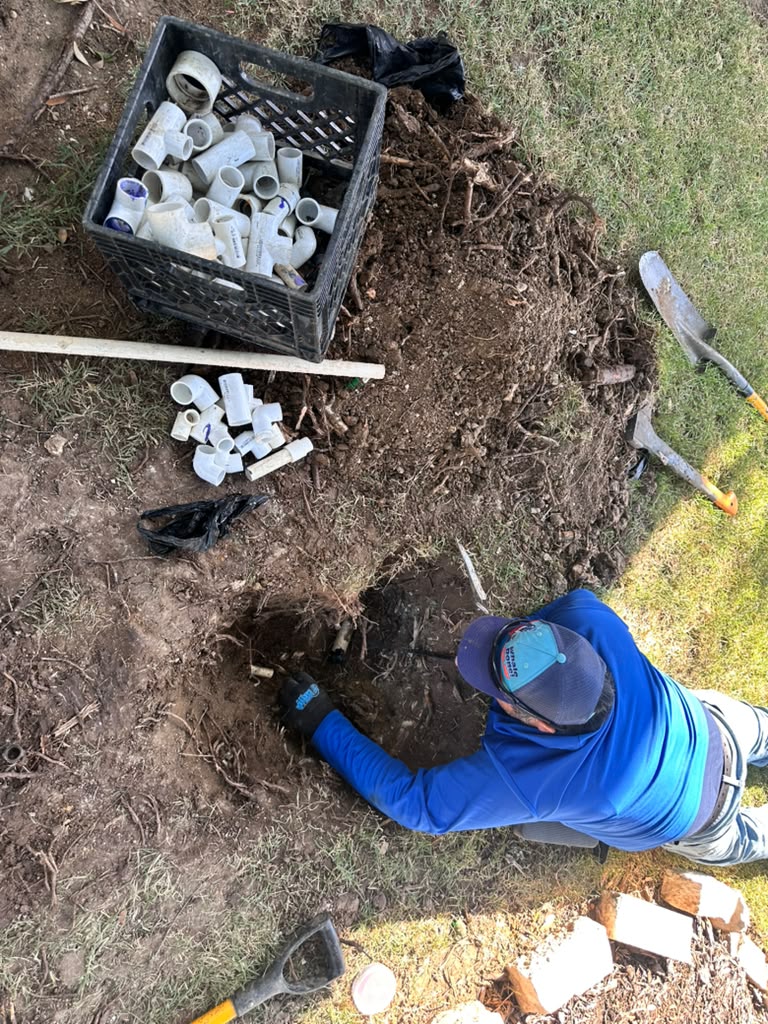
Because solenoids are relatively inexpensive compared to complete valve replacements, replacing a faulty solenoid often resolves irrigation issues.
For additional irrigation efficiency guidance, homeowners can explore educational materials from the Irrigation Association.
Can A Valve Cause Only Some Sprinkler Heads To Be Weak?
Yes.
A valve issue may affect only portions of a zone under certain conditions.
For example:
- Heads located farther from the valve may receive less pressure.
- Elevation changes can magnify pressure loss.
- Partial obstructions can create uneven flow distribution.
In these situations, some sprinkler heads may function normally while others appear weak.
This uneven performance often leads homeowners to replace sprinkler heads unnecessarily when the actual problem originates at the valve.
Repair Versus Replacement
Once a faulty valve has been identified, homeowners must determine whether repair or replacement is the better option.
When Repair Is Appropriate
Repair may be sufficient when:
- The diaphragm is damaged
- Debris is obstructing operation
- The solenoid has failed
- Minor internal parts require replacement
Repairs can often restore full functionality at a lower cost than complete replacement.
When Replacement Is Necessary
Replacement may be recommended when:
- Valve bodies are cracked
- Components are severely corroded
- Multiple internal parts have failed
- The valve has exceeded its expected lifespan
Installing a new valve often improves reliability and long-term performance.
Preventing Future Valve Problems
Routine maintenance can significantly reduce the likelihood of valve-related issues.
Recommended practices include:
Seasonal Inspections
Inspecting irrigation systems before peak watering season helps identify minor problems before they become major repairs.
Flushing Irrigation Lines
Periodic flushing removes sediment and debris that may accumulate inside valves and pipes.
Monitoring Water Pressure
Maintaining appropriate pressure levels helps prevent premature wear on irrigation components.
Professional System Evaluations
Comprehensive inspections can uncover hidden issues affecting system performance.
The WaterSense Irrigation Professionals Program highlights the value of regular irrigation assessments for maximizing efficiency and reducing water waste.
Why Prompt Repairs Matter
Ignoring weak sprinkler heads can create larger problems over time.
Consequences may include:
- Increased water waste
- Lawn stress
- Landscape damage
- Higher utility bills
- Costlier repairs
When valve issues are addressed promptly, homeowners can maintain efficient irrigation while protecting the health of their landscapes.
Early intervention also helps preserve sprinkler system components by preventing excessive strain caused by pressure imbalances and restricted flow.
The Importance Of Professional Diagnosis
Because multiple irrigation issues can produce similar symptoms, accurate diagnosis is essential.
Weak sprinkler heads may result from:
- Valve failures
- Underground leaks
- Pressure regulator problems
- Controller malfunctions
- Pipe obstructions
Professional irrigation specialists have the tools and expertise necessary to pinpoint the exact cause quickly.
Rather than replacing parts through trial and error, a systematic inspection identifies the true source of the problem and ensures effective repairs.
Conclusion
If you’re experiencing weak sprinkler heads in Wylie TX, a faulty sprinkler valve may be the underlying cause. Valves play a critical role in regulating water flow, and even minor issues can significantly reduce pressure, resulting in poor sprinkler performance, uneven coverage, and stressed landscapes. While other factors such as leaks, clogged nozzles, or pressure fluctuations can also contribute to weak irrigation zones, valve problems remain one of the most common causes.
For professional diagnosis and reliable irrigation solutions, contact Whale Done Sprinklers & Irrigation. Their experienced team can inspect your system, identify the root cause of weak sprinkler heads in Wylie TX, and recommend effective repairs to restore optimal performance.
Business Name: Whale Done Sprinklers & Irrigation
Phone: +1 (469) 384-7767
Email: clientsupport@callwhaledone.com