Yes. A sprinkler system evaluation in Little Elm TX can identify the specific sources of water waste in a system, such as leaks, overspray, outdated run times, and malfunctioning valves, that are difficult to spot without a full inspection. Many homeowners assume their system is working fine simply because the lawn looks green, but a system can waste thousands of gallons a month while still keeping grass alive. An evaluation checks each component individually rather than relying on how the yard happens to look on a given day.
At a Glance
- Difficulty: Easy for the homeowner; typically performed by a licensed sprinkler company
- Estimated Time: 30–60 minutes for a full-system evaluation
- Tools Needed: None for the homeowner; technicians use pressure gauges, flow meters, and visual inspection
- Works For: Leaks, overspray, valve issues, outdated schedules, uneven coverage
- May Not Solve: Water waste from indoor plumbing or non-irrigation sources
Why an Evaluation Catches What a Visual Check Misses
Most homeowners check their sprinkler system the same way: watch it run, see if the lawn is getting wet, and move on. That approach catches obvious problems, like a head that’s completely broken, but it misses a lot of what actually drives water waste.
A slow leak on a lateral line several inches underground won’t show up during a quick walk-through. Neither will a valve that’s slightly worn and not closing all the way, or a zone that’s been running two minutes longer than necessary since the day it was installed. These issues don’t look dramatic day to day, but they add up significantly over a full watering season, often by the time a homeowner is already asking questions about a higher-than-expected bill.
An evaluation is designed to catch exactly these kinds of issues by testing pressure, checking valve function, inspecting each zone individually, and reviewing the controller’s actual programmed settings rather than assuming they’re correct.
There’s also a compounding factor worth understanding: irrigation systems run repeatedly on a schedule, often multiple times a week for months at a time. A single inefficiency, whether it’s a leak, a misaligned head, or a run time that’s a few minutes too long, gets multiplied across dozens of cycles over a season. What looks like a minor issue in isolation can represent a meaningful amount of wasted water by the time cooler weather arrives.
Signs Your System May Be Wasting Water
A few indicators tend to show up before a homeowner connects them to the sprinkler system directly.
- A water bill that’s climbed without a clear change in habits
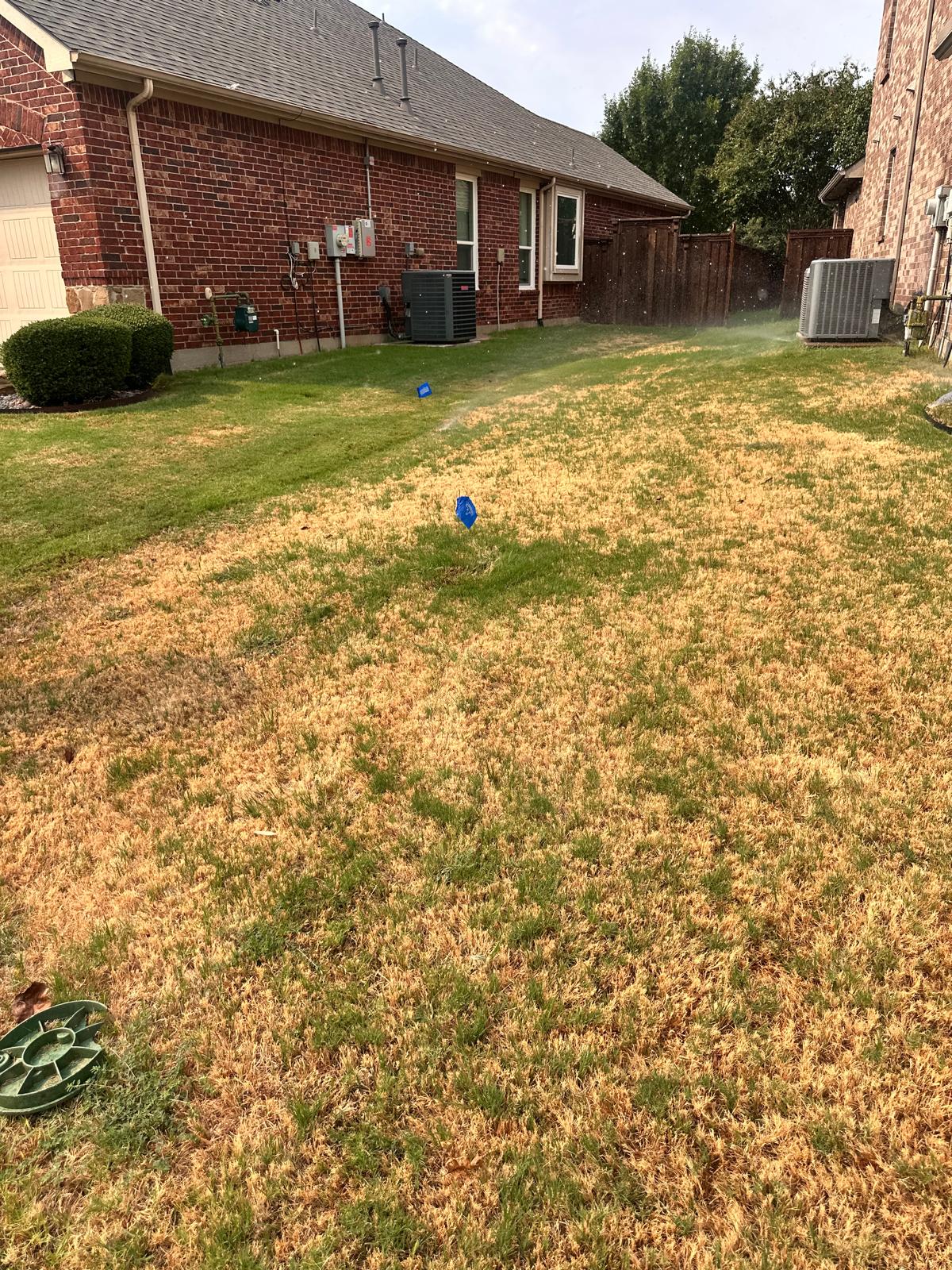
- Patchy or unevenly colored grass despite regular watering
- Runoff reaching the driveway, sidewalk, or street
- A system that hasn’t been adjusted or inspected since it was installed
- Zones that seem to run longer than necessary based on how quickly the ground gets saturated
None of these confirm a specific problem on their own, but together they’re a strong signal that a closer look is worthwhile.
What a Sprinkler System Evaluation in Little Elm TX Typically Includes
1. Zone-by-Zone Inspection
Each zone is run individually to check head condition, spray pattern, coverage, and any signs of leaking or pooling.
2. Water Pressure Test
Pressure that’s too high or too low affects nozzle performance across the entire system, sometimes causing misting, overspray, or weak coverage that isn’t obvious without a gauge.
3. Valve Function Check
Valves are opened and closed to confirm they seal completely. A valve that doesn’t fully close can waste water continuously, even when the system isn’t actively running.
4. Controller and Schedule Review
Run times, watering days, and seasonal adjustment settings are compared against the lawn’s actual needs, soil type, and local water restrictions.
5. Coverage and Overlap Check
Heads are checked to confirm they’re covering the intended area without significant gaps or excessive overlap, both of which waste water or leave patches under-watered.
6. Documentation of Findings
A summary of what was found, including any leaks, valve issues, or schedule changes recommended, is typically provided so the homeowner has a clear record of the system’s condition and what, if anything, needs attention.
Common Mistakes Homeowners Make
- Judging system health only by how the lawn looks. A green lawn can still mean significant water waste happening below the surface.
- Waiting for a high water bill before checking anything. By the time a bill reflects a problem, the waste has often been happening for weeks.
- Assuming a working system doesn’t need periodic review. Settings that were correct at installation often stop matching the yard as landscaping and seasons change.
- Only checking visible components. Valves, pressure levels, and controller programming are just as important as what’s visible above ground.
- Treating a working system as a finished project. Irrigation systems are mechanical and change over time; components wear, soil shifts, and landscaping matures around fixed hardware.
Local Considerations for Little Elm, TX
A few local factors make a sprinkler system evaluation particularly useful in this area.
- Clay soil hides underground leaks well, since water is absorbed slowly and rarely surfaces the way it would in sandy soil.
- Water restrictions set by the Town of Little Elm limit watering days and times, making it more important that every scheduled cycle is actually efficient.
- Lake-adjacent humidity and heat during summer months can mask overwatering, since the lawn may look fine even when it’s receiving more water than it needs.
- Newer developments, common throughout Little Elm, often have systems installed within the past several years that haven’t yet been reevaluated as landscaping has matured.
- Seasonal temperature swings mean a schedule set correctly for summer can significantly over water the lawn once cooler months arrive, if it’s never adjusted.
- Sloped or uneven lots in some parts of Little Elm can cause runoff on one section of a zone while another section stays underwater, something a general walk-through often misses but a zone-by-zone evaluation catches.
Related Problems an Evaluation Can Uncover
A full evaluation often reveals issues that look unrelated to water waste at first glance but are directly connected to it:
- Underground leaks that increase usage without any visible sign in the yard
- Overspray onto driveways, sidewalks, or fencing that wastes water without benefiting the lawn
- Valve issues that let water trickle through a zone even when it’s not scheduled to run
- Controller settings left unchanged since installation, regardless of how the yard or seasons have changed
Because these issues often overlap, addressing water waste effectively usually means looking at the system as a whole rather than fixing one component in isolation. A homeowner who patches a single overspraying head, for example, may still see a high bill the following month if an unrelated valve issue was never identified in the same visit.
Frequently Asked Questions
- How do I know if I actually need a sprinkler system evaluation?
A noticeably higher water bill, patchy or uneven lawn areas, or a system that’s more than a few years old without ever being reviewed are all good reasons to consider one.
- Will an evaluation tell me if I have a leak I can’t see?
Yes, that’s one of its main purposes. Pressure testing and zone-by-zone inspection are specifically designed to catch leaks that aren’t visible from the surface.
- Is a sprinkler system evaluation the same as a repair?
No. An evaluation identifies issues and reports findings; any repairs identified during the process are typically a separate step the homeowner decides on afterward.
- How often should a sprinkler system be evaluated?
Many licensed sprinkler companies recommend a check once a year, often in spring before peak watering season begins, though a system showing signs of a problem should be checked sooner.
- Can I do a basic version of this myself before calling anyone?
You can check for obvious issues like broken heads, visible leaks, and unusually high bills yourself. Pressure testing and valve function checks, however, typically require equipment most homeowners don’t have on hand, so a full evaluation still tends to catch problems a homeowner’s own check would miss.
Bottom Line
A sprinkler system evaluation in Little Elm TX can uncover the specific, often invisible sources of water waste, such as leaks, valve issues, and outdated schedules, that a simple visual check tends to miss. For homeowners noticing a high water bill or an aging system that’s never been reviewed, an evaluation is generally the fastest way to find out exactly where the waste is coming from.
Next Step
If your water bill has climbed without explanation, or your system hasn’t been checked since installation, a licensed sprinkler company can perform a full evaluation to identify the cause. This is especially useful for uncovering underground leaks or valve issues that wouldn’t be visible during a routine walk-through of the yard.
Related Resources
- Can a Small Sprinkler Leak Increase My Water Bill?
- How Can I Stop Sprinkler Overspray in Frisco, TX?
- Is My Sprinkler System Running Too Long in Lucas, TX?
- Signs of a Broken Sprinkler Valve
- Understanding Your Irrigation Controller Settings
Conclusion
A sprinkler system evaluation in Little Elm TX is one of the most reliable ways to find water waste that a simple glance at the lawn won’t reveal. If your bill has crept up or your system hasn’t been reviewed in years, a licensed sprinkler company can pinpoint exactly what’s causing it and outline your options from there.