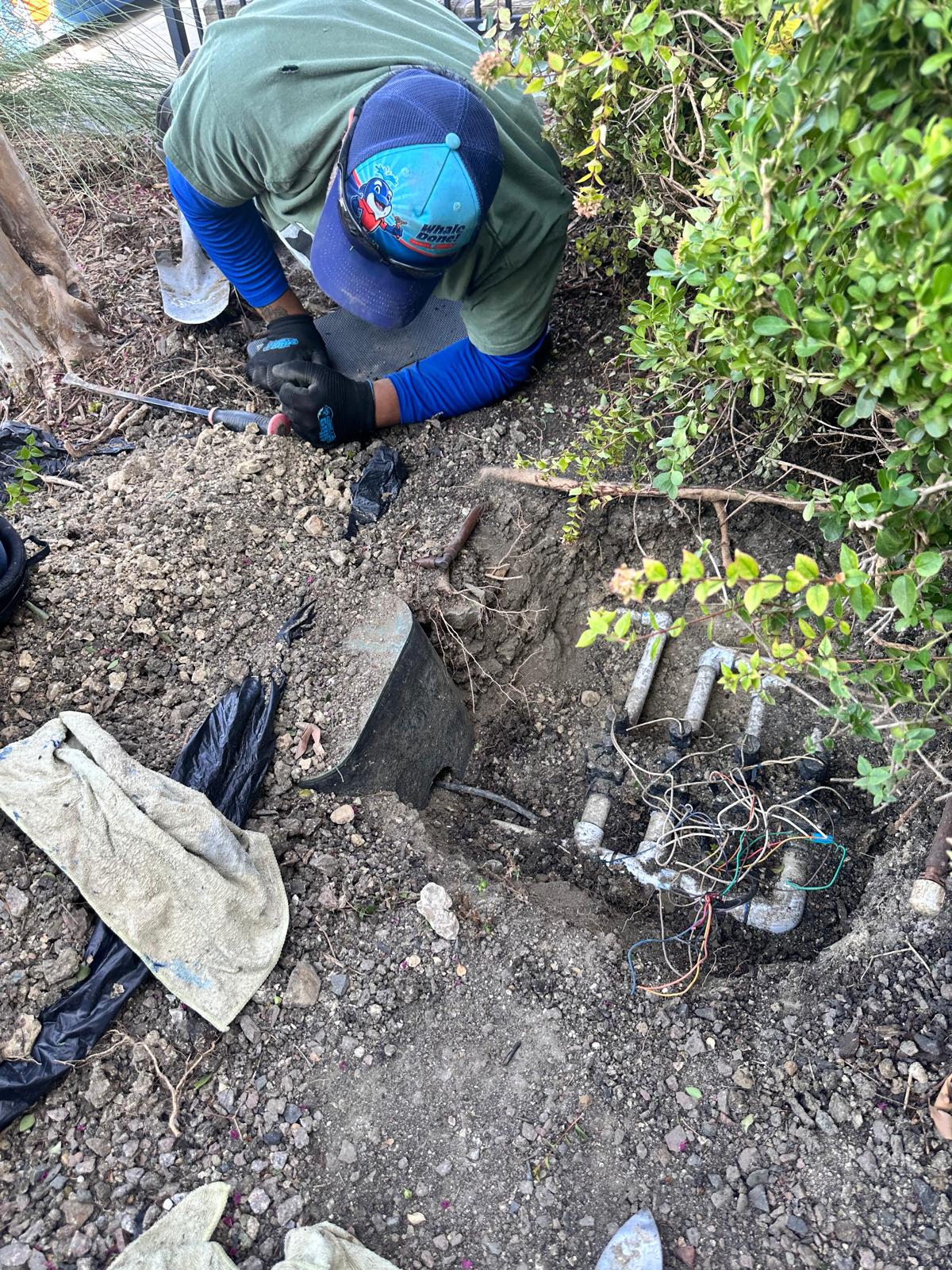
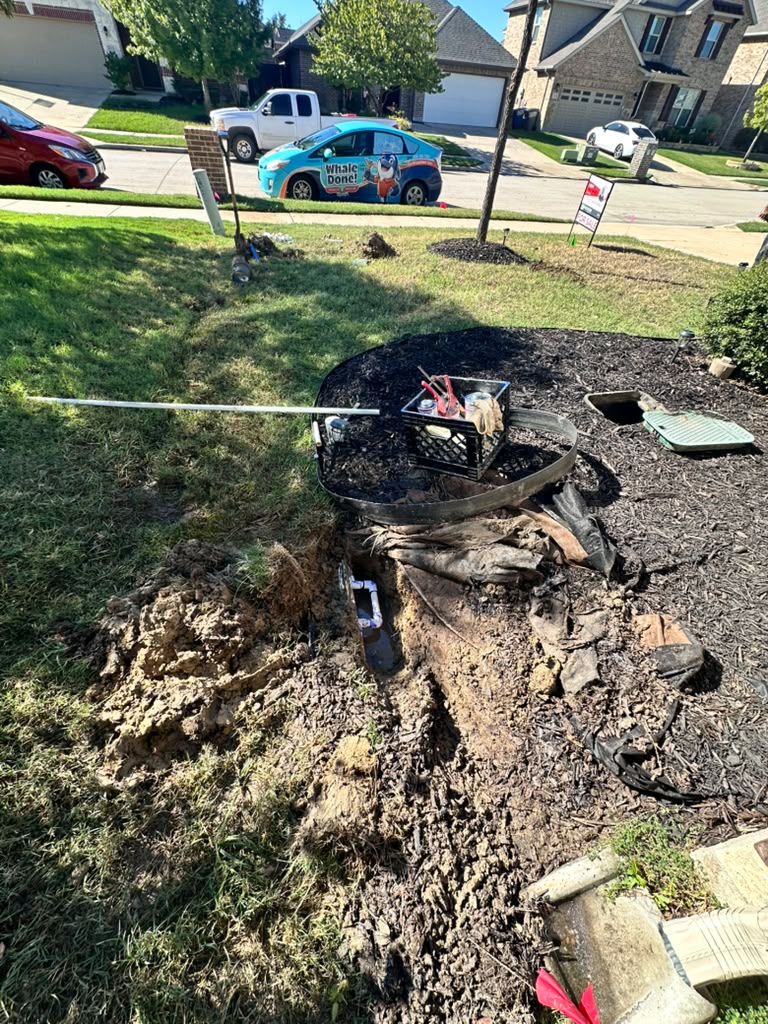
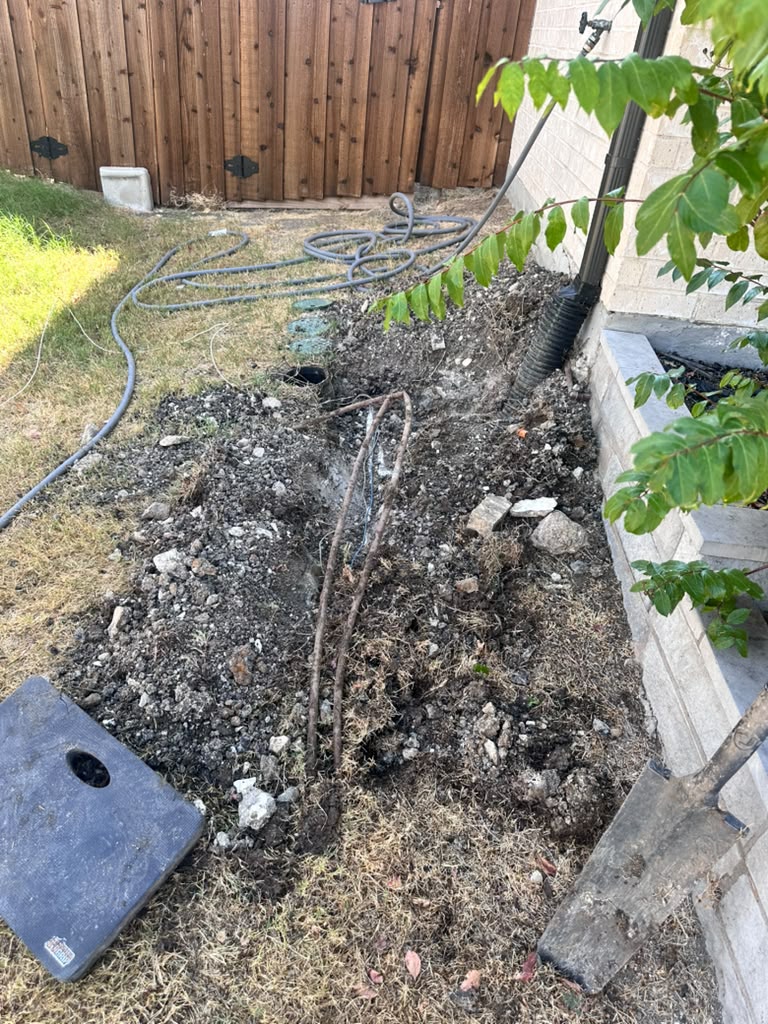
For sprinkler freeze protection Anna TX homeowners should recheck three things before a freeze: the current protection status, the automatic schedule, and any exposed components. Confirm the irrigation water supply is still shut off, make sure the controller won’t run during freezing weather, and look at the backflow preventer and exposed pipes for gaps in insulation or damage.
Preparation done weeks ago can change. Wind, yard work, or a landscaper adjusting settings can undo it. A quick recheck with a current local forecast takes about 15 minutes.
At a Glance
| Difficulty | Easy. A visual check and a few controller settings |
| Estimated Time | 15 minutes |
| Tools Needed | Flashlight, phone for photos, your controller manual if you have it |
| Works For | Confirming earlier freeze preparation is still in place |
| May Not Solve | Existing leaks, worn valves, or damage that happened before the recheck |
Why a Second Check Matters
Freeze protection is not a one-time task. Weather conditions and system settings can change between your initial winter preparations and the night freezing temperatures arrive. Even if everything was properly secured earlier, small changes can leave important irrigation components exposed to potential damage.
Insulation covers may slip off during strong winds, leaving pipes or backflow preventers vulnerable to freezing. Sprinkler controllers might reset after power outages, accidentally restoring watering schedules. Someone may also open a valve to water newly installed sod or landscaping and forget to close it afterward. These situations can happen without homeowners noticing until temperatures drop.
Performing a quick recheck before an expected freeze helps identify these problems early. Inspect exposed pipes, confirm insulation is secure, review controller settings, and make sure valves are properly positioned. Taking a few extra minutes to verify these details can help reduce the risk of frozen components and costly repairs.
Your Recheck Checklist for Sprinkler Freeze Protection Anna TX
Work through the list in order. Each step builds on the one before it.
- Current protection status
- Automatic schedule and controller settings
- Exposed components
- Current local forecast
- Guidance specific to your system
You do not need technical knowledge. You are looking for anything that has changed.
Step 1: Confirm Your Current Protection Status
Start with what has already been done. Think back to the last time the system was shut off or serviced.
Ask yourself:
- Is the irrigation shutoff valve still closed?
- Was the backflow preventer covered or insulated?
- Has anyone run the system since then?
- Did a company winterize it, or did you do a basic shutoff?
If you are not sure, look at the shutoff valve and the backflow preventer first. A valve that was closed in November can be reopened by accident in December.
Systems are set up differently. Some have drain points and some do not. A licensed sprinkler company can tell you what protection your system needs.
Step 2: Check the Automatic Schedule
An automatic schedule can start a zone at 5 a.m. on a freezing morning. That puts fresh water into pipes at the worst time.
Look at your controller and confirm:
- The system is set to off or rain mode
- No zones are set to run overnight or early morning
- The date and time are correct
- Any backup battery is working
Smart controllers and apps can change settings after software updates. Open the app and verify the schedule is still paused.
A rain or freeze sensor is not a substitute for a recheck. Sensors can fail, and they only pause watering. They do not remove water from the pipes.
Step 3: Inspect Exposed Components
The parts above ground are the most vulnerable. A quick walk around the yard will show most of them.
What to Look For
- Backflow preventer: Check that any cover or insulation is snug and dry. Look for cracks, drips, or signs of water on the device.
- Exposed pipes: Look at any pipe running along the house or fence.
- Valve boxes: Lift the lid if it is easy to do. Look for standing water, cracks, or debris.
- Hose bibs near the system: Disconnect hoses and check that nothing is dripping.
- Controller outdoors: If it sits on an outside wall, make sure the cover closes.
Take photos of anything unusual. They help if you later call a technician.
Step 4: Check the Current Local Forecast
A forecast tells you how much time you have. It also helps you decide how closely to check.
The National Weather Service Fort Worth office publishes current forecasts and freeze warnings for North Texas. Look at the overnight low, how long temperatures stay below freezing, and the wind forecast.
A brief dip to 31 degrees is different from several hours below 25. Wind can make exposed parts colder than the air temperature suggests. Recheck again if the forecast changes.
Step 5: Follow Guidance for Your System
Every system is built differently, and the right steps depend on yours. A system with an above-ground backflow preventer needs different attention than one with a buried device.
Drain points, drip zones, and pipe layout all matter. General checklists are a good start, but they cannot replace an assessment of your property.
Many licensed companies will review your setup and explain what applies. Some homeowners choose to keep a note of that guidance near the controller.
Common Mistakes Homeowners Make
Most freeze problems come from small oversights. Here are the ones that come up often.
- Assuming earlier preparation is still in place: Things change.
- Leaving the schedule active: A morning run can put water in cold pipes.
- Relying on the timer alone: A timer does not remove water from the lines.
- Skipping the backflow preventer: It is exposed in many systems.
- Checking only the air temperature: Wind and duration matter too.
- Waiting until the warning is issued: Schedules fill quickly when cold weather is forecast.
Local Considerations for Anna and North Texas
North Texas winters can swing from mild to freezing within a day. Local conditions affect how a system holds up.
- Clay soil: It swells and shrinks, which can stress pipes, fittings, and valve boxes.
- Heat: A long, hot summer can leave parts worn before winter starts.
- Wind: Cold wind can chill exposed devices faster than the air temperature suggests.
- Seasonal watering: Lawns need far less water in winter, so pausing the system is often reasonable.
- Water restrictions: Check with the city or your water provider for current rules.
- Foundation movement: Shifting soil near the house can strain nearby lines.
The Texas A&M AgriLife Extension offers helpful guidance on lawn and landscape care during Texas winters.
Related Problems to Watch For
Sometimes what looks like a freeze issue is something else. If you notice any of these, the cause may be different.
- Low water pressure: May point to a partly closed valve or a leak.
- A zone that won’t shut off: Often a valve problem.
- Wet spots in the yard: Could be a broken pipe or head.
- Water running at the backflow preventer: May be a worn or cracked device.
If you suspect a leak, read our guide on finding an underground sprinkler leak. For zones that won’t behave, see our article on sprinkler valve problems. To learn more about the device most exposed to cold, see our backflow preventer basics.
Frequently Asked Questions
How soon before a freeze should I recheck my sprinkler system?
Ideally a day or two ahead, and again if the forecast changes. That leaves time to fix a problem or call a licensed company.
Is turning off the controller enough for freeze protection?
No. It only stops scheduled watering. Water can still sit in the pipes, valves, and backflow preventer.
What part of my sprinkler system freezes first?
Usually the parts above ground, especially the backflow preventer and exposed pipes. Buried lines get some protection from the soil.
Should I cover my backflow preventer?
Many homeowners do, and it is often part of freeze protection. The right type of cover depends on your device, so ask a licensed company if you are unsure.
What should I do if I find a leak during my recheck?
Note where it is, take photos, and shut off the irrigation water if you can do so safely. A licensed company can then assess the repair.
Next Step and Bottom Line
Sprinkler freeze protection Anna TX doesn’t end after the first round of preparation. Recheck your protection status, automatic schedule, and exposed parts before each freeze, and use a current forecast to time it. Your system’s setup determines what steps apply. If you’re unsure, a licensed sprinkler company can review your system and explain the options. Whale Done is happy to answer questions or schedule a visit, and our goal is to educate first. Rechecking takes minutes and can prevent costly damage.