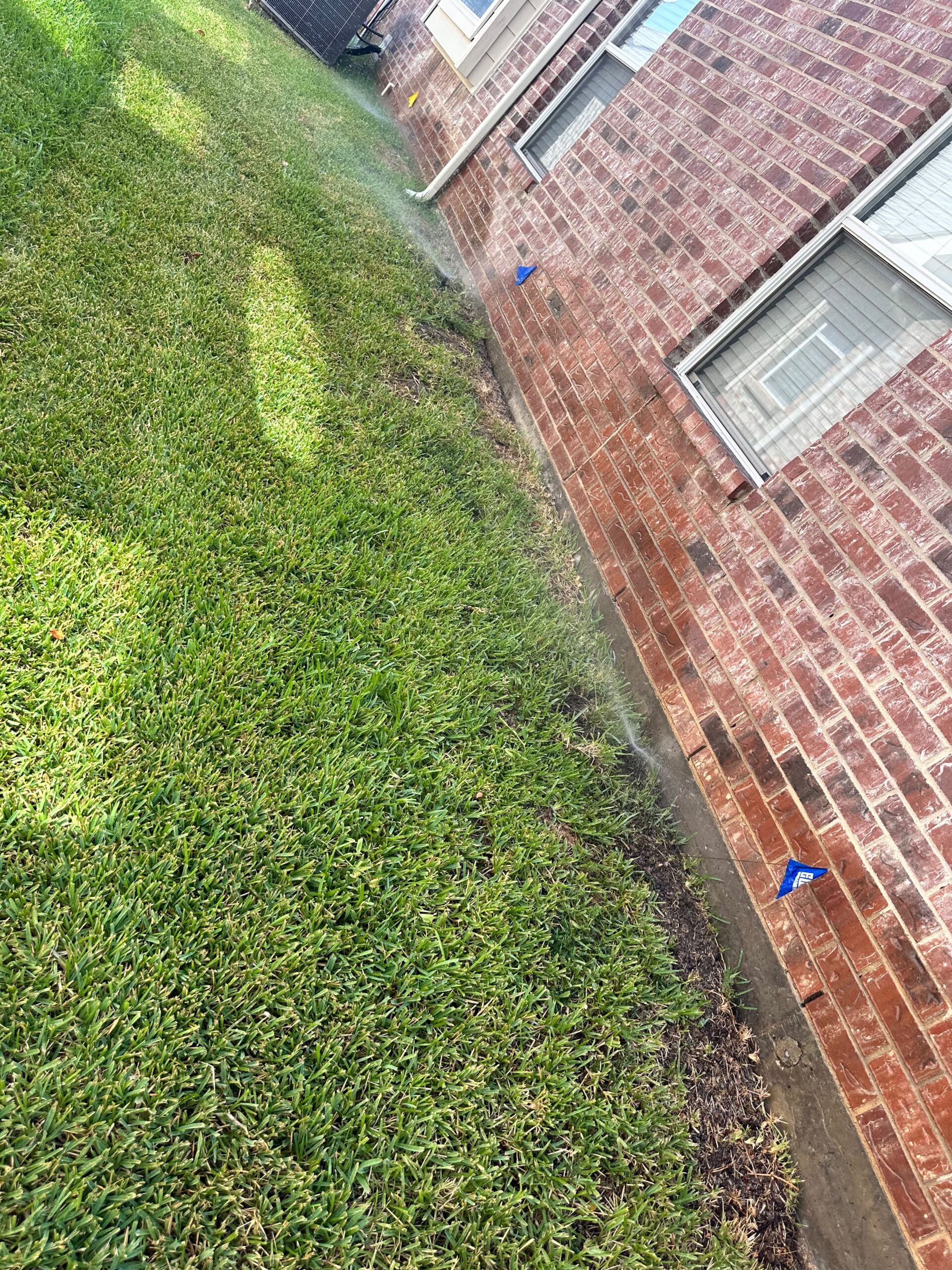
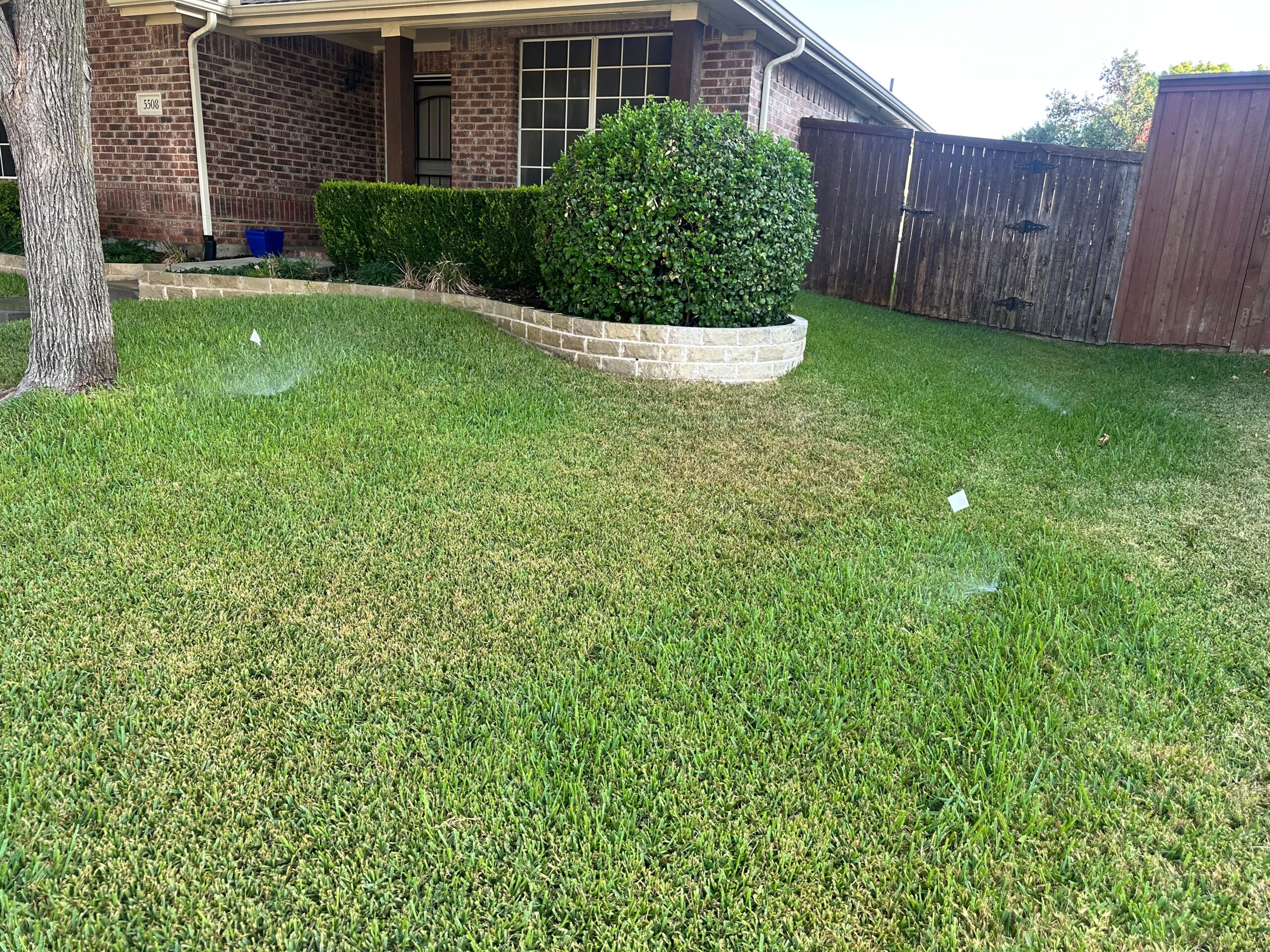
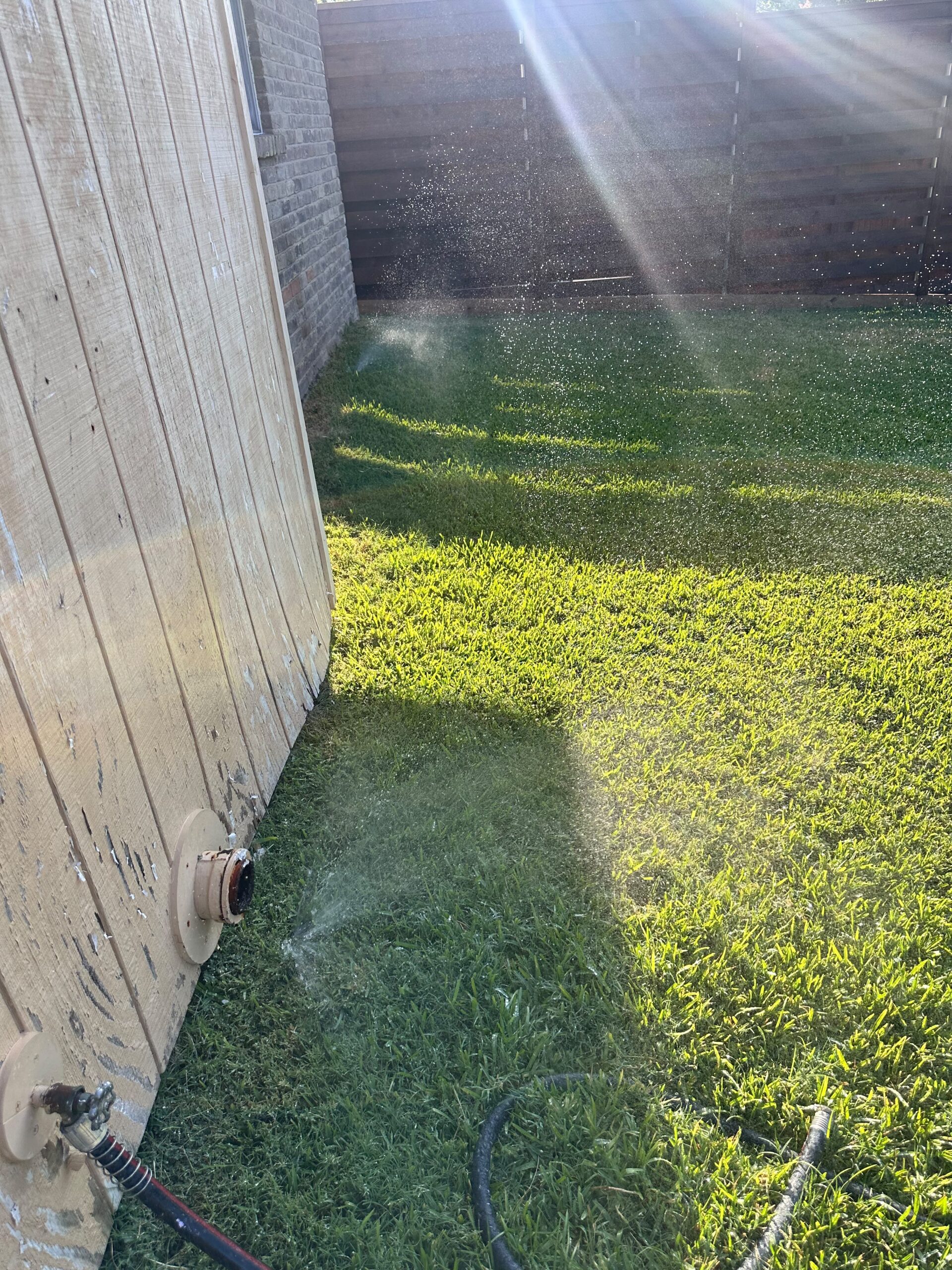
An underground sprinkler leak in Little Elm TX can develop silently beneath your lawn, wasting water, increasing utility costs, and damaging your landscape before the problem becomes obvious. Because underground irrigation components are hidden from view, homeowners often overlook the early warning signs until significant damage occurs. Understanding what to watch for can help you address issues quickly, reduce repair expenses, and maintain a healthy irrigation system.
Little Elm homeowners rely heavily on sprinkler systems to keep landscapes green and attractive throughout the year. However, aging pipes, shifting soil, root intrusion, and pressure fluctuations can all contribute to underground leaks. Recognizing the first indicators of a problem can save both water and money while protecting your property from unnecessary damage.
Why Underground Sprinkler Leaks Are Difficult To Detect
Unlike broken sprinkler heads that visibly spray water, underground leaks occur beneath the soil surface. Water may seep slowly or continuously, making it challenging to identify the exact location of the issue.
Many homeowners assume that a greener patch of grass or a slight increase in water usage is simply a result of seasonal changes. Unfortunately, these subtle signs often indicate a leak developing underground. Without prompt attention, even a minor leak can escalate into a major irrigation system failure.
According to the EPA WaterSense program, irrigation leaks can waste substantial amounts of water annually, contributing to higher utility bills and unnecessary resource consumption.
Unexplained Increase In Water Bills
One of the earliest and most noticeable signs of an underground sprinkler leak is an unexpected rise in your water bill.
If your watering schedule remains consistent but your monthly utility charges increase significantly, there may be water escaping somewhere within the irrigation system. Even a small leak can waste hundreds or thousands of gallons over time.
Homeowners should regularly compare water bills month to month and investigate unusual spikes. Monitoring water consumption can help identify hidden issues before they become severe.
Questions To Ask
- Has your irrigation schedule changed recently?
- Have utility costs increased without explanation?
- Is water usage higher despite similar weather conditions?
If the answer is yes, a leak may be present beneath the surface.
Soggy Or Saturated Areas In The Lawn
A healthy lawn should absorb water evenly. When underground sprinkler pipes leak, excess water accumulates in specific locations, creating persistently wet areas.
You may notice:
- Soft ground when walking
- Muddy patches days after irrigation
- Standing water in isolated spots
- Soil erosion near sprinkler zones
These symptoms often indicate that water is escaping underground rather than reaching sprinkler heads as intended.
While occasional wet areas can result from heavy rainfall, persistent saturation during dry weather is a strong indicator of an irrigation leak.
Unusually Green Or Fast-Growing Grass
Although lush green grass is usually desirable, localized areas of exceptionally vibrant growth can signal trouble.
When a pipe leaks underground, the surrounding soil receives a constant supply of water. As a result, grass in that area may appear:
- Darker green
- Thicker than surrounding turf
- Faster growing
- More resistant to drought
These differences often stand out against the rest of the lawn and can help identify the approximate location of a hidden leak.
The University of Minnesota Extension notes that uneven turf growth frequently points to irrigation distribution problems that warrant inspection.
Reduced Water Pressure In Sprinkler Zones
A leak allows water to escape before reaching sprinkler heads. This often results in reduced pressure throughout the affected irrigation zone.
Common signs include:
- Weak spray patterns
- Incomplete coverage
- Sprinkler heads failing to pop up fully
- Uneven watering
When pressure drops unexpectedly, homeowners should investigate the possibility of a damaged underground pipe.
Pressure issues can also indicate valve problems or clogged components, making professional diagnosis valuable for determining the exact cause.
Cracks In Pavement Or Hardscapes
Water leaking beneath driveways, sidewalks, patios, or walkways can gradually weaken the soil supporting these structures.
Over time, homeowners may notice:
- Small cracks in concrete
- Shifting pavers
- Uneven walkways
- Sunken sections of pavement
These structural changes can develop when underground water continuously erodes soil beneath hardscape surfaces.
Addressing irrigation leaks promptly helps prevent costly repairs beyond the sprinkler system itself.
Low Spots Developing In The Yard
Underground leaks can slowly wash away soil particles, creating voids beneath the surface.
As the soil shifts, the lawn may develop:
- Depressions
- Sinkholes
- Uneven grading
- Sunken patches
These changes often occur gradually, making them easy to overlook until they become significant.
If portions of the yard appear to be settling without explanation, an underground irrigation leak may be responsible.
Water Meter Activity When No Water Is Being Used
Your water meter can provide valuable clues about hidden leaks.
To perform a basic test:
- Turn off all water fixtures inside and outside the home.
- Ensure no appliances are using water.
- Check the water meter.
- Wait 30 minutes.
- Check the meter again.
If the meter continues moving despite no active water use, water may be escaping somewhere within the system.
This simple test can help homeowners determine whether further investigation is necessary.
The American Water Works Association recommends regular monitoring of water usage patterns to identify hidden leaks early.
Soil Erosion Around Sprinkler Components
Leaking underground sprinkler pipes can gradually disturb the surrounding soil and create noticeable changes throughout your landscape. As water escapes beneath the surface, it often carries soil particles away, leading to erosion and instability in affected areas. Homeowners may notice exposed sprinkler lines, washed-out sections of the lawn, gaps forming around sprinkler heads, or soil displacement near valves and irrigation components.
These signs can develop slowly over time and are often overlooked until the damage becomes more severe. Paying attention to these visible changes is important, as they frequently indicate an underground irrigation issue that requires prompt inspection and repair.
Foul Odors Or Excess Moisture Near Foundations
In severe cases, underground irrigation leaks can affect areas near the home’s foundation.
Excess moisture can create conditions that encourage:
- Mold growth
- Mildew development
- Musty odors
- Foundation instability
Although not every leak reaches this stage, ongoing moisture around the property should never be ignored.
Protecting the structural integrity of the home requires prompt investigation of unexplained dampness.
Common Causes Of Underground Sprinkler Leaks
Understanding why leaks occur can help homeowners take preventative measures.
Aging Pipes
Over time, irrigation pipes naturally wear down due to constant water flow, changing temperatures, and environmental conditions. This gradual deterioration can cause cracks, fractures, and weakened joints that allow water to leak underground.
Tree Root Intrusion
Tree roots naturally seek out moisture sources and can grow toward irrigation lines. As roots expand, they may penetrate pipes, causing leaks, blockages, restricted water flow, and significant damage to the system.
Soil Movement
Seasonal weather changes cause soil to expand during wet periods and contract during dry conditions. This ongoing movement places stress on buried irrigation pipes, increasing the risk of cracks, separation, and leaks.
Improper Installation
Poor installation practices can create long-term problems for irrigation systems. Weak pipe connections, improper alignment, inadequate support, or incorrect materials may increase the likelihood of underground leaks developing over time.
Excessive Water Pressure
Water pressure that exceeds recommended levels can place significant strain on irrigation components. Over time, this stress may weaken pipes, fittings, and valves, increasing the chances of leaks or failures.
The Irrigation Association emphasizes proper system design and maintenance to reduce the risk of underground leaks.
Why Early Detection Matters
Ignoring an underground leak can lead to a variety of costly consequences.
- Water Waste: Even minor leaks can waste substantial amounts of water over time.
- Higher Utility Bills: Continuous water loss directly increases monthly expenses.
- Landscape Damage: Excess moisture can drown plant roots and encourage disease.
- Structural Problems: Leaks near foundations or hardscapes can compromise stability.
- Increased Repair Costs: Small leaks are typically less expensive to repair than extensive pipe failures.
By identifying issues early, homeowners can avoid many of these complications.
Professional Leak Detection Methods
Modern leak detection technology allows professionals to locate underground leaks with minimal disruption.
Common methods include:
Acoustic Detection
Specialized equipment listens for the sound of water escaping from pipes.
Pressure Testing
Technicians evaluate system pressure to identify abnormalities.
Zone Isolation
Individual irrigation zones are tested separately to narrow down leak locations.
Moisture Detection
Advanced tools help locate excessive soil moisture beneath the surface.
These techniques improve accuracy while reducing unnecessary digging.
Preventing Future Underground Sprinkler Leaks
Routine maintenance remains one of the best ways to prevent irrigation problems.
Homeowners should:
- Schedule periodic sprinkler inspections
- Monitor water bills regularly
- Check sprinkler performance frequently
- Address pressure issues promptly
- Replace aging components as needed
- Keep tree roots away from irrigation lines
Preventative care helps extend system lifespan while improving efficiency.
When To Schedule An Inspection
If you observe any combination of the warning signs discussed above, scheduling a professional inspection is a wise decision.
Consider an inspection when:
- Water bills suddenly increase
- Wet spots persist
- Grass grows unevenly
- Sprinkler pressure declines
- Soil begins shifting
Prompt evaluation can identify hidden issues before they cause extensive damage.
Conclusion
An Underground Sprinkler Leak In Little Elm TX often begins with subtle warning signs such as higher water bills, soggy areas, unusually green grass, reduced sprinkler pressure, and soil erosion. Recognizing these early indicators allows homeowners to address problems before they escalate into costly repairs, landscape damage, or excessive water waste. Regular inspections and proactive maintenance remain essential for keeping irrigation systems operating efficiently.
If you suspect an Underground Sprinkler Leak In Little Elm TX, contact Whale Done Sprinklers & Irrigation for professional assistance. Their experienced team can help identify hidden leaks, protect your landscape, and improve irrigation performance. For more information, call +1(469) 384-7767 or email clientsupport@callwhaledone.com.