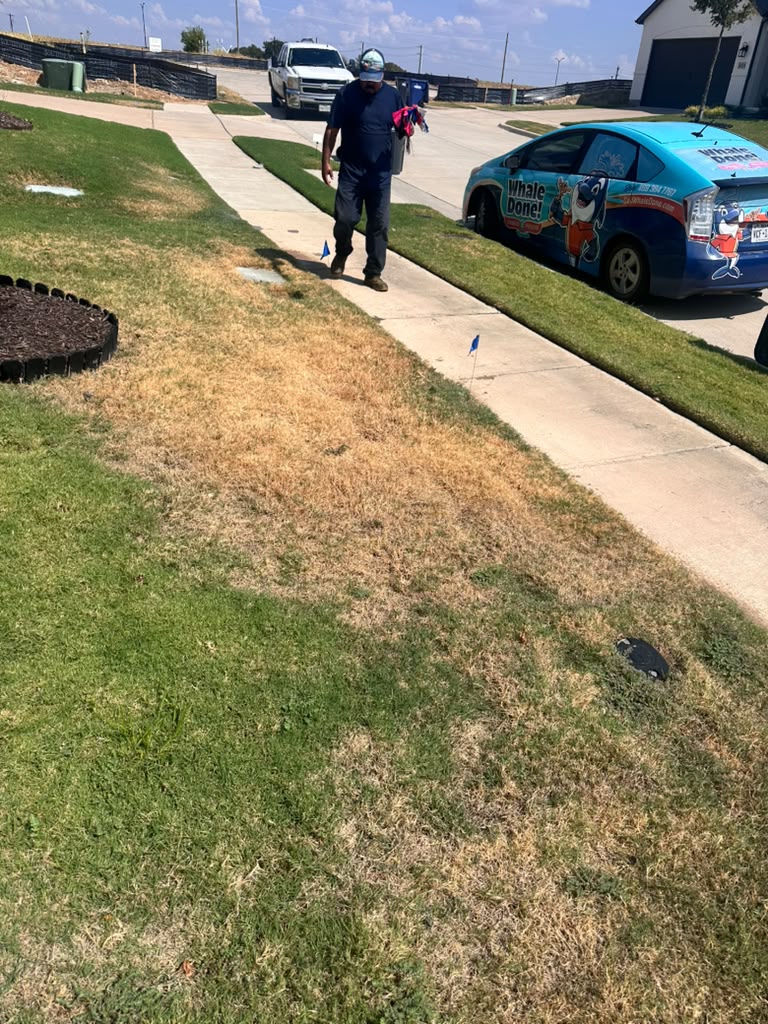
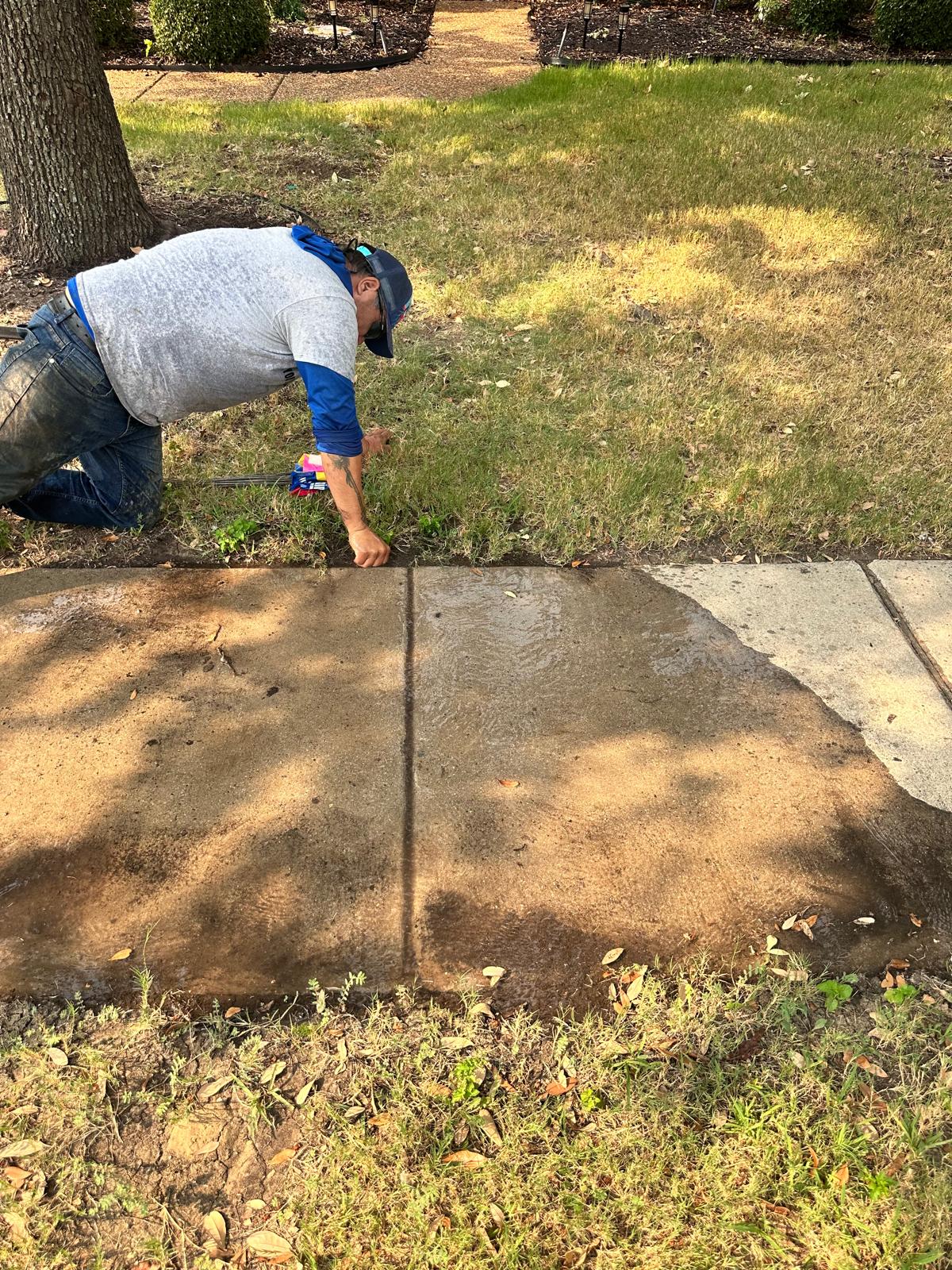
Irrigation system leaks in Allen TX can quickly become a costly problem if they are not identified and addressed early. Whether the leak is visible on the surface or hidden underground, it can lead to water waste, higher utility bills, landscape damage, and unnecessary strain on your irrigation equipment. Homeowners and property managers in Allen rely on irrigation systems to keep lawns, gardens, and landscapes healthy throughout the year, making proper maintenance essential.
Understanding what causes irrigation leaks, how to recognize the warning signs, and the best steps to take when a leak occurs can help prevent larger and more expensive repairs in the future. This guide explores everything you need to know about handling irrigation system leaks and maintaining a reliable watering system for your property.
Why Irrigation Leaks Should Never Be Ignored
Many property owners assume a small leak is not a serious issue. However, even a minor leak can waste hundreds or thousands of gallons of water over time. As water continuously escapes from damaged pipes, sprinkler heads, or fittings, it can create long-term issues that affect both your landscape and your budget.
Ignoring irrigation leaks may result in:
- Increased monthly water bills
- Soil erosion around landscaped areas
- Uneven watering patterns
- Damage to plant roots
- Reduced irrigation efficiency
- Foundation moisture concerns
- Premature wear on irrigation components
The sooner a leak is identified and repaired, the lower the risk of extensive property damage.
Common Causes of Irrigation System Leaks
Understanding the root cause of a leak is the first step toward an effective repair.
Damaged Underground Pipes
Underground irrigation pipes can crack due to soil movement, heavy equipment, aging materials, or accidental digging. Allen’s seasonal weather changes may also contribute to shifting soil conditions that place pressure on buried irrigation lines.
Broken Sprinkler Heads
Sprinkler heads are among the most exposed components of an irrigation system. Lawn equipment, foot traffic, vehicles, and environmental factors can damage them over time, causing water to spray incorrectly or leak continuously.
For more information about efficient irrigation practices, visit the WaterSense Program.
Faulty Valves
Valves control the flow of water throughout the irrigation system. When a valve becomes worn, clogged, or damaged, it may fail to shut off properly, resulting in continuous water flow and leaks.
Loose Fittings and Connections
Connections between pipes, valves, and sprinkler heads may loosen due to vibration, pressure changes, or normal aging. Small gaps in these connections often lead to gradual water loss.
Excessive Water Pressure
High water pressure can place stress on irrigation components, increasing the likelihood of leaks, cracks, and equipment failure.
Signs You May Have an Irrigation Leak
Some irrigation leaks are obvious, while others remain hidden underground for weeks or months. Recognizing the warning signs early can help minimize damage.
- Unusually High Water Bills: A sudden increase in water usage without changes in irrigation schedules often indicates a leak somewhere within the system.
- Wet or Soggy Areas: Persistent wet spots in the lawn, especially during dry weather, may suggest a leaking underground pipe.
- Reduced Water Pressure: If sprinkler heads are not spraying as effectively as they once did, a leak may be reducing water pressure throughout the system.
- Water Pooling Around Sprinkler Heads: Pooling water near sprinkler heads may indicate a cracked housing, damaged seal, or improper installation.
- Uneven Lawn Growth: Areas receiving excessive water may appear greener, while nearby sections may become dry and stressed due to reduced water distribution.
- Erosion Near Landscape Features: Leaking water can gradually wash away soil around flower beds, pathways, and landscaping structures.
Property owners can learn more about water conservation techniques through the Texas A&M AgriLife Extension Service.
Immediate Steps to Take When You Discover a Leak
When you notice signs of irrigation system leaks, taking prompt action can prevent further damage.
Turn Off the Irrigation System
The first step is to stop water flow. Shutting down the irrigation controller and main water supply helps prevent additional water loss until repairs can be made.
Inspect the Area
Carefully examine the affected zone for visible damage. Look for broken sprinkler heads, pooling water, cracked fittings, or exposed pipes.
Document the Problem
Taking photos of visible leaks can help track the issue and provide useful information during repairs.
Avoid Temporary DIY Fixes
While temporary repairs may seem convenient, they often fail to address the underlying problem. Proper diagnosis is essential to ensure a lasting solution.
Monitor Water Usage
Keep an eye on your water meter and utility bills after repairs to verify that the issue has been resolved.
How Professionals Detect Hidden Irrigation Leaks
Some leaks are difficult to locate because they occur underground or within concealed sections of the irrigation network.
Professional technicians may use several methods, including:
- Pressure Testing: Pressure testing helps identify sections of the system experiencing abnormal water loss.
- Zone Isolation: Each irrigation zone can be tested individually to pinpoint the location of the leak.
- Visual Inspection: Technicians inspect sprinkler heads, valves, fittings, and visible piping for signs of wear and damage.
- Moisture Detection: Specialized moisture detection equipment can identify underground leaks without extensive excavation.
The Irrigation Association offers educational resources related to irrigation system management and efficiency.
Repair Options for Irrigation System Leaks
The best repair solution depends on the type and severity of the leak.
Pipe Replacement
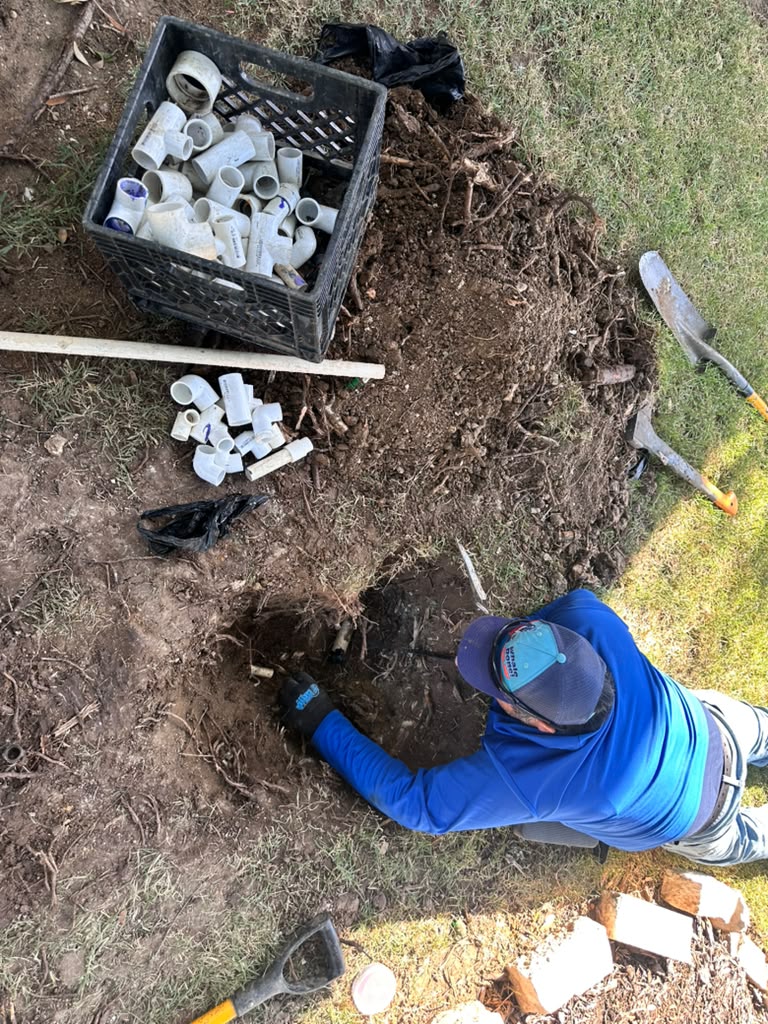
Cracked, collapsed, or broken pipe sections can significantly affect irrigation system performance and lead to ongoing water loss. In many cases, damaged areas must be carefully excavated and replaced with new piping. This repair restores proper water flow, improves efficiency, and helps prevent future leaks.
Sprinkler Head Repair
Damaged sprinkler heads are a common source of irrigation leaks and uneven watering. Cracks, clogs, or worn components can reduce performance and waste water. Replacing or repairing faulty sprinkler heads is often a quick solution that restores proper coverage and improves overall system efficiency.
Valve Replacement
Irrigation valves control the flow of water to different zones within the system. When valves become worn, stuck, or damaged, they may leak or fail to operate correctly. Replacing malfunctioning valves helps restore reliable performance, improve water management, and prevent unnecessary water waste.
Fitting and Connector Repairs
Loose, cracked, or damaged fittings and connectors can allow water to escape from irrigation systems, reducing efficiency and increasing utility costs. These components can often be repaired or replaced without extensive excavation. Prompt attention helps maintain proper water pressure and ensures dependable system operation.
Pressure Regulation
Excessive water pressure can place unnecessary stress on pipes, fittings, valves, and sprinkler heads, increasing the risk of leaks and premature wear. Installing pressure-regulating devices helps maintain safe operating levels, improves irrigation efficiency, extends component lifespan, and reduces the likelihood of future system failures.
The Impact of Irrigation Leaks on Your Landscape
Water leaks do more than waste water. They can significantly affect landscape health.
- Root Damage: Excessive moisture around plant roots may lead to oxygen deprivation and root rot.
- Weed Growth: Constant moisture creates ideal conditions for weeds to thrive.
- Soil Instability: Long-term leaks can weaken soil structure and contribute to erosion.
- Disease Development: Overwatered landscapes are often more susceptible to fungal diseases and plant stress.
Maintaining proper irrigation performance helps create healthier landscapes and more efficient water use.
Preventing Future Irrigation System Leaks
Preventive maintenance remains the most effective way to reduce the likelihood of future leaks.
Schedule Routine Inspections
Annual irrigation system inspections help identify small leaks, worn components, and performance issues early. Addressing minor problems promptly can prevent costly repairs and improve overall system efficiency.
Monitor Sprinkler Performance
Regularly observing sprinkler operation can help detect unusual spray patterns, pressure fluctuations, or pooling water. Early detection allows homeowners to correct issues before they worsen.
Adjust Irrigation Schedules
Setting appropriate watering schedules prevents excessive system use and unnecessary strain on sprinkler components. Proper scheduling also helps conserve water and maintain healthy landscaping.
Replace Aging Components
Older sprinkler heads, valves, seals, and fittings naturally wear out over time. Proactively replacing aging parts can improve reliability and reduce the risk of unexpected leaks.
Protect Sprinkler Heads
Taking care during mowing, trimming, and other lawn maintenance activities helps prevent accidental damage to exposed sprinkler heads. Proper protection extends equipment life and reduces repair needs.
Additional water conservation resources can be found through the Texas Water Development Board.
Why Timely Repairs Save Money
Many property owners delay repairs because the leak appears minor. However, postponing repairs often increases overall costs.
Prompt repairs can help:
- Reduce water waste
- Lower utility expenses
- Extend equipment lifespan
- Protect landscaping investments
- Improve irrigation efficiency
- Prevent secondary property damage
Investing in timely repairs is often far less expensive than addressing extensive water damage later.
The Importance of Professional Irrigation Maintenance
A professionally maintained irrigation system performs more efficiently, distributes water evenly, and experiences fewer breakdowns.
Routine maintenance services typically include:
- System inspections
- Leak detection
- Sprinkler adjustments
- Valve testing
- Pressure evaluation
- Controller programming
- Seasonal system checks
These preventive measures help ensure consistent performance and long-term reliability.
Conclusion
If you notice irrigation system leaks in Allen TX, acting quickly is the best way to prevent water waste, landscape damage, and rising utility costs. Early detection, proper diagnosis, and timely repairs can help maintain an efficient irrigation system while protecting the health and appearance of your property. Regular inspections and preventive maintenance remain essential for avoiding future issues and ensuring long-term irrigation performance.
For professional assistance with irrigation system leaks in Allen TX, contact Whale Done Sprinklers & Irrigation.
Business Name: Whale Done Sprinklers & Irrigation
Phone: +1(469) 384-7767
Email: clientsupport@callwhaledone.com