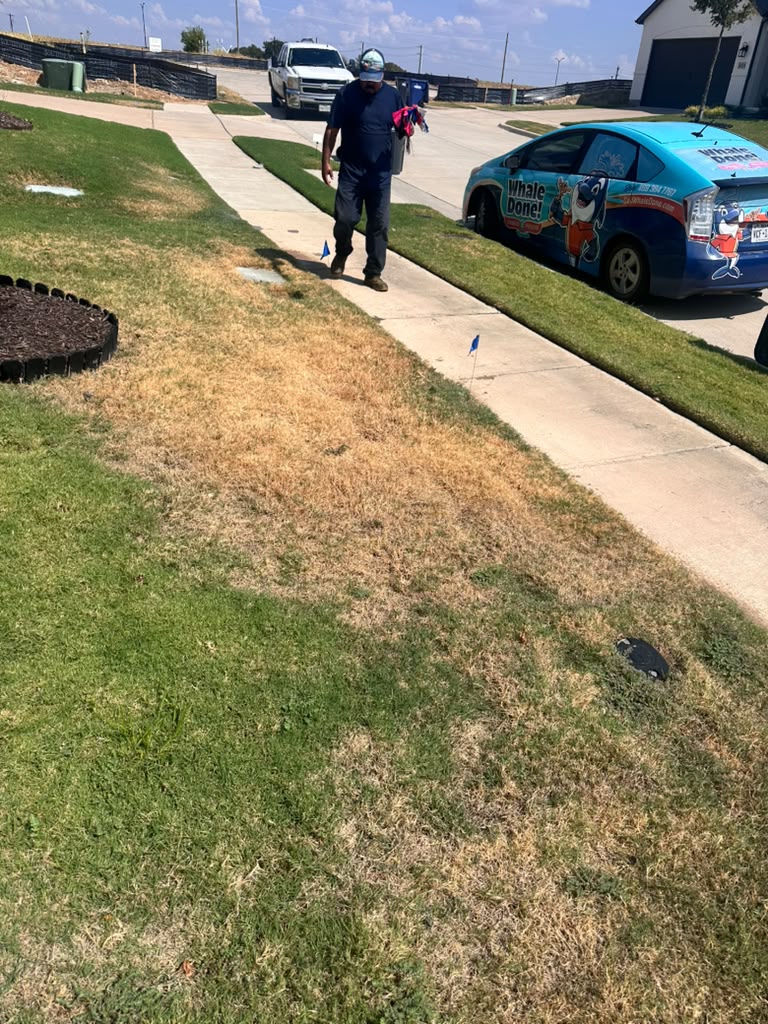
A sprinkler zone in Melissa TX that suddenly stops working while the rest of the irrigation system continues operating normally can be frustrating for homeowners. Healthy lawns and landscapes depend on consistent watering, and when one zone fails, certain sections of the property may quickly show signs of stress. Dry grass, wilting plants, and uneven landscape appearance are often the first indications that something is wrong.
Many irrigation issues affect only a single zone rather than the entire system. Because each zone operates independently through a dedicated valve, wiring connection, and group of sprinkler heads, a problem in one component can prevent that specific area from receiving water while everything else functions correctly.
Understanding the potential causes can help property owners identify problems sooner and determine when professional assistance may be needed.
Understanding How Sprinkler Zones Work
Modern irrigation systems are designed with multiple watering zones to deliver the right amount of water to specific landscape areas based on factors such as plant type, soil conditions, sun exposure, and moisture requirements. Each zone typically consists of control wiring, an irrigation valve, lateral sprinkler lines, sprinkler heads, and controller programming that work together to ensure efficient water distribution. When the controller activates a zone, it sends an electrical signal to the valve, allowing water to flow through the designated pipes and sprinkler heads. If any component within this system fails, that particular zone may stop functioning properly.
For a better understanding of irrigation zoning principles, the EPA WaterSense program provides valuable information about efficient irrigation system design and water management.
Common Signs That Only One Sprinkler Zone In Melissa TX Has Failed
Homeowners often notice a zone problem when part of the lawn begins looking different from the surrounding landscape.
Common warning signs include:
- Dry patches in one section of the yard
- Sprinkler heads not popping up
- No water flow from a specific zone
- Weak spray patterns
- Unusual valve noises
- Areas receiving significantly less water
Since other zones continue operating normally, the issue is usually isolated rather than related to the home’s primary water supply.
Faulty Irrigation Valve
One of the most common reasons a sprinkler zone stops working is a malfunctioning irrigation valve.
Each zone relies on an electrically activated valve to regulate water flow. When the valve receives a signal from the controller, it opens and allows water to pass through.
Over time, valves can develop issues such as:
- Internal wear
- Damaged diaphragms
- Debris buildup
- Mechanical failure
- Mineral accumulation
A damaged valve may fail to open completely or remain closed altogether, preventing water from reaching the zone.
Information regarding irrigation valve maintenance can also be found through the Irrigation Association, which offers educational resources about irrigation system components and best practices.
Damaged Solenoid
The solenoid is a critical electrical component connected to the irrigation valve that converts signals from the sprinkler controller into the mechanical action needed to open the valve and allow water to flow. When the solenoid fails, the valve may not activate, preventing water from reaching the designated zone. Common causes of solenoid failure include electrical burnout, corrosion, moisture intrusion, and normal age-related wear. Because each irrigation valve typically has its own dedicated solenoid, a malfunction usually affects only one sprinkler zone. Professional diagnostic testing can quickly verify whether the solenoid is receiving power and functioning properly.
Wiring Problems Between Controller and Valve
Even if the controller and valve are functioning properly, damaged wiring can interrupt communication between them.
Underground irrigation wires may become damaged due to:
- Landscaping projects
- Tree root growth
- Rodent activity
- Soil movement
- Aging wire insulation
When the signal cannot reach the valve, that specific zone will not activate.
Electrical troubleshooting often involves testing continuity and voltage levels to locate the exact point of failure.
Controller Programming Issues
Sometimes the problem originates at the irrigation controller rather than in the field.
Programming errors may occur due to:
- Accidental schedule changes
- Disabled zones
- Incorrect run times
- Seasonal adjustments
- Power interruptions
A homeowner may assume the zone has failed mechanically when the issue is simply a programming setting.
Reviewing controller schedules and zone configurations can help eliminate this possibility before moving on to more extensive troubleshooting.
The Texas A&M AgriLife Extension offers educational resources covering irrigation management, landscape care, and efficient watering practices.
Clogged Sprinkler Heads
Clogged sprinkler heads are a common irrigation issue that can develop gradually as dirt, sand, debris, and mineral deposits accumulate inside the nozzle or filter. Although a single clogged head may not stop an entire zone from operating, multiple obstructed heads can significantly reduce water distribution and make it appear as though the zone is not functioning properly. Common causes include soil intrusion, construction-related debris, hard water mineral buildup, and worn or broken seals that allow contaminants to enter the sprinkler head. Routine inspections and maintenance help identify these problems early, ensuring proper coverage, efficient water use, and consistent landscape health.
Broken Lateral Lines
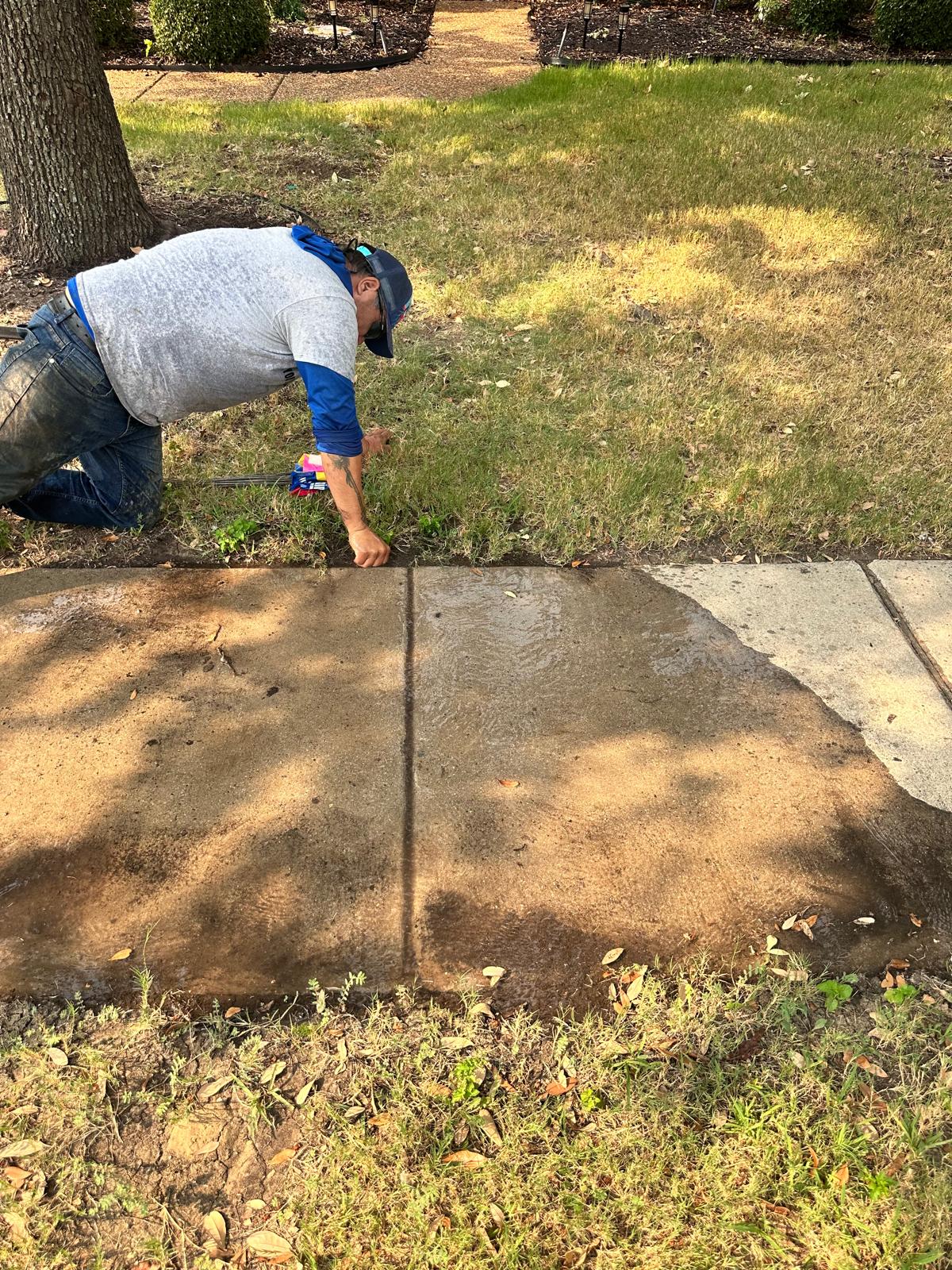
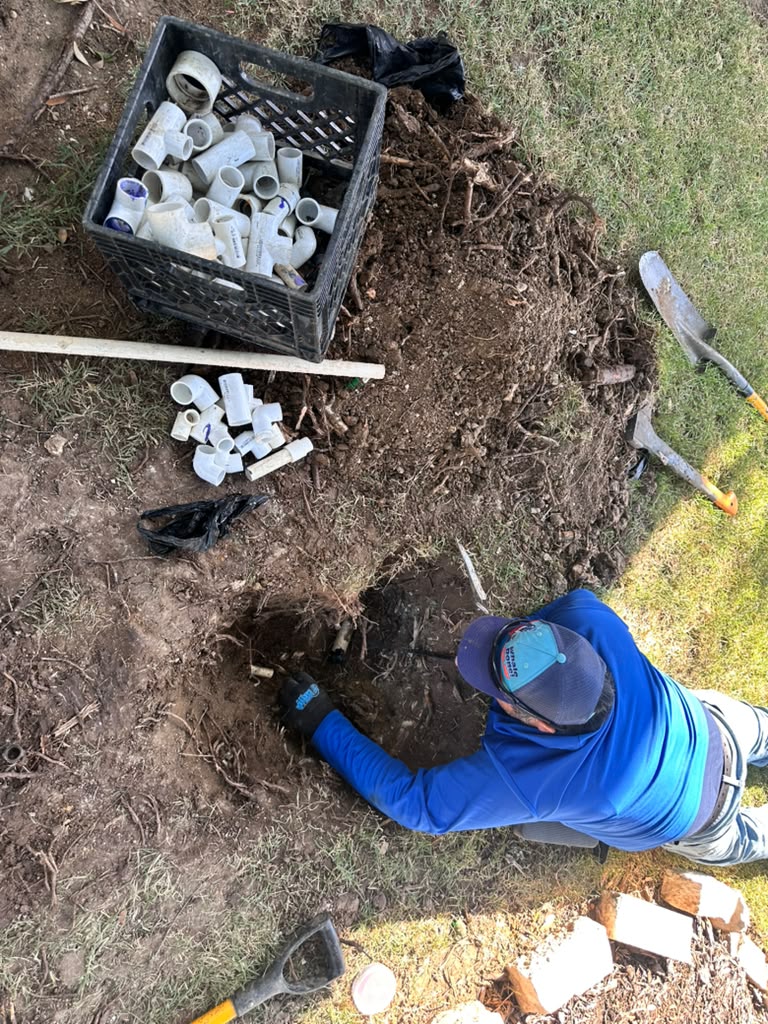
Underground pipes that carry water throughout a sprinkler zone are called lateral lines, and when one of these pipes develops a crack or break, water can leak into the surrounding soil before it ever reaches the sprinkler heads. This type of problem often creates noticeable signs such as soggy spots, unusually green patches of grass, soil erosion, standing water, or reduced sprinkler pressure within the affected area. In more severe cases, enough water may escape through the damaged pipe that sprinkler heads fail to pop up or spray correctly. Since the leak is limited to a specific section of piping, other irrigation zones typically continue operating normally.
Pressure Issues Affecting One Zone
Adequate water pressure is essential for proper sprinkler operation.
If pressure drops below the required level for a specific zone, sprinkler heads may:
- Fail to pop up
- Produce weak sprays
- Deliver uneven coverage
Pressure problems can result from:
- Partially closed valves
- Pipe restrictions
- Leaks
- Damaged regulators
- Excessive demand
Pressure testing can help determine whether insufficient water flow is contributing to the problem.
Valve Box Flooding
Valve boxes protect irrigation valves and wiring connections underground.
However, these boxes can accumulate water due to:
- Heavy rainfall
- Drainage problems
- Nearby leaks
Standing water inside the box may contribute to:
- Corroded wiring
- Solenoid failure
- Electrical connection issues
Routine inspections help ensure valve boxes remain dry and accessible.
Tree Root Intrusion
Mature trees often develop extensive root systems that spread throughout landscaped areas.
Roots may:
- Crush irrigation pipes
- Restrict water flow
- Damage wiring
- Displace sprinkler components
Root intrusion frequently develops gradually, making the problem difficult to detect until a zone experiences noticeable performance issues.
Properties with large shade trees may be particularly susceptible to this type of irrigation damage.
Seasonal Soil Movement
North Texas experiences periods of expansion and contraction in the soil due to changing moisture levels.
These soil movements can affect irrigation systems by:
- Shifting pipes
- Loosening fittings
- Damaging valves
- Stressing wire connections
Over time, repeated movement may create failures that impact only a single irrigation zone.
Regular inspections can help identify developing issues before they become major repairs.
Backflow or Supply Restrictions
Although less common, water supply restrictions can sometimes affect individual irrigation zones.
Potential causes include:
- Partially closed shutoff valves
- Obstructions in supply lines
- Damaged backflow components
- Internal pipe restrictions
When water cannot move efficiently through the system, one zone may appear weak or completely inactive.
A comprehensive system evaluation can determine whether supply-related issues are contributing to the problem.
Importance of Early Diagnosis
Ignoring a non-functioning zone can create additional challenges over time.
Potential consequences include:
- Turf damage
- Plant stress
- Increased water waste
- Higher repair costs
- Landscape replacement expenses
Prompt diagnosis allows property owners to address minor issues before they escalate into more extensive irrigation system failures.
According to guidance from the United States Department of Agriculture, proper water management plays an important role in maintaining healthy landscapes while conserving valuable resources.
Preventative Maintenance Tips
Routine maintenance remains one of the most effective ways to reduce irrigation problems.
Helpful maintenance practices include:
Inspect Sprinkler Heads Regularly
Regularly inspect all sprinkler heads for cracks, clogs, excessive wear, or misalignment. Early detection of these issues helps maintain proper water distribution, prevents dry spots, and supports overall irrigation efficiency.
Test Every Zone Monthly
Run each irrigation zone at least once a month to confirm proper operation. Routine testing helps identify malfunctioning heads, valve issues, leaks, or coverage problems before significant landscape damage occurs.
Check Valve Boxes
Inspect valve boxes regularly to ensure they remain clean, accessible, and free of standing water, dirt, insects, or debris that could interfere with valve performance and electrical connections.
Monitor Water Pressure
Pay attention to changes in water pressure throughout your irrigation system. Unusual pressure fluctuations may indicate hidden leaks, damaged components, pipe restrictions, or other developing system issues.
Review Controller Settings
Review irrigation controller settings frequently, especially after seasonal weather changes or power outages. Verifying schedules, run times, and zone settings helps ensure efficient watering and proper system operation.
Schedule Professional Inspections
Arrange professional irrigation inspections periodically to evaluate the entire system. Experienced technicians can identify hidden leaks, electrical
When Professional Assistance Is Recommended
While some irrigation issues are relatively straightforward, others require specialized testing equipment and diagnostic expertise.
Professional evaluation is often recommended when:
- Wiring faults are suspected
- Underground leaks cannot be located
- Valve testing is needed
- Pressure issues persist
- Multiple repairs have failed to solve the problem
Accurate diagnosis helps prevent unnecessary part replacements and reduces long-term maintenance expenses.
Conclusion
If a sprinkler zone in Melissa TX suddenly stops working while the rest of the irrigation system continues operating normally, the issue is often related to a faulty valve, damaged solenoid, wiring problem, underground leak, pressure restriction, or controller malfunction. Identifying the root cause quickly helps protect your lawn, preserve water, and prevent more costly repairs in the future.
For professional irrigation diagnostics and repairs, contact Whale Done Sprinklers & Irrigation. Their team can help identify and resolve issues affecting any sprinkler zone in Melissa TX to restore reliable system performance.
Business Name: Whale Done Sprinklers & Irrigation
Phone: +1 (469) 384-7767
Email: clientsupport@callwhaledone.com