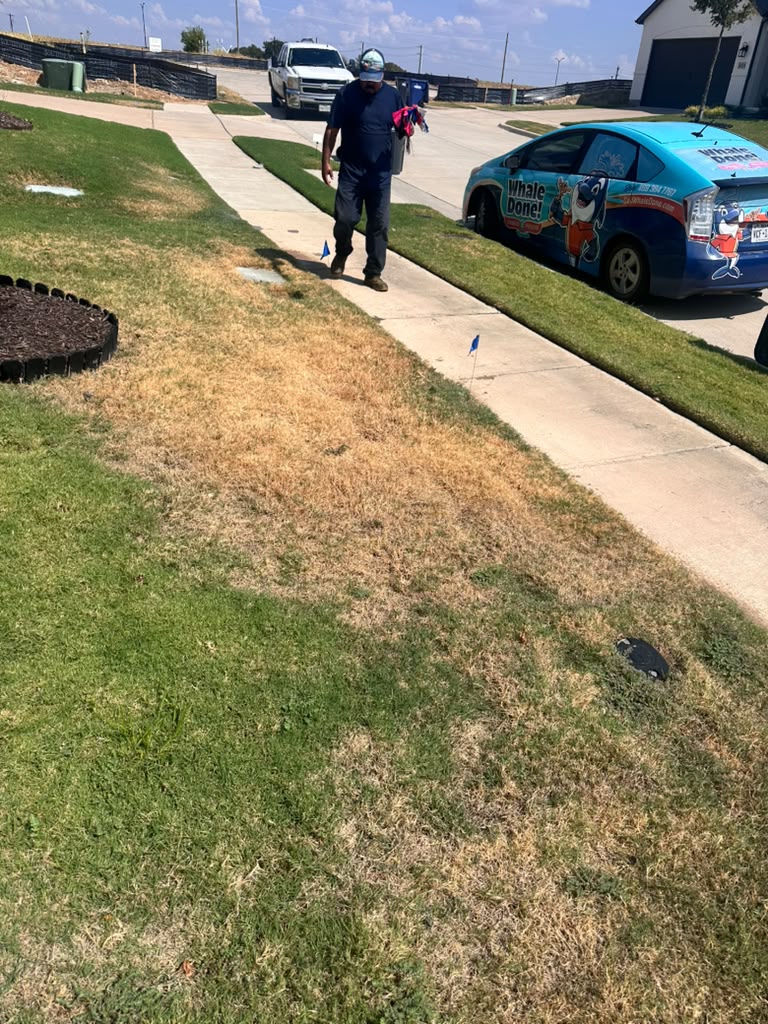
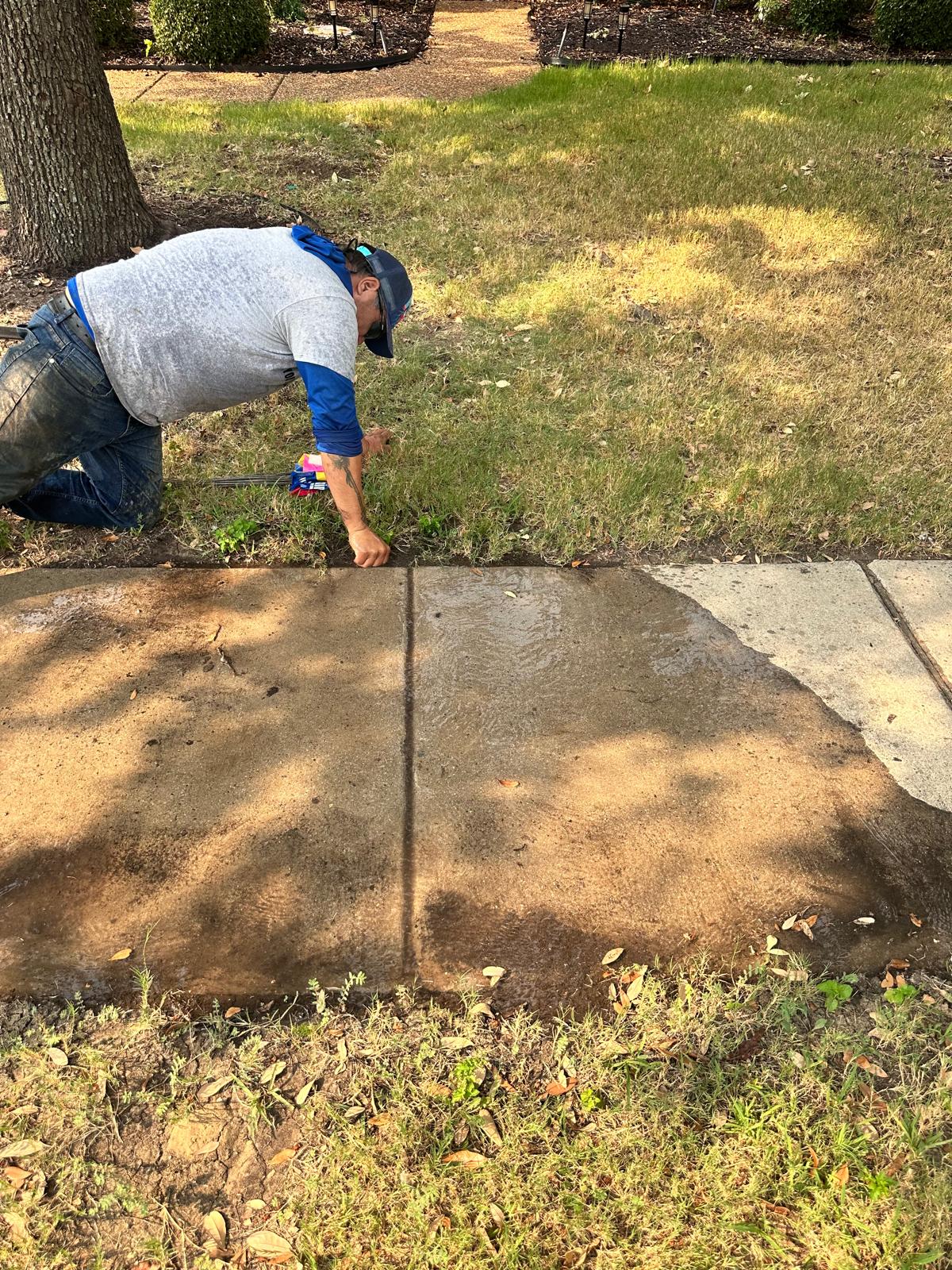
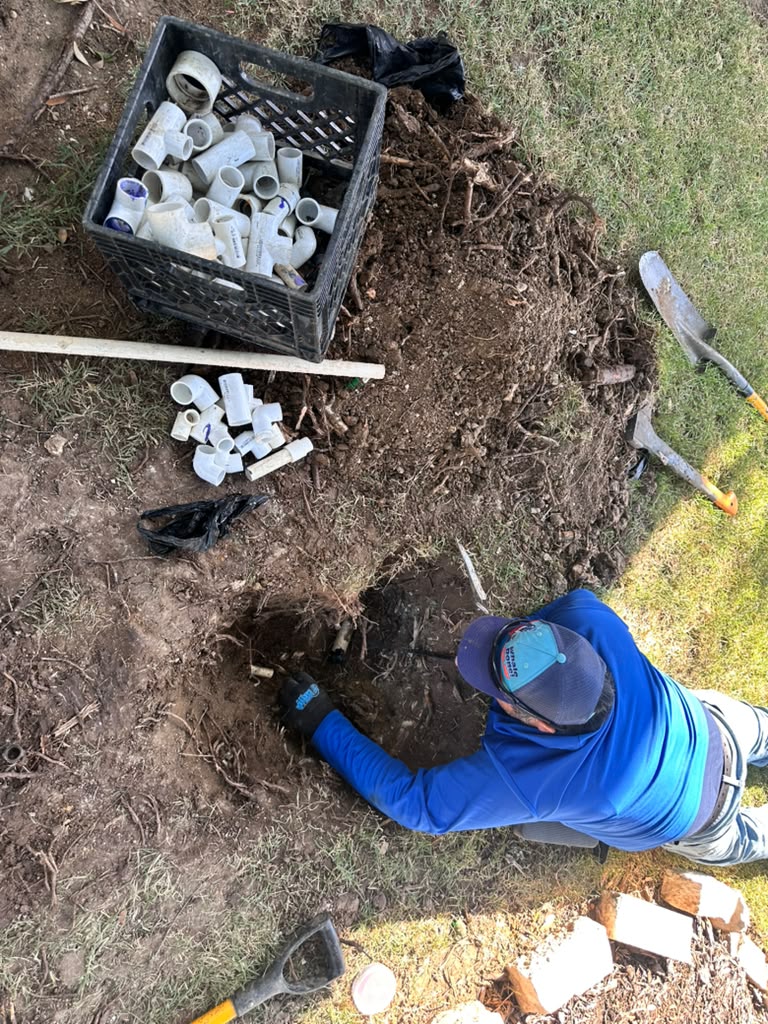
Water bubbling in The Colony TX usually means pressurized water is escaping from a broken pipe, fitting, or valve somewhere below the surface and pushing up through the soil at its weakest point. This is different from a puddle caused by overwatering or poor drainage, because bubbling indicates water is actively being forced upward under pressure, often from the irrigation system’s main line or a zone valve. It’s one of the clearer signs of an underground leak and typically isn’t something that resolves on its own.
At a Glance
- Difficulty: Easy to identify; repair usually requires a professional
- Estimated Time: Diagnosis takes minutes; repair time varies by leak location
- Tools Needed: None for identification; excavation tools and fittings for repair
- Works For: Irrigation main lines, zone valves, lateral pipes
- May Not Solve: Leaks in city-owned water lines, which require municipal repair
Why Water Bubbles Up From the Lawn
Irrigation systems run on pressurized water, meaning water is actively pushed through pipes rather than simply flowing downhill. When a pipe, fitting, or valve fails, that same pressure has to go somewhere.
If the break is below the surface, water often finds the path of least resistance upward through loosened soil, creating a bubbling or fountain-like effect at the surface. The bubbling itself is a symptom, not the actual problem; the real issue is the broken component underground.
Signs the Bubbling Is an Irrigation Leak
A few characteristics typically point to an irrigation-related leak rather than surface drainage:
- Bubbling appears even when it hasn’t rained recently
- The spot stays wet or bubbles at consistent times, especially when a zone would normally run
- Grass around the area looks unusually green or overly lush compared to the rest of the lawn
- A hissing or gurgling sound can be heard near the bubbling spot
- Water pressure feels weaker at hose bibs or within the irrigation system itself
- The water bill has increased without any change in watering habits
Common Causes of Water Bubbling in The Colony TX in the Lawn
1. A Cracked or Broken Pipe
PVC pipe can crack from ground shifting, tree root pressure, or age. A crack under pressure pushes water upward through the surrounding soil.
2. A Failed Valve or Fitting
Valves and the fittings that connect them to pipes are common failure points, especially as seals wear down or plastic components become brittle over time.
3. A Damaged Zone Line
A line servicing a specific irrigation zone can be nicked during digging, landscaping work, or by tree roots growing into or around the pipe.
4. Excess Pressure in the System
Pressure that’s too high for the pipe or fittings rated for the system can cause a weak point to fail, particularly at joints and connections.
5. Freeze Damage
While uncommon in North Texas, occasional hard freezes can crack pipes or fittings that weren’t properly drained, with the resulting leak sometimes not appearing until warmer weather returns.
Step-By-Step: What to Do When You Notice Bubbling
1. Turn Off the Irrigation System
Shutting off the system stops active water loss and prevents the area from getting worse while the issue is being assessed.
2. Note When and Where It Happens
Track whether bubbling occurs only when specific zones run, constantly, or after the system has been off for a while, since this helps narrow down the likely cause.
3. Check for Related Symptoms
Look for weak pressure elsewhere in the system, an unusually high water bill, or unusually lush grass nearby, all of which help confirm an irrigation leak versus a drainage issue.
4. Avoid Digging Without Locating Utilities
Before any digging is attempted, underground utility lines should be marked to avoid creating a more serious and costly problem.
5. Call for a Professional Diagnosis
Because the exact break point is underground and not always directly beneath the bubbling, locating and repairing the leak accurately usually requires professional leak detection equipment.
Common Mistakes Homeowners Make
- Assuming it’s just poor drainage and ignoring a leak that continues to waste water and raise bills
- Digging in the wrong spot, since water can travel through soil before surfacing, meaning the leak isn’t always directly below the bubbling
- Leaving the system running while trying to diagnose the issue, which continues to waste water and worsen soil erosion around the leak
- Delaying repair, which allows a small leak to erode more soil and potentially affect a larger area over time
- Confusing a leak with a broken sprinkler head, when bubbling from the ground itself points to a pipe or valve rather than a head
Local Considerations in The Colony, TX
A few conditions specific to The Colony and the surrounding Denton County area are worth keeping in mind:
- Clay soil, common throughout The Colony, holds water differently than sandy soil, which means a leak can travel further underground before surfacing, making the bubbling spot appear some distance from the actual break point in the pipe.
- Established tree roots, especially in older neighborhoods throughout The Colony, are a frequent cause of pipe damage, as roots can grow into or around irrigation lines over time and eventually crack or crush them under pressure.
- Seasonal ground shifting, driven by North Texas’s wet-to-dry cycles, puts ongoing stress on buried pipes and fittings, increasing the likelihood of a crack or fitting failure developing gradually rather than all at once.
- Newer developments with more recently installed irrigation systems can still experience leaks from improperly glued fittings or shallow burial depth, so a newer system isn’t automatically immune to this issue.
- Water restrictions in effect across Denton County during peak summer months make prompt leak repair especially important, since a continuously running leak can quickly add up in wasted water and increased cost.
Homeowners can find general guidance on identifying water waste through the <EPA WaterSense program and regional soil and irrigation research from Texas A&M AgriLife Extension, both of which address how underground leaks affect landscape water use.
Related Problems That Aren’t Solved By Fixing a Single Leak
Repairing the identified leak resolves the bubbling, but it won’t necessarily prevent:
- Additional leaks in the aging pipe, since a system old enough to develop one leak may have other weak points that haven’t failed yet.
- Low system-wide water pressure, which can persist even after a leak is fixed if the pressure regulator or main supply line has separate issues.
- Root intrusion elsewhere in the yard, which may continue to threaten other buried lines near mature trees even after the current leak is repaired.
- Municipal water line leaks, which are outside the irrigation system entirely and require a call to the local water utility rather than an irrigation company.
If bubbling returns after a repair, or if it’s unclear whether the issue involves the city’s water line versus the home’s irrigation system, a full evaluation can help clarify the cause.
Frequently Asked Questions
- Is water bubbling from the lawn always an irrigation leak?
Not always, but it’s one of the more common causes, especially if the bubbling happens consistently or lines up with when a zone would normally run.
- Can I fix a bubbling leak myself?
Locating the exact break point usually requires professional leak detection, since water can travel through soil before surfacing, making DIY repair difficult without the right equipment.
- How much water can an underground leak waste?
Even a small leak can waste hundreds of gallons over a short period, since irrigation systems run under continuous pressure whenever a zone is active or the leak persists.
- Will a bubbling leak damage my lawn?
Yes, over time. Constant saturation can erode soil, drown grass roots, and create an unstable spot in the yard if the leak isn’t addressed.
- How do I know if the leak is my responsibility or the city’s?
Generally, anything on the homeowner’s side of the water meter, including the irrigation system, is the homeowner’s responsibility, while issues before the meter are typically handled by the municipal water provider.
Bottom Line
Water bubbling in The Colony TX is almost always a sign of pressurized water escaping from a broken pipe, fitting, or valve somewhere underground. It’s not something that resolves on its own, and the longer it continues, the more water is wasted and the more soil erosion can occur around the leak. Turning off the system and getting an accurate diagnosis is the most reliable way to stop the water loss and prevent further damage to the lawn.
Next Step
Homeowners who notice bubbling, especially if it’s accompanied by weak pressure elsewhere or a rising water bill, should have the system evaluated before attempting to dig or repair it themselves. A licensed irrigation company can use leak detection equipment to pinpoint the exact break location and complete the repair without unnecessary digging or guesswork.
Related Resources
- Sprinkler System Services in The Colony, TX
- Signs of Underground Irrigation Leaks
- How to Adjust Sprinkler Heads for Better Coverage
Conclusion & Call to Action
Water bubbling in The Colony TX almost always points to a pressurized leak in a pipe, fitting, or valve underground, not simple drainage. Clay soil and tree roots common throughout the area often make these leaks harder to pinpoint without the right equipment. If you’re seeing bubbling in your yard, turn off the system and have it inspected. Reach out to a trusted local irrigation team today.