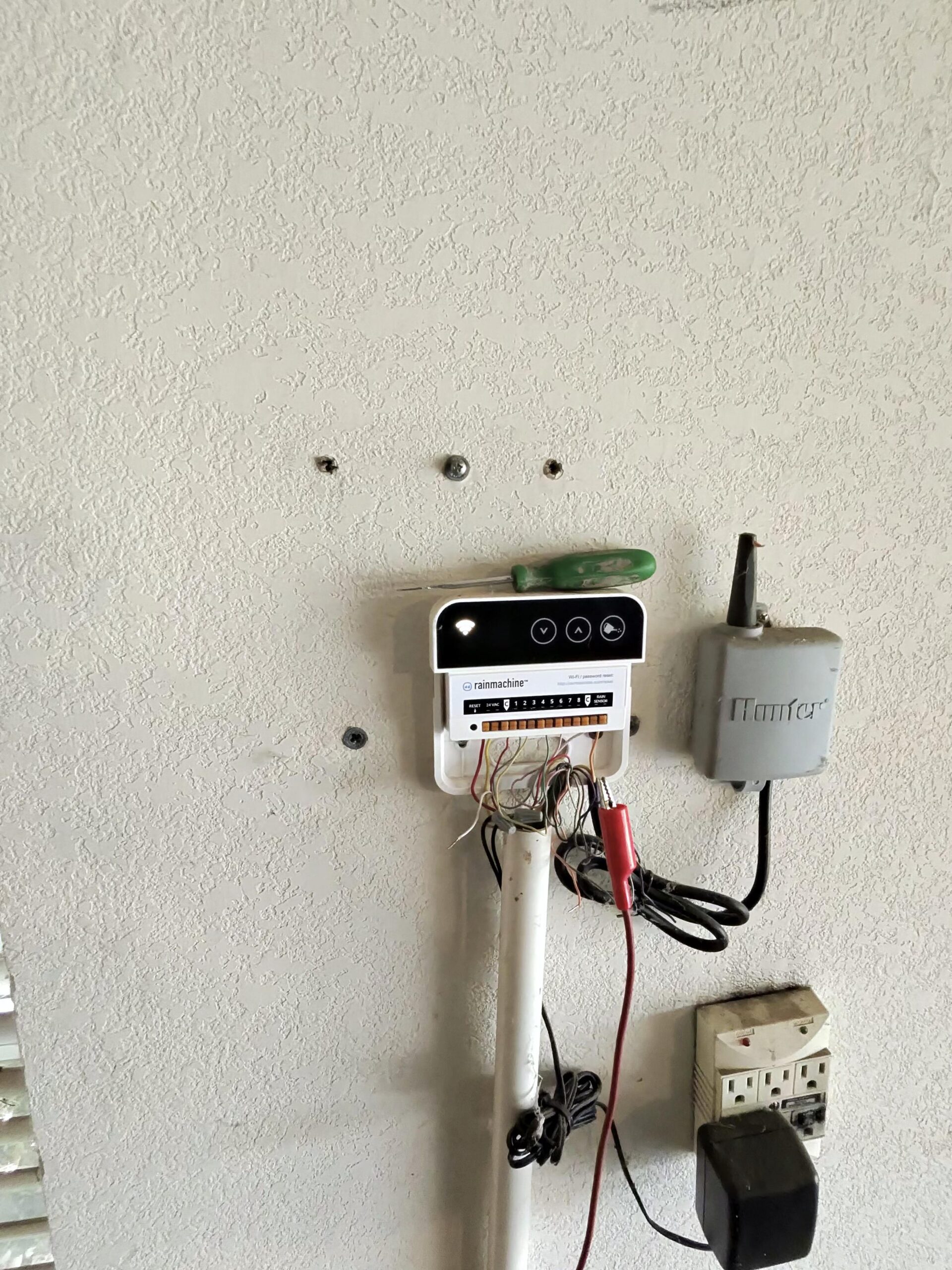
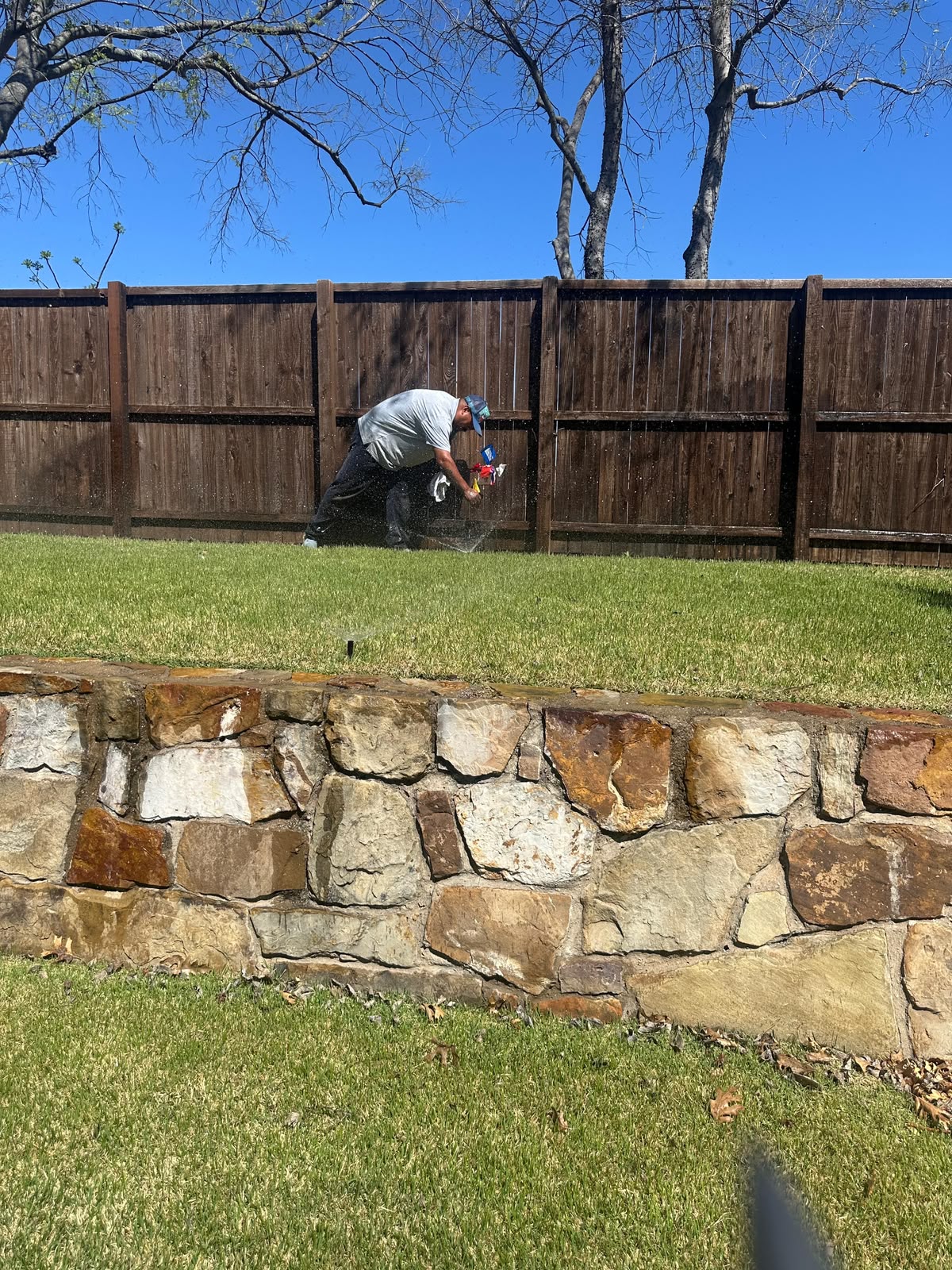
Water only when your yard needs it, and never more than your water provider allows. From November 1 through March 31, the City of Princeton limits spray irrigation to once a week at most. That’s a limit, not a target. Before each watering day, check recent rainfall and soil moisture. If the soil is still damp, skip the cycle.
If your controller is still running its summer schedule, it’s time to set up a winter sprinkler schedule. The good news: you don’t need to rebuild your whole program. A few changes, plus a quick check of the yard before each watering day, get you where you need to be.
What Does Princeton Require in Winter?
These are the rules on the City of Princeton’s water page:
- Once a week at most: from November 1 to March 31, spray irrigation is limited to a maximum of once a week.
- Not in the rain: spray irrigation can’t run during rain.
- No water waste: spray irrigation can’t waste water, including excess runoff into storm drains. The city says violations may result in a fine.
- Your provider’s rules apply: these are the City of Princeton’s rules for its water customers. If another provider supplies your water, follow that provider’s rules.
Rules can change, so check the City of Princeton water page before you reprogram.
What Does the City Recommend?
Princeton also shares a few tips. These are suggestions, not rules:
- Running irrigation about once every 20 days in winter, or just hand watering as needed, is usually enough.
- Run times of about 3 to 7 minutes per zone.
- Using a rain sensor.
Treat these as starting points, not a schedule to copy. What your yard needs depends on how much rain you’ve had, how moist the soil still is, what’s planted, and how much water your heads put out.
How Do You Know If Your Lawn Needs Water in Winter?
Here’s the thing: winter watering is about need, not the calendar. A few things decide it.
Rain. Check how much rain you’ve had since your last watering. Rain gauges and local weather reports both help.
Soil moisture. Before your watering day, check the soil. If it’s still damp below the surface, your lawn doesn’t need more water yet.
What’s growing. NTMWD notes that lawns typically go dormant from November through February. A dormant lawn turns brown and uses very little water. That doesn’t mean it’s dead. It’s resting.
Sprinkler output. Different heads put out water at different rates. Five minutes on one zone isn’t the same amount of water as five minutes on another, so a run time that’s right for one zone can be too much for the next.
Put it together: if the soil is still damp, skip the cycle. If it’s dry after a stretch without rain, water on an allowed day, and never more than your provider’s limit.
How Do You Set a Winter Sprinkler Schedule on Your Controller?
Here’s the routine, in order:
- Snap a photo of your current program. Get the start times, watering days, and run times so spring setup is easy.
- Review your watering days. Princeton’s winter maximum is once a week, and your yard may need less. Follow the rules for your water provider.
- Review your run times. Set them based on your plants, soil and sprinkler output instead of leaving summer settings unchanged. Many controllers have a seasonal adjust setting that changes every run time by a percentage, but it doesn’t change your watering days.
- Check your start times. Make sure they follow your water provider’s current rules.
- Look for extra programs and start times. A forgotten Program B or a second start time keeps watering on its own.
- Make sure your rain sensor isn’t bypassed. If you have one, it should be active so the system can skip watering when it rains.
Every brand’s menus are different, so follow your controller’s manual for the exact buttons.
Should You Turn Your Sprinklers Off for the Winter?
For a lot of Princeton yards, yes. NTMWD has suggested switching automatic systems to manual from Halloween through St. Patrick’s Day and running them only when rain isn’t enough. Turning off your sprinklers in winter also helps prevent runoff that can freeze on streets and sidewalks, according to NTMWD.
If you switch it off:
- Check that your program stays saved. Most controllers keep it, but confirm in your manual before you count on it.
- Keep an eye on dry spells. You can still run a zone by hand on your allowed day if the soil is dry.
- Set a spring reminder. It’s easy to forget the controller is off until the yard starts looking thirsty.
Is Turning the Controller Off the Same as Winterizing?
No. Turning off the controller only stops scheduled watering. Winterizing is about protecting the pipes, valves, and backflow device from freezing. Our sprinkler winterization page explains the difference.
Common Winter Watering Mistakes
- Treating “once a week” as a must. It’s the most the city allows, not how often your lawn needs water.
- Leaving the summer schedule running. It wastes water and can leave soggy spots.
- Watering after a good rain. Princeton doesn’t allow watering during rain, and wet soil doesn’t need more.
- Ignoring runoff. Water running down the curb means a zone is running too long or spraying where it shouldn’t.
When Is It More Than a Schedule Problem?
Sometimes the schedule looks right and the yard still doesn’t. If a zone runs when it shouldn’t, won’t shut off, or you see water where there shouldn’t be any, the cause may be the controller, a valve, or a leak. Our guide to a sprinkler controller that isn’t running on schedule covers the settings to check first. If your controller lost its settings after a storm, see whether a power outage can reset a sprinkler controller.
Not sure your winter program is right? Book a sprinkler controller evaluation and we’ll go through your programs, run times, and rain sensor with you.
Frequently Asked Questions
How often should I water my lawn in winter in Princeton, TX?
Only when it needs it, and never more than your water provider allows. For City of Princeton water customers, spray irrigation is limited to once a week at most from November 1 to March 31. That’s a maximum, not a weekly target. The city says about once every 20 days, or hand watering as needed, is usually enough. Check rainfall and soil moisture before you water.
What hours can I water in Princeton?
The city’s water page lists the guidance not to run spray irrigation after 10 a.m. or before 6 p.m. in its April 1 to October 31 section. Its winter section doesn’t list watering hours, so check with your water provider if you’re unsure.
Do I need to water a dormant lawn?
Usually very little, because a dormant lawn uses much less water. Check rainfall and soil moisture, especially during long dry spells, and water only if the soil is dry.
Should I turn my sprinkler system off in winter?
Many homeowners do, and water by hand only when it’s dry. Just remember that turning it off isn’t the same as winterizing, and set a reminder to turn it back on in spring.
Is 3 to 7 minutes per zone right for every yard?
No. It’s the city’s general recommendation. The right run time depends on your heads, soil, and plants, so adjust based on what you see in the yard.
Do Princeton’s rules apply to every address?
They’re the City of Princeton’s rules for its water customers. If another utility provides your water, check that provider’s rules.
Want Help Setting Up Your Winter Sprinkler Schedule?
If your controller’s programs feel like a puzzle, our Princeton team can help. We’ll check your programs, run times, and rain sensor, and set things up to fit the city’s winter rules. Learn more about our sprinkler repair and irrigation services in Princeton, or book a visit online at a time that works for you.
Whale Done’s irrigation work is performed under Texas irrigator license LI0029200.
Sources
- City of Princeton, Water
- North Texas Municipal Water District, Water Efficient Irrigation
- North Texas Municipal Water District, Treat Your Lawn Right by Following This Halloween Trick on Outdoor Watering
- North Texas Municipal Water District, Timely Tips to Prepare Your Lawn and Landscape for Cooler Temps