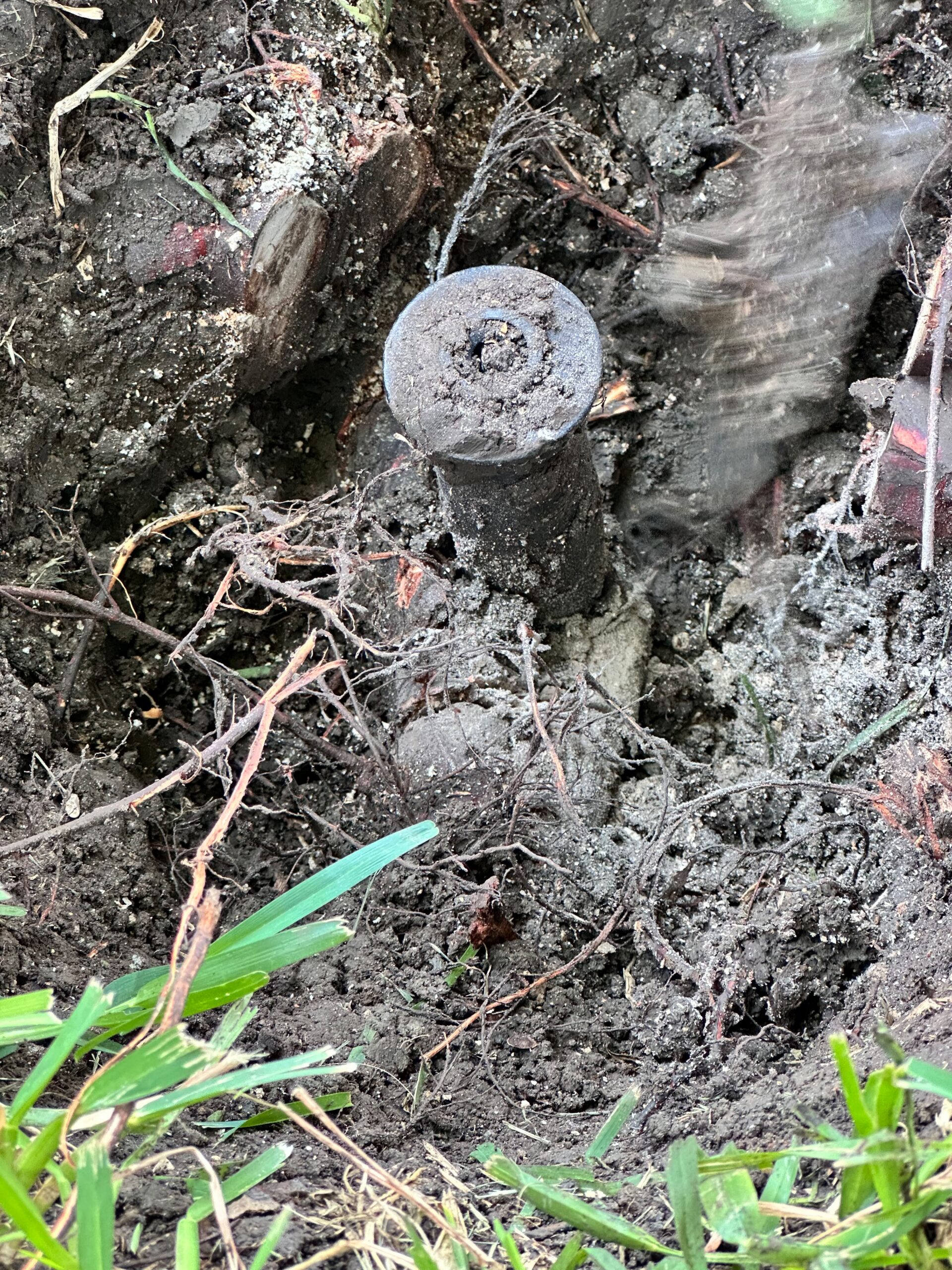
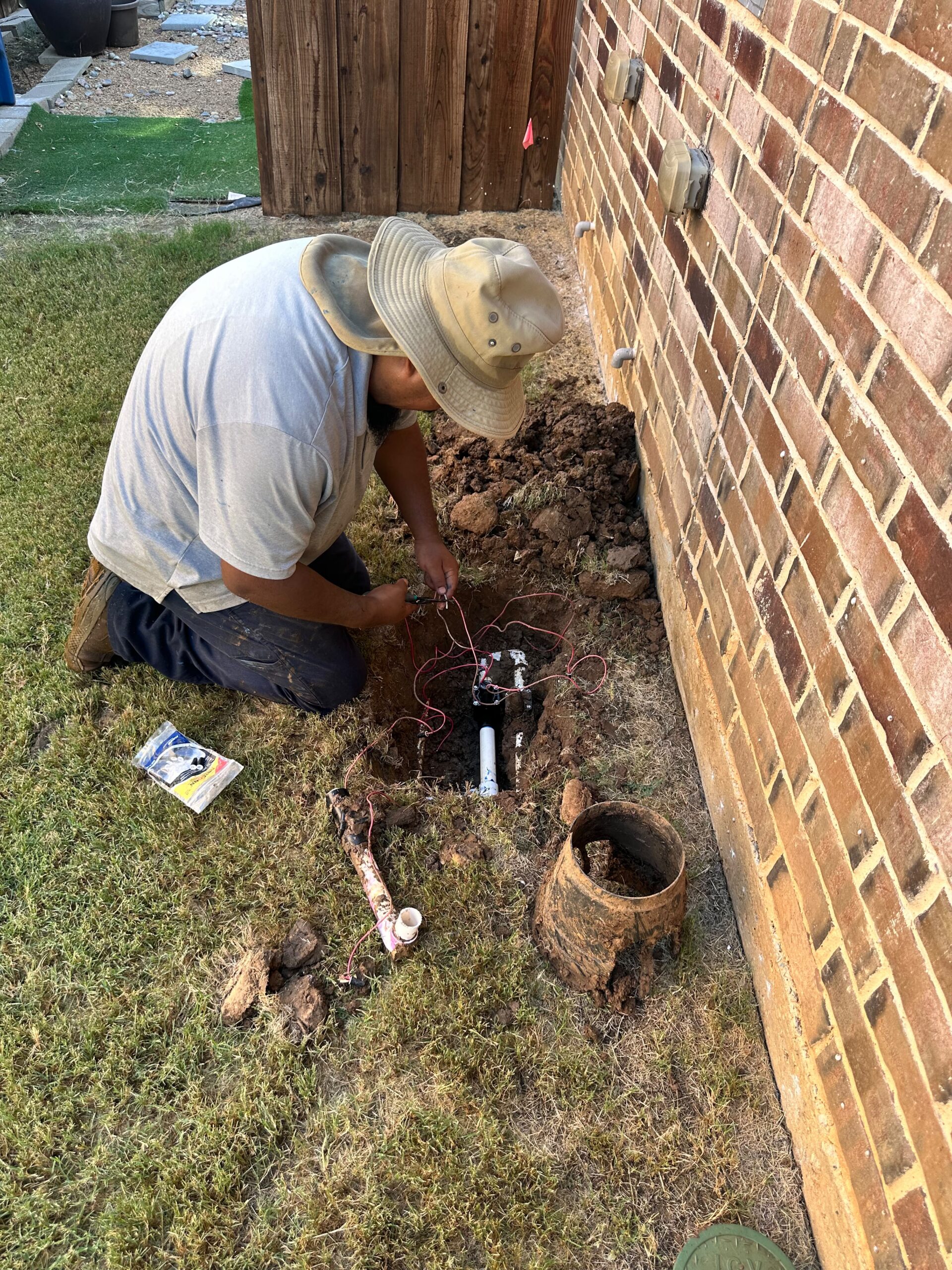
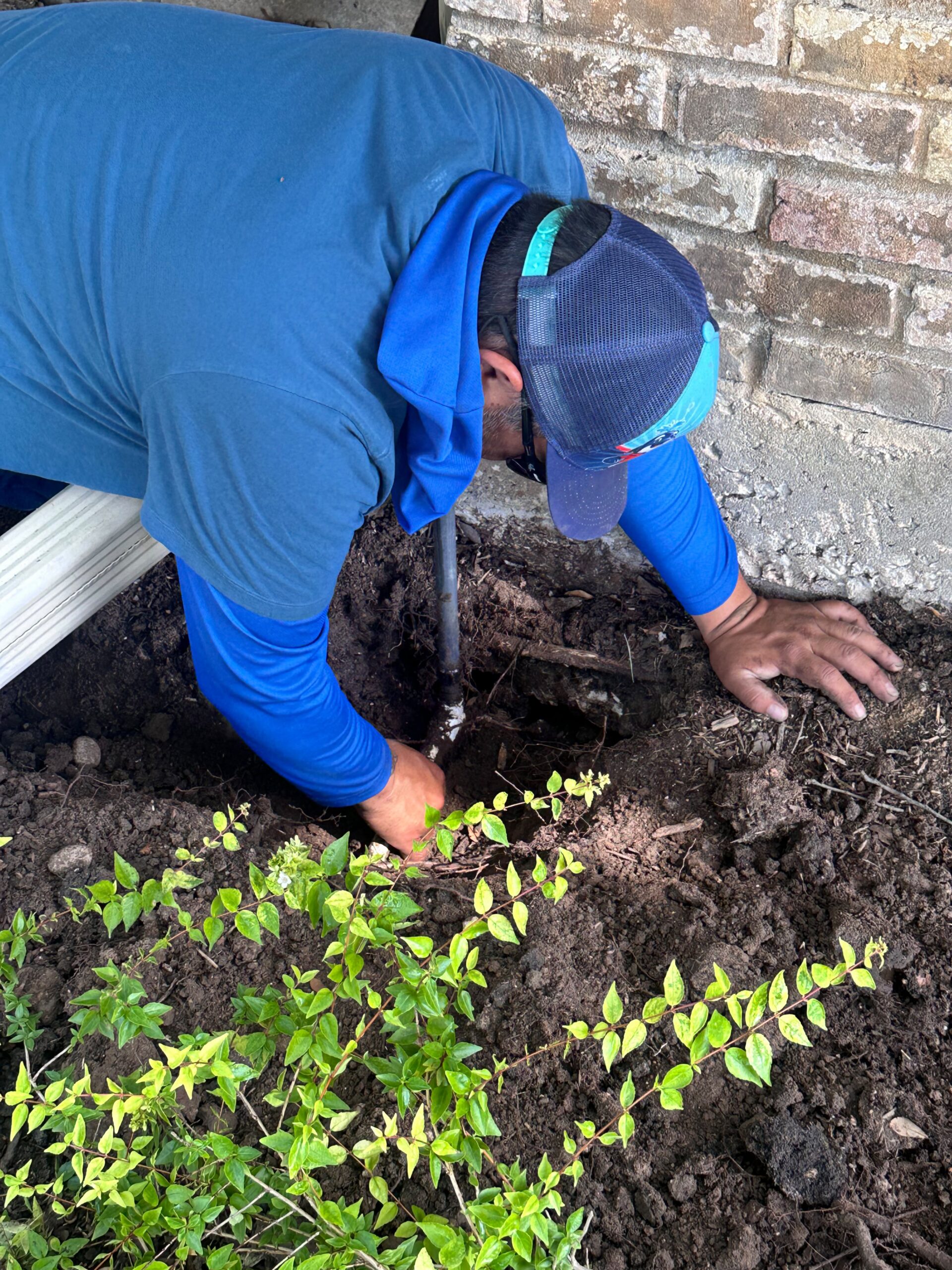
When it comes to sprinkler repair in Little Elm TX, ensuring your irrigation system functions efficiently is essential for maintaining a vibrant landscape and conserving precious water resources. A well-maintained sprinkler system not only enhances curb appeal, but also protects your property value and reduces utility costs over time. In this comprehensive guide, we explore common sprinkler issues, preventative maintenance practices, cost considerations, and professional solutions tailored specifically for residents of Little Elm, Texas.
Understanding Sprinkler Systems
Sprinkler systems are engineered networks designed to distribute water uniformly across lawns and gardens. They consist of components such as valves, pipes, controllers, sprinkler heads, and sensors. Each plays a crucial role in timing, pressure control, and coverage.
The more you understand how your sprinkler system operates, the better prepared you’ll be to identify problems and communicate effectively with repair professionals.
Key Components of Sprinkler Systems
- Controller/Timer: Acts as the “brain” of the system, determining watering schedules.
- Valves: Regulate water flow to specific zones.
- Pipes & Laterals: Transport water from the source to sprinkler heads.
- Sprinkler Heads: Disperse water in targeted patterns.
- Sensors/Rain Gauges: Prevent watering during rain or high moisture conditions.
To learn more about how efficient irrigation systems conserve water, explore the Environmental Protection Agency’s guidelines on water management.
Common Sprinkler Problems in Little Elm
Living in Texas means enduring long, hot summers and sporadic rainfall. These conditions can exacerbate sprinkler issues. Below are frequent problems encountered in the region:
Broken or Misaligned Heads
Sprinkler heads often become broken or misaligned due to lawn mowers, pets, heavy foot traffic, or accidental impact. When heads tilt or crack, water sprays unevenly, creating dry patches and spots, wasting water, weakening roots, and encouraging weeds and disease.
Low Water Pressure
Low water pressure reduces sprinkler performance and prevents lawn coverage. This issue may result from clogged heads, leaks, partially closed valves, or supply line damage. Poor pressure limits spray distance, causing uneven watering, stressed grass, dry areas, and unhealthy landscaping.
Leaks and Sinkholes
Leaks in irrigation systems often appear as soggy patches, pooling water, or unusually green grass. Continuous leakage erodes surrounding soil, weakens ground stability, and increases water bills. If ignored, leaks may form dangerous sinkholes that damage landscaping, piping, and structures.
Faulty Valves
Faulty sprinkler valves disrupt zone operation by sticking open or closed unexpectedly. Open valves cause continuous water flow, flooding areas and increasing costs. Closed valves block water entirely, leaving sections dry, weakening turf health, and preventing proper irrigation scheduling efficiency.
Controller Failures
Sprinkler controllers manage watering schedules, but failures disrupt consistent irrigation routines. Electrical surges, wiring damage, moisture exposure, or aging components commonly cause malfunctions. When controllers stop working, zones may overwater or underwater, stressing plants, wasting resources, and reducing landscape health.
Understanding these common problems helps homeowners diagnose issues early and seek appropriate repair solutions.
Diagnosing Sprinkler Issues
Identifying the root cause of a malfunctioning sprinkler system is the first step toward repair. Here’s a clear, systematic approach:
1. Visual Inspection
Walk your property and look for signs such as:
- Oversaturated soil
- Dry patches
- Broken heads
- Water pooling
- Visible pipe damage
2. Check the Controller
Ensure the timer is programmed correctly and that the power source is functioning. Replace old batteries and look for loose wiring.
3. Test Water Pressure
Turn on the system and observe the spray patterns. Inconsistent or weak sprays often signal pressure-related issues or clogged nozzles.
4. Inspect Valves
Lift the valve box and check for debris or damage. Valves can fail due to wear or interference from insects or soil buildup.
5. Monitor for Leaks
Check around sprinkler heads and along the water line for constant moisture. A pressure test can reveal hidden leaks underground.
If you’d like a deeper technical dive on irrigation troubleshooting and maintenance best practices, the University of Florida IFAS Extension offers excellent resources.
Preventative Maintenance: Save Time & Money
Routine maintenance reduces the likelihood of costly repairs and extends system longevity. Here are essential steps every homeowner should take:
Seasonal Inspections
Inspect your irrigation system at least quarterly to catch issues before they become expensive repairs. Seasonal inspections, especially before summer heat and after winter cold, ensure optimal performance, consistent water distribution, improved efficiency, and extended lifespan of all irrigation components.
Clean Nozzles and Filters
Clean sprinkler nozzles and filters monthly to remove dirt, sand, and debris that restrict water flow. Proper cleaning maintains spray patterns, prevents dry spots, improves efficiency, reduces system strain, and ensures your irrigation system operates reliably year-round without performance issues.
Adjust Spray Patterns
As plants grow and landscapes evolve, sprinkler coverage can become uneven or inefficient. Regularly adjusting spray patterns ensures proper watering, avoids waste, protects plant health, and maintains balanced coverage across your lawn, garden beds, and other landscaped areas effectively consistently.
Replace Worn Components
Over time, irrigation components such as seals, valves, and nozzles naturally wear out from pressure and exposure. Replacing worn parts early prevents leaks, maintains proper pressure, improves efficiency, and avoids unexpected breakdowns that could damage your entire irrigation system prematurely.
Winterization
Prepare your irrigation system for colder temperatures by insulating exposed pipes and draining components. Winterization reduces the risk of freezing damage, prevents cracks, protects backflow devices, and ensures your system remains functional, safe, and ready for the next watering season.
Check Rain Sensors
Test rain sensors regularly to confirm they stop watering during or after rainfall. Functional sensors conserve water, lower utility costs, prevent overwatering, protect plant roots, and help your irrigation system operate efficiently while supporting environmentally responsible landscape maintenance practices consistently.
Proper maintenance is a cornerstone of responsible water management and can significantly decrease the need for emergency repairs.
DIY vs Professional Sprinkler Repair
While some homeowners enjoy handling basic repairs, others may prefer professional expertise. Here’s a comparison to help you choose:
DIY Repairs
Pros:
- Lower upfront cost
- Immediate action for minor issues
- Personal control over the process
Cons:
- Limited to basic problems
- Risk of causing further damage
- Time-consuming
Professional Repairs
Pros:
- Expert diagnosis and efficient solutions
- Access to specialized tools
- Long-term warranties and guarantees
- Preventative maintenance plans
Cons:
- Higher initial cost
For homeowners comfortable with basic tools and gardens, tasks like cleaning nozzles and adjusting heads are manageable. For leaks, valve failures, or complex wiring issues, professional services are often the safer and more cost-effective option.
Choosing the Right Sprinkler Repair Service
Selecting a reputable service provider ensures your sprinkler system receives the highest standard of care. When evaluating companies, consider:
Experience & Reputation
Look for providers with a proven track record in irrigation services. Read reviews and ask for referrals from neighbors.
Licenses & Insurance
Ensure the company holds appropriate licenses and insurance to protect your property in case of accidental damage.
Service Guarantees
A trustworthy provider will offer guarantees on workmanship and parts, giving you peace of mind.
Communication & Transparency
Clear, upfront communication regarding costs, timelines, and procedures is essential for a smooth repair experience.
Maintenance Plans
Ongoing maintenance services help prevent issues before they escalate and often include seasonal checkups.
Engaging with a qualified professional not only fixes current issues but also safeguards your landscape’s future health.
Water Efficiency & Environmental Benefits
An efficient sprinkler system is good for your lawn—and the planet. Properly functioning systems reduce water waste and help maintain ecological balance. According to the EPA’s WaterSense program, homeowners can save significant water by optimizing irrigation and using smart controllers.
Smart Controllers
Smart controllers adjust watering schedules based on weather, soil moisture, and plant needs. This reduces overwatering and helps keep your landscape vibrant.
Rain Sensors
Rain sensors halt watering during precipitation events, conserving water and protecting soil health.
Proper Zoning
Grouping plants with similar hydration needs prevents unnecessary watering of drought-tolerant areas.
These efficiency measures contribute to lower utility bills while fostering sustainable landscaping practices.
For more on smart irrigation technology, the Irrigation Association provides excellent insights into modern components and standards.
Troubleshooting Quick Fixes
Here are some simple fixes that can be completed quickly:
Uneven Coverage
- Adjust heads to ensure proper alignment.
- Check for obstructed spray paths (e.g., plants or debris).
Dripping Sprinkler Head
- Replace worn seals.
- Inspect for cracks and replace the head if needed.
Controller Not Turning On
- Check power source and wiring.
- Replace backup batteries.
Zone Doesn’t Activate
- Confirm the controller schedule.
- Test valve solenoids and wiring continuity.
While these actions can provide immediate relief, persistent problems usually require professional evaluation.
Protecting Your Investment
Your sprinkler system represents an investment in your property’s health and value. Protecting this investment requires consistent care and informed decisions. Prioritize:
- Routine checks
- Prompt attention to issues
- Professional partnerships
- Water-saving upgrades
This holistic approach ensures your irrigation system functions effectively year after year while minimizing costs and environmental impact.
Conclusion
Choosing professional sprinkler repair in Little Elm TX ensures your irrigation system remains efficient, reliable, and cost-effective. Regular maintenance, early detection of issues, and expert solutions can dramatically extend the life of your system and preserve the beauty of your landscape.
For trusted service, contact Whale Done Sprinklers & Irrigation. Whether it’s routine checkups or complex repairs, our experienced team is ready to help keep your system operating at peak performance.
📞 Phone: +1 (469) 384‑7767
📧 Email: clientsupport@callwhaledone.com