Finding irrigation system leaks in The Colony TX early is essential for protecting your landscape, reducing water waste, and avoiding expensive repairs that can escalate if left unchecked.
Irrigation systems are designed to deliver water efficiently to lawns, gardens, and landscaped areas, but even a small leak can disrupt this balance. Homeowners in The Colony often face hidden underground leaks, broken sprinkler heads, or faulty valves that slowly increase water bills and damage soil structure. Understanding how to detect these issues early can save time, money, and long-term frustration.
Why Irrigation System Leaks Happen
Leaks in irrigation systems rarely occur without a reason. Most problems develop gradually due to wear and tear, environmental conditions, or improper installation. In a city like The Colony, seasonal temperature changes and soil movement can also contribute to system stress.
Common causes include:
- Aging or cracked pipes
- Loose fittings or connectors
- Damaged sprinkler heads from lawn equipment
- Tree root intrusion
- Improper water pressure settings
When these issues go unnoticed, even a small leak can lead to significant water loss over time.
For reference on efficient irrigation design and maintenance practices, homeowners can explore guidance from the Irrigation Association, which provides industry standards for system performance and care.
Early Warning Signs of Irrigation System Leaks in The Colony TX
Detecting leaks early is the key to minimizing damage. Many homeowners do not realize there is a problem until they see clear symptoms in their yard or water bill.
1. Unusually High Water Bills
A sudden increase in your monthly water bill is often one of the earliest signs of a sprinkler system leak. If your irrigation schedule and household water usage have remained the same, hidden leaks may be allowing water to escape continuously without being immediately noticeable.
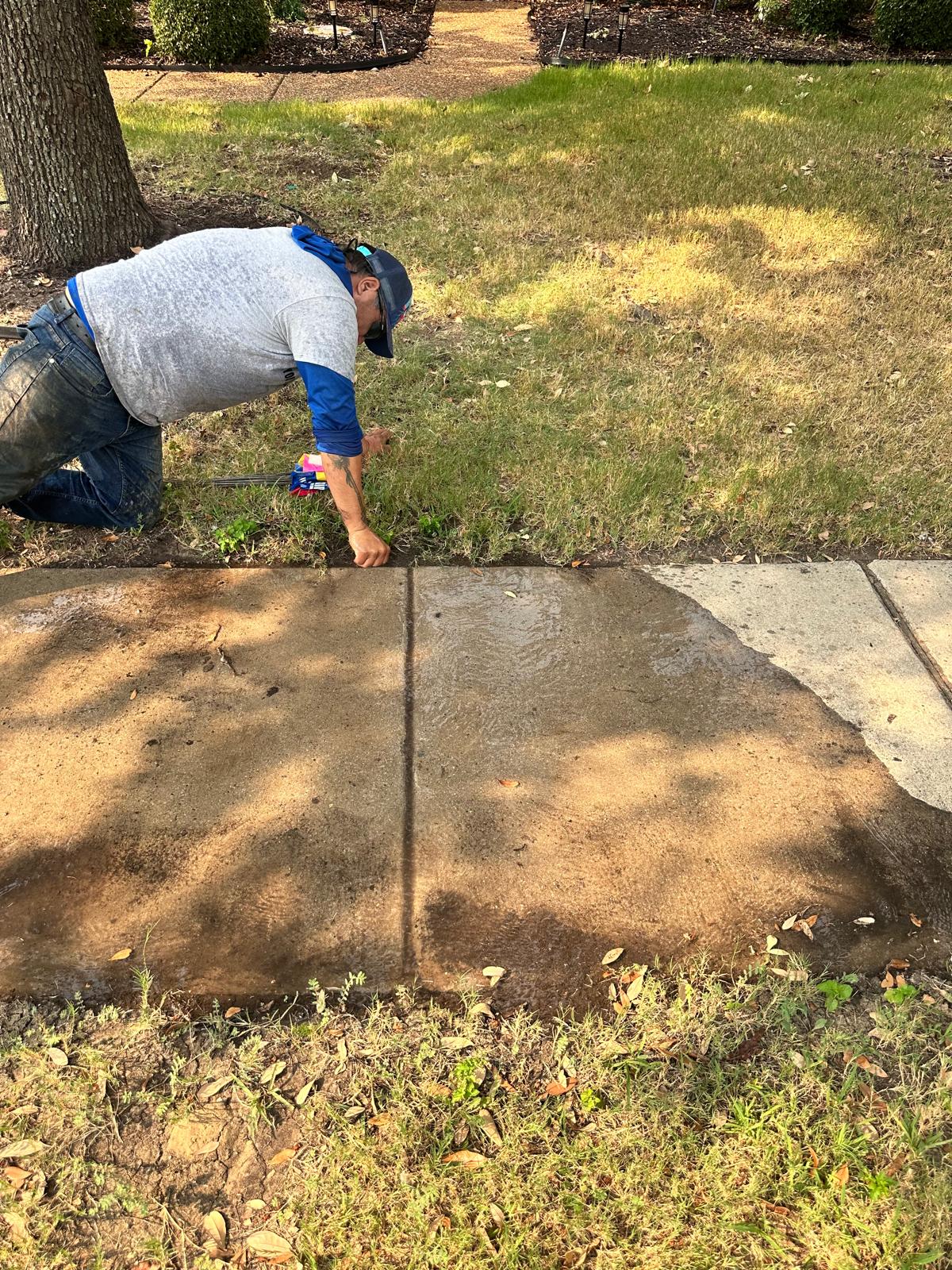
2. Soggy or Flooded Areas
Excessively wet soil, puddles, or standing water around sprinkler zones can indicate a leak beneath the surface. These areas may remain damp long after watering cycles have ended, suggesting that water is escaping from damaged pipes, fittings, or other underground irrigation components.
3. Weak or Uneven Sprinkler Spray
When some sprinkler heads produce weak sprays while others operate normally, it may be a sign of pressure loss within the system. Leaks can reduce water pressure and disrupt proper distribution, resulting in uneven lawn coverage and inefficient irrigation performance throughout the property.
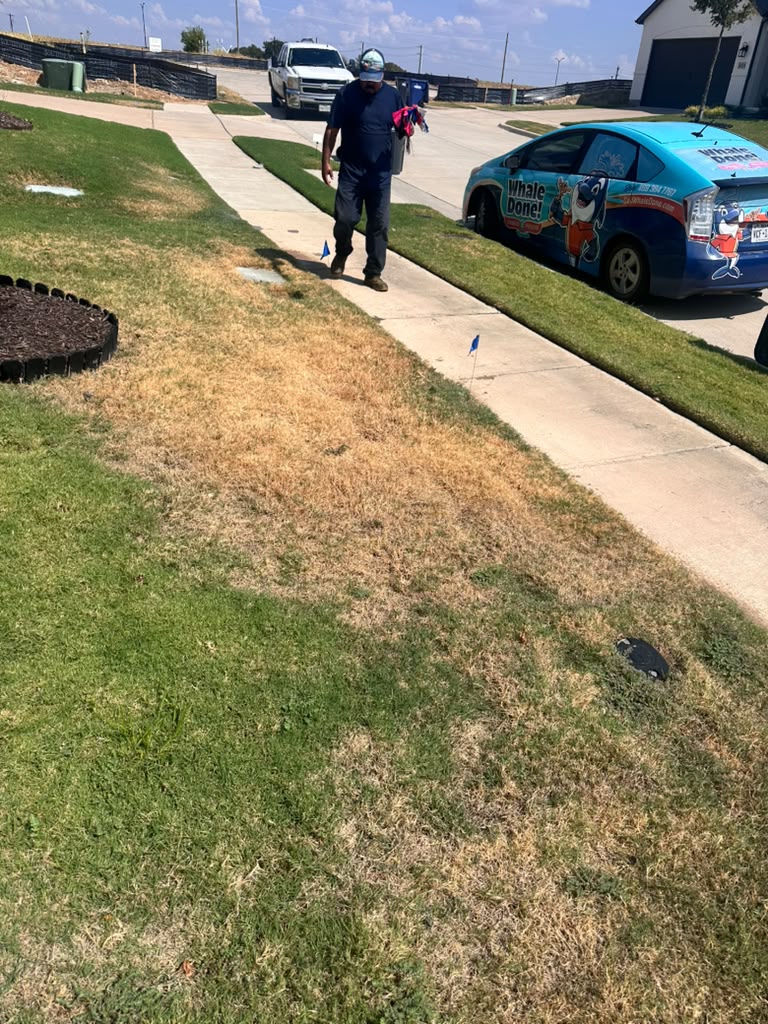
4. Brown or Overwatered Grass Patches
Leaks can create inconsistent watering patterns that affect lawn health. Some areas may receive too little water and turn brown, while others become oversaturated. These irregular patches often indicate that water is escaping before reaching its intended destination within the irrigation system.
5. Visible Erosion or Sinkholes
Severe underground leaks can gradually wash away soil beneath the surface, leading to erosion and structural instability. Over time, homeowners may notice depressions, sunken spots, or small sinkholes forming in the yard, signaling a significant irrigation issue that requires immediate attention.
These warning signs should never be ignored, as delays can significantly increase repair costs.
How to Locate Irrigation System Leaks Step-by-Step
Finding leaks requires patience and a systematic approach. Homeowners can perform basic inspections before calling a professional.
Step 1: Check the Water Meter
Turn off all water sources and observe your meter. If it continues to move, there is likely a hidden leak in the irrigation system.
Step 2: Inspect Each Sprinkler Zone
Run one zone at a time and walk through your yard. Look for broken heads, pooling water, or misting instead of proper spray patterns.
Step 3: Look for Wet Spots Along Pipes
Soft ground or unusually green strips of grass often indicate underground leakage along pipe lines.
Step 4: Test Valves and Connections
Faulty valves are common sources of leaks. Ensure all connections are tight and free from visible cracks.
Step 5: Monitor Water Pressure
Low or inconsistent pressure can indicate water escaping somewhere in the system.
For additional homeowner water-saving strategies, the EPA WaterSense Program offers valuable tools for tracking and reducing water waste.
Common Types of Irrigation Leaks
Understanding the type of leak helps in choosing the right repair method.
- Broken Sprinkler Heads: Broken sprinkler heads are one of the most common irrigation issues homeowners face. They are often damaged by lawn mowers, vehicles, landscaping equipment, or heavy foot traffic. If left unrepaired, they can waste water, reduce coverage, and create uneven watering patterns throughout the landscape.
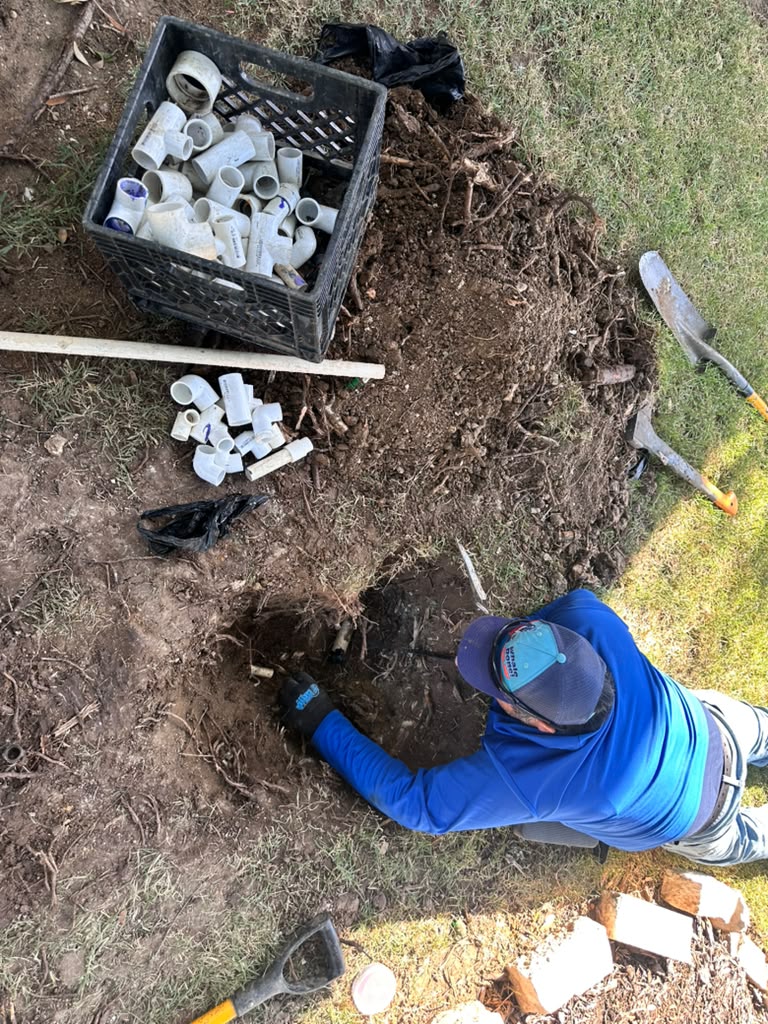
- Cracked PVC Pipes: Underground PVC pipes can crack due to soil movement, tree root intrusion, age-related wear, or freezing temperatures during cold weather. Even small cracks can allow significant water loss over time. Prompt repairs help maintain proper water pressure and prevent further damage to the irrigation system.
- Valve Box Leaks: Valve boxes contain components that regulate water flow throughout the irrigation system. Over time, seals, diaphragms, and connections can wear out or become damaged. Leaks in these areas may go unnoticed for extended periods, leading to water waste, reduced efficiency, and higher utility costs.
- Drip Line Leaks: Drip irrigation lines can develop leaks from punctures, cracked tubing, loose emitters, or accidental damage during yard work. Although each leak may seem minor, continuous water loss can add up significantly over time. Regular inspections help detect issues early and keep irrigation systems operating efficiently.
Each type requires a different repair approach, and identifying the exact source is crucial.
Professional Techniques for Detecting Hidden Leaks
While DIY inspections are useful, professional tools provide more accurate detection.
Experts often use:
- Acoustic leak detection equipment
- Pressure testing devices
- Thermal imaging tools
- Soil moisture sensors
These advanced methods allow technicians to pinpoint leaks without unnecessary digging, preserving your landscape.
Local homeowners can also benefit from municipal water conservation resources available through the City of The Colony Official Website, which provides updates on water usage guidelines and community conservation efforts.
Preventing Irrigation System Leaks in The Colony TX
Prevention is always more cost-effective than repair. Regular maintenance helps ensure your system operates efficiently year-round.
Schedule Seasonal Inspections
Checking your irrigation system at least twice a year—before the summer watering season and after winter—can help identify potential issues early. Seasonal inspections allow you to detect leaks, damaged sprinkler heads, worn components, or pressure problems before they become costly repairs and affect overall system performance.
Adjust Water Pressure
Maintaining proper water pressure is essential for a healthy irrigation system. Excessive pressure can place unnecessary stress on pipes, valves, fittings, and sprinkler heads, increasing the likelihood of leaks or component failure. Regular pressure checks help ensure efficient operation, extend equipment lifespan, and reduce water waste.
Clean Sprinkler Heads
Over time, dirt, grass clippings, and other debris can accumulate around sprinkler heads and nozzles. These blockages can disrupt water flow, create uneven coverage, and increase strain on the system. Routine cleaning helps maintain consistent performance, improves irrigation efficiency, and reduces the risk of leaks developing.
Upgrade Aging Components
As irrigation systems age, components such as sprinkler heads, valves, seals, and pipes naturally experience wear and deterioration. Older parts are more susceptible to cracks, leaks, and failures. Replacing worn-out components with newer, more reliable alternatives can improve system efficiency and significantly reduce repair needs.
Install Smart Irrigation Controllers
Smart irrigation controllers automatically adjust watering schedules based on weather conditions, soil moisture levels, and seasonal changes. By preventing unnecessary watering and reducing excessive system operation, these controllers help minimize strain on irrigation components, conserve water, improve efficiency, and lower the likelihood of leak-related issues.
The Texas A&M AgriLife Extension Service offers research-based guidance on sustainable lawn irrigation practices suited for Texas climates.
Cost Implications of Ignoring Irrigation Leaks
Ignoring leaks can quickly lead to higher expenses. Small leaks may seem harmless, but over time they can:
- Increase monthly water bills significantly
- Damage landscaping and plant health
- Cause soil erosion and foundation issues
- Lead to full system replacement in severe cases
Early detection is not just about saving water—it’s about protecting your property investment.
When to Call a Professional
While minor issues like sprinkler head replacement can be handled by homeowners, more complex problems require expert intervention. You should call a professional if:
- Leak location is unknown
- Multiple zones are affected
- Underground piping is suspected
- Water pressure issues persist
Professional irrigation technicians can diagnose and repair issues efficiently, preventing further damage.
Seasonal Challenges in The Colony TX
The climate in The Colony presents several unique challenges for irrigation systems throughout the year. During the long, hot summer months, lawns and landscapes require more frequent watering, placing additional demand on sprinkler systems and increasing wear on components. At the same time, occasional cold snaps during the winter can cause pipes, valves, and fittings to contract, crack, or become damaged if they are not properly maintained. The area’s clay-heavy soil creates another concern, as it expands when wet and shrinks during dry periods, placing stress on underground irrigation lines.
Additionally, clay soil tends to retain moisture, making leaks more difficult to identify through visual inspection alone. Because of these local conditions, routine inspections are especially important for homeowners in The Colony to detect issues early, prevent water waste, maintain efficient irrigation performance, and avoid costly repairs.
Conclusion
Understanding and addressing irrigation system leaks in The Colony TX early can protect your landscape, reduce water waste, and prevent costly repairs over time. Regular inspection, proper maintenance, and awareness of warning signs are key to keeping your system efficient year-round.
For expert assistance with irrigation system leaks in The Colony TX, contact Whale Done Sprinklers & Irrigation at +1(469) 384-7767 or email clientsupport@callwhaledone.com for professional support and reliable solutions tailored to your irrigation needs.