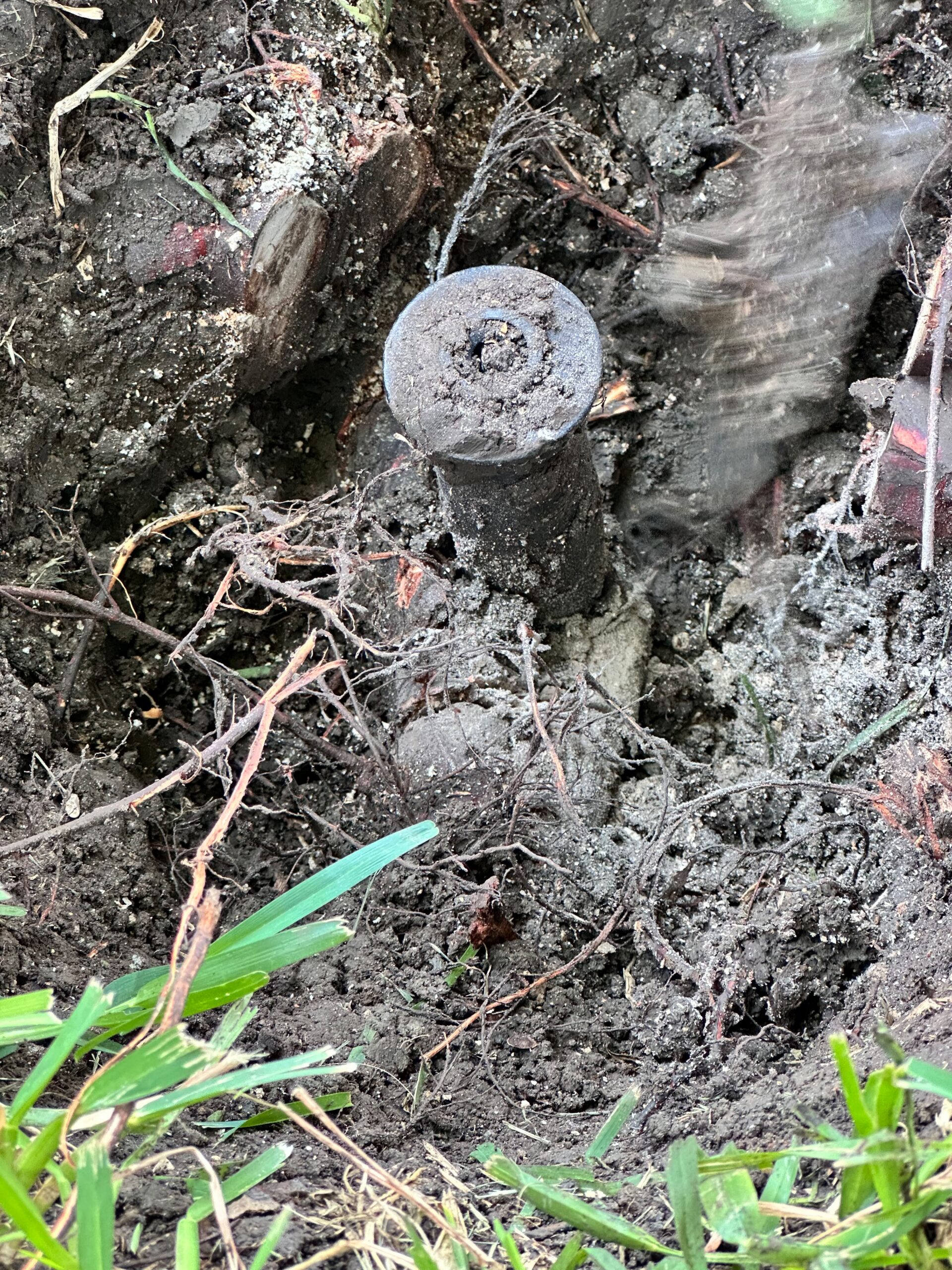
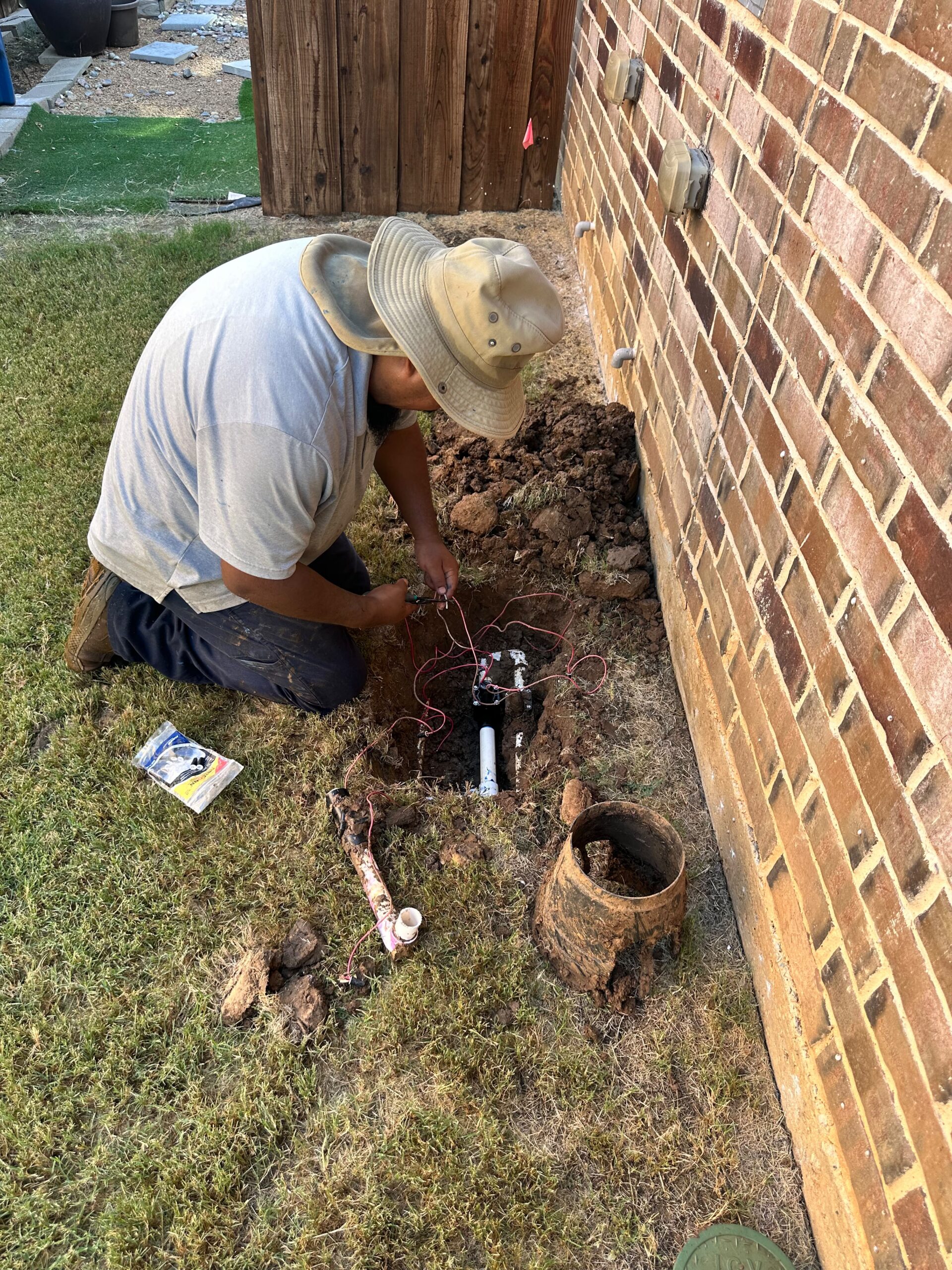
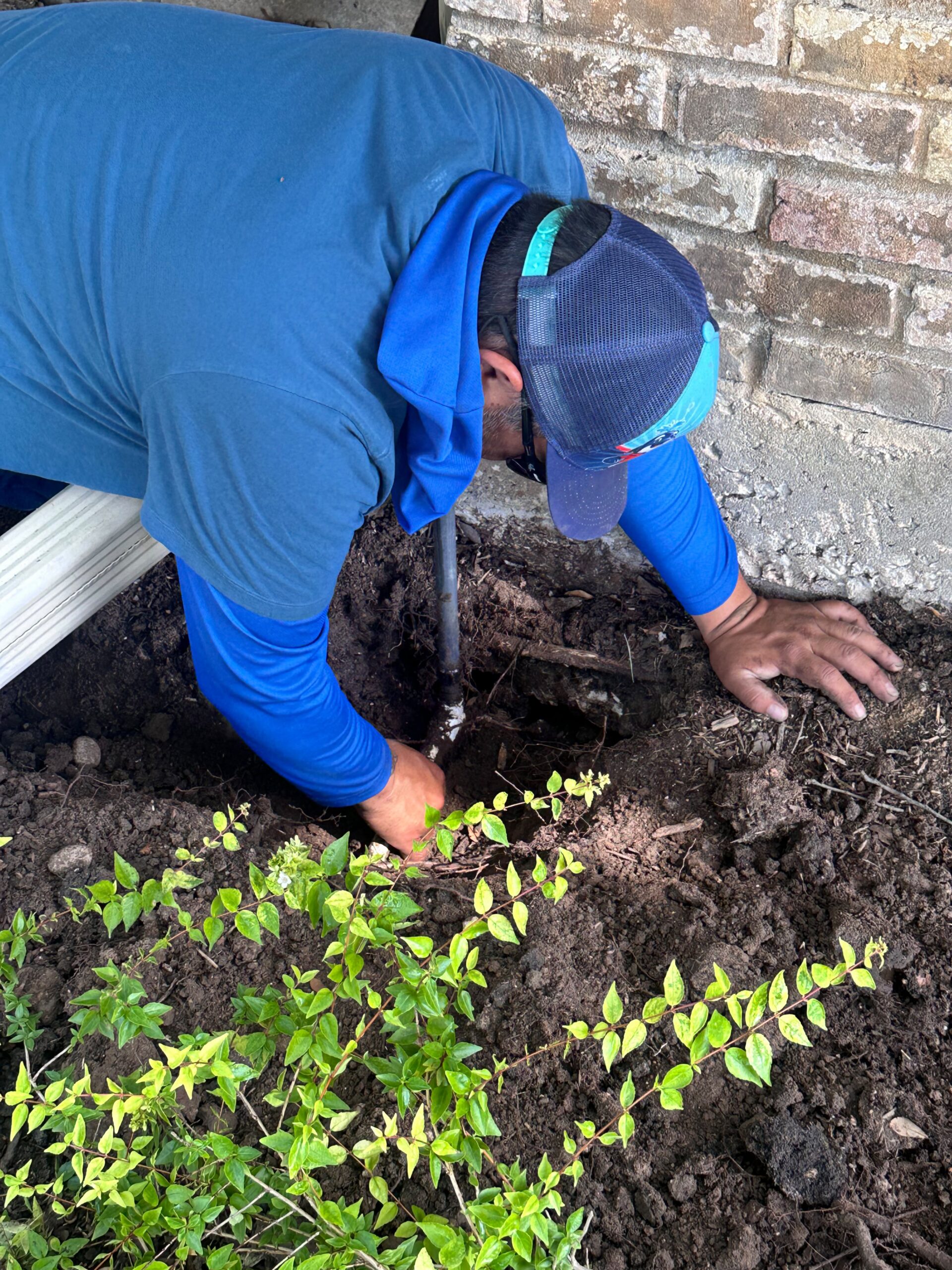
Irrigation system leaks in Aubrey TX can lead to significant water waste, higher utility bills, unhealthy landscapes, and costly repairs if left unaddressed. While many property owners focus on watering schedules and lawn care, preventing leaks is equally important for maintaining an efficient irrigation system. Even a small leak can gradually develop into a larger issue that affects the performance of your entire irrigation network.
Aubrey’s climate presents unique challenges for irrigation systems. Hot summers, changing soil conditions, and seasonal weather fluctuations can place additional stress on underground pipes, sprinkler heads, valves, and fittings. Understanding how leaks develop and implementing preventative measures can help homeowners and property managers avoid unnecessary expenses while preserving the health of their landscapes.
This guide explores practical strategies to prevent irrigation leaks, recognize warning signs early, and keep your system operating efficiently throughout the year.
Understanding Why Irrigation Leaks Occur
Preventing leaks begins with understanding their causes. Irrigation systems consist of numerous interconnected components that work together to distribute water evenly across a property. Over time, wear and tear can compromise these components.
Common causes of irrigation leaks include:
- Aging pipes and fittings
- Cracked sprinkler heads
- Damaged valves
- Tree root intrusion
- Soil shifting and settling
- Excessive water pressure
- Improper installation
- Freeze-related damage
- Construction or landscaping accidents
Many leaks develop gradually and remain hidden underground for extended periods. As a result, property owners may not notice a problem until they experience unusual water bills or visible landscape damage.
Schedule Routine System Inspections
One of the most effective ways to prevent leaks is through regular inspections. Routine evaluations allow property owners to identify minor issues before they become expensive repairs.
Inspect your irrigation system at least once every season. During the inspection, examine:
- Sprinkler heads
- Valve boxes
- Pipes
- Drip irrigation lines
- Backflow preventers
- Controllers
- Connection points
Turn on each irrigation zone individually and observe how water flows through the system. Look for irregular spray patterns, pooling water, low pressure, or areas receiving too much or too little water.
The WaterSense program also recommends regular irrigation system evaluations to improve water efficiency and reduce unnecessary water loss.
Monitor Water Pressure Levels
Excessive water pressure is a leading contributor to irrigation leaks. When pressure exceeds recommended limits, pipes, fittings, and sprinkler heads experience additional stress that can eventually result in cracks or failures.
Signs of excessive water pressure include:
- Misting around sprinkler heads
- Uneven water distribution
- Frequent sprinkler head breakage
- Leaking fittings
- Water hammer sounds
Installing a pressure regulator can help maintain consistent pressure throughout the system. This simple component protects irrigation equipment and extends the lifespan of critical parts.
Periodic pressure testing helps ensure the system operates within manufacturer specifications.
Replace Damaged Sprinkler Heads Promptly
Sprinkler heads are among the most exposed components of any irrigation system. Lawn equipment, foot traffic, vehicles, and weather conditions can all cause damage.
A damaged sprinkler head may:
- Leak continuously
- Spray unevenly
- Produce weak coverage
- Waste substantial amounts of water
Property owners should routinely inspect heads for:
- Cracks
- Missing nozzles
- Tilted positioning
- Broken seals
- Obstructions
Prompt replacement prevents small issues from escalating into larger leaks that affect system performance.
Protect Underground Pipes
Many irrigation leaks occur underground, making them difficult to detect. Pipes buried beneath lawns and landscaped areas are susceptible to various environmental pressures.
Potential threats include:
- Soil movement
- Tree root growth
- Heavy equipment traffic
- Ground settling
- Excavation projects
Before performing landscaping work, always locate irrigation lines. Avoid planting large trees directly over buried pipes whenever possible.
For guidance on safe digging practices, property owners can consult the Texas 811 service before beginning excavation projects.
Protecting underground infrastructure significantly reduces the likelihood of accidental damage.
Check for Early Warning Signs
Many irrigation leaks provide subtle clues before becoming major problems. Learning to recognize these warning signs allows for faster intervention.
Watch for:
Unusually High Water Bills
A sudden increase in water usage often indicates hidden leakage somewhere within the system.
Wet Spots in the Lawn
Areas that remain consistently damp may signal underground pipe leaks.
Erosion Around Sprinklers
Water escaping from damaged components can gradually wash away surrounding soil.
Reduced Water Pressure
Leaks often cause pressure loss throughout affected irrigation zones.
Patchy Plant Growth
Overwatering in one area and insufficient watering in another may indicate leakage disrupting normal distribution.
Early detection minimizes water waste and reduces repair costs.
Winterize the Irrigation System
Although Aubrey typically experiences mild winters, occasional freezing temperatures can still cause significant irrigation damage.
When water freezes inside pipes, it expands. This expansion can crack pipes, valves, fittings, and sprinkler heads.
Winterization helps prevent:
- Burst pipes
- Cracked valves
- Broken fittings
- Spring startup leaks
Key winterization steps include:
- Turning off water supply lines
- Draining irrigation components
- Insulating exposed equipment
- Inspecting vulnerable areas
Seasonal preparation reduces the risk of freeze-related failures when temperatures unexpectedly drop.
Maintain Irrigation Valves
Valves control water flow throughout the system. When valves begin to fail, they may leak internally or externally.
Common valve issues include:
- Worn diaphragms
- Damaged seals
- Debris buildup
- Corrosion
- Electrical malfunctions
Routine valve inspections help identify developing problems before they affect the entire irrigation network.
Signs of valve problems may include:
- Zones that continue running after shutdown
- Constantly wet valve boxes
- Unusual noises during operation
- Inconsistent watering schedules
Regular maintenance helps preserve valve performance and prevent water loss.
Upgrade Aging Components
Older irrigation systems often contain components that have reached the end of their service life.
Aging equipment may include:
- Brittle pipes
- Worn seals
- Outdated sprinkler heads
- Corroded fittings
- Inefficient controllers
Modern irrigation technology offers improved durability and leak resistance.
Many newer systems incorporate water-saving features recommended by organizations such as the Irrigation Association.
Upgrading critical components can improve efficiency while reducing the likelihood of future leaks.
Use Smart Irrigation Technology
Advancements in irrigation technology provide additional tools for leak prevention.
Smart irrigation systems can:
- Monitor water usage
- Detect abnormal flow rates
- Adjust watering schedules automatically
- Reduce overwatering
- Send alerts when issues arise
Flow sensors are particularly valuable because they can identify unusual water movement that may indicate a leak.
By continuously monitoring system performance, smart technology allows property owners to address problems before significant water loss occurs.
Maintain Healthy Soil Conditions
Soil conditions directly influence irrigation system performance. Aubrey’s clay-rich soils can expand and contract depending on moisture levels.
This movement may place stress on:
- Pipes
- Fittings
- Valves
- Sprinkler assemblies
To reduce soil-related issues:
- Avoid excessive watering
- Improve drainage where necessary
- Use mulch to regulate moisture levels
- Prevent severe soil erosion
Healthy soil conditions help maintain stable support for underground irrigation infrastructure.
Avoid Overwatering
Overwatering not only wastes water but also increases pressure on irrigation components.
Excessive watering can contribute to:
- Soil erosion
- Pipe movement
- Valve strain
- Premature equipment wear
Creating a well-designed watering schedule based on seasonal conditions helps reduce unnecessary stress on the system.
The Texas A&M AgriLife Extension provides valuable guidance on efficient landscape watering practices suited to Texas conditions.
Balanced irrigation promotes healthier landscapes while protecting system components.
Conduct Annual Professional Evaluations
While routine homeowner inspections are beneficial, annual professional assessments provide a more comprehensive evaluation.
Professional inspections typically include:
- Pressure testing
- Leak detection
- Controller analysis
- Valve assessments
- Coverage evaluations
- Component performance checks
Experienced irrigation specialists can often identify hidden vulnerabilities before they develop into costly repairs.
An annual evaluation serves as preventative maintenance that can save substantial money over the lifespan of the system.
Benefits of Preventing Irrigation Leaks
Proactive leak prevention offers several advantages beyond simple water conservation.
These benefits include:
Lower Water Bills
Reducing water waste directly decreases monthly utility costs.
Healthier Landscapes
Consistent irrigation promotes stronger plant growth and improved lawn appearance.
Extended Equipment Life
Well-maintained systems experience less wear and require fewer repairs.
Environmental Responsibility
Conserving water helps protect local resources and supports sustainable landscaping practices.
Reduced Repair Costs
Addressing small issues early prevents expensive emergency repairs.
These long-term benefits make preventative maintenance a worthwhile investment for property owners throughout Aubrey.
Conclusion
Preventing irrigation system leaks in Aubrey TX requires a combination of routine inspections, timely maintenance, pressure management, seasonal preparation, and proactive system upgrades. By monitoring for early warning signs and addressing small issues before they escalate, property owners can reduce water waste, protect their landscapes, and extend the lifespan of their irrigation systems.
If you need professional assistance with irrigation system leaks in Aubrey TX, contact Whale Done Sprinklers & Irrigation for expert support and dependable service.
Business Name: Whale Done Sprinklers & Irrigation
Phone: +1 (469) 384-7767
Email: clientsupport@callwhaledone.com