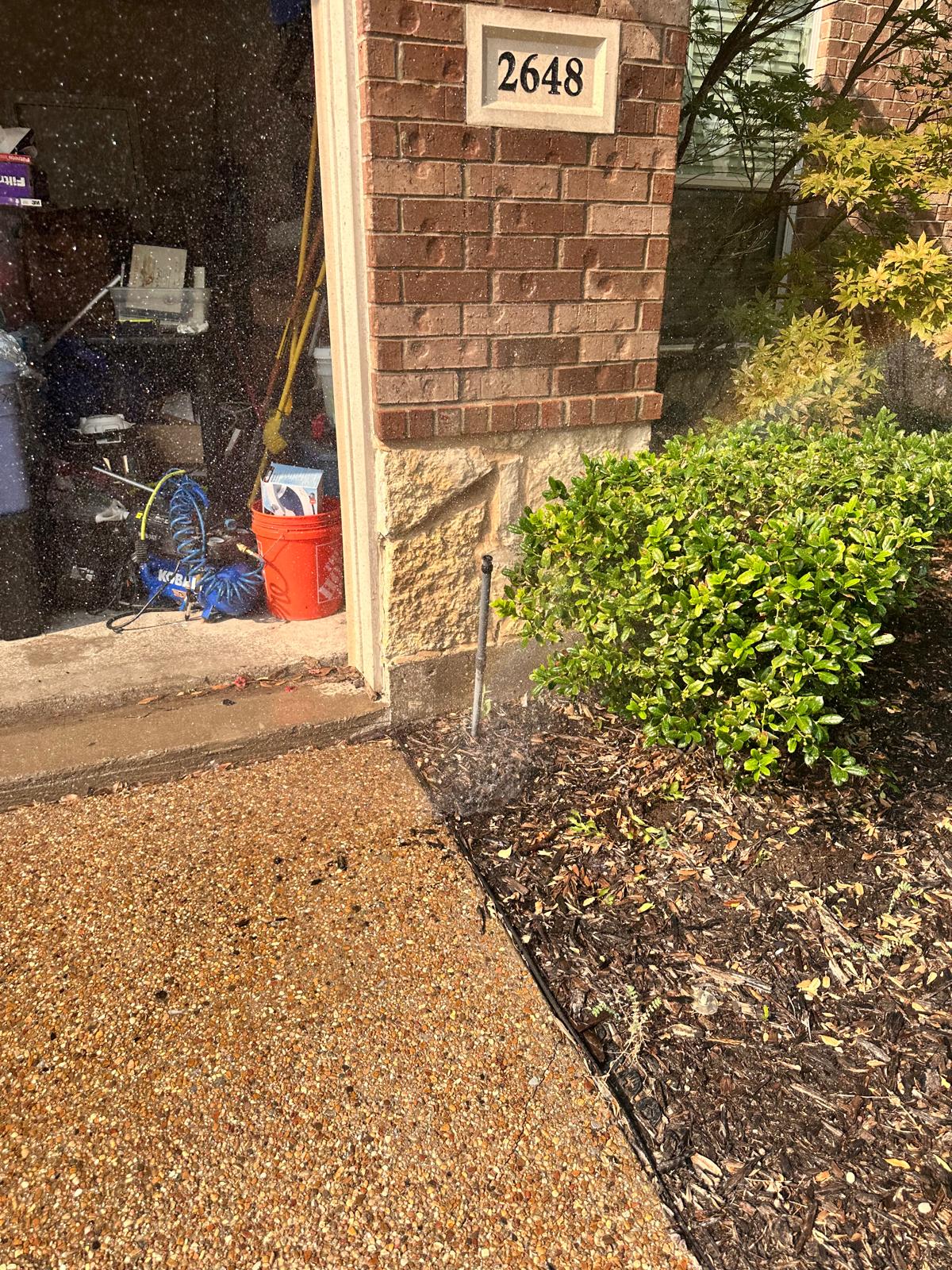
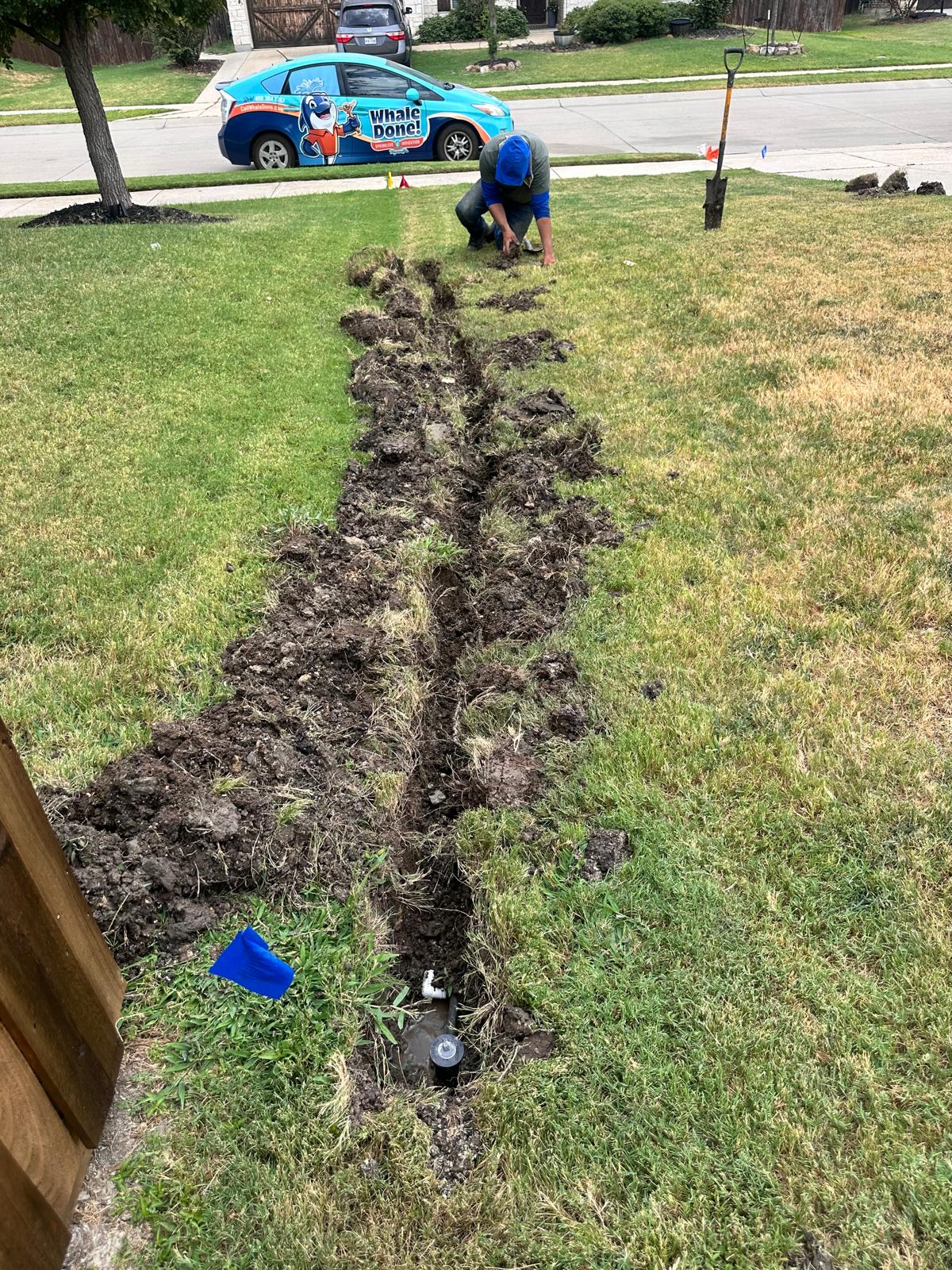
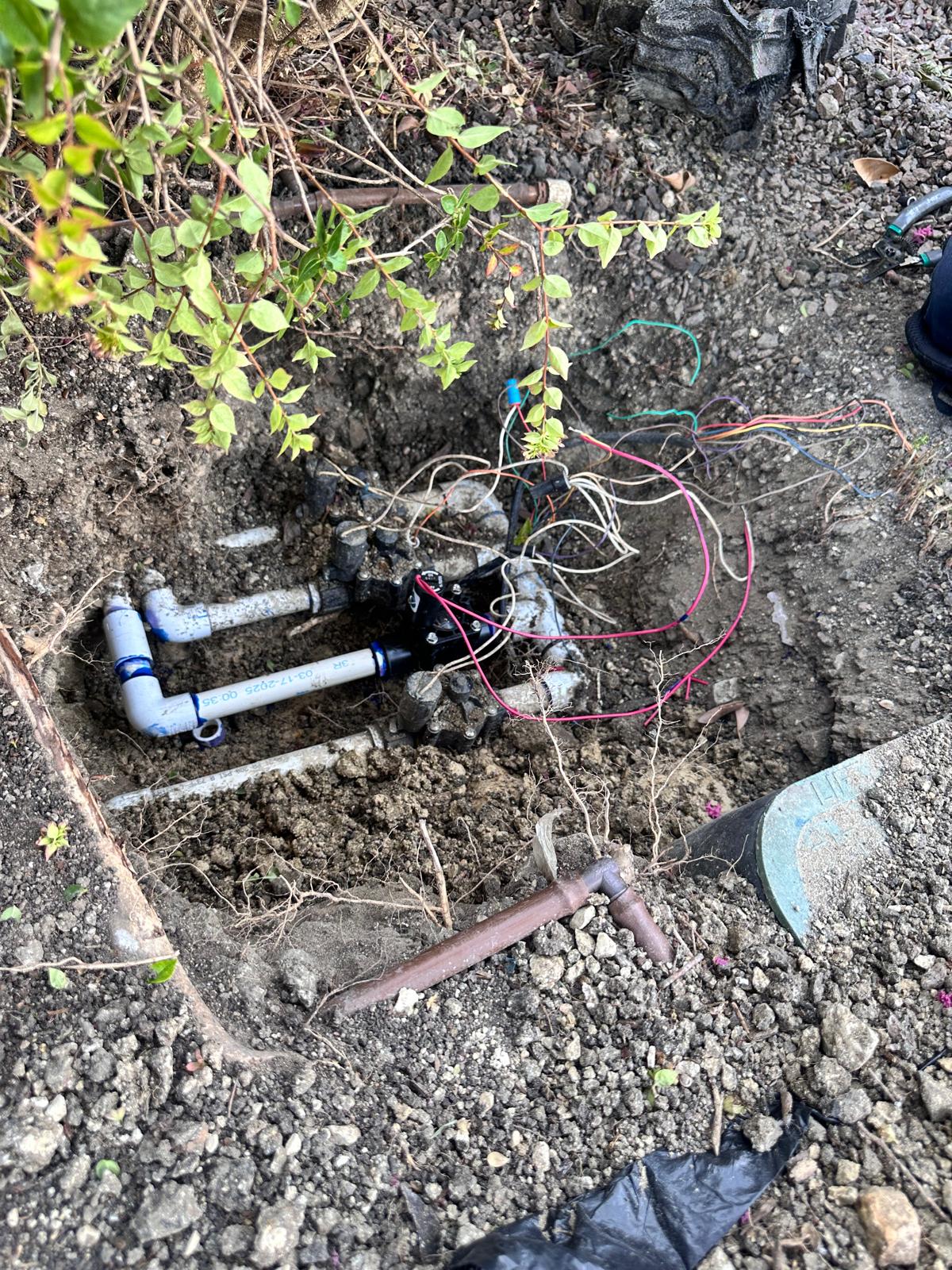
Sprinkler valve repair in The Colony TX is one of the most important services for maintaining a reliable and efficient irrigation system. While sprinkler heads and controllers often receive the most attention, the valve is the component that manages water flow throughout the entire system. Without properly functioning valves, irrigation zones may fail to operate correctly, causing overwatering, underwatering, increased utility costs, and potential landscape damage.
In a growing community like The Colony, maintaining healthy lawns, gardens, and commercial landscapes requires a dependable irrigation system. Understanding what a sprinkler valve does and why it is critical to overall system performance can help property owners identify problems early and avoid costly repairs later. Whether you own a residential property or manage a commercial landscape, knowing how sprinkler valves operate can contribute to better water management and healthier outdoor spaces.
Understanding The Purpose Of A Sprinkler Valve
A sprinkler valve acts as a gatekeeper within an irrigation system. Its primary function is to regulate when and where water flows through different irrigation zones.
When the irrigation controller sends a signal, the designated valve opens, allowing water to move through the pipes and reach specific sprinkler heads. Once the watering cycle is complete, the valve closes and stops the water flow.
This process enables irrigation systems to:
- Water multiple zones independently
- Maintain proper water pressure
- Prevent unnecessary water usage
- Improve watering efficiency
- Support healthy plant growth
Without valves, irrigation systems would not be able to distribute water accurately across different areas of a property.
How Sprinkler Valves Work
Sprinkler valves are typically controlled electronically through a system controller. When a watering schedule activates a zone, an electrical signal travels to the valve solenoid.
The solenoid then creates a magnetic field that allows the valve diaphragm to open. Water flows through the valve and into the designated irrigation zone.
After the scheduled watering period ends:
- The controller stops sending power.
- The solenoid returns to its resting position.
- The diaphragm closes.
- Water flow stops.
This automated process occurs repeatedly throughout the irrigation season, often multiple times per week.
For additional information about irrigation efficiency, property owners can review guidance from the WaterSense program.
Why Irrigation Systems Use Multiple Valves
Modern irrigation systems are divided into zones because different landscape areas often have unique watering requirements.
For example:
- Front lawns may need regular irrigation.
- Flower beds may require lighter watering.
- Trees often need deep watering less frequently.
- Shaded areas may require less water than sunny sections.
Each zone operates through its own valve, allowing precise control over water distribution.
This zoning approach helps:
- Reduce water waste
- Improve plant health
- Prevent runoff
- Maintain consistent pressure
When a valve malfunctions, the entire zone it controls may experience watering issues.
Common Types Of Sprinkler Valves
Several types of valves are used in irrigation systems.
Electric Control Valves
These are the most common valves found in residential irrigation systems. They operate automatically through a controller and solenoid assembly.
Inline Valves
Inline valves are installed directly within the irrigation pipe and are often used for larger residential and commercial properties.
Anti-Siphon Valves
These valves include built-in backflow protection that helps prevent contaminated water from flowing backward into the potable water supply.
Manual Valves
Manual valves require physical operation and are generally found in older irrigation systems.
Each type serves a specific purpose depending on property size, water requirements, and local regulations.
Signs A Sprinkler Valve May Be Failing
Because valves are often hidden underground inside valve boxes, problems may not be immediately obvious.
Common warning signs include:
A Zone Won’t Turn On
If a zone fails to activate, the valve may not be opening properly.
Potential causes include:
- Electrical issues
- Solenoid failure
- Damaged diaphragm
- Wiring problems
A Zone Won’t Shut Off
Continuous water flow often indicates that a valve is stuck open.
This can lead to:
- Water waste
- High utility bills
- Landscape flooding
- Soil erosion
Uneven Water Distribution
When a valve is partially restricted, sprinkler heads may receive inconsistent pressure.
Symptoms may include:
- Weak spray patterns
- Dry spots
- Patchy lawn growth
Water Around Valve Boxes
Excess moisture near valve boxes may indicate leaking valve components.
Prompt inspection can help prevent larger irrigation problems.
Why Sprinkler Valve Repair in The Colony TX Fail
Like any mechanical component, sprinkler valves experience wear over time.
Several factors contribute to valve failure.
Debris Accumulation
Small particles such as dirt, sand, and sediment can enter the irrigation system.
Over time, debris may:
- Prevent complete valve closure
- Damage diaphragms
- Restrict water flow
Age And Wear
Continuous operation causes components to gradually deteriorate.
Older valves may develop:
- Cracked housings
- Worn diaphragms
- Weak springs
- Solenoid failures
Electrical Problems
Irrigation valves rely on electrical communication from the controller.
Issues may involve:
- Damaged wiring
- Corrosion
- Faulty connections
- Controller malfunctions
Weather Conditions
Texas weather can place additional stress on irrigation systems.
Heat, soil movement, and seasonal fluctuations can affect valve performance and longevity.
The Impact Of A Faulty Valve On Water Efficiency
A malfunctioning valve can significantly reduce irrigation efficiency.
Even a minor leak may result in substantial water loss over time.
According to resources provided by the Irrigation Association, efficient irrigation practices help conserve water while maintaining landscape health.
When valves operate correctly, irrigation systems deliver the right amount of water exactly where it is needed.
Benefits include:
- Reduced water consumption
- Lower utility expenses
- Improved plant health
- Better system performance
Ignoring valve issues often results in unnecessary resource waste and increased operating costs.
Why Professional Diagnosis Matters
Many irrigation problems produce similar symptoms.
For example:
- Low pressure may stem from a valve issue.
- Broken sprinkler heads can mimic valve problems.
- Controller malfunctions may appear to be valve failures.
Professional diagnosis helps determine the true source of the issue before repairs begin.
Technicians often evaluate:
- Valve operation
- Electrical continuity
- Water pressure
- Solenoid performance
- Controller communication
This systematic approach reduces guesswork and improves repair accuracy.
Components Commonly Repaired During Valve Service
A valve assembly contains several individual components.
Repairs may involve replacing:
Solenoids
The solenoid receives electrical signals from the controller.
Failed solenoids can prevent valves from opening or closing correctly.
Diaphragms
The diaphragm regulates water movement inside the valve.
Damaged diaphragms often cause leaks or operational failures.
Springs
Internal springs assist with proper valve closure.
Worn springs may affect water flow control.
Wiring Connections
Corroded or damaged wiring can interrupt communication between the controller and valve.
Replacing faulty connections restores system functionality.
Benefits Of Timely Valve Repair
Addressing valve issues promptly offers several advantages.
- Improved Water Management: Proper valve operation ensures water reaches the intended areas without waste.
- Lower Utility Costs: Reducing leaks and inefficient watering can decrease monthly water expenses.
- Healthier Landscapes: Consistent irrigation promotes stronger lawns, plants, and trees.
- Reduced Risk Of Major Repairs: Minor valve issues often become larger and more expensive if left unresolved.
- Better System Longevity: Maintaining valves helps protect other irrigation components from unnecessary strain.
Seasonal Considerations For Irrigation Valves
Sprinkler systems require attention throughout the year.
Seasonal inspections can help identify developing valve issues before they become serious problems.
Recommended maintenance practices include:
- Checking valve boxes regularly
- Inspecting for leaks
- Testing all irrigation zones
- Monitoring water pressure
- Reviewing controller settings
The Texas Commission on Environmental Quality also provides information related to water conservation and responsible water use practices.
Routine inspections can significantly improve irrigation reliability.
How Property Owners Can Help Prevent Valve Problems
While professional maintenance remains important, property owners can take several preventive measures.
Monitor Water Bills
Regularly reviewing monthly water bills can help identify unusual increases in usage. Unexpected spikes often indicate hidden irrigation leaks, malfunctioning sprinkler valves, or underground system issues requiring prompt attention and professional evaluation.
Watch For Landscape Changes
Pay close attention to changes in your lawn and landscape appearance. Brown patches, overly saturated areas, standing water, or excessive runoff may indicate irrigation system inefficiencies, valve problems, or hidden leaks.
Keep Valve Boxes Accessible
Ensure valve boxes remain visible and easy to access throughout the year. Avoid covering them with soil, mulch, grass, or landscaping materials, as accessibility simplifies inspections, maintenance, troubleshooting, and repairs.
Schedule Routine Inspections
Professional irrigation inspections performed on a regular basis help detect developing issues early. Routine evaluations can uncover valve wear, leaks, pressure problems, and other concerns before expensive repairs become necessary.
Update Aging Components
As irrigation systems age, components naturally experience wear and reduced performance. Replacing outdated valves and related parts with modern alternatives can improve efficiency, reliability, water conservation, and overall system operation.
Additional water-saving recommendations can be found through the Water Use It Wisely initiative.
Why Valve Performance Matters In The Colony TX
The Colony experiences periods of intense summer heat that place greater demands on irrigation systems.
When valves operate properly, landscapes receive consistent watering during critical growing periods. Reliable valve performance also helps homeowners comply with local watering practices while maintaining attractive outdoor spaces.
Whether irrigating turfgrass, flower beds, shrubs, or trees, efficient valve operation remains a key factor in overall landscape success.
Because irrigation systems depend on valves to regulate every watering cycle, even a small malfunction can affect an entire property’s watering performance. Proactive maintenance and timely repairs help ensure irrigation systems continue operating effectively throughout the year.
Conclusion
Sprinkler valve repair in The Colony TX plays a vital role in maintaining efficient irrigation systems, conserving water, and protecting landscape investments. Since sprinkler valves control the flow of water to individual zones, their performance directly impacts watering accuracy, utility costs, and overall system reliability. Recognizing early warning signs and addressing problems quickly can help prevent larger irrigation issues and extend the lifespan of your system.
For professional assistance with sprinkler valve repair in The Colony TX, contact Whale Done Sprinklers & Irrigation. Their experienced team can help diagnose valve problems, improve irrigation efficiency, and keep your landscape performing at its best.
Whale Done Sprinklers & Irrigation
Phone: +1 (469) 384-7767
Email: clientsupport@callwhaledone.com