A home foundation in Celina TX is one of the most critical structural components of any property, yet it is often overlooked until visible problems arise. In North Texas, where expansive clay soils are common, poor yard drainage can create serious risks for long-term structural stability. When water is not properly directed away from a home, it can accumulate around the foundation, leading to soil movement, pressure changes, and eventual damage. Understanding how drainage impacts your foundation is essential for protecting your investment and avoiding costly repairs.
Understanding Soil and Climate Conditions in Celina, TX
Celina’s environment plays a major role in how drainage affects residential properties. The region is known for its clay-heavy soil, which expands when wet and contracts when dry. This continuous cycle creates movement beneath and around foundations.
When drainage is poor, excessive moisture saturates the soil. As a result:
- Soil expands and pushes against the foundation
- Hydrostatic pressure builds along foundation walls
- Uneven settling may occur as moisture levels fluctuate
According to insights from the Texas A&M AgriLife Extension, soil composition in North Texas requires careful water management to prevent structural issues. Without proper drainage, even a well-built home can experience shifting over time.
How Poor Yard Drainage Impacts Foundations
Water accumulation around a property does more than create puddles—it directly affects the integrity of the structure. When drainage systems fail or are absent, several damaging processes can occur.
1. Soil Expansion and Contraction
Clay soils absorb water quickly. During heavy rain or overwatering, the soil expands, exerting pressure on the foundation. When dry conditions return, the soil contracts, leaving gaps beneath the structure. This repeated movement weakens the foundation over time.
2. Hydrostatic Pressure
Standing water increases pressure against foundation walls. This force can lead to:
- Cracks in concrete slabs
- Bowing or leaning walls
- Water intrusion into basements or crawl spaces
The Federal Emergency Management Agency (FEMA) highlights that unmanaged water pressure is one of the leading causes of foundation-related structural damage.
3. Erosion Around the Foundation
Poor drainage can wash away supporting soil, creating voids beneath the structure. This can result in uneven settling, which may cause visible cracks in walls, ceilings, and floors.
4. Increased Moisture Intrusion
Water pooling near the home increases the likelihood of moisture entering the structure. Over time, this can lead to:
- Mold growth
- Wood rot
- Damage to flooring and interior finishes
Signs Your Yard Drainage Is Affecting Your Foundation
Recognizing early warning signs can help prevent more serious structural issues. Homeowners in Celina should watch for:
- Cracks in interior or exterior walls
- Uneven or sloping floors
- Doors and windows that stick or do not close properly
- Standing water near the foundation after rainfall
- Gaps between walls and ceilings
- Soil pulling away from the foundation during dry periods
These symptoms often indicate that drainage issues are already influencing the foundation’s stability.
Home Foundation in Celina TX: Why Drainage Matters More Locally
Proper drainage is especially important for homeowners concerned about their home foundation in Celina, TX, because the area’s clay-rich soil retains moisture much longer than sandy or well-draining soils. When excessive water collects around a foundation, the clay expands, and during dry periods, it contracts, creating continuous soil movement that can stress the structure. Celina also experiences seasonal shifts between heavy rainfall and prolonged dry weather, which further intensify these expansion and contraction cycles.
In addition, rapid residential development can alter natural drainage patterns, while improper grading on newly constructed properties may cause water to pool near foundations. Together, these local conditions increase the likelihood of foundation settlement, cracks, and other costly structural problems if drainage is not properly managed.
The Environmental Protection Agency (EPA WaterSense) emphasizes efficient water management practices to reduce excess runoff and protect property structures. For homeowners, this means ensuring water flows away from the home rather than collecting around it.
Common Causes of Poor Yard Drainage
Understanding what leads to drainage problems is the first step in preventing foundation damage. Some of the most common causes include:
Improper Grading
When a yard slopes toward the home instead of directing water away, rainwater naturally collects around the foundation. Over time, even minor grading problems can allow excess moisture to build up, increasing the risk of soil expansion, foundation movement, water intrusion, and costly structural damage.
Clogged or Ineffective Gutters
Gutters and downspouts are designed to carry rainwater safely away from the home. When they become clogged with leaves, dirt, or debris, water overflows and accumulates near the foundation, saturating the surrounding soil and increasing the likelihood of drainage-related foundation issues over time.
Broken or Leaking Irrigation Systems
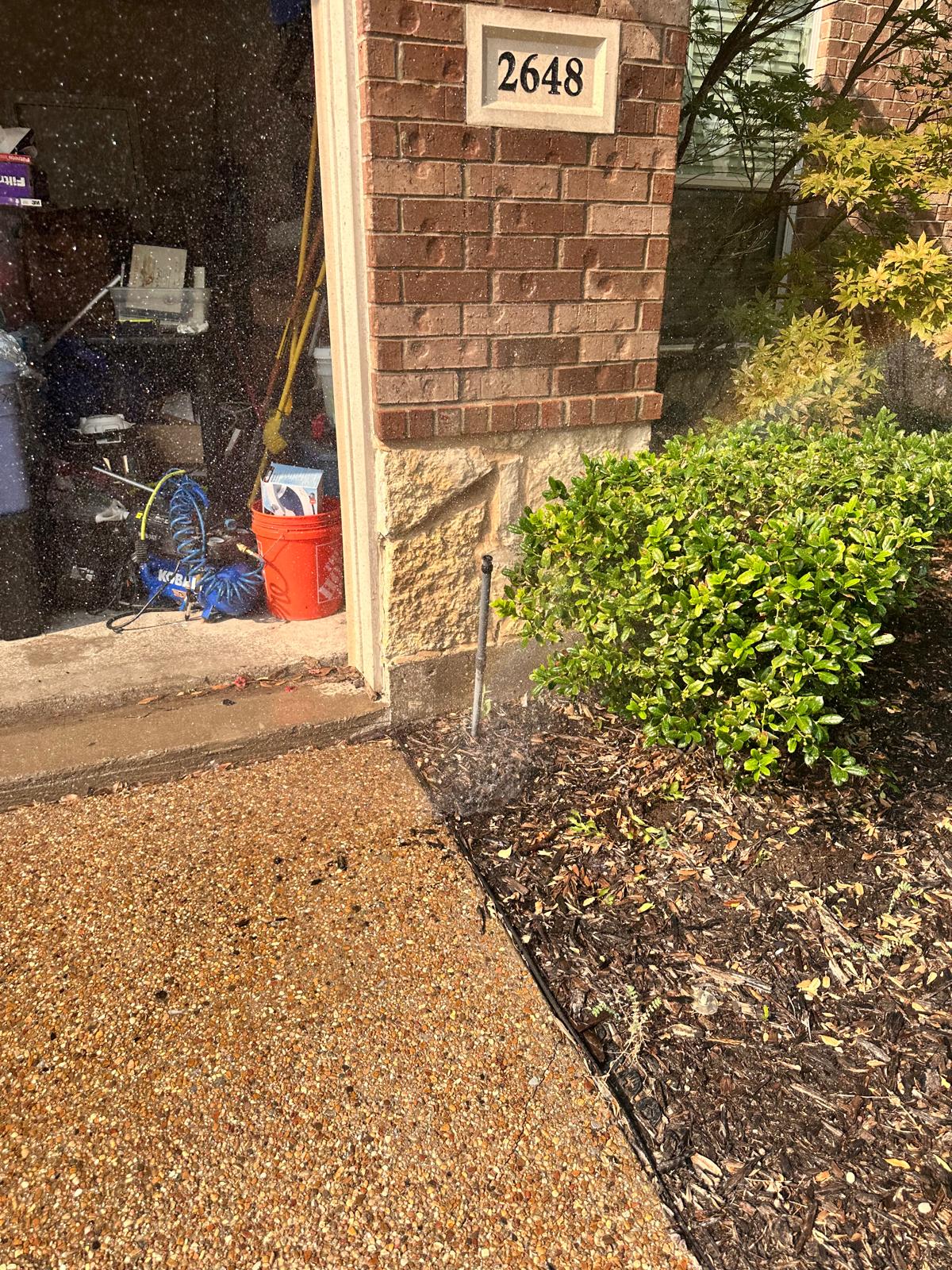
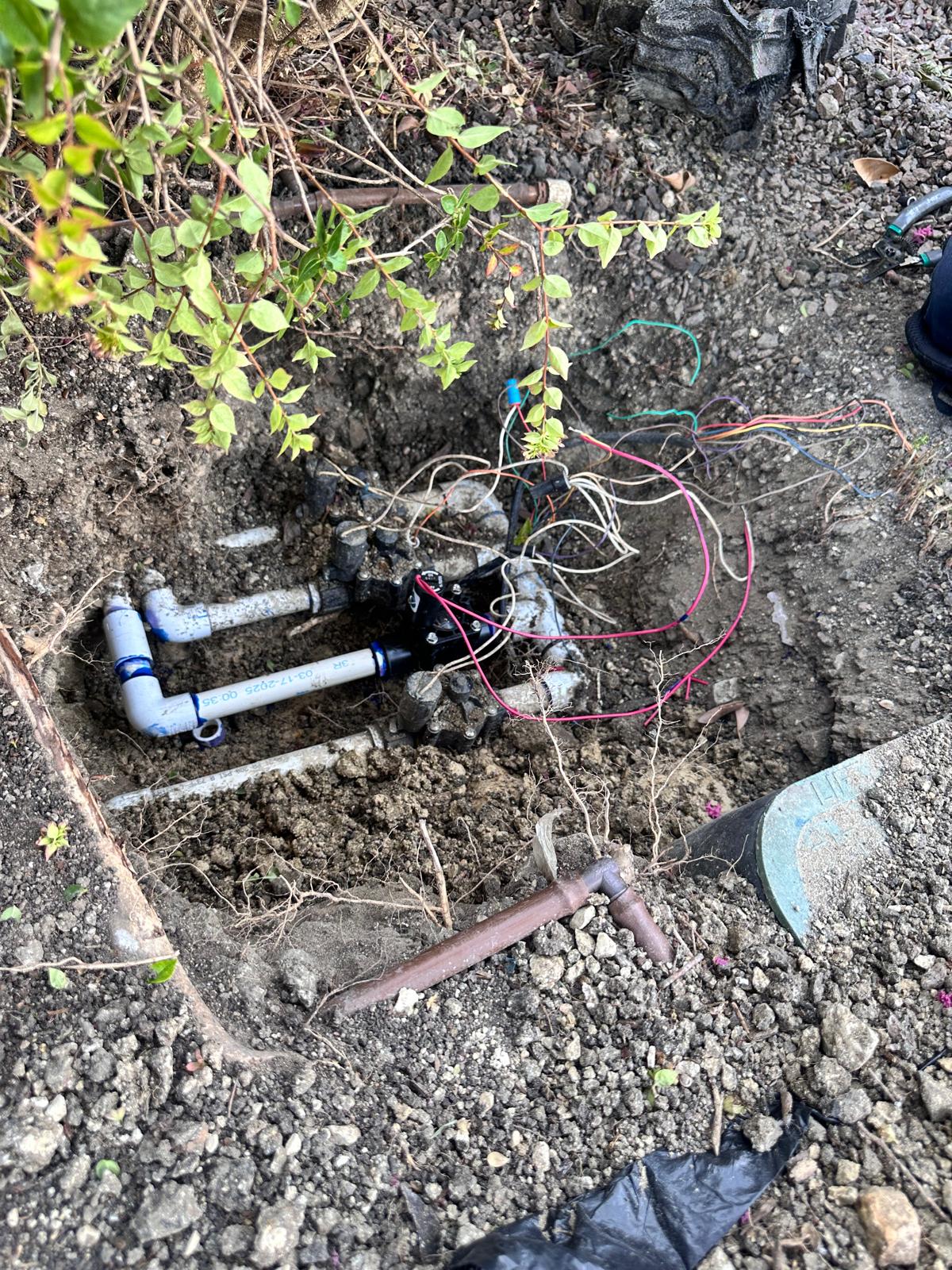
Underground irrigation leaks often go unnoticed because they may not produce visible surface water. However, continuous leakage can oversaturate the soil around the foundation, causing instability and soil movement. Regular inspections help detect hidden problems before they contribute to significant structural damage or expensive repairs.
Compacted Soil
Compacted soil limits the ground’s ability to absorb rainfall efficiently, causing excess water to remain on the surface instead of draining naturally. As runoff collects near the home, it can create persistent moisture around the foundation, increasing the risk of soil expansion, erosion, and structural movement.
Landscaping Features
Decorative landscaping elements such as flower beds, retaining borders, mulch, and hardscapes can unintentionally interfere with natural water flow if improperly designed. Raised planting areas near the foundation may trap moisture against the structure, creating favorable conditions for drainage problems and long-term foundation deterioration.
Effective Drainage Solutions for Celina Homes
Addressing drainage issues requires a tailored approach based on the property’s layout and soil conditions. Several solutions can significantly reduce the risk of foundation damage.
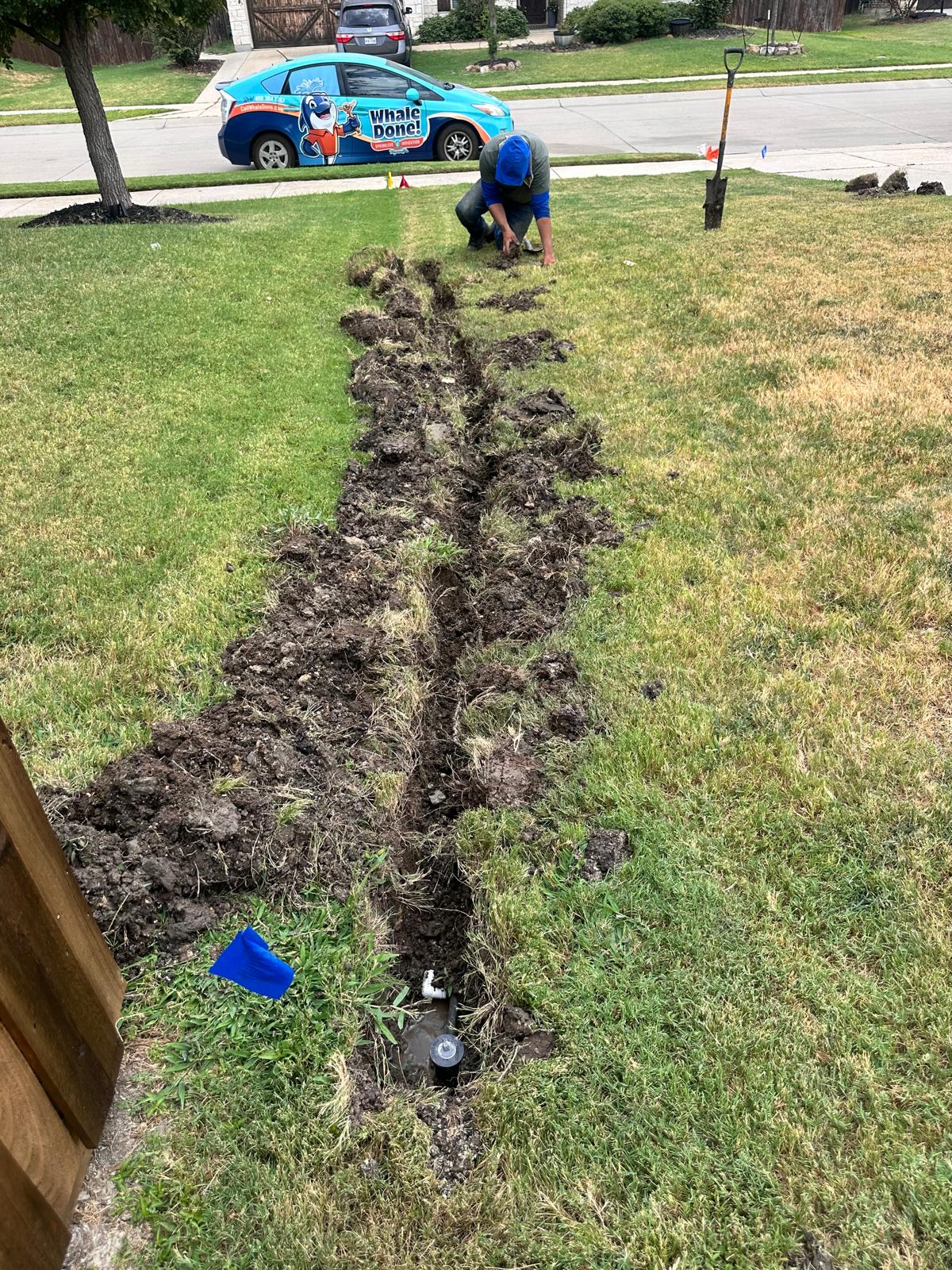
- French Drains: French drains are one of the most effective ways to redirect water away from a home. These systems use perforated pipes surrounded by gravel to channel water safely away from the foundation.
- Surface Drains: Catch basins and channel drains collect surface water and move it to designated drainage areas. These are particularly useful for areas prone to pooling.
- Proper Grading Adjustments: Regrading the yard ensures water flows away from the structure. Even minor adjustments can improve drainage significantly.
- Gutter and Downspout Extensions: Extending downspouts at least several feet away from the home helps prevent water from collecting near the foundation.
- Smart Irrigation Practices: Efficient watering systems reduce excess moisture. Using guidance from The Spruce Home Improvement can help homeowners adopt better irrigation habits that protect both landscaping and structural elements.
Preventative Maintenance for Long-Term Protection
Preventing drainage-related foundation issues requires ongoing attention. Homeowners should incorporate regular maintenance into their routine.
Routine Inspections
Inspect your property regularly, especially after heavy rainfall, for standing water, soil erosion, or signs of foundation movement. Identifying drainage issues early allows homeowners to address problems before they develop into costly structural damage or require extensive foundation repairs.
Seasonal Adjustments
Modify your irrigation schedule throughout the year to match seasonal weather patterns and rainfall levels. Reducing watering during wet periods helps prevent oversaturated soil around the foundation while maintaining consistent moisture levels during dry seasons.
Gutter Cleaning
Clean gutters and downspouts regularly to remove leaves, dirt, and other debris that can block water flow. Properly functioning gutters direct rainwater away from the home’s foundation, reducing the risk of pooling, erosion, and excess soil saturation.
Landscape Monitoring
Regularly evaluate your landscaping to ensure plants, mulch, flower beds, and decorative features do not trap water near the foundation. Maintaining proper spacing and grading encourages efficient drainage while helping protect the soil and foundation from excess moisture.
The Cost of Ignoring Drainage Problems
Neglecting yard drainage can lead to significant financial consequences. Foundation repairs are often complex and costly, especially when structural damage becomes severe.
Potential expenses include:
- Foundation leveling or underpinning
- Crack repairs and waterproofing
- Interior damage restoration
- Mold remediation
Investing in proper drainage solutions early is far more cost-effective than addressing advanced structural issues later.
Professional Assessment vs. DIY Solutions
While some drainage improvements, such as clearing gutters or extending downspouts, can be completed by homeowners, many drainage problems require a professional evaluation to ensure they are addressed correctly. An experienced specialist can accurately identify the underlying cause of drainage issues rather than simply treating the visible symptoms. They can also recommend the most effective solution based on your property’s grading, soil conditions, and water flow patterns while ensuring that drainage systems are installed properly for long-lasting performance.
Professional expertise also helps prevent recurring drainage problems that could eventually lead to costly foundation damage. Because every property in Celina has unique landscape features and drainage challenges, a customized approach is essential to achieve reliable, long-term protection for your home and foundation.
Final Thoughts
Protecting your home foundation in Celina TX starts with understanding how water interacts with your property. Poor yard drainage is not just a landscaping inconvenience—it is a serious structural concern that can lead to long-term damage if left unaddressed.
By recognizing early warning signs, implementing effective drainage solutions, and maintaining proper water management practices, homeowners can significantly reduce the risk of foundation problems. Proactive care ensures that your home remains stable, safe, and structurally sound for years to come.
Conclusion
If you are concerned about drainage issues affecting your home foundation in Celina TX, professional guidance can help you identify the right solution before problems worsen. Proper evaluation and targeted improvements can protect your property and prevent costly repairs.
For expert assistance, contact Whale Done Sprinklers & Irrigation at +1 (469) 384-7767 or email clientsupport@callwhaledone.com to discuss drainage solutions tailored to your property’s needs.