Downspouts in Prosper TX play a critical role in protecting your home from water damage, especially during heavy rainstorms common in North Texas. While gutters collect rainwater from your roof, downspouts are responsible for directing that water safely away from your home’s foundation. If they are not positioned correctly, even a well-designed drainage system can lead to costly structural issues, soil erosion, and landscape damage.
Homeowners in Prosper often underestimate the importance of proper water drainage. With the region’s clay-heavy soil and fluctuating weather conditions, improper runoff management can quickly lead to pooling water, foundation shifts, and even indoor moisture problems. Understanding how downspouts should function—and ensuring they are installed correctly—can make a significant difference in maintaining your property’s long-term stability.
Why Proper Downspout Drainage Matters
Downspouts are not just an accessory to your gutter system—they are essential for controlling how water moves around your home. When rainwater is not directed away efficiently, it accumulates near the foundation, increasing the risk of damage over time.
In Prosper TX, soil composition plays a major role in drainage behavior. Clay soils tend to expand when wet and shrink when dry. This constant movement can stress your home’s foundation, especially if water repeatedly pools near the base of the structure.
According to the EPA WaterSense Program, proper water management around homes not only protects structures but also promotes efficient water use and reduces environmental impact. This highlights how effective drainage systems serve both functional and sustainability purposes.
Should Downspouts Drain Away From the House?
The short answer is yes—downspouts should always drain away from the house.
Ideally, water should be directed at least 5 to 10 feet away from your foundation. This distance helps ensure that runoff does not seep back toward the structure, especially during prolonged rainfall.
When downspouts discharge water too close to the home, several problems can occur:
- Water infiltration into the foundation
- Basement or crawl space moisture issues
- Soil erosion around the property
- Damage to landscaping and hardscapes
- Increased risk of mold and mildew
In areas like Prosper TX, where storms can bring sudden heavy rainfall, the volume of water can overwhelm poorly placed downspouts, making proper placement even more critical.
Common Drainage Issues in Prosper TX Homes
Homeowners often encounter drainage problems without realizing that downspouts are the root cause. Some of the most common issues include:
1. Water Pooling Near the Foundation
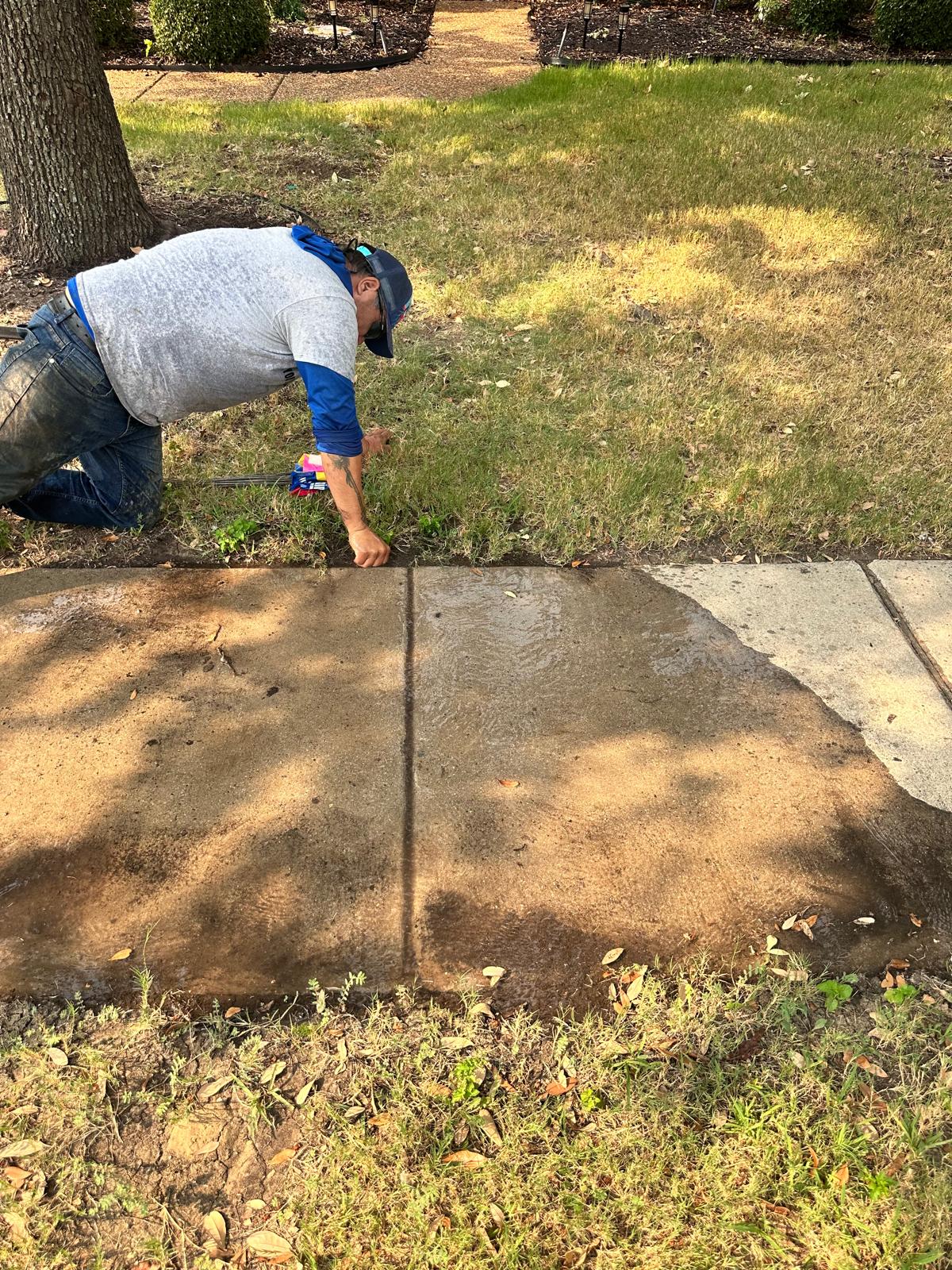
When downspouts are too short or improperly angled, rainwater collects around your home’s foundation instead of draining away. Over time, persistent moisture can weaken the foundation, create cracks, and increase the risk of costly structural repairs.
2. Soil Erosion
Fast-moving water discharged from downspouts can gradually wash away surrounding soil, exposing plant roots, damaging flower beds, and destabilizing landscaping features. Continuous erosion may also affect the grading needed for proper drainage around your home.
3. Basement or Slab Moisture
Even homes without basements can experience slab moisture problems when water repeatedly accumulates around the foundation. Excess moisture may contribute to foundation movement, indoor humidity, mold growth, and long-term structural concerns if left unaddressed.
4. Overflow During Heavy Rain
Clogged, damaged, or undersized downspouts may overflow during heavy rainfall, causing water to spill over gutters and onto exterior walls. This excess water can saturate the soil, damage siding, and threaten the home’s foundation.
The Irrigation Association emphasizes that proper water distribution and drainage are key components of maintaining healthy landscapes and preventing structural damage.
Best Practices for Downspouts in Prosper TX
To ensure your drainage system works effectively, it is important to follow best practices tailored to local conditions.
Extend Downspouts Away From the Home
Use downspout extensions or splash blocks to carry rainwater at least 5 to 10 feet away from your foundation. This simple improvement helps reduce soil saturation, minimizes erosion, and prevents water from collecting near your home’s structural base after heavy rainfall.
Use Underground Drainage Systems
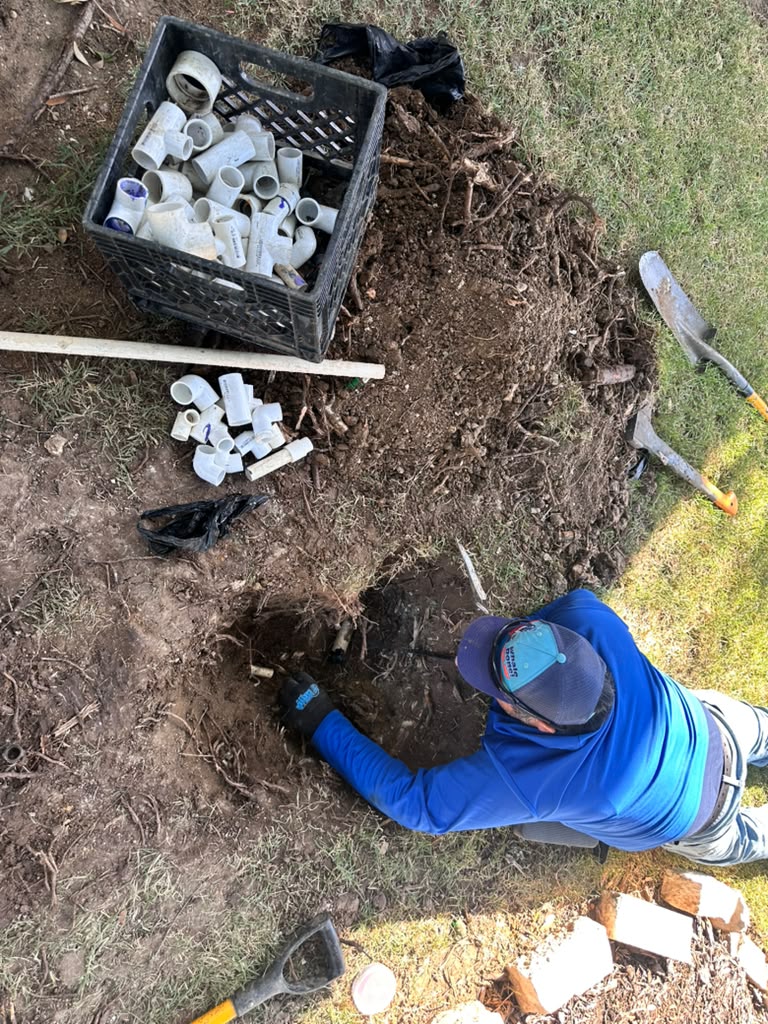
Underground drainage systems move rainwater through buried pipes to a safe discharge point, such as a dry well or storm drain. This solution keeps excess water away from the foundation, improves yard drainage, and maintains a cleaner, more attractive landscape appearance.
Maintain Proper Slope
The ground around your home should slope gently away from the foundation to encourage natural water runoff. Proper grading prevents standing water, reduces the risk of foundation movement, and supports the overall effectiveness of your gutter and downspout drainage system.
Install Splash Blocks or Diverters
Splash blocks and water diverters help control the force of water exiting the downspouts by spreading it over a wider area. This reduces soil erosion, protects landscaping, and prevents water from washing back toward the home’s foundation during storms.
Regular Maintenance
Inspect and clean your gutters and downspouts throughout the year to remove leaves, dirt, and other debris that can cause blockages. Routine maintenance ensures smooth water flow, prevents overflow, extends the lifespan of your drainage system, and helps avoid costly water damage.
The Texas A&M AgriLife Extension provides valuable guidance on managing water flow in clay soils, which is especially relevant for homeowners in Prosper TX.
The Impact of Soil and Weather in Prosper TX
Prosper’s soil conditions significantly influence how water behaves around your property. Clay soil absorbs water slowly, meaning runoff tends to accumulate quickly during storms. Once saturated, the soil expands, putting pressure on foundations and hard surfaces.
During dry periods, the same soil contracts, leaving gaps that can destabilize structures. This cycle makes proper drainage not just beneficial—but essential.
Additionally, seasonal storms can deliver large volumes of water in short periods. Without properly positioned downspouts, your home may struggle to handle this sudden influx, increasing the risk of damage.
Downspout Extensions vs. Underground Drains
Homeowners often choose between simple extensions and more advanced underground drainage systems.
Downspout Extensions
- Affordable and easy to install
- Effective for directing water short distances
- Visible and may affect aesthetics
Underground Drains
- More discreet and visually appealing
- Can handle larger volumes of water
- Require professional installation and maintenance
Both options can be effective, depending on your property layout and drainage needs. Consulting with a professional can help determine the best solution for your home.
Signs Your Downspouts Are Not Working Properly
Recognizing early warning signs can help prevent major issues. Watch for the following:
- Water stains on exterior walls
- Cracks in the foundation
- Persistent puddles near the home
- Mold or mildew odors indoors
- Erosion around landscaping features
If you notice any of these signs, it may be time to evaluate your drainage system and make necessary adjustments.
Integrating Downspouts With Landscaping
Proper drainage does not have to compromise your landscape design. In fact, it can enhance it when done correctly.
Rain Gardens
Rain gardens are shallow, landscaped depressions designed to naturally collect and absorb rainwater runoff from roofs, driveways, and lawns. They help reduce standing water, minimize soil erosion, improve water quality by filtering pollutants, and support native vegetation while adding an attractive, eco-friendly feature to your landscape.
Decorative Drainage Solutions
Decorative drainage solutions, such as gravel paths, dry creek beds, and natural stone channels, effectively direct excess water away from your home while enhancing your property’s appearance. These features help reduce erosion, prevent water pooling, and create visually appealing landscape elements that blend seamlessly with outdoor spaces.
Native Plants
Native plants are well-suited for areas surrounding drainage outlets because they can tolerate both wet and dry soil conditions throughout the year. Their deep root systems improve soil stability, reduce erosion, support local wildlife and pollinators, and require less maintenance once they are established.
The Spruce Gardening Guide highlights how integrating drainage solutions with landscaping can improve both functionality and aesthetics.
Preventative Maintenance Tips
Maintaining your downspouts is essential for long-term performance. Consider these tips:
- Clean gutters and downspouts regularly
- Inspect for leaks or disconnections
- Check extensions for proper positioning
- Ensure soil grading remains effective
- Monitor drainage after heavy rainfall
Routine inspections can help you catch minor issues before they become costly repairs.
Professional Inspection and Installation
While some homeowners may choose to install or modify drainage systems themselves, professional installation provides greater confidence that the system is designed to perform effectively under Prosper’s unique environmental conditions. Experienced professionals evaluate important factors such as soil type, property slope, roof size, expected rainwater volume, and the condition of existing drainage infrastructure before recommending the most suitable solution.
They can also identify hidden issues that may not be obvious during a DIY inspection, helping prevent costly problems in the future. A customized drainage plan ensures water is directed safely away from your home’s foundation, improves overall system efficiency, minimizes erosion, and provides long-term protection for your property, landscaping, and structural integrity through every season.
Long-Term Benefits of Proper Downspout Drainage
Investing in proper drainage offers several long-term advantages:
- Protects your foundation
- Reduces maintenance costs
- Enhances landscape durability
- Prevents water-related damage
- Improves overall property value
In a growing community like Prosper TX, maintaining your home’s structural integrity is essential for preserving its value and appeal.
Conclusion
Ensuring that downspouts in Prosper TX drain away from your home is one of the most important steps you can take to protect your property from water damage and foundation issues. With the area’s unique soil conditions and weather patterns, proper drainage is not optional—it is essential.
By extending downspouts, maintaining your system, and considering professional solutions when needed, you can prevent costly repairs and keep your home in excellent condition for years to come.
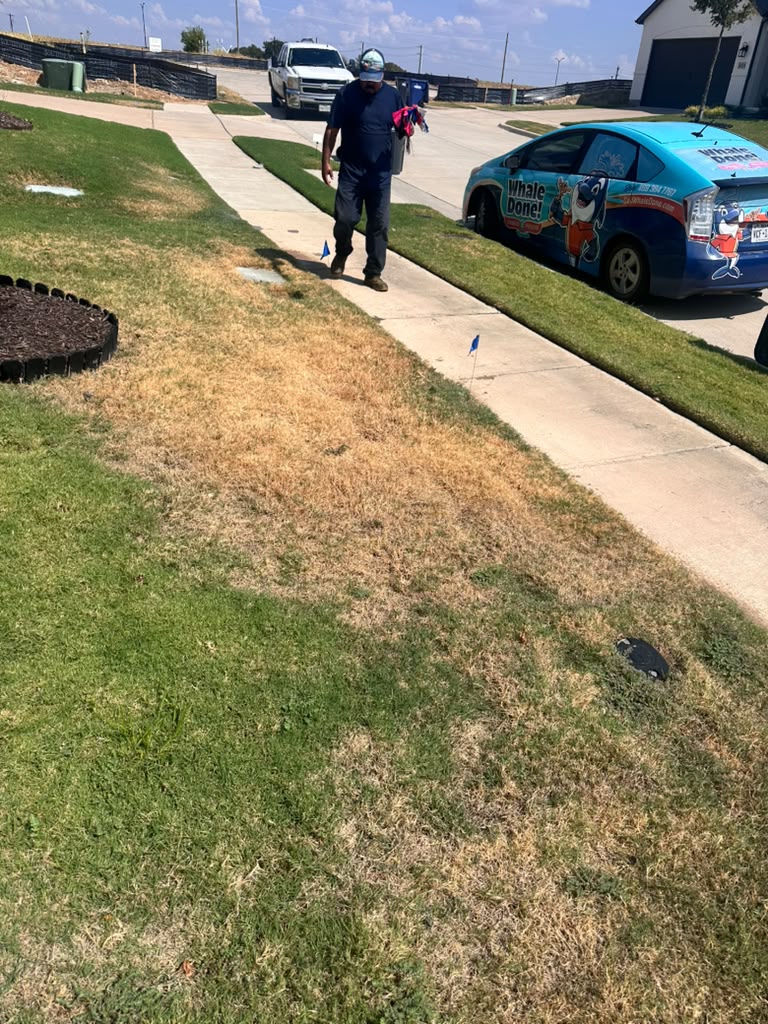
If you need expert assistance with drainage solutions, Whale Done Sprinklers & Irrigation is here to help.
📞 Phone: +1 (469) 384-7767
📧 Email: clientsupport@callwhaledone.com
Their team provides reliable support to ensure your drainage system works efficiently and protects your home year-round.