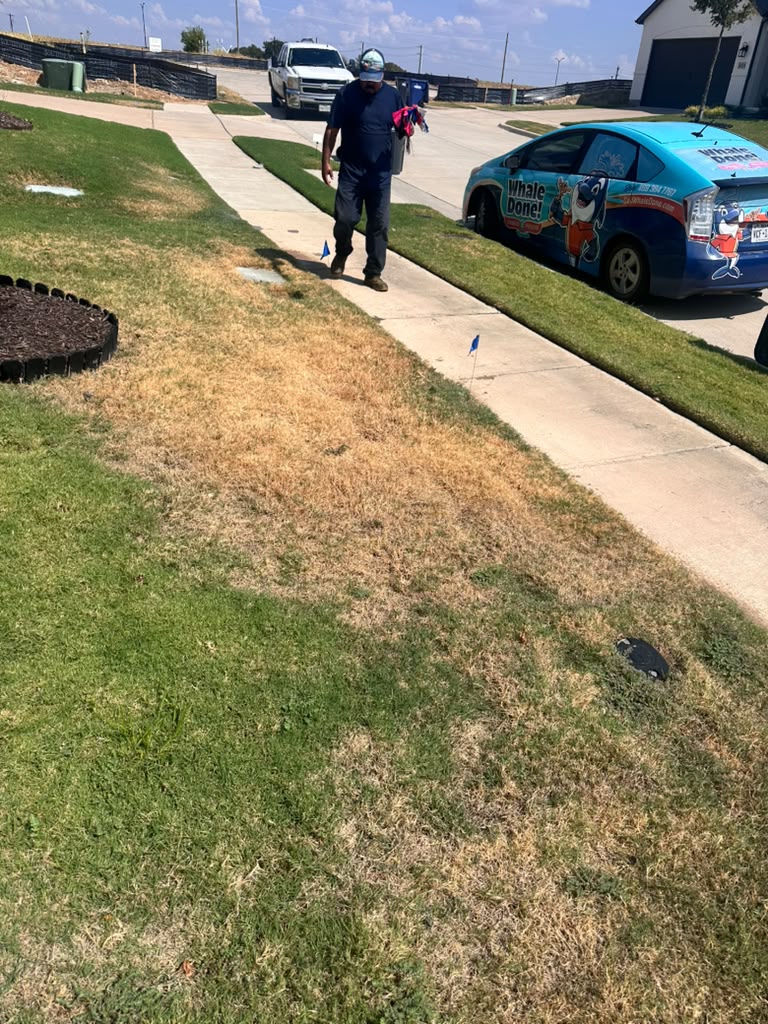
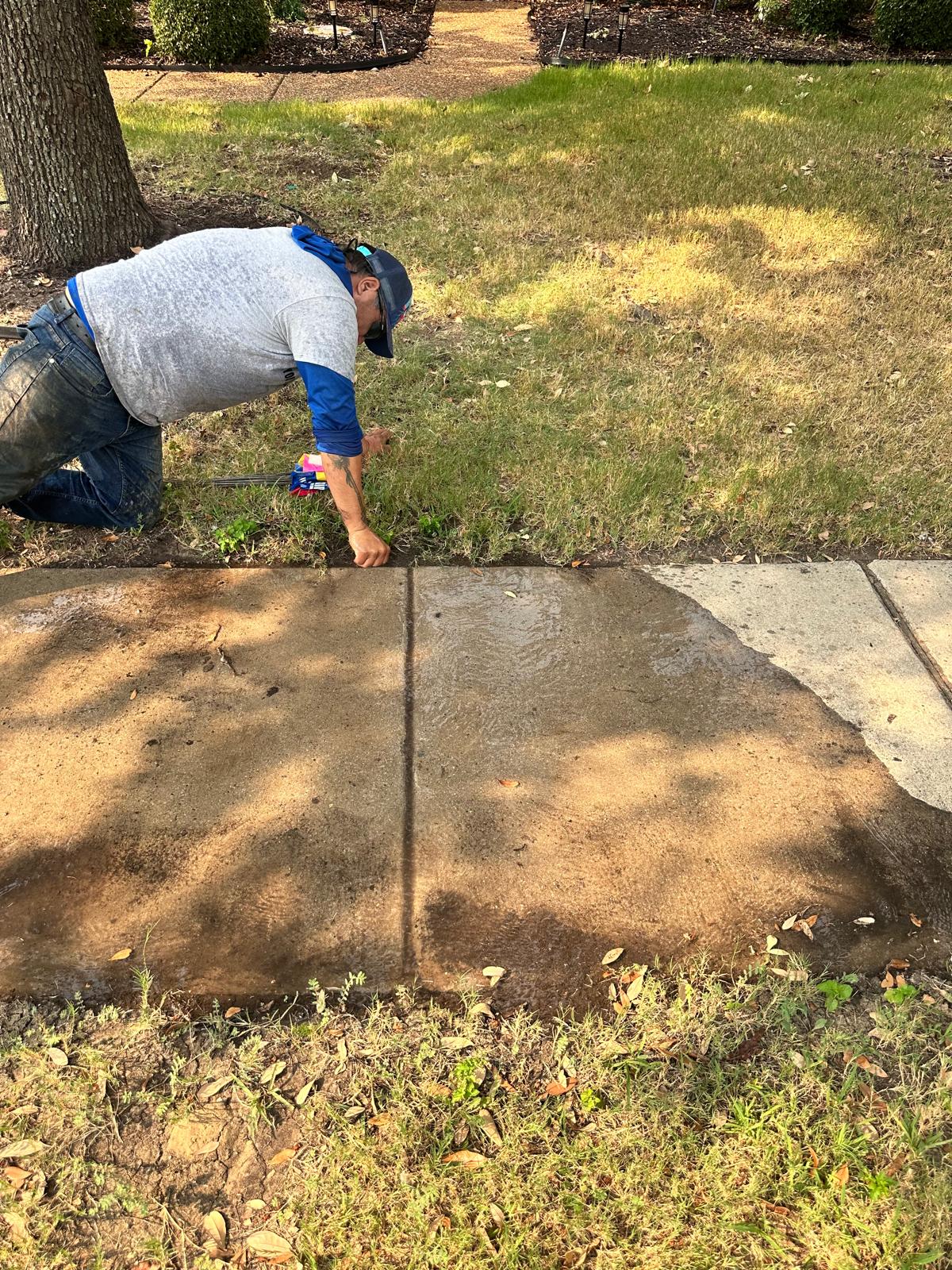
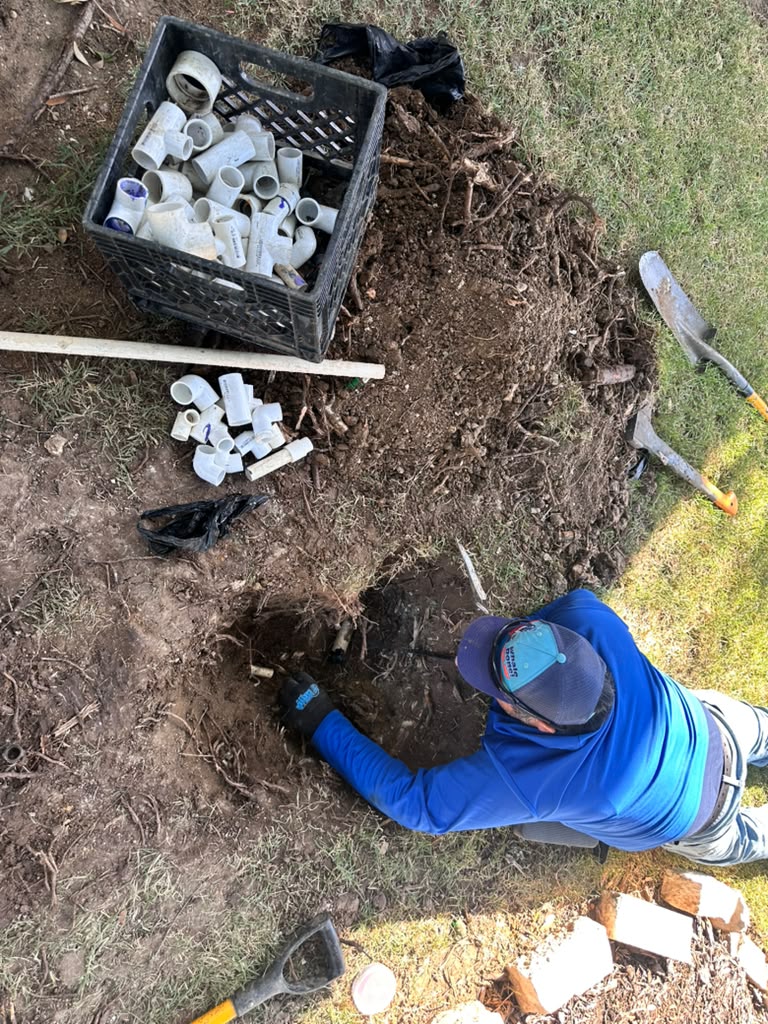
A drainage assessment in McKinney TX is one of the most effective ways to determine why water collects around your property and what solutions will provide lasting protection. Whether you’re dealing with standing water after rain, soggy landscaping, foundation concerns, or soil erosion, a professional evaluation helps identify the root cause instead of treating only the visible symptoms. Every property has unique grading, soil conditions, and drainage patterns, making a detailed inspection essential before recommending repairs or improvements.
McKinney homeowners often experience drainage challenges due to North Texas clay soils, changing weather patterns, and expanding residential developments. A thorough assessment ensures that every contributing factor is carefully examined so the recommended solution is both practical and cost-effective.
Why Drainage Problems Should Never Be Ignored
Drainage issues may seem minor after a storm, but persistent water accumulation can gradually affect different parts of your property. Excess moisture can weaken landscaping, damage hardscapes, encourage mosquito breeding, and increase pressure against your home’s foundation.
Some common warning signs include:
- Water pooling in the yard for several days
- Muddy areas that never completely dry
- Soil washing away after heavy rain
- Water collecting near the foundation
- Dying grass caused by oversaturated soil
- Basement or crawl space moisture
- Erosion around sidewalks or driveways
Ignoring these issues may lead to more expensive repairs in the future. A professional assessment helps determine whether the problem originates from grading, drainage design, irrigation, gutters, compacted soil, or multiple contributing factors.
What Is Included During a Drainage Assessment in McKinney TX
A professional drainage inspection involves much more than looking for puddles. Experienced specialists evaluate how water moves across the entire property and identify both obvious and hidden drainage concerns.
A complete assessment typically includes several important steps.
Initial Property Consultation
The assessment usually begins with a conversation about the property’s drainage history.
Homeowners may be asked:
- Where water tends to collect
- How long standing water remains
- Whether flooding occurs after every rainfall
- Previous drainage repairs
- Foundation concerns
- Recent landscaping changes
This information provides valuable context before the physical inspection begins.
Visual Inspection of the Entire Property
The next step involves carefully examining the entire landscape.
Professionals inspect:
- Front yard
- Backyard
- Side yards
- Walkways
- Patios
- Retaining walls
- Garden beds
- Driveways
- Fence lines
They look for visible indicators of drainage problems, including erosion, washed-out mulch, exposed roots, and low spots where water naturally accumulates.
Evaluating Property Slope and Grading
Proper grading allows rainwater to move safely away from structures.
During the inspection, specialists evaluate whether the yard slopes correctly or whether certain sections direct water toward the home instead of away from it.
Even slight grading problems can significantly influence water movement over time.
Guidelines from the <a href=”https://www.epa.gov” target=”_blank” rel=”noopener”>EPA</a> emphasize proper stormwater management to help reduce runoff impacts and protect surrounding environments.
Soil Evaluation
McKinney is known for its expansive clay soils, which play a significant role in how water moves across residential properties. Clay absorbs water slowly, expands when saturated, and contracts during dry conditions, making effective drainage more challenging. During a professional drainage assessment, specialists carefully evaluate the soil’s composition, compaction level, water absorption rate, surface runoff patterns, and areas vulnerable to erosion. These observations help identify how the soil affects drainage performance and whether it contributes to standing water or excessive runoff. Understanding these conditions allows professionals to recommend drainage solutions that are better suited to the property’s unique landscape and long-term water management needs.
Checking Existing Drainage Systems
Many homes already have drainage systems in place, but they may not always perform as intended over time. During a professional assessment, technicians carefully inspect existing features such as French drains, catch basins, surface drains, channel drains, downspout extensions, and pop-up emitters to verify they are operating efficiently. Each component is evaluated for signs of wear, damage, or reduced performance that could affect water flow. Professionals also look for common issues, including blockages, crushed or collapsed pipes, root intrusion, sediment buildup, and improper installation. Identifying these problems early helps determine whether maintenance, repairs, or replacement are needed to restore effective drainage.
Irrigation System Review
In some cases, drainage problems are not caused solely by rainfall.
An irrigation system that waters too frequently or has leaking components can create excessive moisture.
Professionals inspect:
- Sprinkler heads
- Irrigation zones
- Valve operation
- Controller settings
- Overspray
- Broken pipes
Recommendations may include adjusting watering schedules to reduce unnecessary saturation.
Helpful irrigation practices are also available through the Irrigation Association, which promotes efficient outdoor water management.
Gutter and Downspout Inspection
Roof runoff contributes a significant amount of water during storms.
If gutters overflow or downspouts discharge near the home’s foundation, drainage issues can worsen quickly.
Inspectors evaluate:
- Gutter condition
- Downspout placement
- Water discharge points
- Splash blocks
- Extension lengths
Redirecting roof runoff often becomes an important part of the overall drainage solution.
Identifying Low Areas and Water Collection Points
Every property has natural low spots.
Professionals identify:
- Depressions in the yard
- Areas where runoff converges
- Sections with poor drainage
- Water flow bottlenecks
Understanding these locations helps determine where improvements should be made.
Looking for Signs of Foundation Risk
Standing water near a home’s foundation deserves special attention.
Inspectors watch for:
- Soil separation
- Foundation cracks
- Water stains
- Uneven settling
- Excessive moisture around the perimeter
While drainage specialists do not replace structural engineers, they recognize conditions where improved water management may help reduce future foundation stress.
Educational resources from Texas A&M AgriLife Extension also discuss soil behavior and landscape management practices relevant to Texas properties.
Evaluating Landscape Features
Landscaping can either improve or restrict drainage.
The assessment includes reviewing:
- Flower beds
- Trees
- Shrubs
- Decorative edging
- Mulch
- Landscape borders
- Retaining walls
Sometimes landscaping unintentionally blocks natural water flow.
Professionals determine whether modifications could improve drainage without sacrificing curb appeal.
Measuring Water Flow Patterns
Experienced drainage specialists study how water naturally travels across the property.
They observe:
- High points
- Low points
- Runoff direction
- Collection areas
- Discharge locations
These observations help create a complete picture of how rainfall behaves during different weather conditions.
Assessing Erosion Damage
Erosion often develops slowly over several seasons.
Signs include:
- Exposed tree roots
- Washed mulch
- Soil movement
- Uneven terrain
- Damaged planting beds
Addressing erosion early helps preserve landscaping while reducing additional maintenance costs.
Inspecting Hardscape Drainage
Concrete surfaces affect how quickly water moves.
Inspectors examine:
- Patios
- Sidewalks
- Driveways
- Pool decks
- Outdoor living spaces
They determine whether runoff is being directed appropriately or contributing to standing water.
Considering Seasonal Weather Patterns
Drainage solutions should perform throughout the year.
North Texas experiences:
- Heavy spring rainfall
- Summer thunderstorms
- Sudden downpours
- Extended dry periods
Professionals consider these seasonal conditions when recommending improvements.
Information about rainfall trends and weather preparedness can also be found through the National Weather Service.
Common Recommendations After the Assessment
Every property is different, so recommendations vary depending on the findings.
Possible solutions include:
French Drain Installation
French drains help collect underground water before it reaches problem areas.
These systems work well for yards experiencing chronic saturation.
Surface Drain Installation
Surface drains quickly collect water before it pools.
They are especially effective near patios, driveways, and low landscape areas.
Downspout Extensions
Extending downspouts helps move roof runoff farther away from the home’s foundation.
This simple improvement often reduces localized flooding.
Regrading Portions of the Yard
If the yard slopes toward the home, professionals may recommend reshaping portions of the landscape.
Proper grading encourages water to move naturally away from structures.
Catch Basins
Catch basins collect surface runoff before directing water into underground drainage systems.
These are useful where large amounts of water accumulate during storms.
Dry Creek Beds
Decorative dry creek beds improve drainage while enhancing landscape appearance.
They also help minimize erosion.
Improved Irrigation Scheduling
Adjusting irrigation timing prevents overwatering and reduces unnecessary soil saturation.
Benefits of a Professional Assessment
A detailed inspection provides far more than a simple diagnosis.
Homeowners gain:
- Accurate identification of drainage problems
- Customized recommendations
- Better long-term planning
- Reduced risk of foundation damage
- Healthier landscaping
- Improved property value
- Better stormwater management
- More efficient irrigation practices
Rather than guessing which repair might work, homeowners receive recommendations based on actual site conditions.
Preparing for Your Drainage Inspection
Homeowners can help make the assessment even more effective by preparing a few details beforehand.
Helpful information includes:
- Areas where water consistently pools
- Photos taken during heavy rainfall
- Previous drainage repairs
- Foundation repair history
- Irrigation system information
- Landscaping changes
- Drainage concerns noticed by neighbors
The more information available, the easier it becomes to identify recurring patterns.
Why Every Property Requires a Customized Solution
No two homes have identical drainage conditions.
Factors such as lot elevation, soil composition, landscaping, roof size, neighboring properties, and existing drainage systems all influence how water behaves after rainfall. A solution that works well for one property may not provide the same results for another. That’s why professional assessments focus on gathering accurate site-specific information before recommending improvements. Customized drainage plans help ensure water is directed safely away from structures while preserving the health of your lawn, garden, and outdoor living spaces. Investing in a tailored approach often leads to more reliable, long-lasting performance and helps avoid unnecessary repairs or modifications in the future.
Conclusion
A professional drainage assessment in McKinney TX provides valuable insight into how water moves across your property and identifies the underlying causes of drainage problems before they become more serious. By evaluating grading, soil conditions, irrigation systems, gutters, landscaping, and existing drainage features, specialists can recommend solutions that improve water management and help protect your home’s foundation and outdoor spaces for years to come.
If you’re looking for a trusted team to perform a drainage assessment in McKinney TX, Whale Done Sprinklers & Irrigation is ready to help. Contact the team today at +1 (469) 384-7767 or email clientsupport@callwhaledone.com to schedule a professional evaluation and receive expert recommendations tailored to your property.