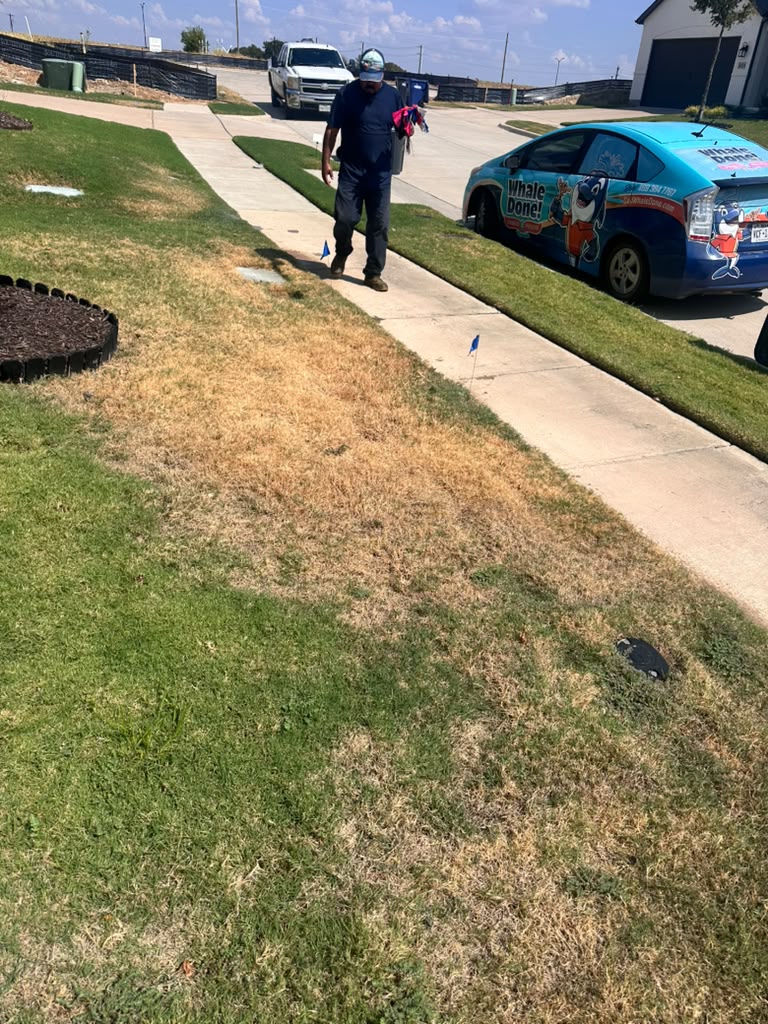
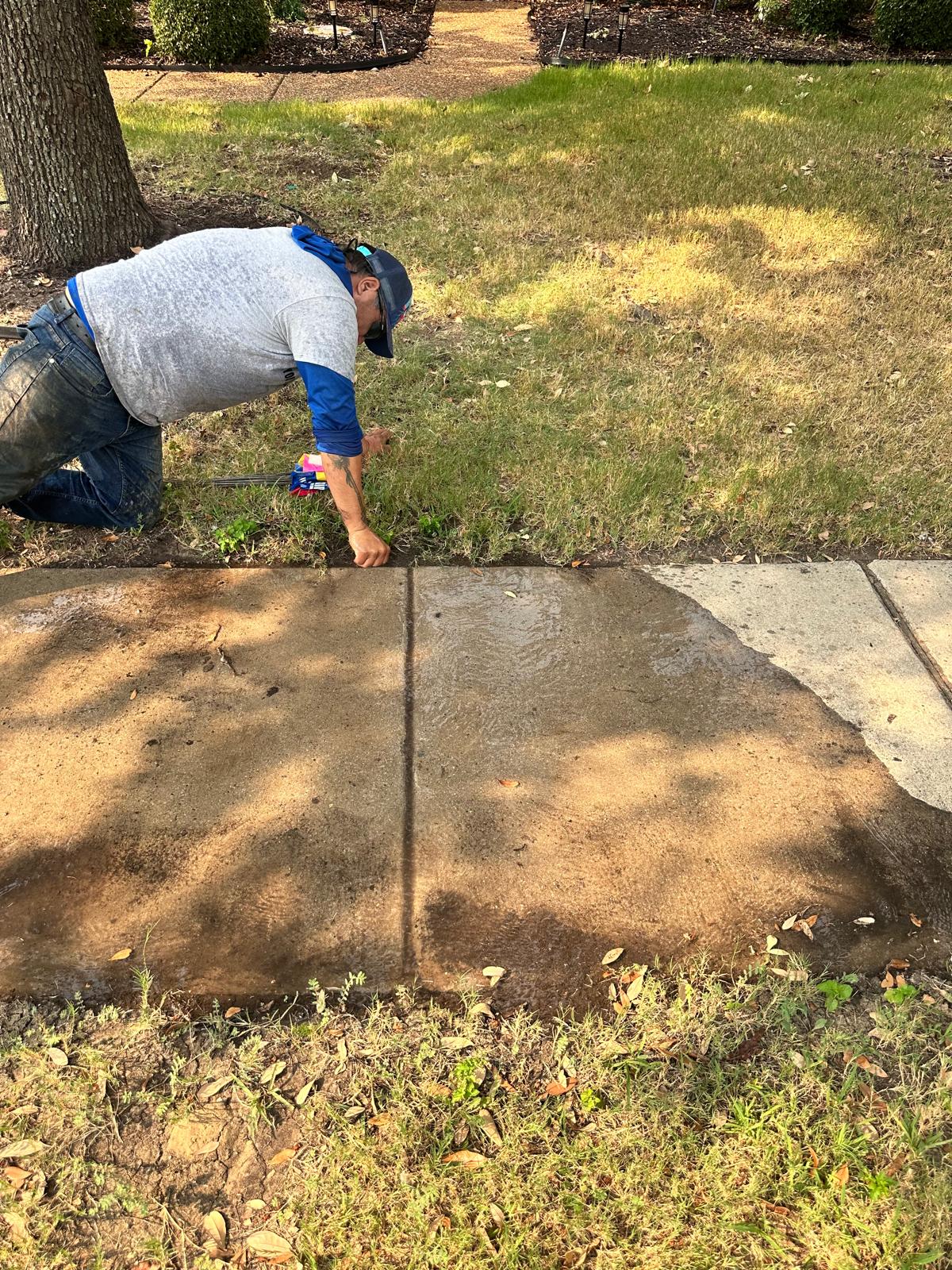
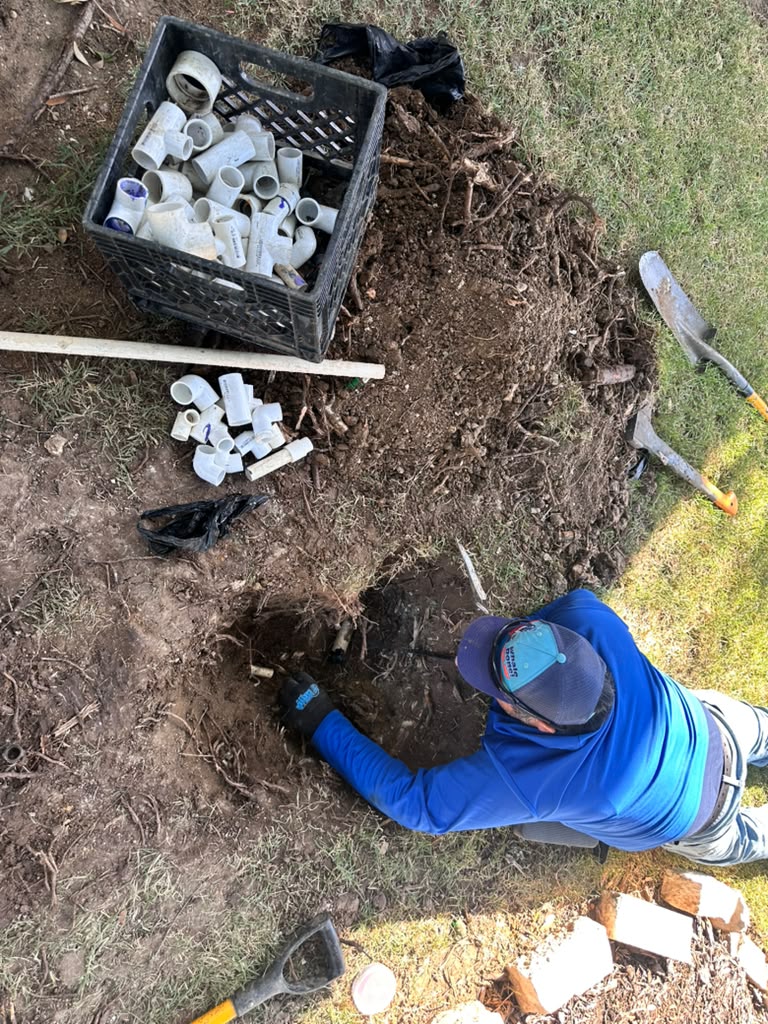
If you’re noticing dry spots in Anna TX even though you water your lawn regularly, you’re not alone. Many homeowners assume watering longer will solve the problem, but persistent dry patches often point to an underlying issue rather than a lack of irrigation. Uneven sprinkler coverage, compacted soil, clogged sprinkler heads, underground leaks, improper watering schedules, and changing weather conditions can all contribute to sections of grass struggling while the rest of the lawn remains healthy.
A green, thriving lawn depends on more than simply turning on the sprinkler system. Every part of your irrigation system, along with the soil beneath your lawn, plays an important role in delivering consistent moisture where it’s needed most. Understanding why dry areas develop is the first step toward restoring a lush landscape and preventing more expensive repairs in the future.
Why Do Dry Spots Develop in Lawns?
Dry patches rarely appear without a reason. In many cases, they develop gradually until homeowners begin noticing brown or thinning grass that refuses to recover after watering.
Several factors can contribute to these persistent areas.
Uneven Sprinkler Coverage
One of the most common causes is poor sprinkler coverage. If sprinkler heads fail to overlap correctly, certain sections of your lawn receive significantly less water than others.
Coverage problems may result from:
- Misaligned sprinkler heads
- Broken nozzles
- Low water pressure
- Incorrect spray patterns
- Obstructions such as shrubs or landscape decorations
Even small coverage gaps can eventually create noticeable dry patches.
Compacted Soil
Healthy soil allows water to soak down to the roots where grass needs it most. Over time, foot traffic, heavy equipment, and natural settling can compact soil.
Compacted soil:
- Prevents water from penetrating deeply
- Encourages runoff
- Limits oxygen reaching roots
- Reduces healthy root development
Instead of soaking into the ground, irrigation simply flows across the surface.
Underground Irrigation Leaks
Many homeowners assume leaks always produce soggy areas. Surprisingly, underground leaks can also create dry spots.
When water escapes before reaching certain sprinkler zones, pressure drops throughout the system. Reduced pressure prevents sprinkler heads from spraying their full distance, leaving portions of the lawn under-watered.
The U.S. The Environmental Protection Agency’s WaterSense program emphasizes that irrigation leaks can waste significant amounts of water while reducing system efficiency.
Hydrophobic Soil
Sometimes soil actually repels water.
Extremely dry soil can become hydrophobic, meaning water beads on the surface instead of soaking into the ground.
This commonly occurs after:
- Extended drought
- High summer temperatures
- Long periods without irrigation
Water simply runs off before roots absorb adequate moisture.
Common Signs Your Irrigation System Needs Attention
Dry grass isn’t the only symptom.
Watch for additional warning signs including:
- Brown circles around sprinkler heads
- Uneven grass color
- Weak sprinkler spray
- Areas that remain dry after irrigation cycles
- Sputtering sprinkler heads
- Water pooling elsewhere in the yard
- Unexpected increases in water bills
Recognizing these symptoms early often prevents larger repairs.
What Causes Dry Spots in Anna TX?
Several local environmental conditions make lawns more vulnerable to uneven watering.
Expansive Clay Soil
Much of North Texas contains heavy clay soil.
Clay absorbs water slowly, especially when compacted. During hot weather, the surface hardens, making it even more difficult for irrigation to penetrate.
Instead of soaking downward, water frequently runs across the surface toward lower areas.
High Summer Temperatures
Summer heat dramatically increases evaporation.
Even properly functioning irrigation systems can struggle if watering schedules aren’t adjusted for seasonal weather.
Grass may lose moisture faster than roots can absorb replacement water.
Watering Restrictions
Many municipalities encourage responsible irrigation practices during peak demand periods.
Following recommended watering schedules while ensuring maximum sprinkler efficiency becomes essential for maintaining healthy turf.
Helpful seasonal irrigation guidance is available through Texas A&M AgriLife Extension.
Wind Drift
Strong Texas winds can redirect sprinkler spray away from intended coverage areas.
Rotating sprinkler heads or adjusting irrigation schedules during calmer hours often improves efficiency.
How Sprinkler Problems Create Dry Areas
An irrigation system contains numerous components that must work together properly.
Even one malfunctioning part can affect the entire lawn.
Clogged Nozzles
Mineral deposits, dirt, and debris gradually clog sprinkler nozzles.
Restricted flow reduces spray distance, leaving nearby turf healthy while surrounding areas become dry.
Routine nozzle cleaning helps restore proper performance.
Damaged Sprinkler Heads
Lawn equipment, vehicles, pets, and foot traffic can crack sprinkler heads.
Damaged heads often:
- Leak excessively
- Spray unevenly
- Fail to rotate
- Produce mist instead of full streams
Replacing damaged heads restores even watering.
Low Water Pressure
Pressure problems may result from:
- Valve issues
- Underground leaks
- Pipe damage
- Multiple zones operating simultaneously
Low pressure shortens spray distance, reducing overall coverage.
Incorrect Zone Programming
Modern irrigation controllers require seasonal adjustments.
Programming errors may include:
- Watering too frequently
- Watering too briefly
- Running during windy afternoons
- Skipping necessary seasonal changes
Proper scheduling encourages deeper root growth.
How Soil Conditions Affect Lawn Health
Healthy soil is just as important as a properly functioning sprinkler system when it comes to maintaining a lush, green lawn. Even if your irrigation system delivers the right amount of water, compacted, nutrient-poor, or unhealthy soil can prevent grass from developing strong roots and accessing the moisture it needs. Healthy soil promotes deep root development, allowing grass to become more resilient during periods of heat and drought.
It also improves moisture retention, helping water remain available to plant roots for longer periods instead of quickly evaporating or running off. In addition, well-balanced soil encourages proper oxygen circulation and efficient nutrient absorption, both of which are essential for healthy growth. When soil conditions are poor, isolated dry patches can develop and persist despite regular watering and proper irrigation practices.
The Irrigation Association recommends combining proper irrigation with healthy soil management for long-term landscape success.
Practical Ways to Eliminate Dry Spots
Addressing the underlying cause usually produces better results than increasing watering time.
- Perform a Sprinkler Inspection: Run each irrigation zone individually and observe spray distance, head rotation, broken nozzles, leaks, and pressure consistency. Watching the system operate makes it easier to identify minor problems before they become costly repairs.
- Aerate Compacted Soil: Core aeration creates small soil openings that improve water absorption, root growth, air circulation, and nutrient movement, especially benefiting lawns with heavy clay soils.
- Adjust Watering Times: Water your lawn early each morning to reduce evaporation, improve soil absorption, and avoid moisture loss caused by midday heat.
- Replace Worn Components: Old sprinkler components wear out over time. Replacing worn nozzles, seals, risers, and rotors restores efficient operation and uniform lawn coverage.
- Monitor Seasonal Changes: Irrigation needs change throughout the year, so monitor during heat waves, drought, heavy rainfall, and seasonal transitions to prevent overwatering and underwatering.
Preventing Future Lawn Dry Spots
Prevention is considerably less expensive than repairing damaged turf.
Homeowners should consider these ongoing maintenance practices.
Schedule Regular Irrigation Inspections
Routine inspections identify:
- Minor leaks
- Pressure problems
- Controller errors
- Coverage changes
before they become major concerns.
Keep Sprinkler Heads Clear
Grass, mulch, and landscape plants gradually block spray patterns.
Regular trimming ensures water reaches intended areas.
Improve Soil Health
Adding organic matter enhances:
- Drainage
- Moisture retention
- Root growth
- Nutrient availability
Healthy soil supports stronger, more resilient grass.
Observe Lawn Changes
Walk through your yard regularly.
Look for:
- Color differences
- Wilting grass
- Standing water
- Weak sprinkler spray
Early detection simplifies repairs.
When Is Professional Irrigation Service Recommended?
While some lawn problems are easy to recognize, others require specialized diagnostic tools to identify the underlying cause accurately. A professional irrigation inspection is especially beneficial when dry spots persist despite watering adjustments, multiple sprinkler zones show signs of poor performance, water pressure changes unexpectedly, underground leaks are suspected, or controller programming becomes difficult to manage.
Expanding brown patches and unexplained increases in water bills may also indicate hidden irrigation issues. Rather than addressing only the visible symptoms, experienced technicians evaluate the entire irrigation system to locate the root cause, recommend appropriate repairs, and help restore consistent watering and long-term lawn health.
Conclusion
Persistent dry spots in Anna TX are often a sign that something within your irrigation system, soil, or watering routine needs attention. Simply increasing watering time rarely solves the underlying issue and may even create new problems such as overwatering or runoff. Identifying the true cause—whether it’s uneven sprinkler coverage, compacted soil, clogged sprinkler heads, underground leaks, or improper scheduling—helps restore a healthier, greener lawn while conserving water. If you’re looking for experienced assistance, Whale Done Sprinklers & Irrigation can help evaluate your irrigation system and recommend effective solutions tailored to your property. For more information or to schedule a service, call +1 (469) 384-7767 or email clientsupport@callwhaledone.com.