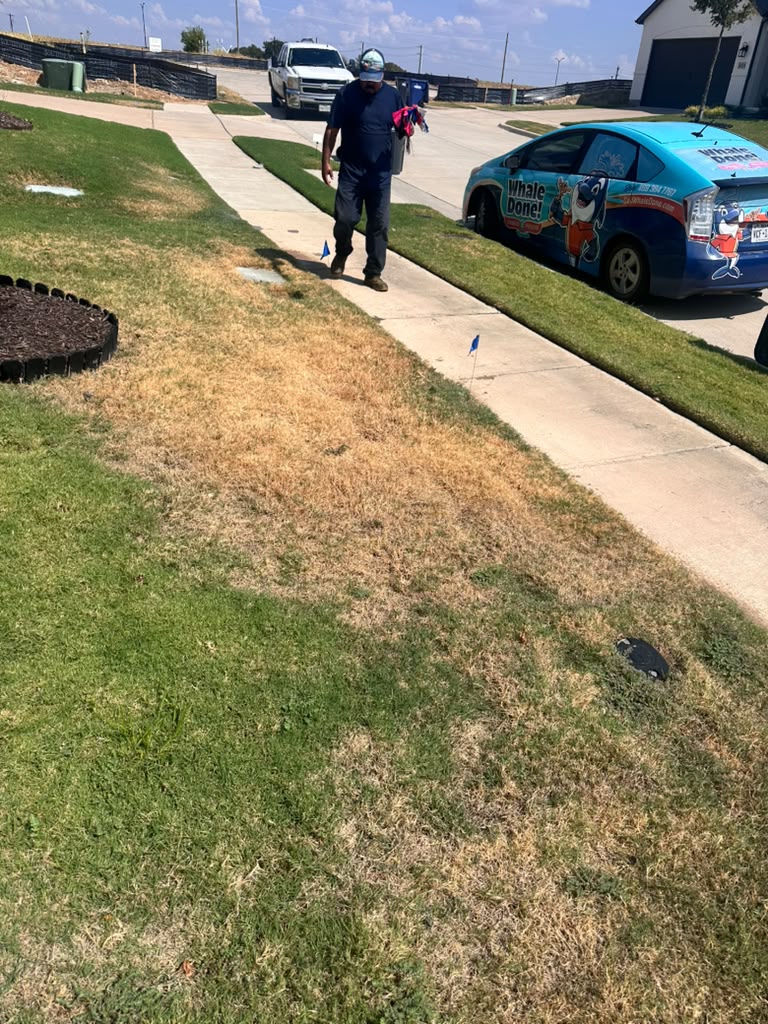
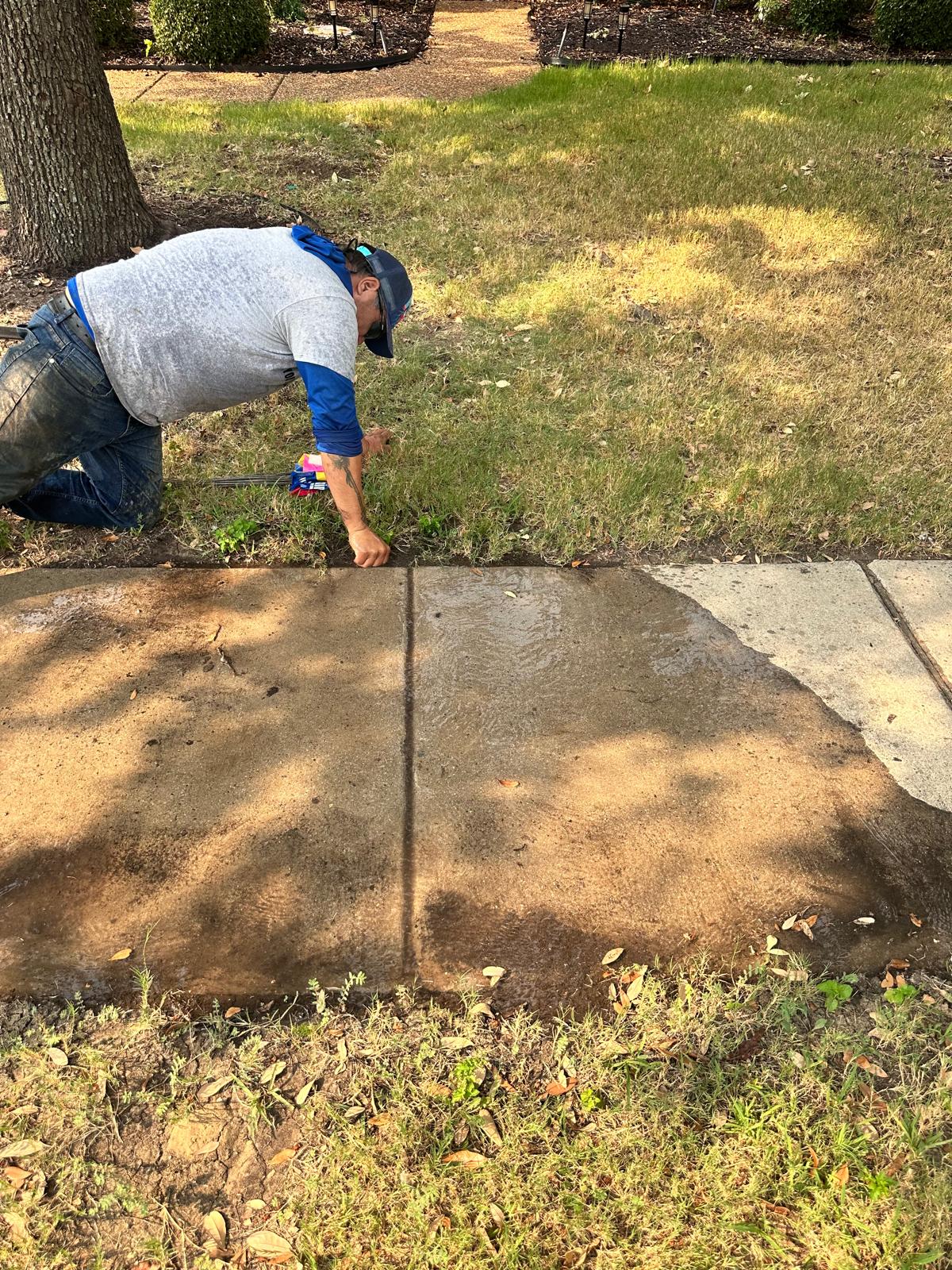
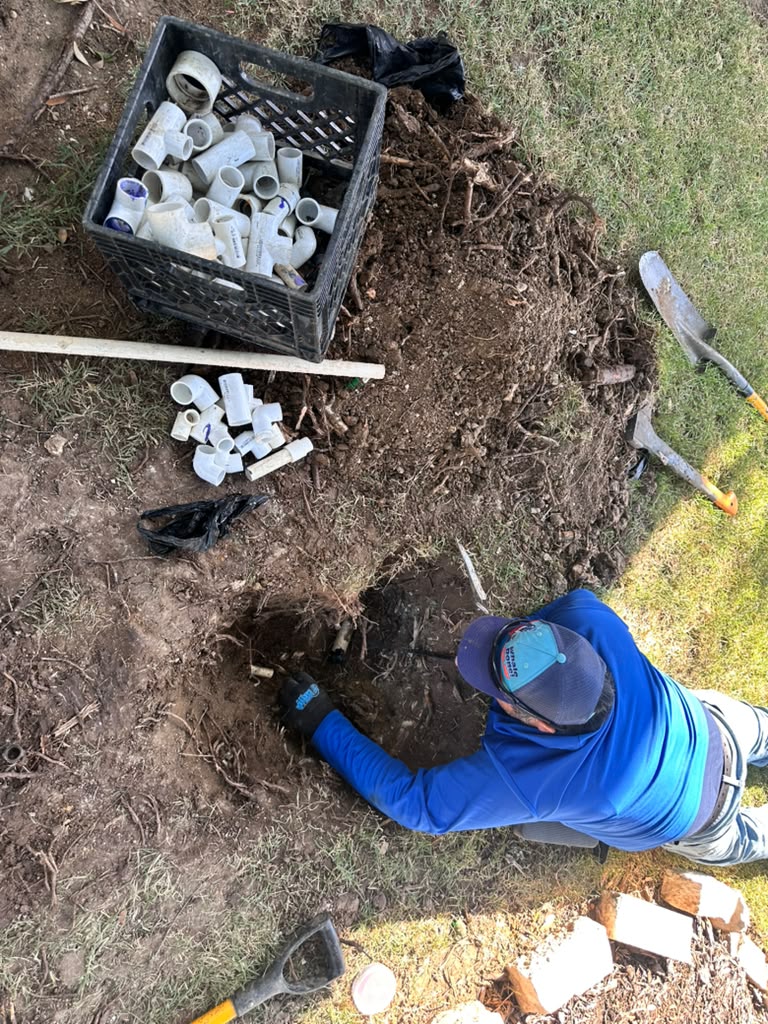
Sprinklers missing part in Little Elm TX is often one of the earliest warning signs that your irrigation system is no longer distributing water evenly. While some homeowners assume a few brown patches simply need more watering, the real issue is often that certain areas are never receiving enough water in the first place. Over time, these dry sections become more noticeable, leading to thinning grass, stressed landscaping, and higher water bills as homeowners try to compensate by increasing irrigation times.
An efficient sprinkler system should provide consistent coverage across the entire lawn. If one portion of the yard remains healthy while another struggles despite regular watering, it’s time to investigate the irrigation system rather than simply adding more water.
In Little Elm, changing weather patterns, shifting soil, growing landscapes, and aging irrigation components all contribute to uneven sprinkler performance. Identifying these problems early can prevent unnecessary lawn damage and expensive repairs later.
Why Even Water Coverage Matters
Every healthy lawn depends on receiving the correct amount of water throughout the entire landscape. Grass cannot thrive if some sections receive excess moisture while others receive very little.
Proper sprinkler coverage provides several important benefits:
- Consistent grass color
- Uniform root development
- Reduced weed growth
- Better resistance to drought
- Improved disease prevention
- Lower monthly water usage
Uneven watering causes some grass to remain saturated while other areas become dry and stressed. This imbalance affects the overall appearance and health of the lawn.
The EPA WaterSense program emphasizes efficient irrigation practices that maximize landscape health while minimizing water waste.
Sprinklers Missing Part In Little Elm TX: What Causes Uneven Coverage?
Several irrigation issues may prevent sprinklers from reaching every section of the lawn.
Worn Sprinkler Nozzles
Sprinkler nozzles naturally wear over time, causing weak spray, uneven arcs, random misting, and reduced coverage. Replacing damaged or worn nozzles helps restore consistent water distribution and improve irrigation efficiency.
Clogged Spray Heads
Small debris such as dirt, sand, grass clippings, hard water deposits, and insects can clog sprinkler nozzles. Although partially blocked nozzles may still spray water, they cannot distribute it evenly across the lawn.
Broken Rotors
Rotor heads use internal gears to rotate the spray evenly. As these gears wear out with age, rotation slows, heads stick, water sprays unevenly, and large sections of the lawn may remain dry.
Low Water Pressure
Every irrigation zone requires adequate water pressure for proper coverage. Low pressure caused by underground leaks, broken pipes, faulty valves, or too many sprinkler heads on one zone can reduce performance across multiple sprinklers.
Landscaping Changes
As landscapes mature, growing trees, expanding shrubs, and taller flower beds can block sprinkler spray, preventing water from reaching the intended grass and creating uneven lawn coverage.
Improper Head Spacing
Proper sprinkler spacing allows spray patterns to overlap for even coverage. When spacing is incorrect, dry gaps, brown strips, and under-watered corners develop, reducing lawn health and overall irrigation efficiency.
Early Signs Your Sprinklers Are Missing Sections
The lawn often reveals irrigation issues long before homeowners inspect the sprinkler system.
Watch for these symptoms.
Brown Patches That Continue Growing
Dry spots usually begin small.
Without correction, they gradually expand despite regular watering.
This often indicates insufficient sprinkler coverage rather than drought.
Grass Different Heights
Well-watered grass grows faster.
Poorly watered grass grows slowly.
Uneven mowing heights often indicate inconsistent irrigation.
Soil Remaining Dry
Check the soil after irrigation.
If certain areas remain dry several inches below the surface, water may never be reaching those locations.
Curled Grass Blades
Healthy grass blades remain upright.
Water-stressed grass begins folding inward to conserve moisture.
This is one of the earliest visible symptoms.
Footprints Stay Visible
Grass lacking moisture loses elasticity.
Footprints remain visible much longer because the blades cannot recover quickly.
Healthy Areas Beside Dry Areas
Sharp transitions between green and brown sections usually indicate sprinkler coverage problems.
Natural drought rarely creates such defined lines.
Seasonal Factors That Affect Irrigation Coverage
Little Elm experiences changing weather throughout the year.
These seasonal changes influence sprinkler performance.
Spring Growth
Rapid landscape growth creates new obstacles.
Plants may block sprinkler spray that worked perfectly the previous season.
Routine inspections identify these new obstructions.
Summer Heat
Higher temperatures increase evaporation.
Even small irrigation deficiencies become obvious during hot weather.
Dry patches expand quickly if sprinklers miss portions of the lawn.
Autumn Leaf Accumulation
Leaves frequently cover sprinkler heads.
Blocked heads cannot extend fully or distribute water correctly.
Cleaning around sprinklers improves performance.
Winter Freeze Damage
Cold temperatures occasionally damage underground irrigation components.
Leaks developing after winter reduce system pressure throughout affected zones.
How Sprinkler Head Alignment Affects Coverage
Proper sprinkler head alignment is essential for maintaining healthy, even lawn coverage and preventing unnecessary water waste. Each sprinkler head should be carefully positioned to direct water only toward its intended area, ensuring every section of your landscape receives adequate moisture. Even small adjustments can make a significant difference in irrigation efficiency and overall lawn health.
When sprinkler heads become misaligned, they may spray sidewalks or driveways instead of grass, completely miss certain sections of the lawn, or oversaturate flower beds and landscaped areas. These issues not only waste water but can also lead to dry patches, runoff, and unhealthy plants. Performing regular alignment checks helps maintain consistent coverage, improves water efficiency, and ensures your irrigation system continues operating as effectively as possible throughout the year.
Underground Problems That Cause Missing Coverage
Not every irrigation issue is visible above ground.
Hidden underground problems frequently reduce watering efficiency.
Pipe Leaks
Cracked underground pipes release water before it reaches sprinkler heads.
Symptoms include:
- Wet soil
- Low pressure
- Unexpected water bills
- Weak spray
Valve Malfunctions
Irrigation valves regulate water entering each zone.
Failing valves may not open completely.
Reduced flow affects every sprinkler connected to that zone.
Root Intrusion
Tree roots naturally seek moisture.
Over time, roots can:
- Shift pipes
- Damage fittings
- Restrict water flow
These issues often develop gradually.
Why Watering Longer Doesn’t Solve the Problem
Many homeowners respond to dry spots by increasing irrigation times.
Unfortunately, longer watering rarely fixes poor sprinkler coverage.
Instead:
- Healthy areas receive too much water.
- Dry sections remain dry.
- Water bills increase.
- Disease risk grows.
- Soil becomes oversaturated elsewhere.
Correcting the sprinkler issue provides a much better long-term solution.
How Professionals Evaluate Sprinkler Coverage
A complete irrigation inspection examines much more than individual sprinkler heads.
Professionals typically evaluate:
Spray Pattern Uniformity
Proper sprinkler design ensures that every sprinkler head overlaps with the spray pattern of neighboring heads, creating consistent water distribution across the lawn. If noticeable gaps exist between spray areas, portions of the landscape may receive insufficient water, leading to dry spots and uneven grass growth.
Water Pressure
Pressure testing is an essential part of an irrigation inspection because it helps detect hidden leaks, water flow restrictions, and failing valves that can reduce sprinkler performance. Identifying these issues early allows for timely repairs, improves system efficiency, and ensures consistent water distribution across the entire lawn.
Nozzle Performance
During an irrigation inspection, technicians carefully examine sprinkler nozzles for signs of wear, physical damage, incorrect sizing, and blockages caused by dirt or debris. Identifying these issues helps restore proper spray patterns, improve water distribution, and ensure the entire lawn receives consistent, efficient irrigation.
Controller Programming
Improper irrigation schedules can create symptoms that resemble sprinkler system failures. During an inspection, professionals evaluate zone runtimes, seasonal adjustments, controller start times, and watering frequency to ensure the system operates efficiently and delivers the right amount of water to every area of the lawn.
The Irrigation Association recommends periodic system evaluations to maintain irrigation efficiency and landscape performance.
Preventive Maintenance Keeps Coverage Consistent
Routine maintenance prevents many irrigation issues before they affect lawn health.
Recommended practices include:
Monthly Visual Inspections
Walk through the lawn while every zone operates.
Look for:
- Weak spray
- Leaks
- Broken heads
- Misaligned nozzles
Clean Sprinkler Heads
Remove:
- Mud
- Grass
- Debris
- Mineral buildup
Clean heads produce more consistent spray patterns.
Trim Vegetation
Keep shrubs and ornamental grasses from blocking sprinkler streams.
This simple step restores proper coverage in many landscapes.
Monitor Water Pressure
Unexpected pressure changes usually indicate developing irrigation problems.
Early detection reduces repair costs.
Seasonal Adjustments
Modify irrigation schedules according to weather conditions.
Avoid overwatering during cooler months.
The Texas A&M AgriLife Extension offers guidance on maintaining healthy landscapes while using water responsibly.
Technology Can Improve Irrigation Accuracy
Modern irrigation systems offer improved precision compared to older equipment.
Helpful upgrades include:
- Pressure-Regulated Heads: These maintain consistent spray performance even when system pressure fluctuates.
- High-Efficiency Nozzles: Modern nozzles distribute water more evenly while reducing runoff.
- Smart Controllers: Weather-based controllers automatically adjust watering schedules based on local conditions. They help prevent both underwatering and overwatering.
The Rain Bird irrigation resources explain how modern irrigation technology improves water efficiency and lawn health.
When Should You Schedule an Irrigation Inspection?
Professional irrigation inspections are recommended whenever you notice expanding dry patches, brown strips, uneven grass growth, higher-than-normal water bills, low sprinkler pressure, water pooling, sprinkler heads that fail to pop up, or inconsistent spray patterns across your lawn.
These warning signs often indicate underlying irrigation issues that require prompt attention before they become more serious. Scheduling an inspection early allows problems to be identified and corrected before they lead to costly system repairs or extensive lawn damage. Addressing minor coverage issues as soon as they appear helps maintain healthy grass, improves water efficiency, and ensures your irrigation system continues operating reliably throughout the year.
Conclusion
If sprinklers missing part in Little Elm TX has become a recurring concern, it’s important to address the underlying irrigation issue instead of simply increasing watering time. Uneven sprinkler coverage can lead to dry patches, unhealthy grass, wasted water, and unnecessary expenses if left unresolved. Regular inspections, seasonal maintenance, and timely repairs help ensure your entire lawn receives consistent irrigation throughout the year.
For professional irrigation inspections and sprinkler repairs, contact Whale Done Sprinklers & Irrigation.
Phone: +1 (469) 384-7767
Email: clientsupport@callwhaledone.com