Yes, it’s possible. A sprinkler schedule audit in Anna TX often reveals that a system is running longer, more often, or at less efficient times than the landscape actually needs. Most schedules are set once at installation and rarely revisited, even as seasons, plant growth, and weather patterns change. A simple review of run times, start times, and frequency is usually enough to spot where water is being wasted.
At a Glance
- Difficulty: Easy, most of the review can be done by watching the controller and observing a few runs.
- Estimated Time: About 30 to 60 minutes to review a full system with multiple zones and settings.
- Tools Needed: Access to the controller, a notepad, and a way to observe zones during a manual run.
- Works For: Overwatering, watering during hot afternoons, redundant run times, and schedules that no longer match the season.
- May Not Solve: Waste caused by leaks, broken valves, or mechanical issues that require hands-on repair rather than scheduling changes.
Why Watering Schedules Cause Waste
Sprinkler schedules are usually programmed once, often by the installer, based on the landscaping and weather conditions at that time. Lawns and gardens change over the years. Plants mature, some areas get replanted, and irrigation needs shift, but the schedule often stays exactly the same unless someone actively goes in and adjusts it.
Waste tends to build up quietly. A zone that runs for 20 minutes when 12 would be enough doesn’t look obviously wrong. Watering at 2 p.m. instead of early morning doesn’t set off any alarms either. Individually, small inefficiencies like these seem minor, but added together across every zone and every watering day, they can account for a significant amount of wasted water over a season.
This is exactly what a sprinkler schedule audit in Anna TX is designed to catch. It’s not about assuming something is broken. It’s about checking whether the current settings still reflect what the landscape actually needs today, rather than what it needed when the system was first installed.
An audit is also useful because it separates two very different problems that often get lumped together: equipment issues and scheduling issues. A head that’s misaligned or a valve that’s malfunctioning requires a physical repair. A schedule that’s outdated or mismatched to the season only requires changing numbers on the controller. Many homeowners assume any water waste means something is broken, when in reality the hardware may be working exactly as installed, just running on settings that no longer fit the yard.
Step-By-Step: How To Audit Your Sprinkler Schedule
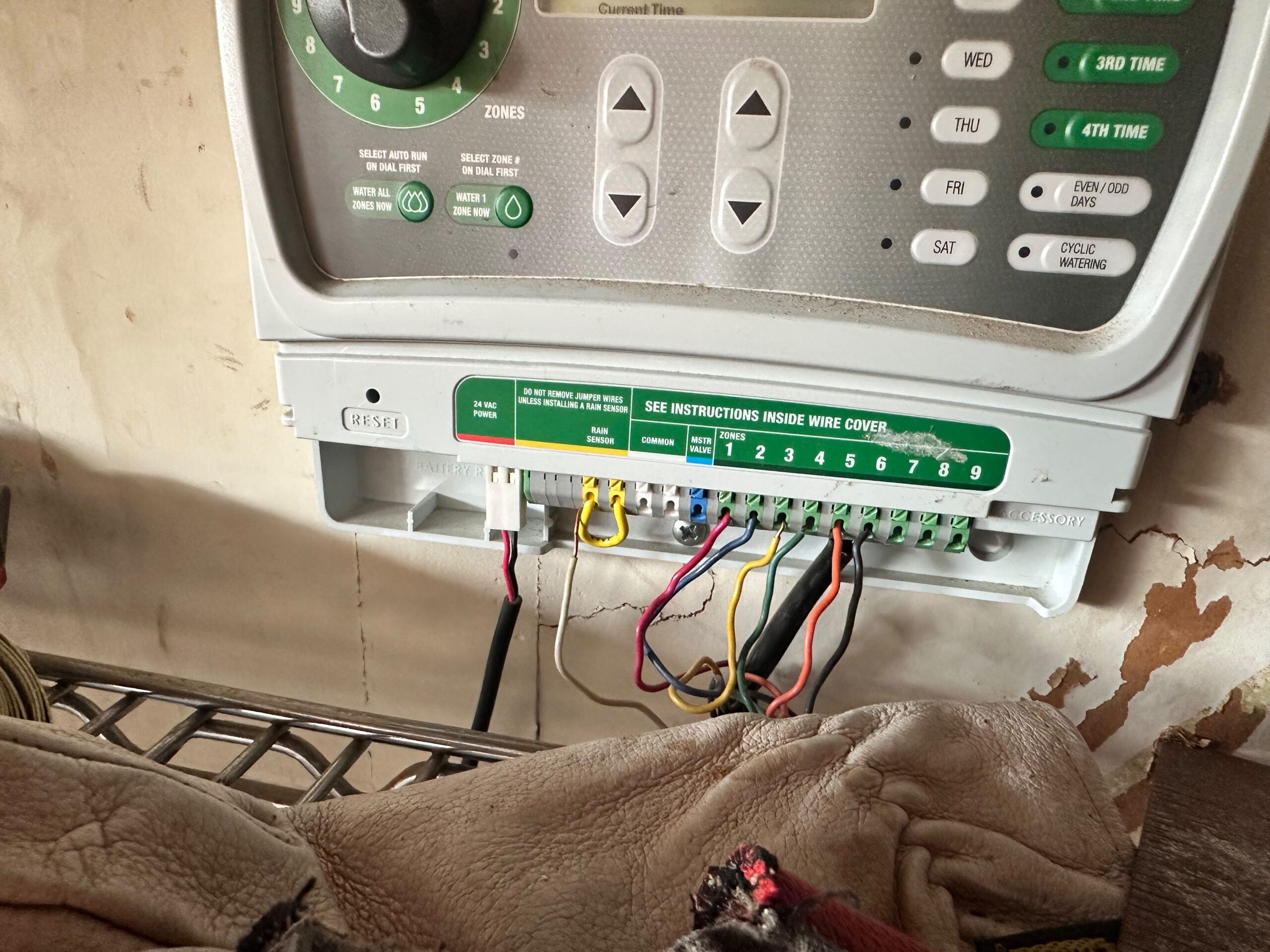
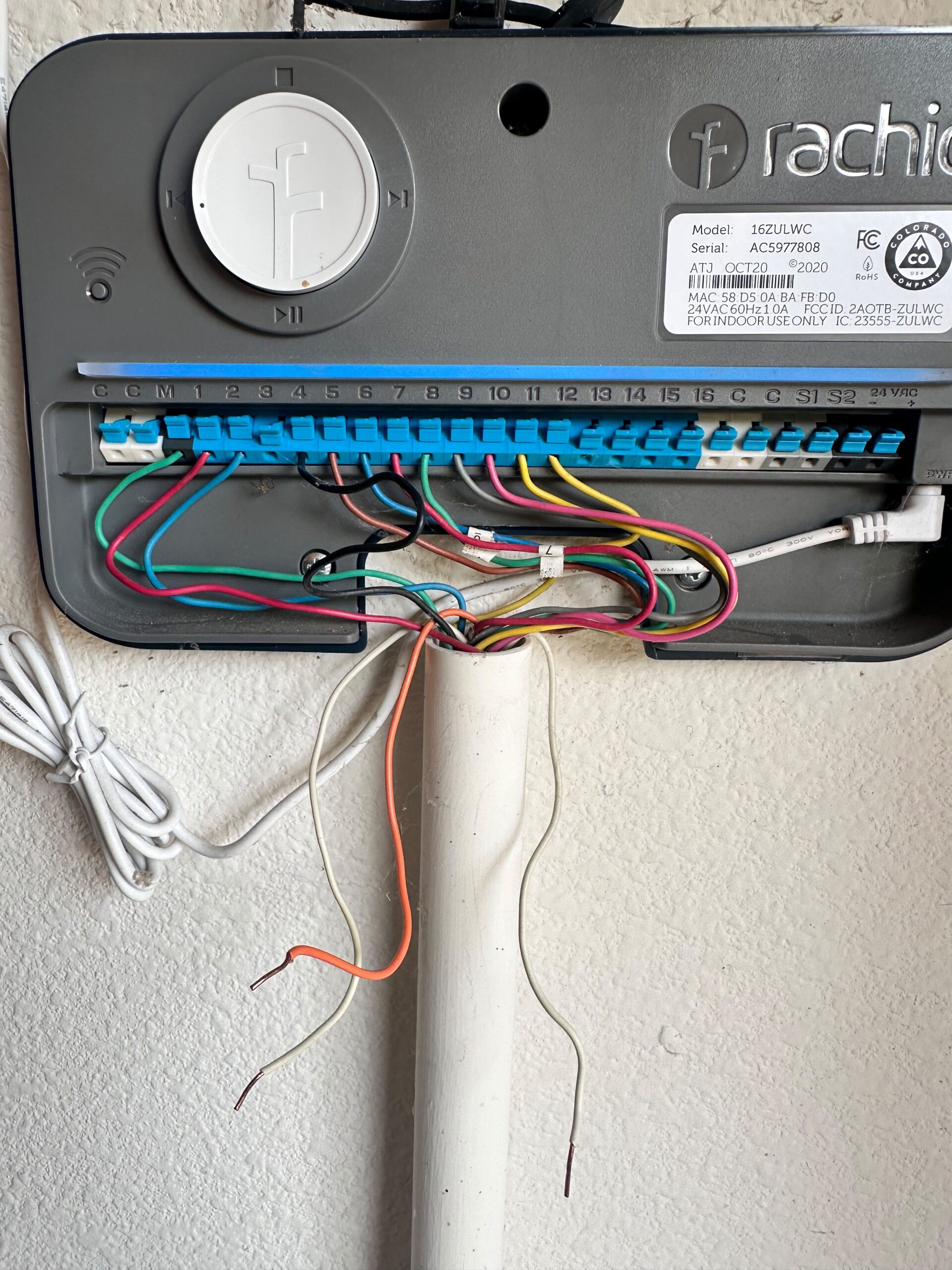
Step 1: Pull Up The Current Controller Settings
Write down each zone’s run time, start time, and how many days per week it runs. This becomes the baseline for comparison.
Step 2: Check The Time Of Day
Watering during the hottest part of the day increases evaporation, meaning less water actually reaches the roots. Early morning is generally the most efficient time to water.
Step 3: Compare Run Times Across Zones
Zones with different sun exposure, soil type, or plant type often need different run times. Identical settings across every zone are a common source of overwatering in shaded or clay-heavy areas.
Step 4: Review Watering Frequency
Watering every day is rarely necessary and can actually weaken root growth compared to deeper, less frequent watering that encourages roots to grow further into the soil.
Step 5: Check For Seasonal Adjustments
A schedule built for summer heat is very different from what’s needed in spring or fall. If the schedule hasn’t changed since it was installed, it’s likely mismatched with at least part of the year.
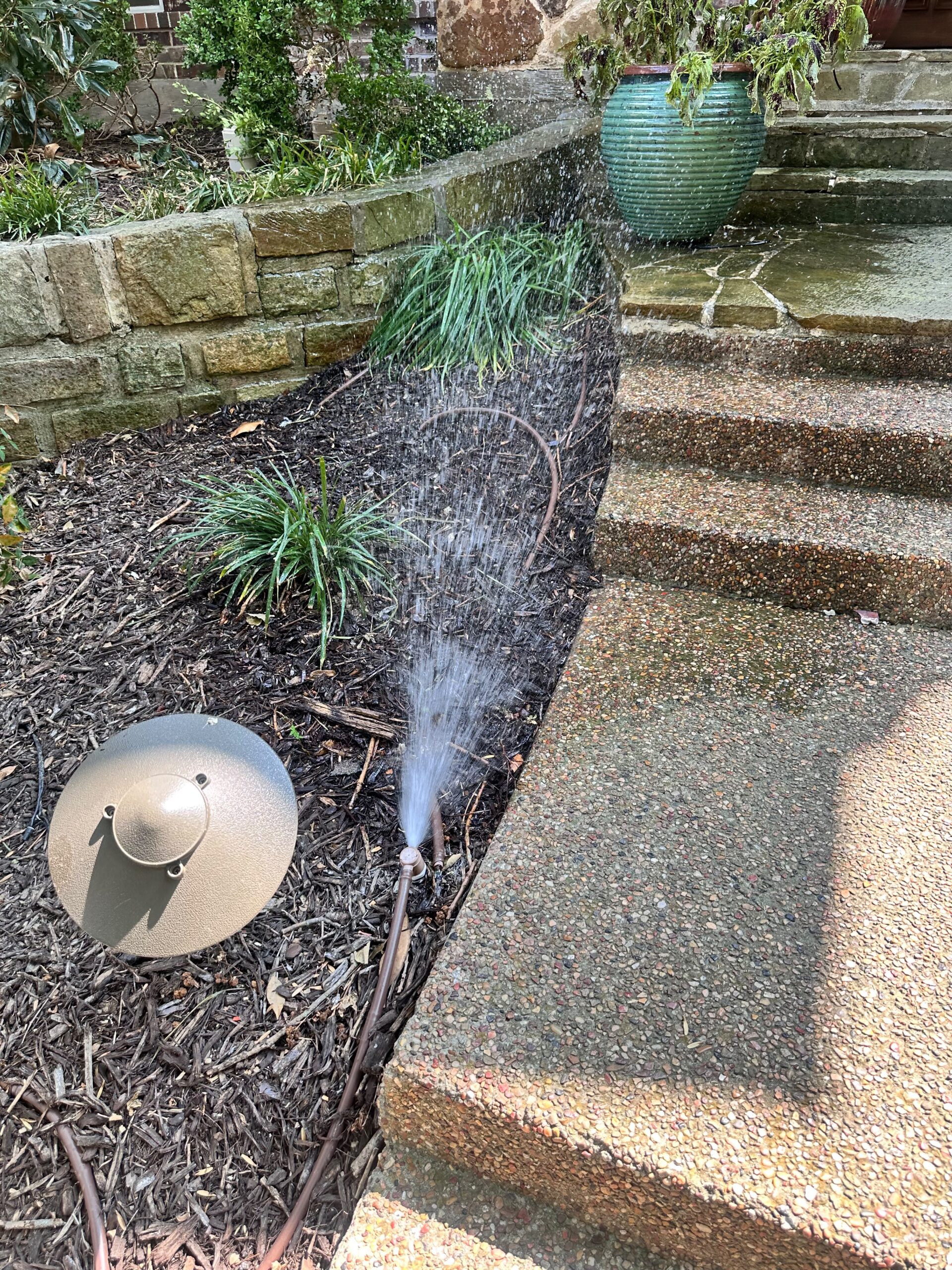
Step 6: Observe A Few Zones In Person
Watching a zone run start to finish helps confirm whether the programmed time actually matches what the ground needs, rather than relying on settings alone.
Step 7: Adjust And Recheck
After making changes, observe the updated schedule over the next few runs to confirm water is being used efficiently without under-watering any area.
Step 8: Set A Reminder For The Next Review
Marking a date, such as the start of each season, to revisit the schedule helps prevent the same drift from happening again over time.
Common Mistakes Homeowners Make
- Never revisiting the original installation settings. A schedule that made sense years ago may not reflect current landscaping or weather patterns.
- Watering every zone on the same schedule. Sun exposure and soil type vary across a yard, and a single schedule rarely fits every zone well.
- Watering in the afternoon out of habit. This is one of the simplest and most common sources of wasted water through evaporation.
- Assuming more water is always safer. Overwatering can be just as harmful to a lawn’s health as underwatering, in addition to wasting water.
- Ignoring rain in the forecast. Systems without a rain sensor or smart controller may keep watering on schedule even after a recent rainfall.
- Setting the schedule once and forgetting about it. Landscaping and weather change gradually enough that a schedule can drift out of sync without anyone noticing until waste becomes obvious.
Local Considerations In Anna, TX
North Texas conditions directly affect how efficient a watering schedule can be.
- Clay soil common throughout Anna absorbs water slowly, which means shorter, more frequent cycles often work better than one long run.
- Summer heat increases evaporation significantly, making early morning watering far more effective than afternoon or midday watering.
- Wind can scatter spray patterns and reduce how much water actually reaches the ground, especially during exposed afternoon hours.
- Water restrictions in many North Texas municipalities limit which days systems can run, making it more important that every scheduled watering session is actually efficient.
- Seasonal watering needs shift throughout the year, and a schedule that isn’t reviewed periodically is likely to be mismatched with at least part of the year’s actual needs.
Homeowners can review regional watering guidance through the Texas A&M AgriLife Extension or WaterSense, a water-efficiency program supported by the EPA.
What Else Could Cause Wasted Water
If reviewing the schedule doesn’t fully explain the waste, a few other issues are worth checking:
- Leaks in the irrigation line, which waste water regardless of how well the schedule is set
- A stuck or malfunctioning valve, which can cause a zone to run longer than programmed
- Overspray or poor head adjustment, sending water onto pavement instead of the lawn
- Low water pressure, which can distort spray patterns and reduce efficiency
- Head-to-head coverage gaps, which sometimes lead to longer run times to compensate for dry spots
A licensed sprinkler company can help identify which of these may be contributing if schedule changes alone don’t reduce waste.
Frequently Asked Questions
- What is a sprinkler schedule audit?
It’s a review of a system’s run times, start times, and frequency to identify where water may be used inefficiently.
- How often should I review my sprinkler schedule?
A seasonal review, especially at the start of summer, helps catch settings that no longer match current weather or landscaping.
- What time of day should sprinklers run?
Early morning is generally the most efficient time, since cooler temperatures reduce evaporation compared to midday or afternoon watering.
- Do all zones need the same run time?
No. Zones with different sun exposure, soil type, or plant type often need different settings to avoid over- or under-watering.
- Can a smart controller help reduce waste?
Smart controllers that adjust for weather and rainfall can reduce unnecessary watering, though a manual review is still useful to confirm settings are accurate.
Bottom Line
A sprinkler schedule audit in Anna TX often uncovers waste hiding in run times, watering frequency, or timing that no longer matches the season or landscape. Correcting these settings is usually straightforward and doesn’t require new equipment, just a closer look at what the system is currently doing.
Most schedules aren’t wrong because of a mistake. They’re wrong because they were set once and never revisited as the yard and weather changed around them. An audit simply closes that gap between what the controller is doing and what the landscape needs right now.
Fixing a schedule is one of the lowest-cost ways to reduce water waste, since it usually just means adjusted numbers on a controller that already exists, not new equipment or repairs.
Next Step
Reviewing controller settings and observing a few zones in person is something most homeowners can do without special tools. If waste continues after schedule adjustments, or the cause seems related to pressure, valves, or coverage, a professional evaluation can help identify what’s happening beyond the schedule itself.
A good starting point is setting aside 30 to 60 minutes to walk through the steps above, ideally on a day when zones can be observed in person rather than reviewed only on paper. Small changes, like adjusting a start time, often make a noticeable difference.
If the schedule looks correct but waste is still showing up, that’s usually a sign the issue lies elsewhere, such as a valve, a leak, or a coverage gap a schedule change alone won’t fix.
Related Resources
- Can A Sprinkler Adjustment Reduce Water Waste In Plano TX?
- What Does Head-To-Head Sprinkler Coverage Mean In Parker TX?
- How to Adjust Sprinkler Heads in Melissa, TX
- How to Identify an Underground Sprinkler Leak
Visit Whale Done to learn more about sprinkler system care in North Texas.
Conclusion
A sprinkler schedule audit in Anna TX is a simple way to catch water waste hiding in outdated run times, frequency, or timing. Most reviews take less than an hour and don’t require new equipment, just closer attention to current settings. If waste continues after adjustments, Whale Done offers professional evaluations to identify the cause and help your system run more efficiently.