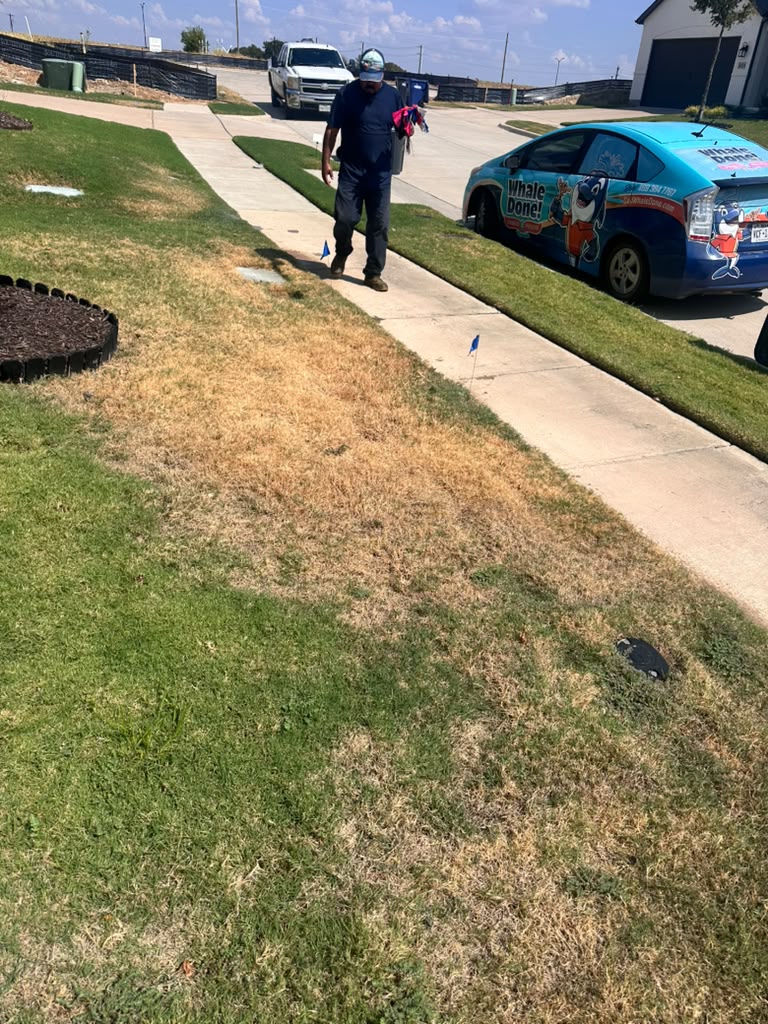
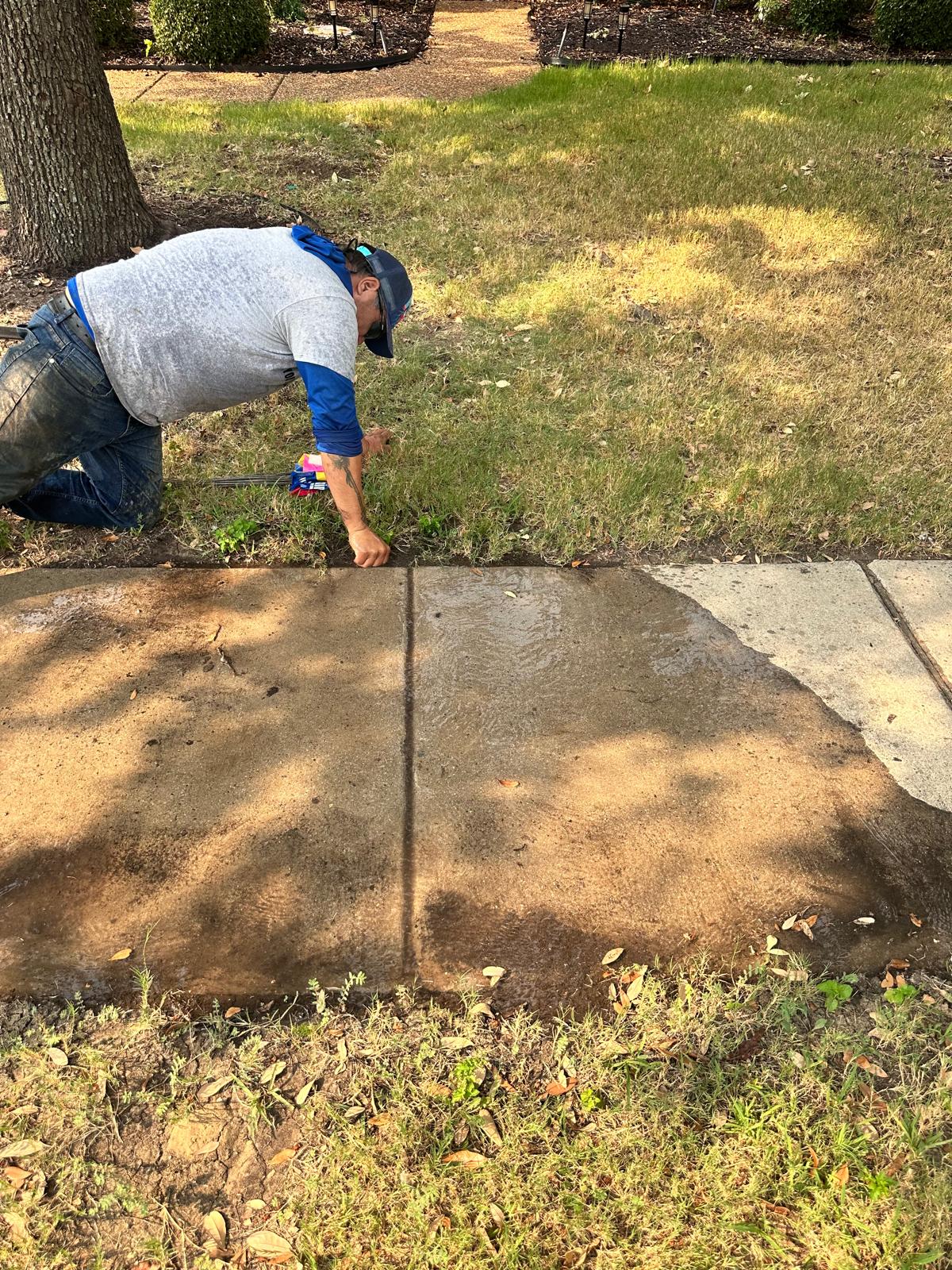
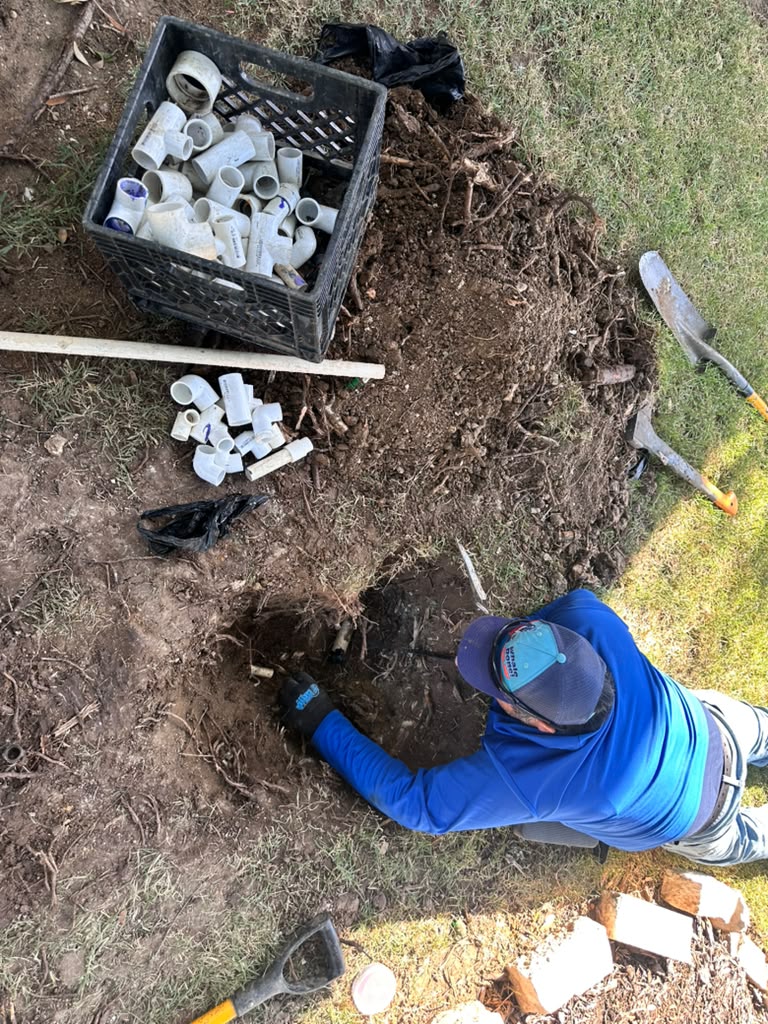
Flower bed irrigation in Lucas TX often leads to pooling water because of dense clay soil that drains slowly, a bed that sits lower than the surrounding grade, or a sprinkler and drip schedule that’s applying more water than the soil can absorb at one time. Overwatering is one of the most common causes, especially when a flower bed shares a zone with a lawn area that needs more frequent watering. In most cases, pooling can be reduced by adjusting the watering schedule, improving drainage, or switching to a slower, more targeted irrigation method like drip.
At a Glance
- Difficulty: Easy to moderate, depending on the cause
- Estimated Time: 15–45 minutes to diagnose
- Tools Needed: Garden trowel, shovel for grading checks, notepad for tracking watering schedule
- Works For: Isolated pooling, standing water after watering, or slow-draining beds
- May Not Solve: Major grading issues, foundation-related drainage problems, or underground pipe leaks that require professional repair
Why Water Pools in Flower Beds
Water pooling happens when more water lands in a space than the soil can absorb within a reasonable amount of time. In flower beds, this often has less to do with the plants themselves and more to do with soil type, grading, and how the watering schedule is set up. A bed that looks fine most of the year can suddenly show pooling after a change in weather, a new watering schedule, or added mulch that alters how water moves through the soil.
Common causes include:
- Clay soil that absorbs water slowly, allowing it to collect on the surface
- A flower bed that sits in a low point relative to the surrounding yard
- Mulch or soil that has become compacted over time, reducing absorption
- A sprinkler zone running too long or too frequently for the bed’s actual needs
- Poor edging or borders that trap water instead of allowing it to drain
- Nearby hardscape, like a patio or driveway, directing runoff into the bed
In many cases, more than one of these factors is contributing at once, which is why a step-by-step check is more reliable than assuming a single cause.
How Watering Method Affects Pooling
The type of irrigation a flower bed receives plays a significant role in whether pooling becomes a problem. Spray irrigation applies water quickly over a wide area, which can easily overwhelm slow-draining soil, especially in a bed that already sits low or has compacted mulch. Because spray heads deliver a large volume of water in a short burst, clay soil often can’t absorb it fast enough, leaving the excess to sit on the surface.
Drip irrigation, by comparison, applies water slowly and directly to the base of each plant, giving the soil more time to absorb it before the next application. This makes drip systems generally less likely to cause pooling than spray zones, particularly in beds with heavy clay soil common throughout this part of North Texas. For homeowners dealing with a persistent pooling issue, switching the bed’s irrigation method is often just as effective as adjusting the schedule alone.
Step-by-Step: Diagnosing Water Pooling in a Flower Bed
Step 1: Check How Long Water Takes to Drain
After watering, note how long standing water remains visible. Water that lingers for more than 30 minutes to an hour often points to a drainage or absorption issue rather than simple overwatering.
Step 2: Inspect the Grading Around the Bed
Look at whether the bed sits lower than the surrounding lawn or hardscape, which can cause runoff from nearby areas to collect in the bed in addition to its own irrigation.
Step 3: Check Soil Compaction
Press a trowel into the soil in a few spots. Compacted soil will resist penetration and often correlates with slower drainage and more surface pooling.
Step 4: Review the Watering Schedule
Confirm how long and how often the zone runs. A schedule set for a nearby lawn area may be applying far more water than the flower bed actually needs.
Step 5: Look for Blocked or Missing Drainage
Check whether the bed has any drainage path, such as a slight slope or gravel base, especially if it’s bordered by hardscape or a retaining wall.
Step 6: Evaluate the Irrigation Method
If the bed is on a spray zone, consider whether switching to drip irrigation would apply water more gradually and reduce the pooling issue.
Common Mistakes Homeowners Make
- Sharing a zone between lawn and flower beds. Lawns and flower beds often need different amounts of water, and combining them on one schedule frequently overwaters the bed while the lawn stays fine.
- Assuming heavier watering helps struggling plants. Overwatering can actually stress plants further and contribute to root rot in already poorly drained soil.
- Ignoring compacted mulch or soil. Mulch that has broken down or compacted over time can shed water instead of absorbing it, worsening pooling at the surface.
- Not checking grading before planting. A bed installed in a naturally low spot will continue to collect water regardless of the irrigation method used, unless the grading itself is corrected.
- Switching irrigation types without adjusting run time. Moving from spray to drip requires a different schedule, since drip runs longer but delivers water more slowly and steadily.
Local Considerations for Flower Bed Irrigation in Lucas TX
Flower bed irrigation in Lucas TX should take a few local factors into account, since both soil composition and climate affect how quickly a bed can drain after watering:
- Clay soil: Much of Lucas sits on dense clay soil that drains slowly. According to Texas A&M AgriLife Extension, clay soils benefit from shorter, repeated watering cycles rather than one long application, which helps reduce surface pooling and runoff.
- Heat: Despite slow drainage, Lucas’s hot summers still increase evaporation, which can make it tempting to overwater beds that are already struggling with pooling.
- Wind: Wind can affect spray irrigation more than drip, sometimes pushing water toward one side of a bed and worsening uneven pooling.
- Water restrictions: Many Lucas neighborhoods follow designated watering day schedules. Checking current guidance from the Texas Commission on Environmental Quality can help confirm a revised schedule stays compliant.
- Seasonal watering: Flower beds typically need less water in cooler months, and pooling issues often become more noticeable in spring when rainfall and irrigation overlap.
- Foundation movement: Consistent drainage near a home’s foundation matters on expansive clay soils, so a flower bed that regularly pools water close to the house is worth addressing sooner rather than later.
Related Problems That Can Look Similar
If adjusting the schedule and checking drainage doesn’t fully solve the pooling issue, the cause may be something else:
- An underground leak near the flower bed’s irrigation line
- A valve that’s stuck partially open, allowing water to run longer than programmed
- Poor overall yard grading directing runoff toward the bed
- A broken or disconnected drainage pipe beneath the bed
If pooling seems to affect a wider area beyond just the flower bed, our guide on why sprinkler coverage is weak in one area of the yard covers related zone issues. For questions about adjusting your system’s schedule, our article on what homeowners should change on their sprinkler controller each season walks through settings worth reviewing.
Frequently Asked Questions
How do I know if pooling is from overwatering or poor drainage? Check how quickly water disappears after rainfall versus after irrigation. If pooling happens even without recent watering, drainage is likely the bigger factor.
Can switching to drip irrigation fix pooling in my flower bed? Often, yes. Drip irrigation applies water more slowly than spray, giving clay soil more time to absorb it and reducing surface pooling.
Should I stop watering a flower bed that’s already pooling? Reducing frequency is usually a good first step, but check soil moisture at root depth before assuming the bed doesn’t need water at all.
Is standing water bad for my plants? Yes, in most cases. Standing water can suffocate roots and lead to root rot, especially in beds that already drain slowly.
Do I need a French drain to fix a pooling flower bed? Not always. Many pooling issues can be resolved by adjusting the irrigation schedule or switching to drip before a drainage system becomes necessary.
Bottom Line
Flower bed irrigation in Lucas TX often results in pooling because of a combination of slow-draining clay soil, low grading, and watering schedules that apply more water than the bed can absorb. In many cases, switching to drip irrigation and adjusting the schedule resolves the issue without requiring major drainage work.
Conclusion
Flower bed irrigation in Lucas TX commonly causes pooling when clay soil, low grading, and an overwatered schedule combine in the same space. Adjusting run times, switching to drip irrigation, or improving drainage around the bed usually solves the problem without major landscaping work. If pooling continues after these changes, a licensed sprinkler company can inspect the zone and recommend the right fix for your yard. Reach out to schedule an evaluation and stop the standing water for good.