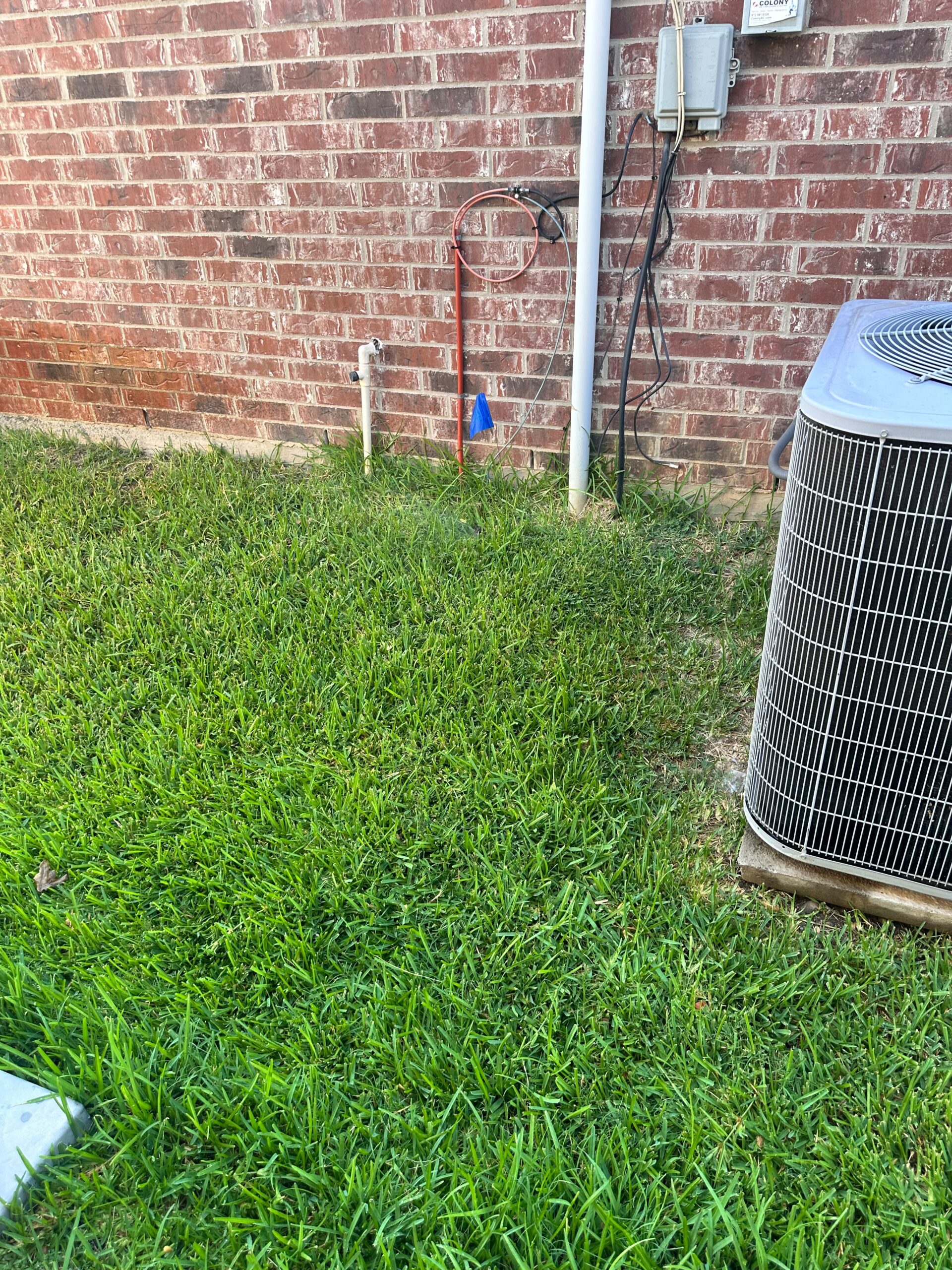
A sprinkler system evaluation in McKinney TX typically involves a technician testing each zone individually, checking water pressure, inspecting heads and valves, reviewing controller settings, and looking for signs of leaks or coverage gaps. The goal is to identify anything that’s wasting water, watering unevenly, or at risk of failing soon. Most evaluations take 30–60 minutes depending on system size, and the homeowner receives a summary of what was found — even if the answer is that everything is working as it should.
At a Glance
- Difficulty: N/A (performed by a technician)
- Estimated Time: 30–60 minutes for most residential systems
- Tools Needed: None for the homeowner; technicians use pressure gauges and diagnostic tools
- Works For: Identifying leaks, coverage gaps, pressure issues, and controller problems
- May Not Solve: Issues requiring repair or replacement — an evaluation identifies problems, it doesn’t fix them on its own
Why Homeowners Get a Sprinkler System Evaluation in McKinney TX
Irrigation systems run largely unseen, buried underground or tucked behind landscaping. Most homeowners only notice a problem once it becomes obvious — a dead patch of grass, a spike in the water bill, or water pooling somewhere it shouldn’t. An evaluation is designed to catch issues before they reach that point.
Common reasons homeowners request one include:
- Moving into a home with an existing system and no maintenance history
- Noticing uneven watering, dry patches, or overly wet areas
- A rising water bill without an obvious explanation
- Preparing the system for the start of the watering season
- Wanting a general check-up after several years without one
None of these reasons necessarily mean something is broken. Sometimes an evaluation simply confirms the system is working correctly, which is useful information on its own.
It’s also worth noting that an evaluation is different from a repair visit. A repair visit typically addresses one known issue — a broken head, a stuck valve — while an evaluation looks at the system as a whole, even the parts that seem to be working fine. This broader view is often what catches smaller issues before they turn into bigger, more expensive ones.
Step-by-Step: What Happens During the Evaluation
Step 1: Initial Walkthrough and Homeowner Conversation
Most evaluations start with a short conversation. The technician asks about any specific concerns — a dry spot, a suspected leak, an area that seems overwatered — and does a quick visual walkthrough of the property.
Step 2: Controller Review
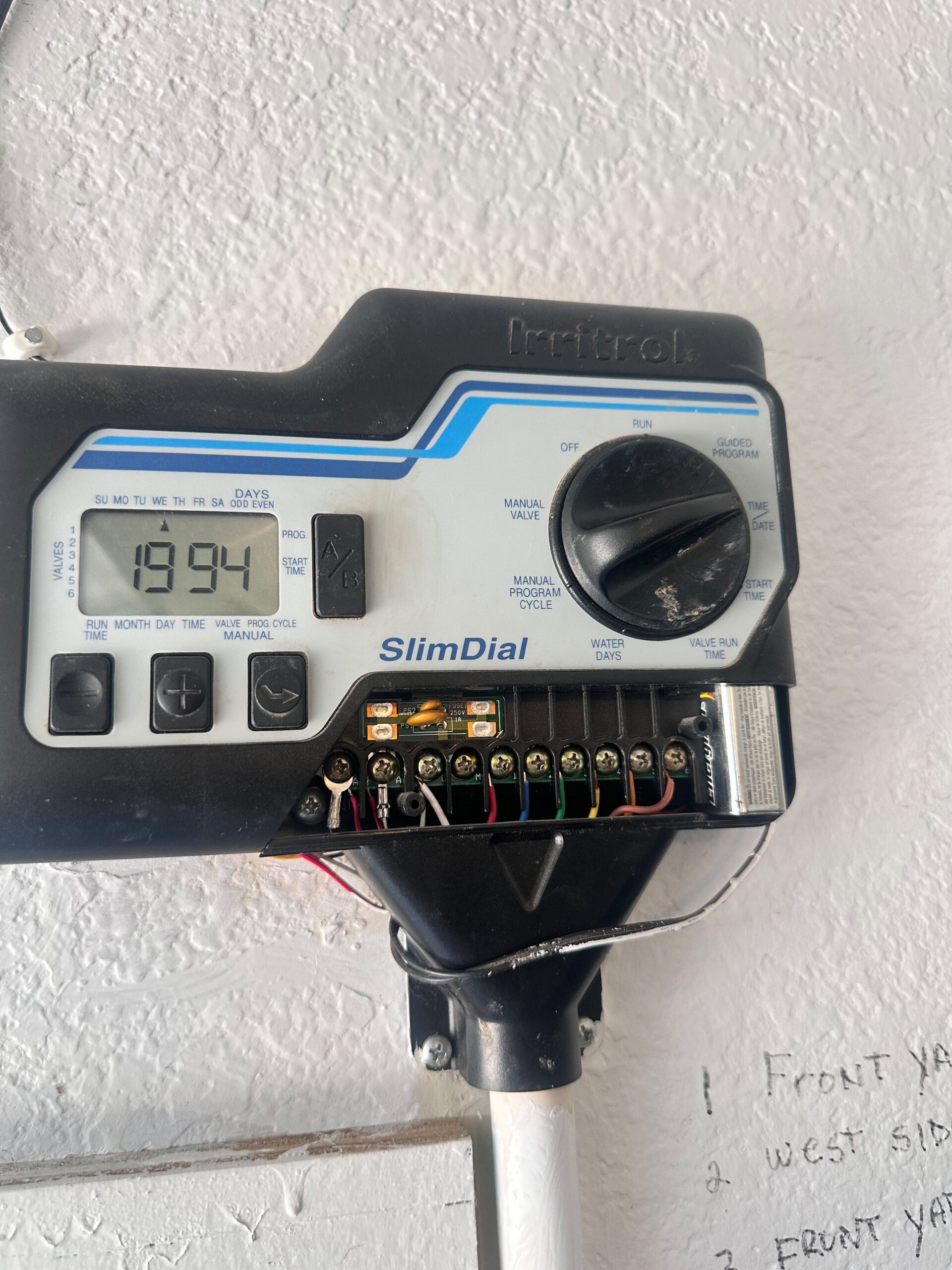
The technician checks the current programming on the controller, including run times, start times, and which zones are active on which days. This step often uncovers outdated schedules left over from a previous season or a previous owner.
Step 3: Zone-by-Zone Testing
Each zone is run individually so the technician can watch it operate in real time. This is where coverage gaps, weak spray, misaligned heads, and uneven distribution typically show up.
Step 4: Water Pressure Check
Pressure is tested at the system’s point of connection and sometimes at individual zones. Pressure that’s too high or too low can affect spray pattern, distance, and how evenly water is applied across the lawn.
Step 5: Head and Nozzle Inspection
Each sprinkler head is checked for damage, clogging, tilting, or sinking below grass level. Nozzles are inspected for wear, since older nozzles can distribute water less efficiently than newer ones.
Step 6: Valve and Backflow Preventer Check
The technician inspects valves for proper opening and closing, and checks the backflow preventer for leaks, cracks, or signs it isn’t sealing correctly. This component protects the home’s drinking water supply, so it’s a routine part of most evaluations.
Step 7: Leak Detection
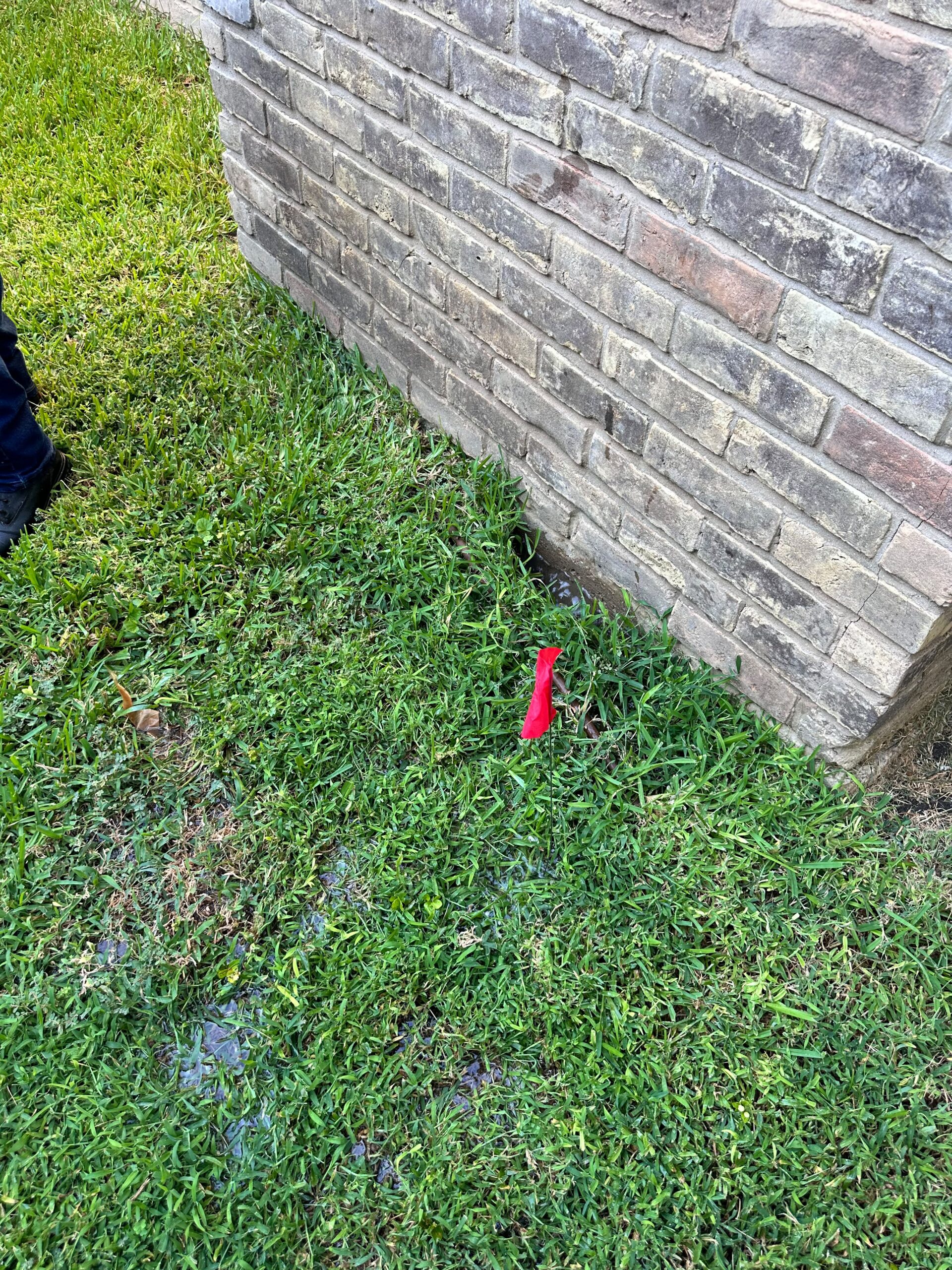
If a leak is suspected — based on the water meter, a wet area, or the homeowner’s description — the technician checks the water meter for movement during a period when the system is off, and inspects likely trouble spots like valve boxes and low-lying areas of the yard.
Step 8: Summary and Recommendations
At the end of the evaluation, the technician summarizes what was found, including any issues that need attention, anything worth monitoring, and confirmation of what’s working properly. This is typically provided verbally and, in some cases, as a written summary. Homeowners are usually left with a clear sense of priorities — what needs addressing soon, what can wait, and what doesn’t need any action at all.
Common Mistakes Homeowners Make
- Waiting until something breaks to schedule an evaluation. Many issues, like a slightly misaligned head or an outdated controller schedule, are easy to catch early but harder to notice once they’ve caused lawn damage.
- Assuming an evaluation means something is wrong. A routine check often confirms the system is functioning well, which is a normal and useful outcome.
- Not mentioning specific concerns beforehand. Letting the technician know about a suspected leak, dry patch, or high water bill helps them focus the evaluation where it matters most.
- Skipping evaluations after a home purchase. A system with no known maintenance history benefits from a baseline check, even if nothing seems obviously wrong.
- Expecting repairs to happen automatically. An evaluation identifies issues; any recommended repairs are typically a separate step the homeowner decides on afterward.
- Assuming every system needs the same level of attention. A newer system installed within the last few years generally needs less scrutiny than one that’s over a decade old or has an unknown maintenance history.
Local Considerations for McKinney, TX
McKinney’s mix of established neighborhoods and newer developments means irrigation systems in the area range widely in age and condition. Older systems, especially those installed more than a decade ago, are more likely to have outdated controllers, worn nozzles, or valves nearing the end of their service life.
McKinney’s clay soil also plays a role in how evaluations are approached. Because clay absorbs water slowly, technicians often pay close attention to run times and cycle settings, since a schedule that worked well on a different soil type can lead to runoff or uneven absorption here. Seasonal watering restrictions in McKinney are another common discussion point during evaluations, since technicians can help homeowners get the most out of their allowed watering days.
Freeze events during North Texas winters are also worth mentioning. A system that wasn’t properly winterized the previous year can develop cracks in exposed piping or the backflow preventer, which often surface during a spring evaluation. The EPA’s WaterSense program recommends periodic system evaluations as one of the most effective ways for homeowners to reduce outdoor water waste, particularly in regions with seasonal temperature swings like North Texas.
Foundation health is another point technicians sometimes discuss during a McKinney evaluation. Consistent, even watering helps stabilize clay soil around a home’s foundation during hot, dry stretches, so an evaluation that identifies dry zones near the foundation can be useful for reasons beyond the lawn itself.
Related Topics an Evaluation Might Uncover
An evaluation often surfaces issues related to, but separate from, the original reason a homeowner requested one:
- Leaks in underground lines, valves, or the backflow preventer
- Runoff caused by long run times on clay soil or sloped areas
- Uneven coverage, where some areas receive more water than others
- Controller or programming issues, such as outdated schedules or malfunctioning components
If you’re dealing with one of these specific issues already, it may help to review the related resources below before scheduling a full evaluation. A licensed sprinkler company can often address a single known issue without a full system evaluation, depending on the situation. Guidance from the Irrigation Association on system audits notes that regular evaluations are one of the most reliable ways to catch inefficiencies before they lead to plant stress or water waste.
Frequently Asked Questions
- How long does a sprinkler system evaluation take?
Most residential evaluations take between 30 and 60 minutes, depending on the number of zones and whether any issues require closer inspection.
- Do I need to be home during the evaluation?
It’s helpful to be available at the start to share any specific concerns, but the technician can typically complete most of the evaluation independently afterward.
- Will an evaluation tell me if my system has a leak?
Yes. Checking for leaks, including underground leaks and valve issues, is a standard part of most sprinkler system evaluations.
- Does an evaluation include repairs?
No. An evaluation identifies issues and provides recommendations. Any repairs are typically discussed and scheduled separately based on what’s found.
- How often should I get my system evaluated?
Many homeowners schedule one evaluation per year, often at the start of the watering season, though a system with a known issue may warrant one sooner.
Bottom Line
A sprinkler system evaluation in McKinney TX covers the full system — controller settings, water pressure, individual zones, heads, valves, and potential leaks — to give homeowners a clear picture of how their irrigation system is performing. It doesn’t always mean something is broken; sometimes it simply confirms the system is working as intended.
Next Step
If you’ve noticed a specific issue, like uneven watering, a suspected leak, or a rising water bill, or if it’s simply been a while since your system was last checked, a professional evaluation can provide clarity on where things stand and what, if anything, needs attention.
Related Resources
- How Can I Check My Sprinkler System For Leaks In Melissa TX?
- Can Cycle-And-Soak Reduce Sprinkler Runoff In Prosper TX?
- Why Is My Sprinkler Water Running Into The Street In Celina TX?
- Seasonal Sprinkler Maintenance Checklist for North Texas
Conclusion & Call to Action
A sprinkler system evaluation in McKinney TX gives homeowners a clear, honest look at how their system is performing, from controller settings to individual zones, water pressure, and potential leaks. Whether the result is a short list of recommendations or a clean bill of health, you’ll know exactly where your system stands and what, if anything, needs attention. Whale Done offers thorough, no-pressure evaluations focused on giving you accurate information first, so you can decide what happens next on your own terms.