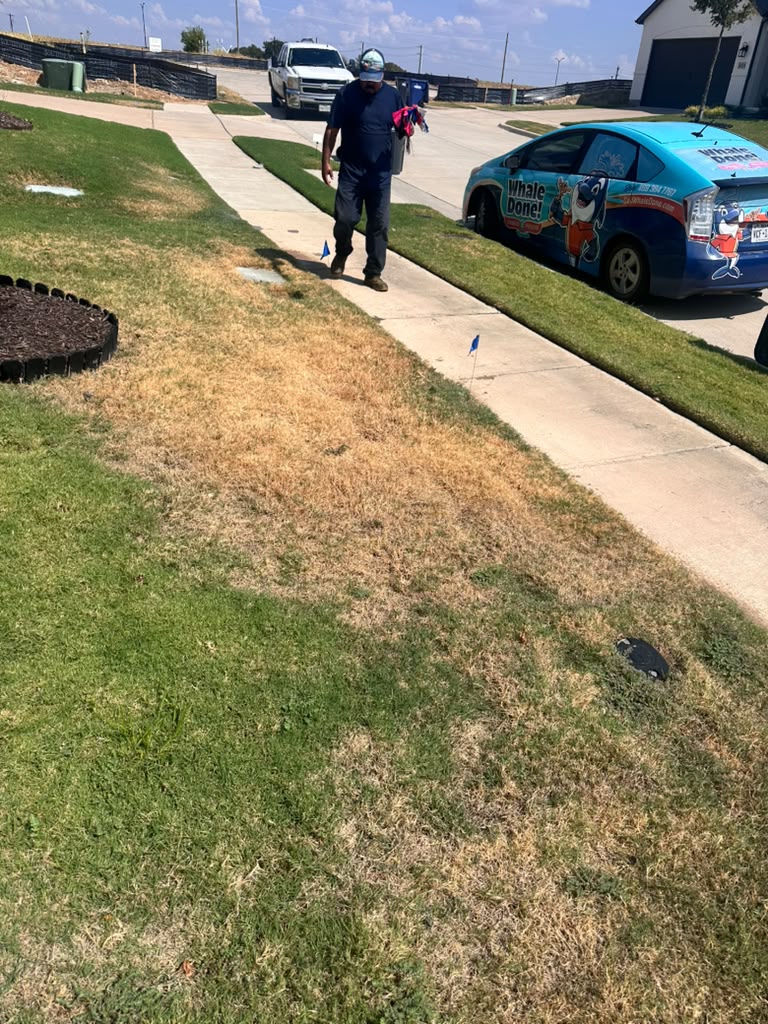
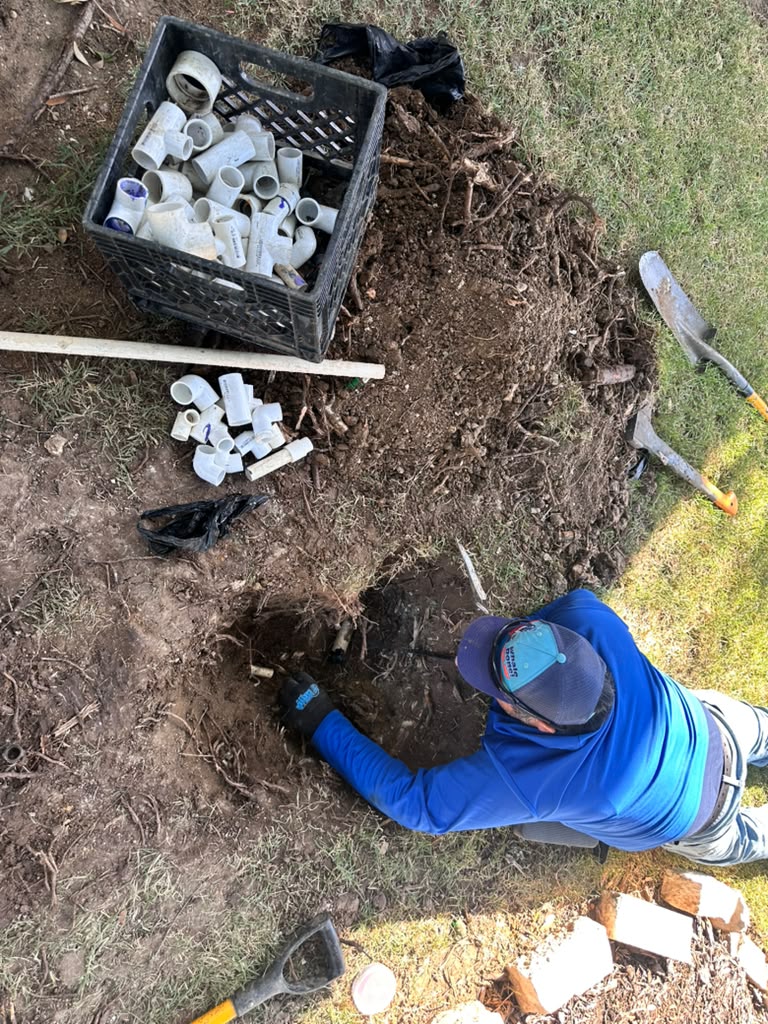
For a winter sprinkler inspection Murphy TX homeowners can rely on, tell the technician what you know about your system’s layout, any problems you’ve noticed, and any past repairs or freeze damage. Also mention recent yard changes, how you’ve been watering, and where your shutoff valves are.
You don’t need technical vocabulary. Plain descriptions like “this zone never turns on” or “the area by the fence stays soggy” give a technician useful clues. The more history you share, the faster they can find real problems and skip unnecessary work.
At a Glance
- Difficulty: Easy. No technical knowledge needed
- Estimated Time: 10–15 minutes to gather your notes
- Tools Needed: Phone for photos, notes on past issues, your controller schedule
- Works For: Getting a more accurate inspection and avoiding missed problems
- May Not Solve: Hidden damage that only shows up once the system is tested
Why What You Tell the Technician Matters
A technician sees your system for the first time during the visit. You’ve lived with it for years.
You know which zone acts up, where the yard floods, and what changed last summer. A technician can’t see that history from the surface. Sharing it helps them focus on the right spots instead of guessing.
It also saves time. A short conversation can point straight to a problem that might otherwise take an hour to find.
What to Expect During a Winter Sprinkler Inspection Murphy TX
A winter inspection looks at the parts of your system that can be damaged by freezing temperatures. It’s different from a routine summer tune-up.
A technician will usually:
- Check the backflow preventer, which is often the most exposed part
- Locate the irrigation shutoff valve
- Look at valve boxes for cracks, standing water, or debris
- Test zones to find leaks or stuck valves
- Review the controller and its off-season settings
- Note anything that needs repair before a hard freeze
Knowing this helps you decide what to share. Anything connected to these areas is worth mentioning.
Step 1: Share Your System’s Basics
Start with what you know about how the system is set up. Even partial answers help.
Details Worth Mentioning
- Approximate age of the system: Older systems may use different materials and have more wear.
- Number of zones: Check your controller if you’re not sure.
- Types of watering: Spray heads, rotors, drip lines, or a mix.
- Backflow preventer location: Above ground near the house, or in a buried box.
- Shutoff location: Where you turn off water to the irrigation system.
If you don’t know some of this, say so. A technician would rather hear “I’m not sure” than a guess.
Step 2: Describe Problems You’ve Noticed
This is the most valuable thing you can share. Symptoms point to causes.
Think about what you’ve seen over the past few months:
- A zone that doesn’t turn on, or won’t turn off
- Heads that don’t pop up all the way
- Low pressure or weak spray
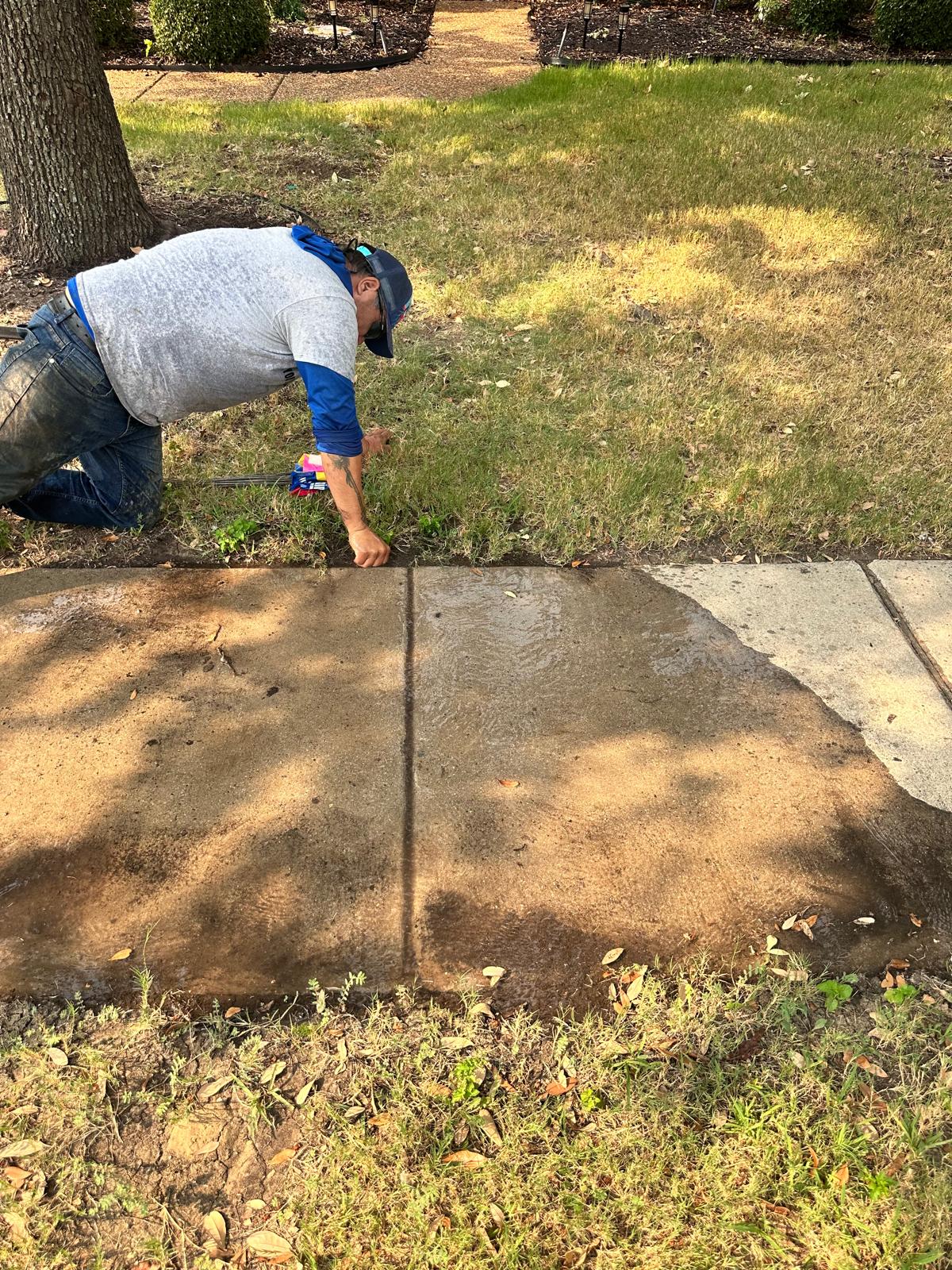
- Wet or muddy spots when the system isn’t running
- Water running at the backflow preventer
- A higher-than-normal water bill
- Sounds like banging or hissing when zones start
Be as specific as you can. “The back-left zone sputters” is more useful than “the sprinklers are acting weird.”
Photos help too. A quick picture of a soggy patch or a leaking valve box gives context on the spot.
Step 3: Mention Past Freeze Damage and Repairs
Past problems often repeat. If something broke before, the same spot may be weak again.
Tell the technician about:
- Any pipe, valve, or backflow preventer that cracked in a past freeze
- Repairs made by you or another company, and roughly when
- Whether the backflow preventer has ever been insulated or covered
- Whether the system has been winterized before, and how
Sharing this isn’t about blaming anyone. It simply gives the technician a map of where to look closely.
Step 4: Tell Them About Yard Changes
Yards change, and sprinkler systems don’t always keep up. Landscaping work can quietly damage or block parts of a system.
Let the technician know if you’ve had any of the following:
- New sod, flower beds, or trees
- A new fence, patio, or pool
- Grading or drainage work
- Foundation repair
- Utility or cable work
Digging can nick a pipe or bury a valve box. A technician who knows about it can check those areas first.
Step 5: Explain Your Controller and Watering Habits
Your controller settings tell a story about how the system has been used. Mention how you’ve been running it lately.
Helpful details include:
- Whether you’ve already turned it off or switched it to rain mode
- How long and how often zones have run
- Whether you use a rain or freeze sensor
- Whether anyone else changes the settings, like a landscaper
Remember that changing a timer is not the same as protecting the system. A timer only stops scheduled watering. It doesn’t remove water from pipes or protect the backflow preventer.
Step 6: Share Access Details
A few practical notes make the visit go smoothly.
- Gate codes or locked gates
- Dogs in the yard
- Where valve boxes are, if you know
- Whether you’ll be home during the inspection
- Any HOA rules that affect work in front yards
These details prevent delays and missed zones.
Questions to Ask the Technician
The conversation should go both ways. A licensed sprinkler company will usually welcome questions.
Consider asking:
- What did you find, and what do you recommend?
- Which items are urgent, and which can wait?
- Does my system need water removed, or is protection enough?
- Is my backflow preventer in good shape?
- Can you show me where my shutoff valve is?
Some homeowners choose to ask for photos of any problems found. That’s a reasonable request.
Common Mistakes Homeowners Make
Most inspection problems come from missing information. Here are the mistakes that come up most.
- Holding back past problems: Even small leaks or repairs are worth mentioning.
- Assuming the technician will notice everything: Some issues only show up with context.
- Turning off the controller and calling it done: The pipes still hold water.
- Waiting until a freeze warning: Schedules fill up fast when cold weather is in the forecast.
- Not knowing where the shutoff is: Find it before a freeze, not during one.
- Skipping questions: If you don’t understand a recommendation, ask.
Local Considerations for Murphy and North Texas
North Texas winters are unpredictable. A mild week can end with a hard freeze overnight.
- Clay soil: It shifts as it dries and swells, which can stress pipes and fittings.
- Heat history: After a long, hot summer, parts may already be worn.
- Wind: Cold wind can chill exposed backflow devices faster than the air temperature suggests.
- Seasonal watering: Lawns need far less water in winter, so adjusting your schedule is reasonable.
- Water restrictions: Check with the city or your water provider for current watering rules.
- Foundation movement: Lines near the foundation may be strained by shifting soil.
The Texas A&M AgriLife Extension offers helpful guidance on lawn and landscape care in Texas.
Related Problems to Watch For
Sometimes what looks like a freeze problem is something else. If you notice any of these, mention them too.
- Low water pressure: May be a partly closed valve or a leak.
- A zone that won’t shut off: Often a valve problem.
- Wet spots in the yard: Could be a broken pipe or head.
- Water use that seems too high: A leak may be hiding underground.
For more on water-efficient practices, the EPA WaterSense program shares tips for homeowners. If you suspect a leak, read our guide on finding an underground sprinkler leak. If a zone won’t behave, see our article on sprinkler valve problems.
Frequently Asked Questions
What should I tell the technician first?
Start with any problems you’ve noticed, like zones that don’t run or wet spots. Then share past repairs, freeze damage, and recent yard changes. These give the most useful clues.
Do I need to know how my system works before the inspection?
No. Plain descriptions of what you’ve seen are enough. If you don’t know a detail, say so.
Should I be home during the inspection?
It helps, but it isn’t required. Being there lets you point out problem areas and ask questions. If you can’t be, leave notes and make sure gates are accessible.
When should I schedule a winter inspection?
Ideally before the first hard freeze, often between November and December. Scheduling early avoids the rush when cold weather is forecast.
Is a winter inspection the same as winterization?
Not exactly. An inspection checks the system’s condition and finds problems. Winterization is the work of protecting it, such as shutting off water or removing water from lines.
Next Step and Bottom Line
A winter sprinkler inspection Murphy TX homeowners trust starts with open communication. Share your system’s history, symptoms, past repairs, and yard changes, and the technician can find real problems faster. If you’re unsure what to mention or what your system needs, a licensed sprinkler company can walk you through it. Whale Done is happy to answer questions or schedule a visit, and our goal is to educate first.