Irrigation pipe protection in Prosper TX focuses on the parts of your system that sit above ground or hold water close to the surface. These usually include the backflow preventer, the pipes connected to it, exposed valves, and any pipe that runs along the house or fence.
Not every home uses the same setup. The right protection depends on the exact equipment on your property, so walk the yard and note what you see. A licensed sprinkler company can confirm what applies to your system.
At a Glance
| Difficulty | Finding exposed parts: easy. Choosing protection for specific equipment: depends on the device |
| Estimated Time | 15 to 20 minutes for a walk-through |
| Tools Needed | Flashlight, phone for photos, notepad |
| Works For | Identifying which parts of your system need attention before a freeze |
| May Not Solve | Existing leaks, worn parts, or damage from a past freeze |
Why Above-Ground Parts Need Attention
Water expands when it freezes, creating pressure that can crack irrigation pipes, valve bodies, fittings, and other vulnerable components. Even a small amount of trapped water can cause damage when temperatures drop below freezing. Understanding how freezing affects your sprinkler system helps you identify areas that may need extra protection.
Buried irrigation lines receive some insulation from the surrounding soil, which helps slow temperature changes. However, above-ground components, including backflow preventers, exposed pipes, and valves, face direct exposure to cold air and strong winds. These parts are often more vulnerable to freezing and may require additional insulation or preparation.
Knowing which components are exposed allows homeowners to prioritize protection, reduce potential damage, and avoid unnecessary repairs during winter.
What Counts as Irrigation Pipe Protection in Prosper TX?
Protection means reducing the chance that water inside a component freezes and cracks it. The method depends on the part and how it is built.
Common approaches include:
- Insulating covers or wraps designed for irrigation equipment
- Shutting off the water supply to the system
- Removing water from the part or the lines, where the system allows it
- Moving or repairing parts that are poorly protected
Some parts need more than one approach. A licensed company decides which fits your equipment.
Step 1: Walk the Property and Find Exposed Components
Start outside, in daylight, with a notepad. You are looking for anything that sits above the soil line.
Check these areas:
- Near the water meter and the house connection
- Along the side of the house
- Beside the garage or an outdoor wall
- Along fences and retaining walls
- Around the controller, if it is mounted outside
Take a photo of each part. Photos help when you ask a technician about it later.
Step 2: Identify the Backflow Assembly
The backflow preventer is the device that keeps irrigation water from flowing back into your drinking water. It is often the most exposed part of the system.
Do not assume yours looks like a neighbor’s. Homes can have different types, sizes, and brands.
What to Note
- Location: Above ground near the house, or in a buried box
- Shape and size: Take photos from several angles
- Brand and model: Often printed on a label or the device body
- Shutoff handles: Note where they are and whether they turn freely
- Existing cover or insulation: Note whether it is intact and dry
Step 3: Check the Manufacturer’s Guidance
Manufacturers publish information about how their devices should be handled in cold weather. Some devices have specific recommendations for draining or covering.
Use the brand and model you found in Step 2. Look for the manual on the manufacturer’s website, or ask a licensed company to review it with you.
Do not rely on generic instructions. A method that suits one assembly may not suit another, and some covers are made for specific devices.
Step 4: Look at Pipes Near the Backflow Device
Pipes connected to the backflow preventer often stay above ground for a short distance. These sections can freeze even when the rest of the system is fine.
Look for:
- Pipes without insulation
- Insulation that is torn, wet, or missing
- Fittings or unions that look worn
- Pipe sections that pass through cold, open areas
Mention any of these to a technician. A short exposed section is still worth protecting.
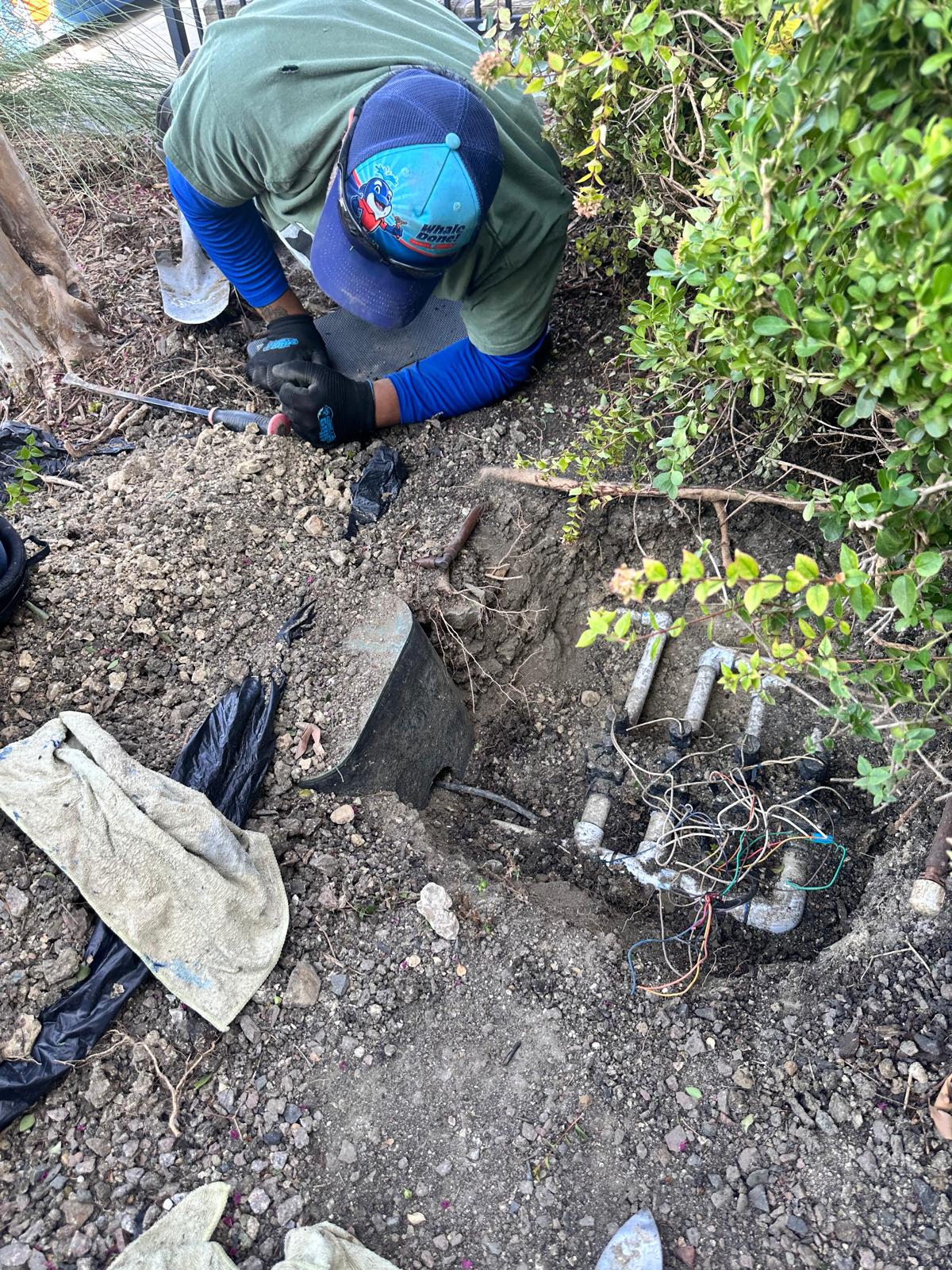
Step 5: Check Valves and Valve Boxes
Valves control the flow of water to each zone. Many sit in boxes in the ground, which offers some protection.
Lift the lid if it comes off easily. Look inside for:
- Standing water
- Cracks in the box or lid
- Debris or insects
- Visible leaks around the valves
A damaged box leaves valves more exposed. Note anything unusual and take a photo.
Step 6: Check the Controller and Other Exposed Equipment
Some parts are not pipes but still matter. Controllers on outdoor walls and sensors can be affected by cold and moisture.
- Controller: Check that the cover closes and the wiring looks dry.
- Rain or freeze sensor: Confirm it is mounted securely.
- Hose bibs: Disconnect hoses and check for drips.
Remember that changing the controller schedule does not protect pipes. It only stops scheduled watering.
Common Mistakes Homeowners Make
Most protection problems come from assumptions. Here are the ones that come up often.
- Assuming every home has the same backflow assembly: Setups vary.
- Using a generic cover: It may not fit your device.
- Overlooking short exposed pipe sections: They can freeze first.
- Relying on the timer alone: Pipes still hold water.
- Skipping the walk-through: Hidden parts get missed.
- Waiting for a freeze warning: Schedules fill quickly when cold weather is forecast.
Local Considerations for Prosper and North Texas
North Texas winters can swing from mild to freezing within a day. Local conditions affect how a system holds up.
- Clay soil: It swells and shrinks, which can stress pipes, fittings, and valve boxes.
- Heat: A long, hot summer can leave parts worn before winter starts.
- Wind: Cold wind can chill exposed devices faster than the air temperature suggests.
- Seasonal watering: Lawns need far less water in winter, so pausing the system is often reasonable.
- Water restrictions: Check with the town or your water provider for current rules.
- Foundation movement: Shifting soil near the house can strain nearby lines.
The Texas A&M AgriLife Extension offers helpful guidance on landscape and lawn care during Texas winters.
Related Problems to Watch For
Sometimes what looks like a freeze concern is a different issue. If you notice any of these, the cause may be something else.
- Low water pressure: May point to a partly closed valve or a leak.
- A zone that won’t shut off: Often a valve problem.
- Wet spots in the yard: Could be a broken pipe or head.
- Water running at the backflow preventer: May be a worn or cracked device.
The Irrigation Association offers general information on how irrigation systems are built. If you suspect a leak, read our guide on finding an underground sprinkler leak. For zones that won’t behave, see our article on sprinkler valve problems.
Frequently Asked Questions
Which parts of a sprinkler system freeze first?
Usually the parts above ground, especially the backflow preventer and the pipes connected to it. Buried lines get some protection from the soil.
Does every home have the same backflow preventer?
No. Types, sizes, and brands vary. Check the label on your device and ask a licensed company if you are unsure what you have.
Can I use any cover on my backflow preventer?
It is better to use a cover designed for irrigation equipment and suited to your device. Check the manufacturer’s guidance or ask a licensed company.
Are buried pipes at risk in a freeze?
They are less exposed, but not risk-free. Shallow sections, valve boxes, and fittings near the surface can still be affected.
Is turning off the controller enough protection?
No. It only stops scheduled watering. Water can still sit in pipes, valves, and the backflow preventer.
Next Step and Bottom Line
Irrigation pipe protection in Prosper TX starts with understanding which parts of your sprinkler system are exposed to freezing temperatures. Walk around your property, locate the backflow assembly, and inspect exposed pipes, valves, and fittings for potential vulnerabilities. Check the manufacturer’s recommendations for your equipment, as different irrigation systems may require specific protection methods. Insulating exposed components and confirming proper system settings can help reduce the risk of freeze-related damage.
Since every property has a different irrigation setup, professional guidance can help identify areas needing attention. If you’re unsure how to prepare your system, a licensed sprinkler company can review it and explain your options. Whale Done is happy to answer questions or schedule a visit. Our goal is to educate homeowners first.