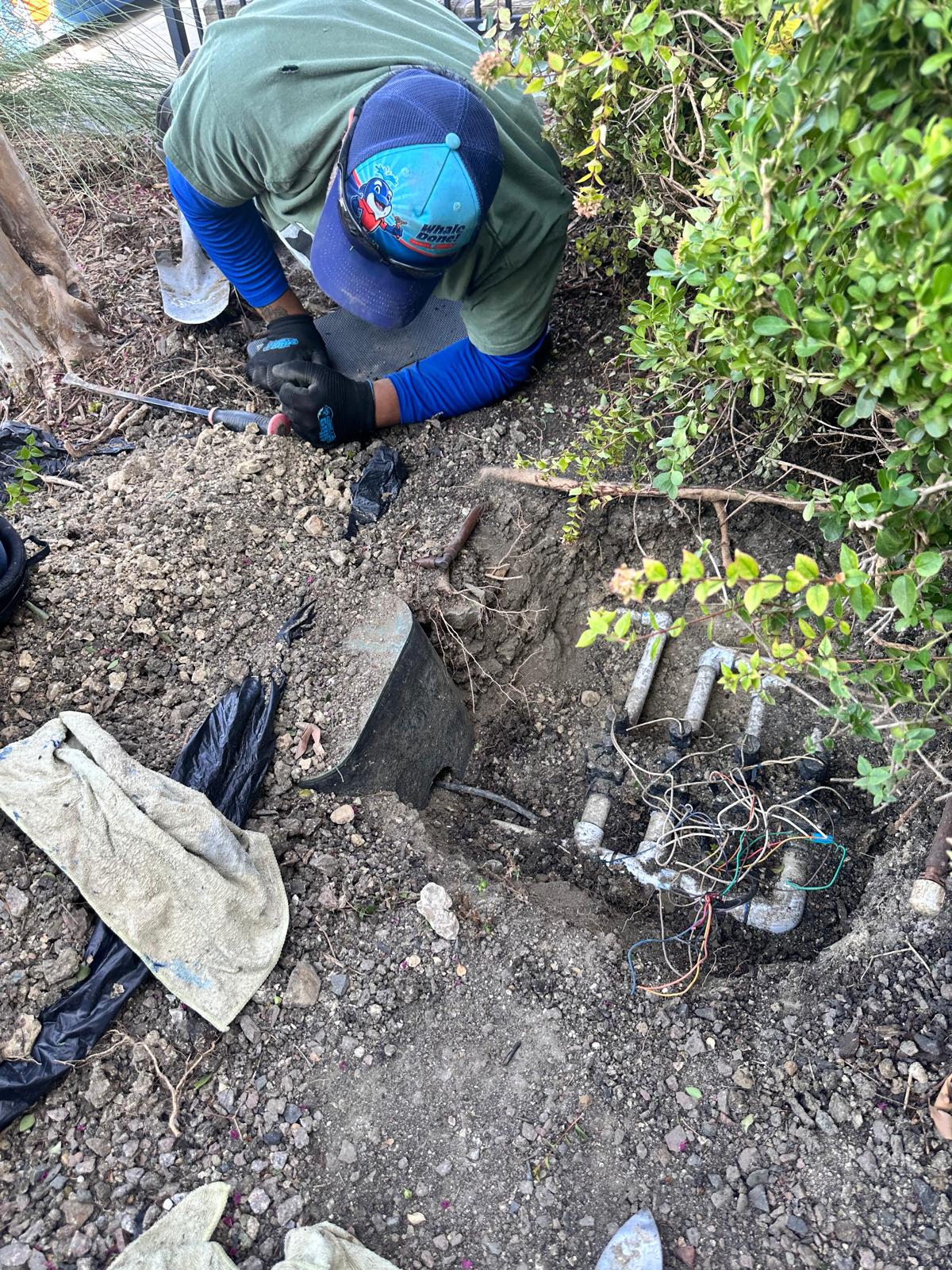
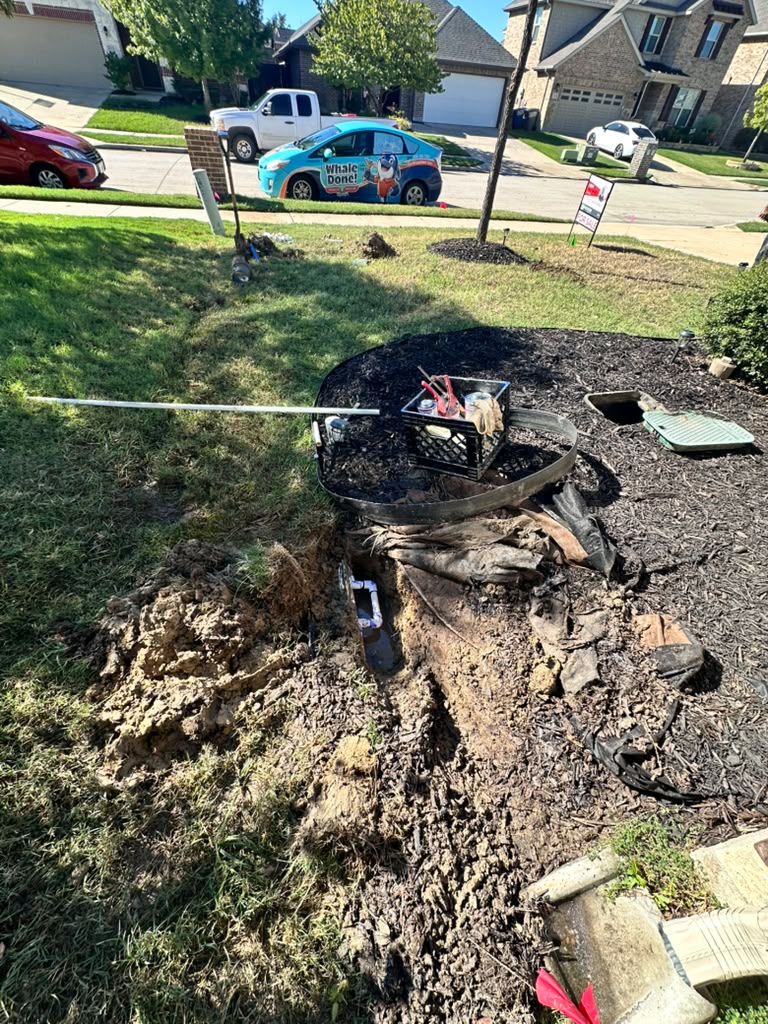
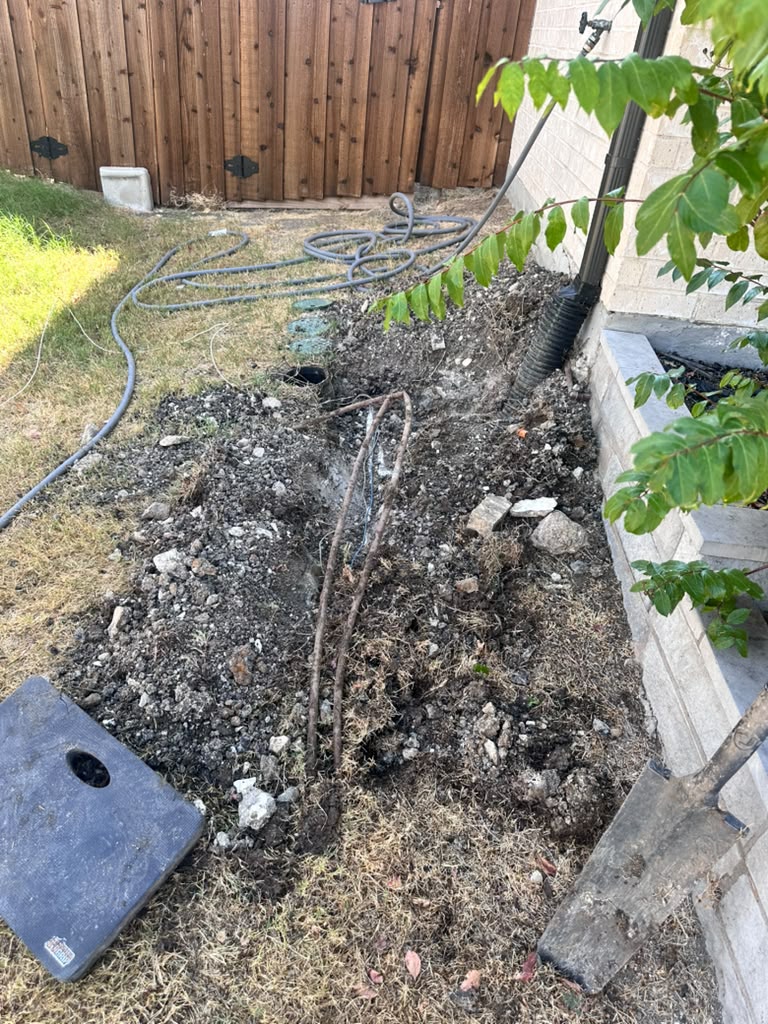
Yes, yard work can affect sprinkler freeze protection service in Celina TX. Digging, grading, new landscaping, and even heavy mowing can shift pipes, bury valve boxes, damage heads, or disturb insulation around the backflow preventer. Any of these changes can undo protection that was in place before the work started.
After yard work, check the visible parts of your system and note anything that looks different. If something has changed, a licensed sprinkler company can reassess the system and tell you whether the protection still holds.
At a Glance
| Difficulty | Basic visual check: easy. Reassessing freeze protection: best left to a licensed professional |
| Estimated Time | 15 to 20 minutes for a walk-through of your yard |
| Tools Needed | Phone for photos, flashlight, notes on what work was done and when |
| Works For | Catching changes from landscaping, service work, or resumed use before a freeze |
| May Not Solve | Hidden underground damage that only shows up when the system is tested |
Why Yard Work Can Change Your Freeze Protection
Freeze protection is set up for the system as it was on the day of service. Water was shut off, exposed parts were covered, and the controller was set for the off-season.
Yard work changes the conditions around those steps. Soil moves, covers get removed, and parts get bumped.
A system that was ready in October can be different by December. That is why follow-up checks matter.
What Counts as Yard Work That Can Affect Your System?
Not every task carries the same risk. These are the ones most likely to cause changes.
- Digging: New planting beds, trees, fence posts, or utility work
- Grading and drainage work: Moving soil can bury or expose parts
- New sod or mulch: Layers can cover valve boxes and heads
- Hardscape projects: Patios, walkways, and pool work near lines
- Heavy equipment: Trucks and machinery can crush boxes and shallow pipe
- Mowing and edging: Mowers can clip heads and uncover insulation
Even a small project near a valve box or the backflow preventer is worth a second look.
How Sprinkler Freeze Protection Service in Celina TX Works
A freeze protection service focuses on the parts of the system that hold water or sit above ground. The exact steps depend on how the system is built.
A licensed sprinkler company typically:
- Locates the irrigation shutoff valve
- Protects or drains the backflow preventer
- Addresses water in the lines where appropriate
- Checks valves and valve boxes
- Sets the controller for the off-season
Because every property is different, the scope can vary. Ask what your service included so you know what to recheck later.
Step 1: Walk the Yard After Any Work
Start with a slow walk around your property. Look at the areas where work happened and the areas around them.
Check for:
- Valve box lids that are buried, cracked, or missing
- Heads that are tilted, sunken, or broken
- Fresh wet spots or soft ground
- Insulation or covers on the backflow preventer that have shifted
- Pipes or fittings that are newly exposed
Take photos as you go. They make it easier to describe changes later.
Step 2: Check Your Backflow Preventer
The backflow preventer keeps irrigation water from flowing back into your drinking water. When it sits above ground, it is the most exposed part of the system.
Look at it after any yard work. Confirm that any cover or insulation is still in place and that nothing has bumped or loosened it.
Also check for dripping or running water. That is worth noting even if it looks minor.
Step 3: Review Your Controller and Settings
Contractors, landscapers, and family members sometimes change controller settings without mentioning it. A zone may have been turned back on for new sod or plants.
Check that the schedule still matches your off-season plan. A timer change is not the same as freeze protection, since it only stops scheduled watering.
If you plan to run the system again, note which zones and why. Running water into a system that was drained can change the situation.
Step 4: Think Through Resumed Use
Sometimes a system is turned back on in winter for new sod, a repair, or a watering need. That changes the protection that was in place.
Resumed use can put water back into lines that were cleared. If a freeze follows, that water can cause damage.
Before turning zones back on, consider these points:
- Whether a freeze is in the forecast
- Whether the work was minor or major
- Whether water was turned back on at the supply
- Whether any parts were repaired or replaced
If you’re unsure, asking a licensed company first is a safe choice.
When Professional Reassessment Is Appropriate
You don’t need a visit after every small task. Some changes are easy to handle yourself, like replacing a displaced cover.
A reassessment is often appropriate when:
- Digging or grading happened near valves, pipes, or the backflow preventer
- A valve box was buried, crushed, or moved
- You see new leaks, wet spots, or running water
- A head or fitting was broken during work
- Another contractor worked on the system
- You restarted the system after freeze protection was done
- You can’t tell whether the protection is still intact
A technician can test the system, inspect the parts, and explain what needs attention.
How to Describe the Changed Condition
Clear descriptions help a technician find problems faster. You don’t need technical terms.
Try to share:
- What work was done: For example, “new flower bed along the front walk”
- When it happened: Dates or a rough timeframe
- Where it happened: Which part of the yard, and how close to valves or the backflow preventer
- What you noticed: Wet ground, broken heads, buried boxes, or loose covers
- What you changed: Whether you turned zones on or adjusted the controller
- Photos: Before and after if you have them
“The landscaper dug near the front right box last week, and now the ground stays damp” tells a technician far more than “something seems off.”
Common Mistakes Homeowners Make
Most follow-up problems come from assuming nothing changed. Here are the ones that come up often.
- Assuming protection stays in place: Yard work can disturb it.
- Not telling the technician about recent projects: Context saves time.
- Burying valve boxes under mulch or sod: They become hard to find and check.
- Running zones in cold weather without checking: Water can end up in cleared lines.
- Relying on the timer alone: Pipes still hold water if nothing else was done.
- Waiting for a freeze warning: Schedules fill quickly when cold weather is forecast.
Local Considerations for Celina and North Texas
North Texas winters can swing from mild to freezing within a day. Local conditions also affect how a system holds up after yard work.
- Clay soil: It swells and shrinks, and fresh digging can speed up settling around pipes and boxes.
- Heat: A long, hot summer can leave parts worn before winter starts.
- Wind: Cold wind can chill exposed devices faster than the air temperature suggests.
- Seasonal watering: Lawns need far less water in winter, though new sod may need some.
- Water restrictions: Check with the city or your water provider for current rules.
- Foundation movement: Shifting soil near the house can strain nearby lines.
The Texas A&M AgriLife Extension offers helpful guidance on winter lawn and landscape care in Texas.
Related Problems to Watch For
Sometimes what looks like damage from yard work is something else. If you notice any of these, the cause may differ.
- Low water pressure: May point to a partly closed valve or a leak.
- A zone that won’t shut off: Often a valve problem.
- Wet spots in the yard: Could be a broken pipe, head, or normal drainage.
- High water bills: A hidden leak may be the cause.
The EPA WaterSense program shares tips on finding leaks and using water wisely. If you suspect a leak, read our guide on finding an underground sprinkler leak. For zones that won’t behave, see our article on sprinkler valve problems.
Frequently Asked Questions
Can landscaping really damage my sprinkler system?
Yes. Digging, grading, and heavy equipment can crack pipes, bury valve boxes, or break heads. Damage is often hidden until water is turned on.
Should I call a sprinkler company after every yard project?
Not always. A small task far from the system may only need a visual check. If work happened near valves, pipes, or the backflow preventer, a reassessment is a good idea.
What should I tell the technician about recent yard work?
Share what was done, when, and where, plus anything you noticed afterward. Photos help.
Is it safe to run my sprinklers after freeze protection is done?
It depends on the forecast and what was done. Running zones can put water back into cleared lines, so many homeowners check with a licensed company first.
When should I schedule freeze protection in Celina?
Ideally before the first hard freeze, often between November and December. Scheduling early avoids the rush when cold weather is in the forecast.
Next Step and Bottom Line
Sprinkler freeze protection service in Celina TX can be affected by yard work, new landscaping, and resumed use. A quick walk-through and clear notes help you spot changes early. If something looks different, a licensed sprinkler company can reassess the system and explain your options. Whale Done is happy to answer questions or schedule a visit, and our goal is to educate first.