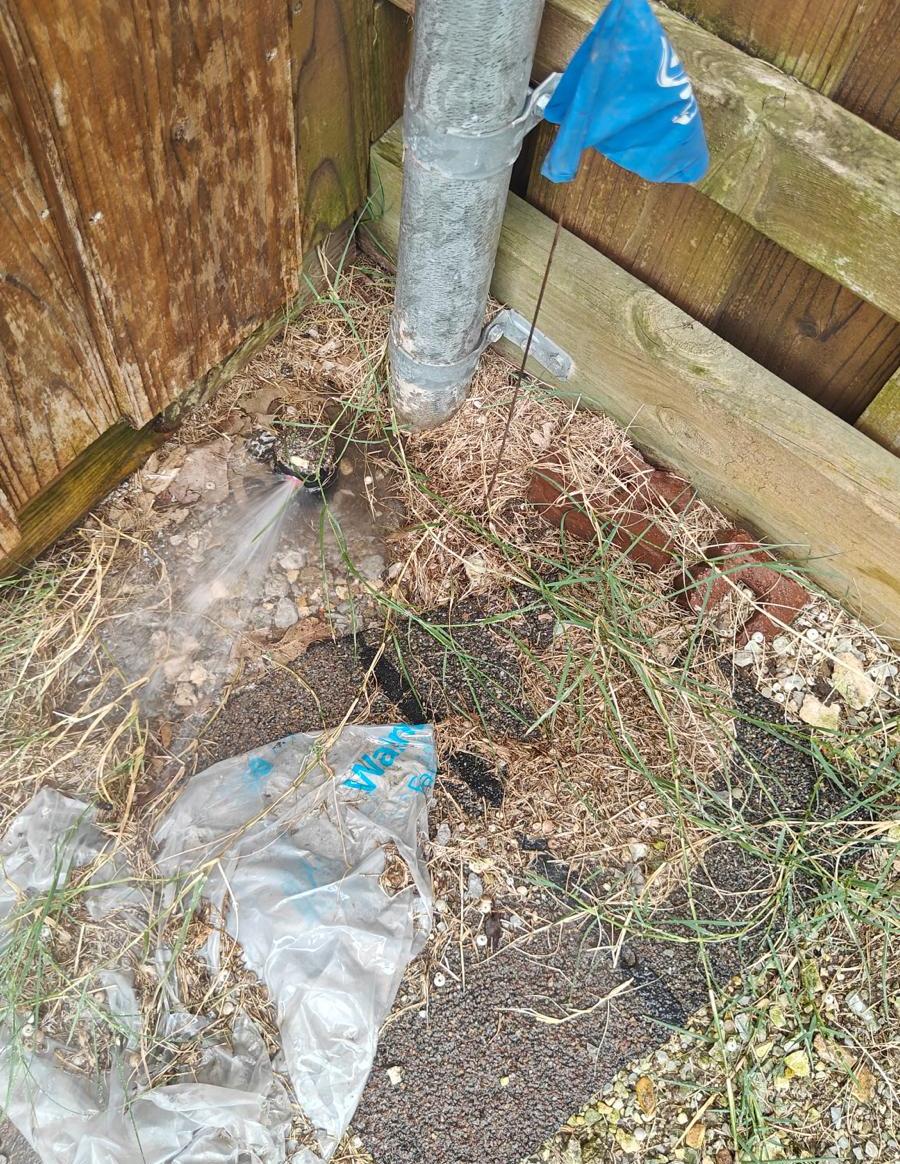
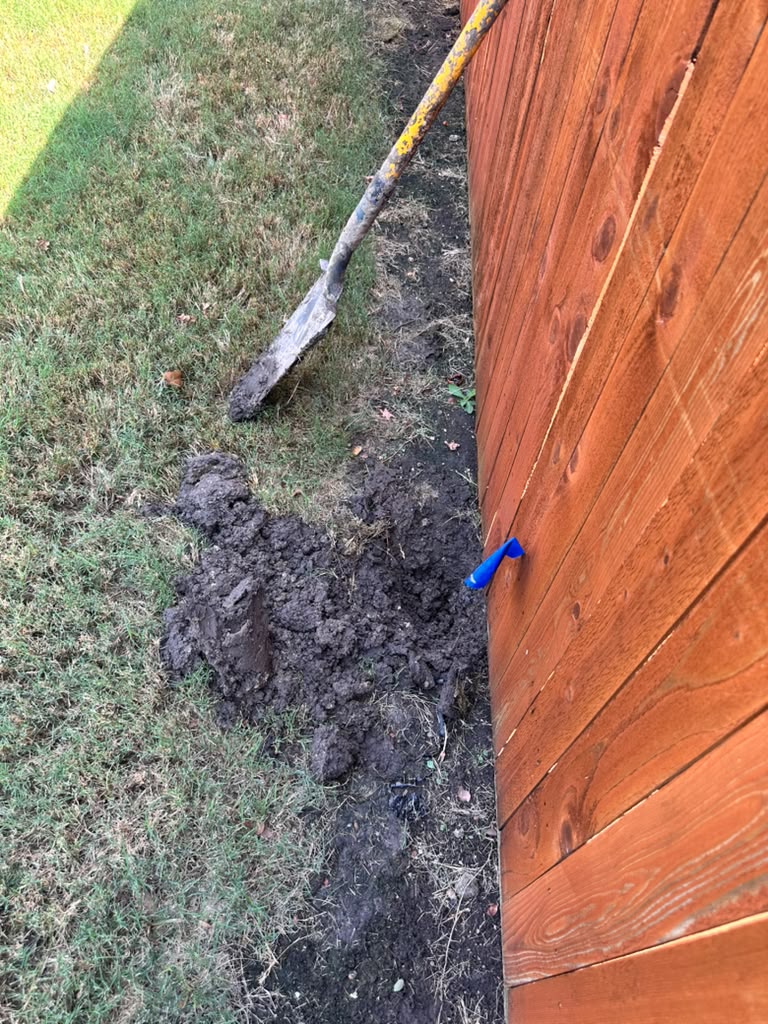
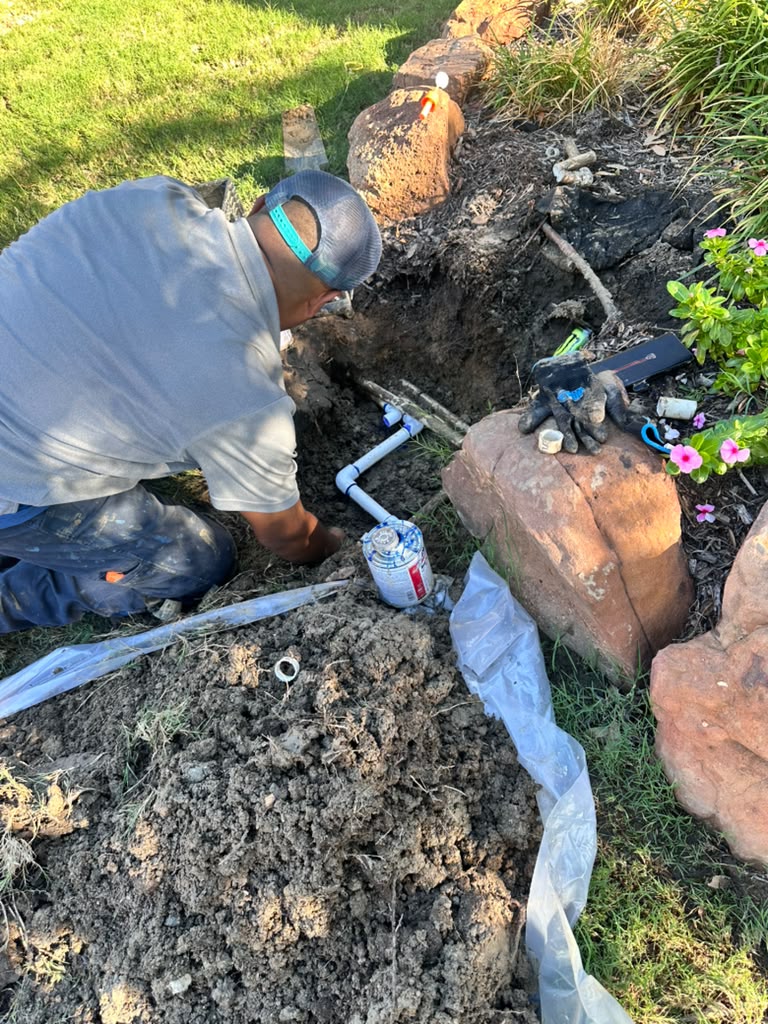
A hidden sprinkler leak in Anna TX often shows up as soggy spots, weak pressure in one zone, an area that stays wet between waterings, or a sudden jump in your water bill. These are signs that water is escaping underground instead of reaching your heads. Pressure drops because water takes the easiest path out of a broken pipe or fitting.
One sign alone does not always mean a leak. Combined, they are a strong clue, and checking early can limit water waste and yard damage.
At a Glance
| Difficulty | Spotting the signs: easy. Locating and repairing the leak: best left to a licensed professional |
| Estimated Time | 15–30 minutes for a basic yard check |
| Tools Needed | Your water bill, your controller schedule, a phone for photos, a small flag or stake |
| Works For | Catching a leak early and deciding whether to monitor it or call a professional |
| May Not Solve | Pinpointing a leak’s exact location, which usually takes testing |
Why Underground Leaks Go Unnoticed
Sprinkler pipes are buried, so a small leak can run for weeks without anyone seeing it. The water soaks into the soil and often shows up only as a damp patch or a slightly higher bill. In clay soil, water can also spread sideways underground, so the wet spot may appear some distance from the actual break.
Most irrigation systems run on a schedule, usually early in the morning. That means leaks can start and stop while no one is watching the yard. Some leaks only happen when a zone is running, which makes them even easier to miss.
Spotting patterns is the best way to catch one early. Noting where the ground stays soft, which zones seem weak, an
Warning Sign 1: Soggy Spots in the Yard
A soft, muddy, or unusually green patch is one of the most common signs of a leak. Water is rising to the surface from a break below.
Look for:
- Soft ground that squishes underfoot
- Standing water when the system hasn’t run recently
- Grass that is greener or thicker in one small area
- Sunken or washed-out soil
- Mushrooms, moss, or algae in one spot
Take a photo and note the date. This helps you track whether it is getting worse.
Warning Sign 2: An Area That Stays Wet Between Waterings
Every lawn is wet right after a zone runs. The clue is what happens afterward.
If one area is still wet a day or two later while the rest of the yard has dried out, water may be coming from somewhere other than the sprinkler heads. Rain can also cause this, so compare the spot over several dry days.
Warning Sign 3: Weak Pressure in One Zone
Low pressure in a single zone points to a problem in that zone’s pipes, valve, or heads. A leak lets water escape before it reaches the end of the line.
Signs of low pressure include:
- Spray that barely clears the head
- Heads at the end of the line that do not pop up fully
- Misting instead of a steady spray
- A zone that covers less area than it used to
Low pressure in every zone at once is different. That may point to a closed valve or a supply issue instead.
Warning Sign 4: A Sudden Jump in the Water Bill
A higher bill with no change in your habits can signal a leak. Underground leaks use water around the clock or every time a zone runs.
Compare your bill with the same month last year. Summer bills naturally run higher, so look for increases that do not match the weather.
What Else Could Cause These Symptoms?
Not every wet spot is a leak. Some of the most common look-alikes are simple.
- Overwatering: Zones may be set to run too long.
- A misaligned head: Spray may be hitting one area too often.
- Poor drainage: Clay soil holds water in low spots.
- Recent rain: Wet ground may be natural.
- A programming issue: Start times may overlap or repeat.
It may simply be a settings issue. Checking these first can save time and money.
Simple Checks Homeowners Can Try
A few easy steps can help you decide what is going on. None require tools or technical knowledge.
Check the Controller Schedule
Look at run times, start times, and days. Make sure nothing is set to run twice or longer than intended.
Walk Each Zone
Run one zone at a time and watch the heads. Note any that are broken, tilted, blocked, or spraying weakly.
Use the Water Meter
Turn off all water in the house. Look at your meter, wait 15 to 30 minutes without using water, and check again. If the meter moves, water is going somewhere.
Mark the Wet Spot
Place a flag at the spot and watch it over several days. Photos make patterns easier to see.
When to Wait and When to Get Help
Some situations are fine to monitor for a few days. Others deserve attention sooner.
Monitoring may be reasonable when:
- You had recent rain
- Only a faint dampness appears and it dries out
- A head is clearly misaligned and fixable
A licensed sprinkler company can help when:
- The wet spot keeps returning
- Pressure stays weak after checking heads
- Your meter moves with everything off
- Your bill stays high without explanation
Common Mistakes Homeowners Make
Most delays come from guessing. Here are the mistakes that come up often.
- Ignoring small wet spots: They can grow over time.
- Assuming it is just rain: Check dry stretches too.
- Digging without knowing where lines run: You could damage pipes or other utilities.
- Running the system to find the leak all day: This wastes water.
- Waiting for a bill shock: Early signs are easier to fix.
- Only fixing the surface: A new head will not help if the pipe is leaking.
Local Considerations for Anna and North Texas
North Texas conditions can make leaks more likely or harder to spot.
- Clay soil: It swells and shrinks, which can stress pipes and fittings.
- Heat: Long, hot summers can wear out parts and speed up evaporation, hiding small leaks.
- Wind: Wind can blow spray off target and mimic a leak.
- Water restrictions: Local rules may limit schedules, so check with the city or your water provider.
- Seasonal watering: Lawns need less water in cooler months, so a wet area then stands out more.
- Foundation movement: Shifting soil near the house can strain nearby lines.
The Texas A&M AgriLife Extension offers helpful guidance on watering and landscape care in Texas.
Related Problems to Watch For
If a leak is not the cause, the issue may be something else.
- Valve issues: A zone may not shut off completely.
- Clogged nozzles: Debris can weaken spray.
- Controller problems: Schedules may be wrong.
- Low supply pressure: The issue may be outside the irrigation system.
The EPA WaterSense program shares tips on finding leaks and saving water. To dig deeper, see our guides on finding an underground sprinkler leak and sprinkler valve problems.
Frequently Asked Questions about Hidden Sprinkler Leak in Anna TX
How do I know if a wet spot is a sprinkler leak?
Check whether it stays wet for days after the system runs or after rain. If it keeps returning in the same place, a leak is more likely.
Can low water pressure mean a leak?
Yes, especially if it affects only one zone. Low pressure in every zone may point to a different cause.
Can a sprinkler leak raise my water bill?
Yes. Underground leaks can waste water without any visible sign, so an unexplained increase is worth checking.
Is a small leak worth fixing?
Usually. Small leaks tend to grow and can waste water and soften the soil around pipes.
Should I dig up the wet spot myself?
It is better not to. Lines and other utilities may be buried nearby, and a licensed company can locate the break with less damage.
Next Step and Bottom Line
A hidden sprinkler leak in Anna TX often shows itself through soggy spots, weak pressure in one zone, areas that stay wet between waterings, and unexplained jumps in your water bill. Catching these signs early saves water and limits damage to your yard and the soil around your pipes.
Start with the simple checks. Review your controller schedule, watch each zone run, and try the water meter test. If those checks point to a leak, a licensed sprinkler company can locate the break and explain what it found, so you can decide how to move forward.