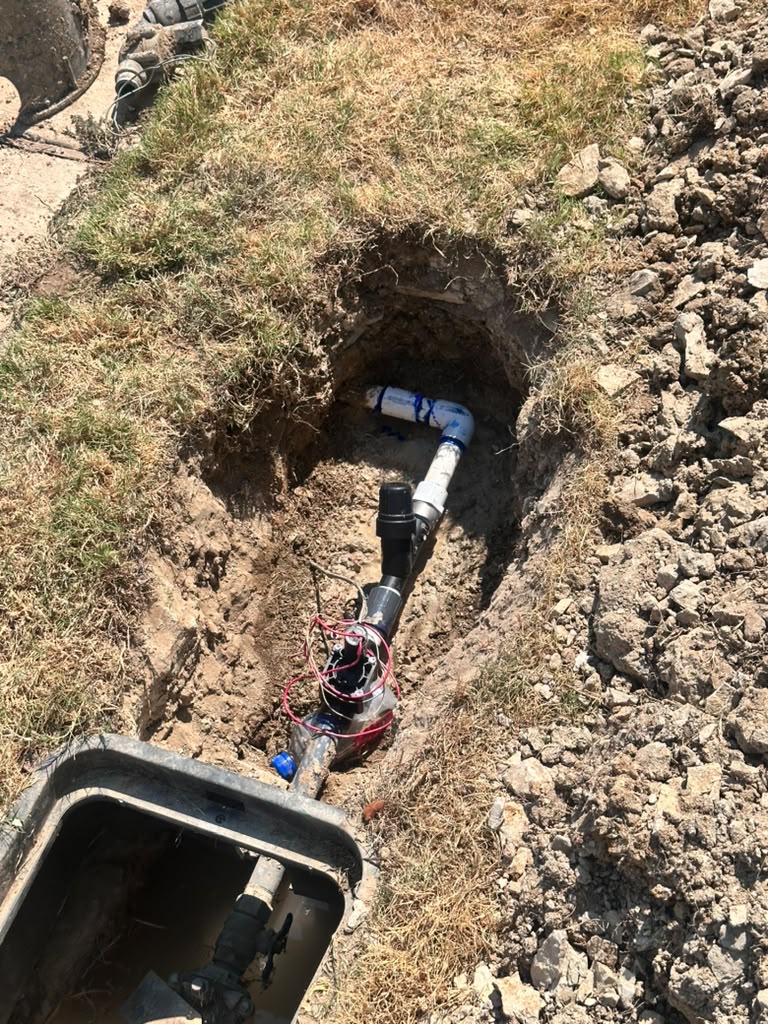
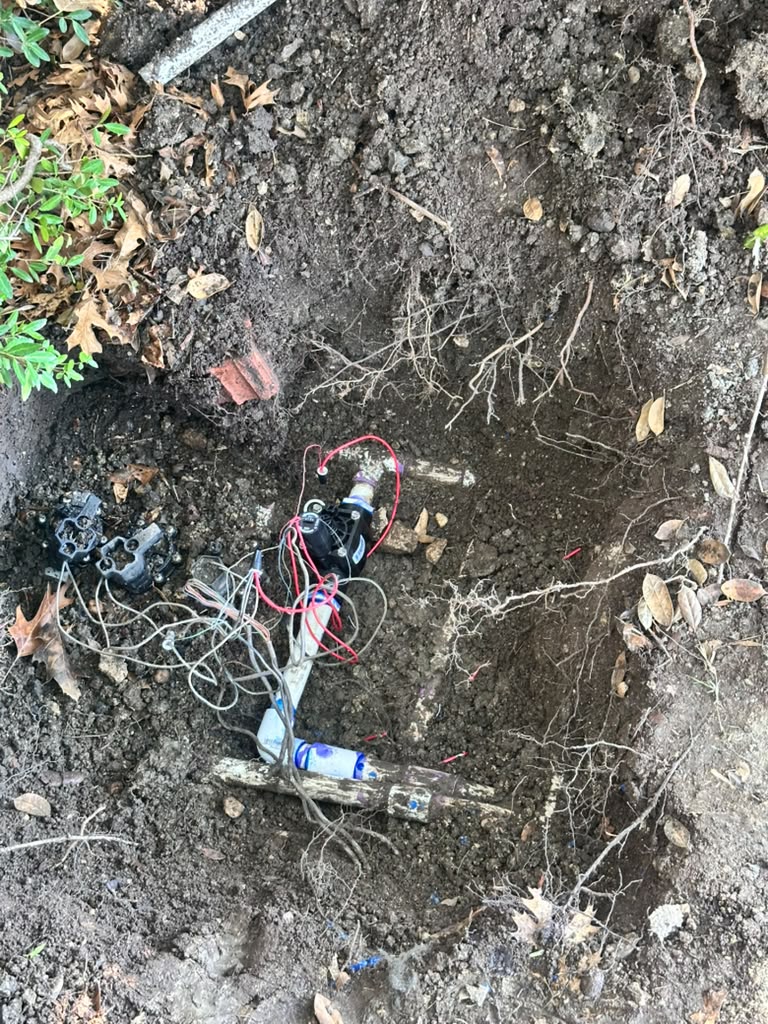
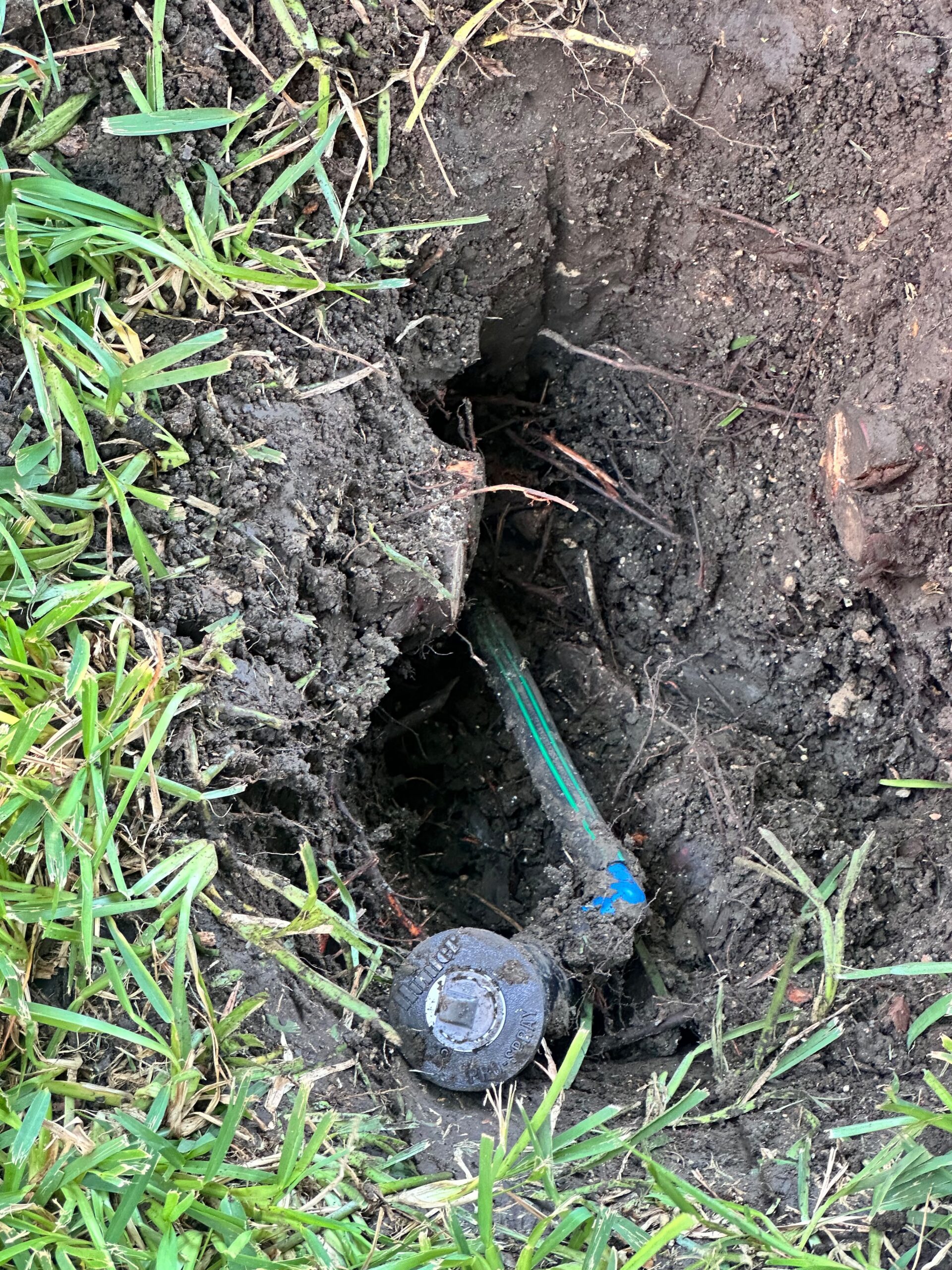
It might be, and the timing of the puddles is the best clue. Standing water in Anna TX that shows up after your sprinklers run usually points to the irrigation system, such as a leak, a stuck valve, or a broken head. Puddles that appear only after rain usually point to yard grading, drainage, or soil.
Run a zone on its own and watch the area. If the puddle forms while the zone runs or soon after, the sprinkler system is the likely cause. If the yard stays dry when the system runs, look at drainage instead.
At a Glance
| Difficulty | Easy to observe. Repairs vary by cause |
| Estimated Time | 30 minutes to a few days of watching patterns |
| Tools Needed | Phone for photos, notes on timing, a shovel or screwdriver to test soil |
| Works For | Telling sprinkler problems apart from drainage and soil problems |
| May Not Solve | Grading issues, which usually need landscape or drainage work |
Why Timing Tells You the Cause
Water has to come from somewhere. When it appears, and how long it stays, narrows down the source.
Sprinkler problems tend to show up on a schedule. Water that appears every time a zone runs is tied to that zone.
Rain-related problems follow the weather instead. The water collects where the ground is low, compacted, or slow to absorb moisture.
Puddles After Watering: Signs It Is the Sprinklers
If standing water shows up after the system runs, the irrigation system is the first place to look.
Common signs include:
- Puddles that form while a zone is running
- Wet spots that appear at the same time each day
- A soggy area that never fully dries between watering days
- Water bubbling up from the ground near a head or pipe
- A zone that sprays weakly or unevenly
- A higher-than-normal water bill
These clues often point to a leak, a broken head, or a valve that isn’t closing.
Puddles Only After Rain: Signs It Is Grading or Soil
If your yard is dry after watering but pools after rain, the sprinklers are probably not the cause.
Common signs include:
- Water collecting in the same low spot after storms
- Puddles near downspouts or along the foundation
- Water that sits for a day or more after rain
- Soil that feels hard and packed on top
- Pooling near a patio, driveway, or fence line
In these cases, the water has nowhere to go. Slope, soil type, and drainage patterns are the usual reasons.
Step 1: Note When the Water Appears
Start by keeping simple notes for a few days. Write down the time of day, the weather, and whether the sprinklers ran.
Take photos of the spot each time. Patterns become easier to see when you compare them.
Helpful details to record:
- Did it rain in the last 24 hours?
- Did the system run that morning or night?
- How long does the water stay?
- Is it one spot or several?
Step 2: Run One Zone at a Time
Use your controller to run the zone closest to the wet area. Stand nearby and watch for several minutes.
Look for water pooling around a head, water seeping up between heads, or spray that hits the same spot too long. Then shut the zone off and check again after about 30 minutes.
If the puddle grows while the zone runs and shrinks when it stops, the problem is probably in that zone.
Step 3: Check the Heads
Heads are the most common source of surface water. They are also the easiest part to inspect.
Look for:
- Cracked or broken heads
- Heads that are sunken or tilted
- Clogged or missing nozzles
- Heads that stay up after the zone shuts off
- Spray that overlaps too much in one area
A damaged head can pour water into one spot. Some homeowners replace simple heads themselves, and that can be a reasonable fix.
Step 4: Look for Signs of a Hidden Leak
A pipe or fitting under the ground may be leaking even when the heads look fine. These leaks are harder to see.
Signs include:
- A wet area that stays soggy for days
- Unusually green or fast-growing grass in one patch
- Soft or sunken ground
- Low pressure in a zone
- Water showing up in a valve box
If you see these signs, a licensed sprinkler company can locate the leak and explain the options.
Step 5: Check the Valves
A valve that doesn’t close all the way can let water seep into a zone after it should have stopped. This often causes low spots to stay wet.
Open any valve boxes you can reach safely. Look for standing water, cracked boxes, or water around the valve.
A stuck valve may show up as a zone that runs too long or never fully turns off.
Step 6: Review Your Watering Schedule
Sometimes the system is working correctly, but it is watering too much. Clay soil absorbs water slowly, so long runs can cause runoff and puddles.
Consider these adjustments:
- Shorter run times
- Splitting watering into two shorter cycles
- Skipping days after rain
- Using a rain sensor if you don’t have one
The Texas A&M AgriLife Extension offers guidance on watering lawns in Texas.
Common Mistakes Homeowners Make
Most puddle problems get worse because of a wrong first guess. Here are the common ones.
- Assuming it is always a leak: Overwatering or poor drainage can look the same.
- Ignoring timing: When water appears is the best clue.
- Running long cycles on clay soil: The water runs off instead of soaking in.
- Waiting too long: Small leaks tend to get bigger.
- Digging without locating lines: You can damage a pipe or utility line.
- Blaming the sprinklers for rain puddles: Grading may be the real cause.
Local Considerations for Anna and North Texas
North Texas conditions make standing water more common than many homeowners expect.
- Clay soil: It absorbs water slowly and holds it. Runoff and puddles are common.
- Heat: Hot summers dry the top layer, which can make it harder for water to soak in.
- Wind: Wind can push spray off target and overwater one side of a lawn.
- Water restrictions: Check with the city or your water provider for current watering rules.
- Seasonal watering: Lawns need much less water in cooler months, so schedules should change.
- Foundation movement: Shifting soil can change drainage patterns and create new low spots.
Related Problems to Watch For
Standing water has several possible causes. If the sprinklers don’t explain it, consider these.
- Poor grading: Water flows toward low areas instead of away from the house.
- Clogged gutters or downspouts: Water pours into one spot.
- Compacted soil: The ground can’t absorb water.
- A broken water or sewer line: Not an irrigation issue, and it needs a plumber.
- A high water table after heavy rain: Water sits near the surface.
The EPA WaterSense program shares tips on finding leaks and using water efficiently. If you suspect a leak, read our guide on finding an underground sprinkler leak. For zones that won’t shut off, see our article on sprinkler valve problems.
When to Call a Professional
Some situations are worth a licensed company’s attention. Others are not.
A professional may help if:
- The puddle returns after you fix a head
- You suspect a hidden leak
- A valve won’t close
- Your water bill is climbing
You may not need one if:
- The puddles only appear after rain
- A simple head or nozzle is the cause
- Adjusting your schedule solves it
A drainage or landscape contractor may be the better choice for grading problems.
Frequently Asked Questions
Why is there standing water in my yard after I water?
Usually a leak, a broken head, a stuck valve, or too much watering. Running one zone at a time helps you find the source.
Why does my yard puddle only after rain?
This usually points to grading, drainage, or soil that absorbs water slowly. The sprinklers are probably not involved.
Can a leaking sprinkler cause a soggy spot for days?
Yes. A leak under the ground can keep one area wet long after the system stops. Watch for soft ground or unusually green grass.
How long should water take to soak in?
It varies with soil and weather. Water that sits for more than a day or two is worth investigating.
Should I turn off my sprinkler system if I see standing water?
Turning off the affected zone is a reasonable first step. It stops adding water while you work out the cause.
Next Step and Bottom Line
Standing water in Anna TX is easier to solve once you know when it appears. Puddles after watering usually point to the sprinklers, such as a leak, a stuck valve, or a damaged head. Puddles after rain usually point to grading, drainage, or slow-draining clay soil.
A few days of notes and photos can make the cause much clearer. Running one zone at a time, checking heads and valve boxes, and adjusting your schedule are good first steps. If you’re unsure which applies, a licensed sprinkler company can check your system and explain what they find. Whale Done is happy to answer questions or schedule a visit, and our goal is to educate first.