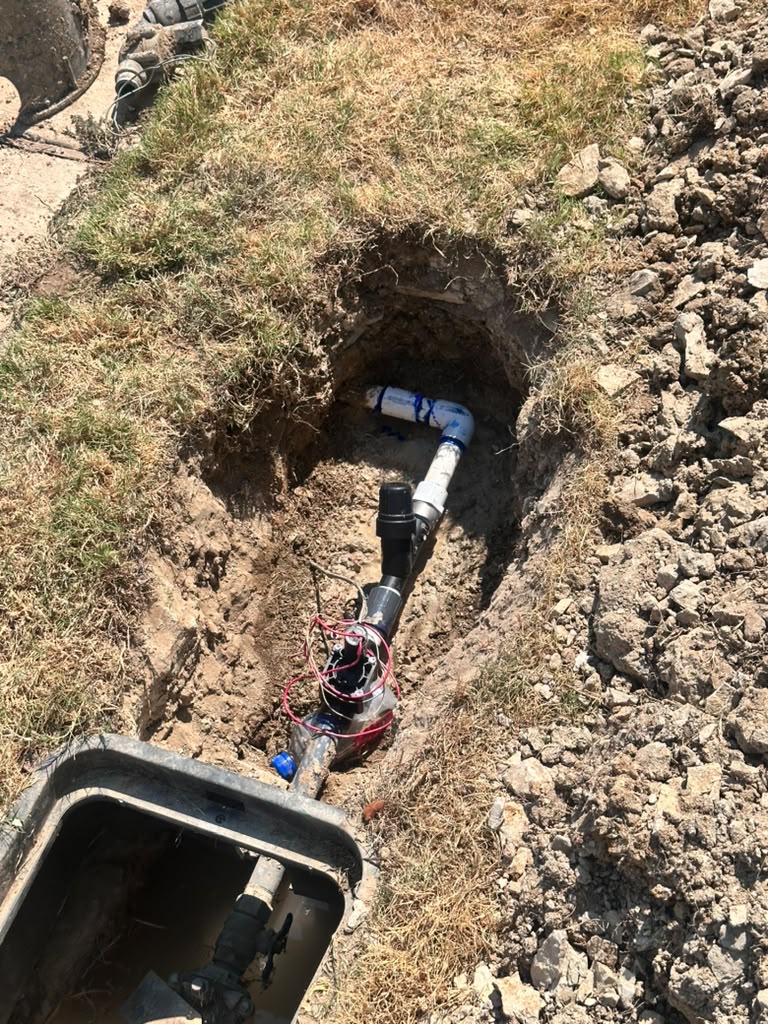
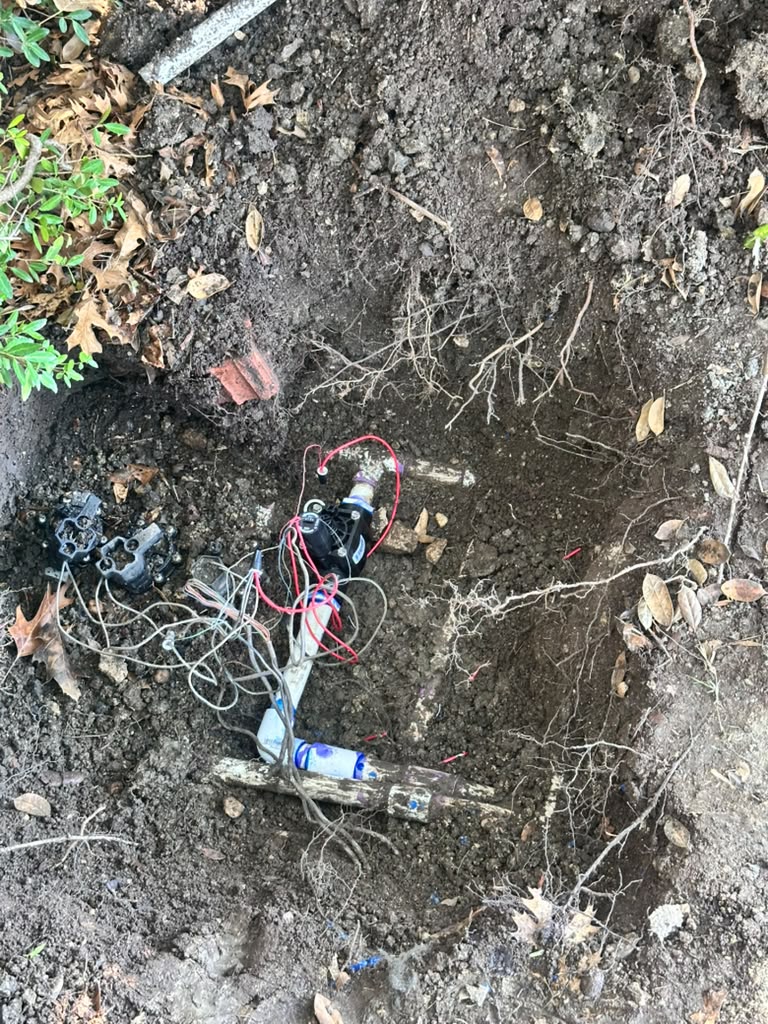
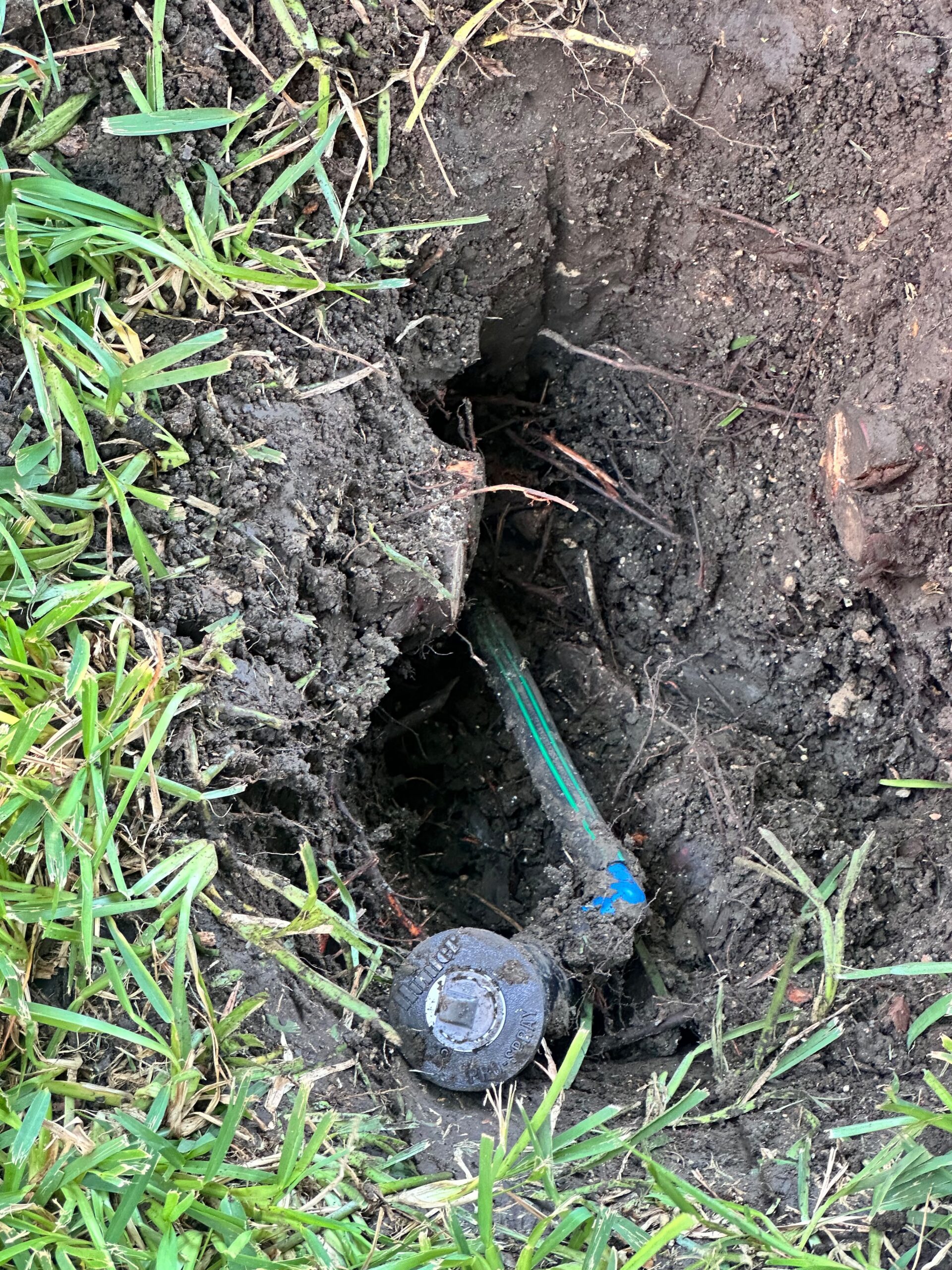
Yes, standing water in Allen TX can come from a single sprinkler zone. If puddles show up during or after watering, the sprinklers are the likely cause. Common culprits are a leaking pipe, a valve that doesn’t close, a broken head, or too much run time.
If water only collects after rain, the cause is more likely grading, compacted soil, or drainage. Noticing when the puddles appear is the fastest way to tell the difference.
At a Glance
- Difficulty: Easy for basic checks
- Estimated time: 30-60 minutes
- Tools needed: Phone camera, notes app, flashlight, a small flag or stake
- Works for: Puddles, soggy patches, and mushy soil in one part of the yard
- May not solve: Underground leaks, valve failures, or drainage problems that need regrading
Why Timing Tells You the Cause
The time water appears is one of the best clues you have. Sprinkler problems follow the watering schedule. Drainage problems follow the weather.
Use this quick guide:
- Puddles during or right after watering: Points to the sprinklers
- Puddles only after rain: Points to grading, soil, or drainage
- Puddles after both: Could be a mix of causes
- Soggy ground with no watering or rain: May point to a leak, possibly in the sprinkler system
Write down when you see water and what happened in the previous 24 hours. That note alone can narrow things down.
Signs the Sprinklers Are the Cause
Sprinkler-related pooling usually follows a pattern. Look for these signs:
- Water collects in the same spot every time a zone runs
- The soggy area sits near a head, a valve box, or along a pipe line
- Water keeps seeping after the zone shuts off
- Bubbling or geysers appear in the soil
- The grass in that area is greener, or sunken
- The water bill has gone up without a clear reason
If these match, the problem is likely tied to one zone. Identifying that zone is the first step.
Signs It’s Grading or Soil
Drainage problems look different. They usually show up after rain and stay there until the water slowly soaks in or evaporates.
- Puddles form in low spots after a storm
- Water collects near downspouts or along the foundation
- The same area stays wet for days after rain, but not after watering
- The soil is hard, compacted, or heavy with clay
- Water flows toward the area from higher ground
In these cases, adjusting sprinklers won’t fix the problem. Grading, drainage, or soil work may be needed.
How One Sprinkler Zone Causes Standing Water
A zone is a group of heads that run together. When something goes wrong in one zone, the water often ends up in the same part of the yard.
A Leaking Pipe or Fitting
A crack or loose fitting can let water escape underground. It rises to the surface and forms a puddle, often along the pipe path. This kind of leak may show up only when the zone is running.
A Broken or Sunken Head
A cracked head can spray water straight up or sideways into one spot. A sunken head can also cause pooling around its base. These are usually simple repairs.
A Valve That Doesn’t Close
If a valve stays partly open, water can keep flowing after the zone should stop. That can leave a soggy area or a puddle near the valve box. It may also raise the water bill.
Too Much Run Time
A zone that runs too long can put down more water than the soil can absorb. Clay soil makes this more likely. The result is runoff or pooling, even when nothing is broken.
Overlapping or Mismatched Heads
Mixed nozzle types or heads placed too close together can put extra water in one area. That area stays wetter than the rest of the lawn.
How to Trace Standing Water in Allen TX to One Zone
You don’t need special tools. This process helps you find which zone is responsible. It usually takes under an hour.
Step 1: Note When the Water Appears
Write down the date, time, and what happened in the past day. Note if it rained, if the sprinklers ran, or both.
Step 2: Take Photos and Mark the Spot
Photograph the area and place a flag or stake at the edge. This helps you see if the puddle grows or shrinks.
Step 3: Turn Off the Sprinklers for 24 Hours
Switch the controller to off. If the water disappears and doesn’t return without rain, the sprinklers are likely involved.
Step 4: Run One Zone at a Time
Start each zone manually for a few minutes. Watch the wet area while each zone runs.
Step 5: Look for the Zone That Makes It Worse
If the puddle grows or the soil gets mushier during one zone, you’ve found the likely source. Write down the zone number.
Step 6: Check the Heads in That Zone
Look for cracked, tilted, or sunken heads and any that keep dripping after the zone shuts off. Note any that spray in the wrong direction.
Step 7: Lift the Valve Box Lid
Open it carefully and look for standing water, hissing, or wet wiring. If you see any of these, note it and leave the repair to a licensed professional.
Step 8: Check Your Water Meter
Turn off all water in the house and read your meter. Wait 15 minutes and read it again. If the number moves, there may be a leak somewhere.
What You Can Fix and What May Need Help
Some fixes are manageable at home. Others need tools and training.
Usually manageable at home:
- Reducing run time for the zone
- Straightening a slightly tilted head
- Cleaning a clogged nozzle
- Trimming grass around a head
May need a licensed professional:
- Leaks that keep appearing after the zone is off
- Valves that don’t close fully
- Cracked pipe or fittings
- Heads that keep sinking
- Soggy ground that doesn’t dry out
If you aren’t sure, it’s fine to shut off the zone and watch what happens.
Common Mistakes Homeowners Make
- Assuming every puddle is a leak. Rain and drainage can cause pooling too.
- Digging without knowing where lines are. You can damage pipe or wiring.
- Running more water to “fix” soggy areas. That makes the problem worse.
- Ignoring a slow increase in the water bill. It can point to a hidden leak.
- Skipping the timing note. When the water appears is the most useful clue.
- Fixing the surface but not the cause. Replacing one head won’t help if a valve is leaking. See our guide on sprinkler leak detection.
North Texas Considerations
Allen’s soil and weather affect how water behaves.
- Clay soil: Clay absorbs water slowly, so puddles can last longer after watering or rain.
- Heavy rain: Short, intense storms can overwhelm drainage faster than the soil can absorb water.
- Foundation movement: Soil near the house shifts as it swells and shrinks, which can change how water flows.
- Grading: Some lots slope toward the house, which can send water to low spots.
- Heat and wind: Dry, windy weather can hide small leaks by drying the surface quickly.
- Water restrictions: Check current watering rules with the City of Allen and your water provider before changing run times.
The EPA’s WaterSense program offers guidance on avoiding overwatering and runoff. For soil and lawn guidance specific to Texas, Texas A&M AgriLife resources cover watering and drainage practices.
Related Problems That Look Like Sprinkler Leaks
If the sprinklers aren’t the cause, other issues could be behind the water:
- Poor drainage or grading: Low spots hold rainwater.
- A leaking water line: A broken line can create wet ground even with sprinklers off.
- A stuck valve: See our guide on sprinkler valve repair.
- Overwatering from the controller: Check schedules and run times. Learn more about sprinkler controller problems.
- Downspout runoff: Gutters that empty near the foundation can create soggy areas.
- Compacted soil: Hard soil absorbs less water.
Frequently Asked Questions
Can one sprinkler zone cause standing water in my yard?
Yes. A leaking pipe, broken head, stuck valve, or too much run time in one zone can leave water in one area. Running each zone separately helps you find the source.
How do I tell if puddles come from sprinklers or rain?
Look at the timing. Puddles after watering point to the sprinklers, while puddles only after rain point to grading or soil. Turning the sprinklers off for 24 hours can help confirm it.
Is standing water always a sign of a sprinkler leak?
No. Poor drainage, compacted clay, downspouts, and plumbing leaks can also cause it. Check the timing and your water meter before deciding.
Can standing water hurt my foundation?
It can if the water sits close to the slab for long periods. Extra moisture in clay soil can add to foundation movement. Address pooling near the house early.
Should I shut off my sprinklers if I see standing water?
It’s a good first step. Turn off the affected zone or the whole system and watch whether the water goes away. If it doesn’t, a licensed company can look for the cause.
Conclusion
Standing water in Allen TX can come from a single sprinkler zone, and the timing usually tells you where to look. Puddles after watering point to the sprinklers, while puddles only after rain point to grading or soil. Run each zone one at a time, watch where water collects, and write down what you see.
Shutting off the affected zone for a day can show whether the sprinklers are involved. If one zone keeps pooling water, a licensed sprinkler company can check for leaks, valves, and head problems and explain your options. Our goal is to help you understand the cause first, so you can decide whether an adjustment, a repair, or a drainage fix makes sense for your yard.