Yes. A broken sprinkler head in Prosper TX can cause standing water, because a cracked or missing head lets water gush out in one spot every time the zone runs. A valve stuck open can flood an area too, but it usually keeps the water coming even after the controller shuts off.
The easiest way to tell them apart is timing. If the pooling only happens while the zone runs, suspect a broken head. If water keeps flowing or the ground stays saturated long after the zone stops, suspect a valve.
At a Glance
| Difficulty | Diagnosing: easy. Repairing a head: moderate. Valve repair: best left to a licensed professional |
| Estimated Time | 15 to 30 minutes to observe and diagnose |
| Tools Needed | Phone for photos, a flashlight, work gloves, your controller |
| Works For | Telling a broken head from a stuck-open valve |
| May Not Solve | Underground pipe leaks, drainage problems, or heavy rain pooling |
Why Broken Sprinkler Head in Prosper TX and Stuck Valves Cause Flooding
Each sprinkler zone is designed to spread water across a wide area through several heads. When one head breaks, the water that should be spread out comes out of a single opening instead.
That concentrated flow can soak one patch of lawn quickly. In clay soil, which drains slowly, the water has nowhere to go and sits on top.
A valve stuck open creates a different problem. The zone keeps getting water when it should be off, so the area stays wet for hours or days.
Signs of a Broken Sprinkler Head
Heads are the most exposed part of the system, so they break more often than anything else. Mowers, foot traffic, and settling soil are common causes.
Look for these signs:
- A geyser or strong stream of water shooting up from one spot
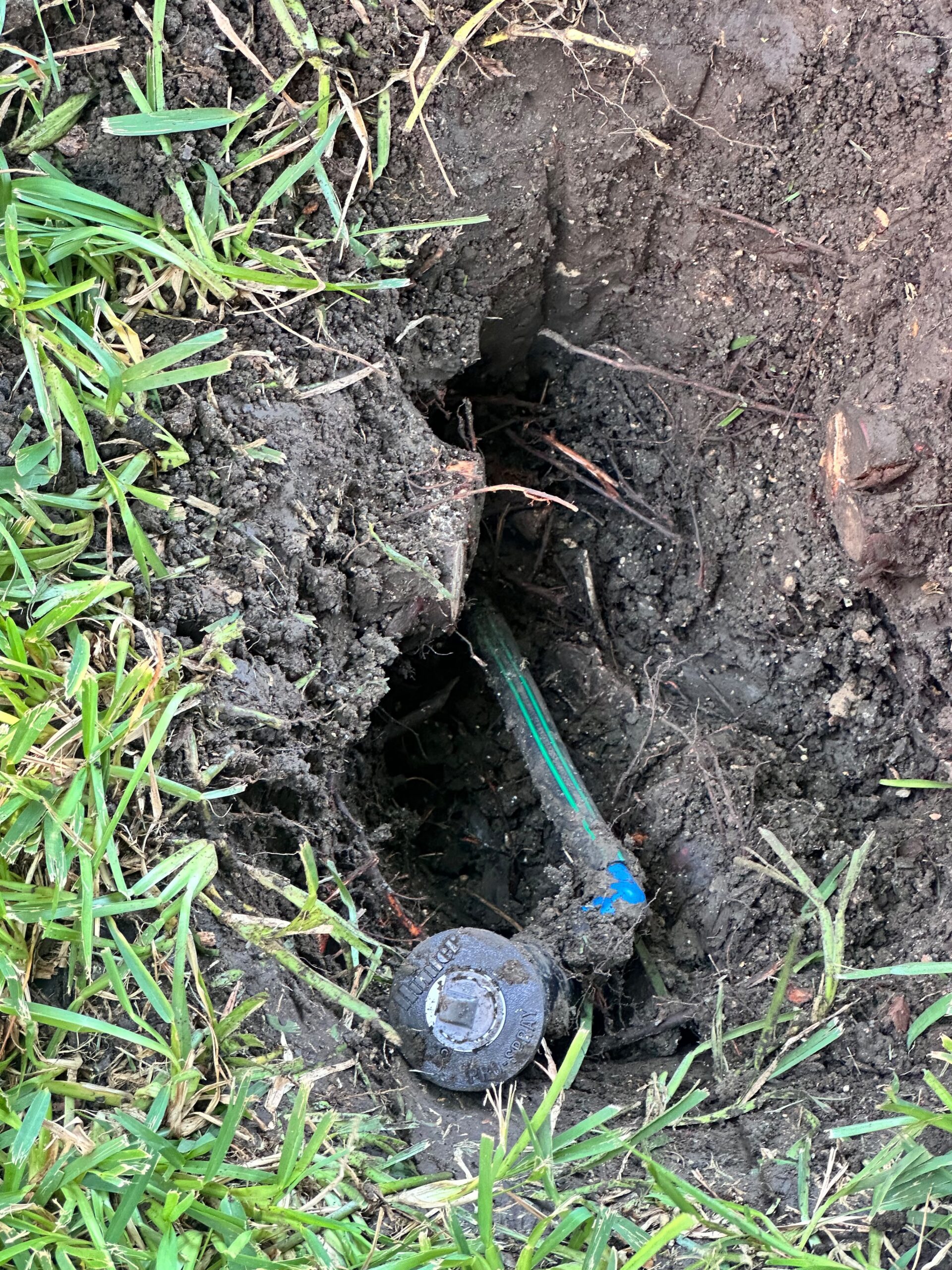
- A head that is cracked, sheared off, or missing its top
- Water bubbling up around the base of a head
- A muddy patch that forms only while the zone runs
- Weak or uneven spray from the other heads in the same zone
- Dry patches in the lawn where a head has stopped working
Signs of a Valve Stuck Open
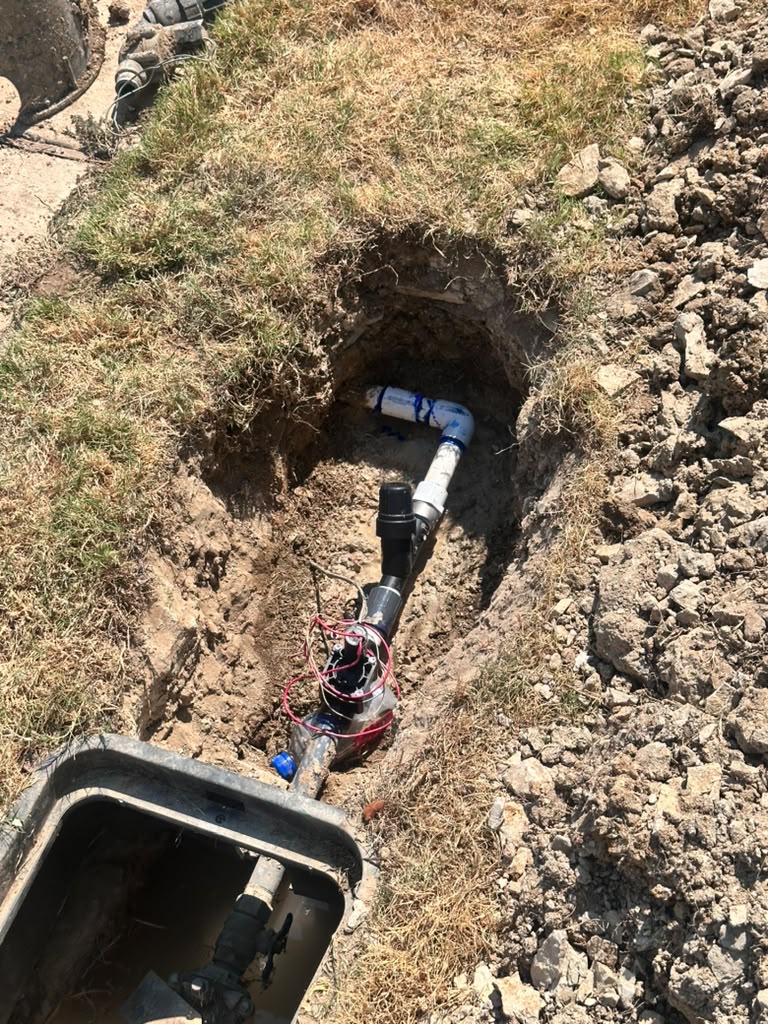
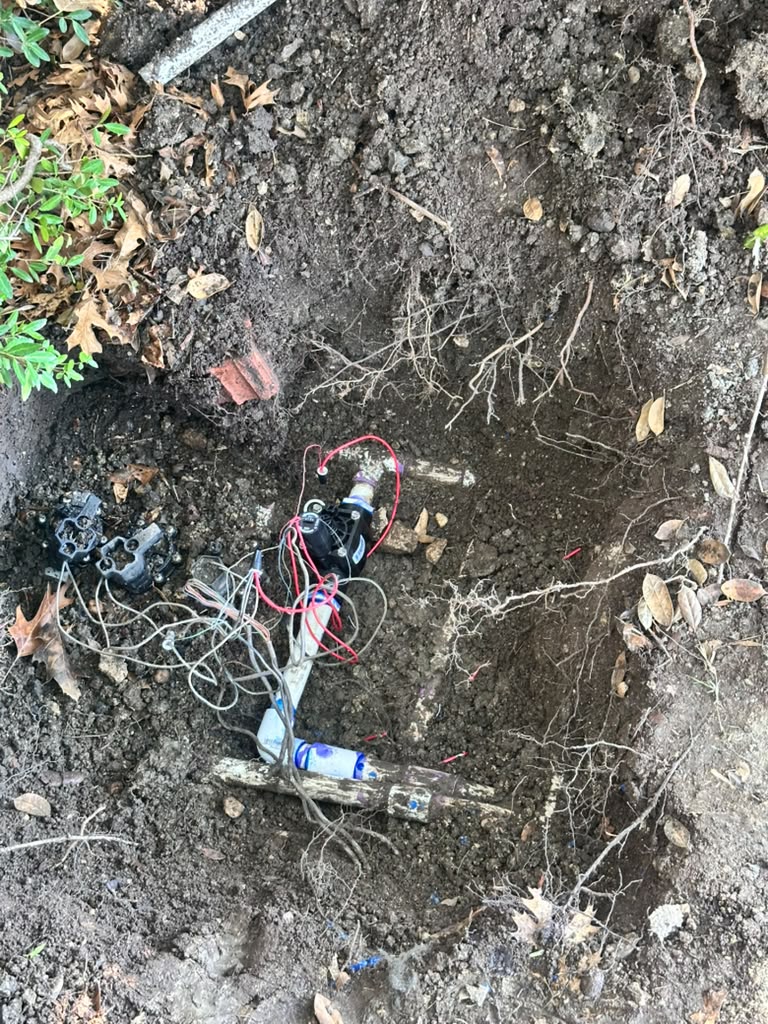
The valve is the part that opens and closes water to each zone. If it fails to close, the zone can keep leaking even when the controller is off.
Watch for these signs:
- Heads that keep spraying or dripping after the zone should stop
- A soggy area that never dries out
- Sounds of running water near a valve box when nothing is scheduled
- Low water pressure in other zones
- A water bill that jumps without any change in your watering
- Water pooling inside a valve box
How to Tell Which One It Is
You can often work this out in about 20 minutes. Follow these steps in order.
Step 1: Note When the Water Appears
Check the area when the system is not running. If the ground is dry, the problem likely only shows up during a cycle. If it is wet or water is still flowing, a valve is more likely.
Step 2: Run the Zone
Start the zone manually from your controller. Walk the area and look for a head spraying wildly, gushing, or sitting crooked.
If you find a damaged head and the water pools right there, that is a strong sign it is the cause.
Step 3: Stop the Zone and Watch
Turn the zone off at the controller. Wait a few minutes and see what happens.
- If the water stops, the controller and valve are likely closing properly.
- If water keeps flowing from the heads, the valve may be stuck open.
Step 4: Check the Valve Box
Valve boxes are the round or rectangular lids in your yard, often green. Open the lid carefully and look inside.
Standing water, constant dripping, or a hissing sound can point to a valve problem. Keep your hands clear of the valve while the zone is running.
Step 5: Compare Your Water Meter
Turn off all water inside your home. Look at your water meter and see whether the leak indicator or dial is still moving.
If it is, water is escaping somewhere. That can mean a stuck valve, a broken pipe, or another leak in the system.
What You Can Do Right Away
You don’t need to wait for a repair visit to limit the damage. A few simple steps can help.
- Turn off the affected zone at the controller
- Shut off the irrigation water supply if water keeps flowing
- Take photos of the area, the head, and the valve box
- Note when the problem started and what you saw
- Avoid walking on saturated soil, which can compact the ground
Shutting off the water also helps prevent a higher water bill while you decide what to do.
When a Simple Head Replacement Is Enough
Replacing a broken head is a common fix, and some homeowners handle it themselves. If the head is the only problem, this may be all you need.
A basic replacement usually involves:
- Turning off the water to the system
- Digging carefully around the head
- Unscrewing the damaged head from its riser
- Installing a matching head and checking the spray pattern
Take the old head to the store so you can match the type and spray pattern. If the riser or pipe underneath is cracked, the repair becomes more involved.
When to Consider Professional Help
Some situations go beyond a quick fix. A licensed sprinkler company may be helpful when:
- A valve is stuck open or won’t shut off
- Water keeps flowing after the head is replaced
- The same zone floods repeatedly
- You can’t find the source of the leak
- Water is rising from the ground away from any head
Many licensed companies can test the zone, find the cause, and explain the options. Not every problem requires a service call, so it’s reasonable to try the basic checks first.
Common Mistakes Homeowners Make
Most flooding problems get worse because of small delays or wrong guesses. Here are the mistakes that come up often.
- Assuming heavy rain is the cause: Check whether the pooling matches your watering schedule.
- Only turning off the controller: A stuck valve can keep leaking anyway.
- Ignoring a small leak: It can waste water and wear out the surrounding soil.
- Replacing the wrong part: A new head won’t help if the valve is the issue.
- Mowing over a broken head: It can spread plastic pieces and damage the mower.
- Not checking the valve box: The answer is often visible once you open it.
Local Considerations for Prosper and North Texas
North Texas conditions make standing water more likely and more damaging.
- Clay soil: It drains slowly, so water pools quickly when a head breaks.
- Heat: Long, hot summers wear down plastic parts and make heads more brittle.
- Wind: Strong wind can push spray off course, which can look like a broken head.
- Seasonal watering: Lawns need less water in cooler months, so a constant wet spot is a clue to check.
- Water restrictions: A leak can waste water that local rules ask residents to conserve.
- Foundation movement: Shifting soil near the home can shift lines and heads.
The Texas A&M AgriLife Extension offers helpful guidance on watering and landscape care in Texas.
Related Problems to Watch For
Standing water doesn’t always come from a broken head or valve. If neither fits, consider these causes.
- Underground pipe leak: Water may surface far from any head.
- Low water pressure: May point to a leak or a partly closed valve.
- Poor drainage: Low spots in the yard collect water after rain.
- Overwatering: Long run times can saturate clay soil.
- Clogged or misaligned nozzles: Spray can concentrate in one place.
The EPA WaterSense program shares tips on finding leaks and watering efficiently. If you suspect a hidden leak, read our guide on finding an underground sprinkler leak. For zones that won’t turn off, see our article on sprinkler valve problems.
Frequently Asked Questions
Can one broken sprinkler head flood my yard?
Yes. A broken head releases water from a single point, and clay soil absorbs it slowly. A small area can become soggy in a short time.
How do I know if it’s a broken head or a stuck valve?
Check whether the water stops when the zone turns off. If it stops, the head is the likely cause. If it keeps flowing, the valve may be stuck open.
Is it safe to keep running the sprinklers with a broken head?
It’s best not to. Turn off the zone until it’s repaired to avoid wasting water and saturating the soil.
Can I replace a sprinkler head myself?
Many homeowners can. Match the head type and spray pattern, and call a licensed company if the pipe or riser is damaged.
Could standing water mean something other than a sprinkler problem?
Yes. Heavy rain, poor drainage, or a plumbing leak can also cause pooling. Checking the timing against your watering schedule helps narrow it down.
Next Step and Bottom Line
A broken sprinkler head in Prosper TX can cause standing water fast, but a valve stuck open can do the same. Watch the timing: pooling that appears only during a watering cycle points to a head, while water that keeps flowing after shutoff points to a valve. Turning off the affected zone and taking photos of the area can help limit damage and give you a clear record of what you saw.
If the cause isn’t clear, a licensed sprinkler company can test the zone, find the source, and explain your options. Not every problem needs a service call, and simple head replacements are often something homeowners can handle. Whale Done is happy to answer questions or schedule a visit, and our goal is to educate first.