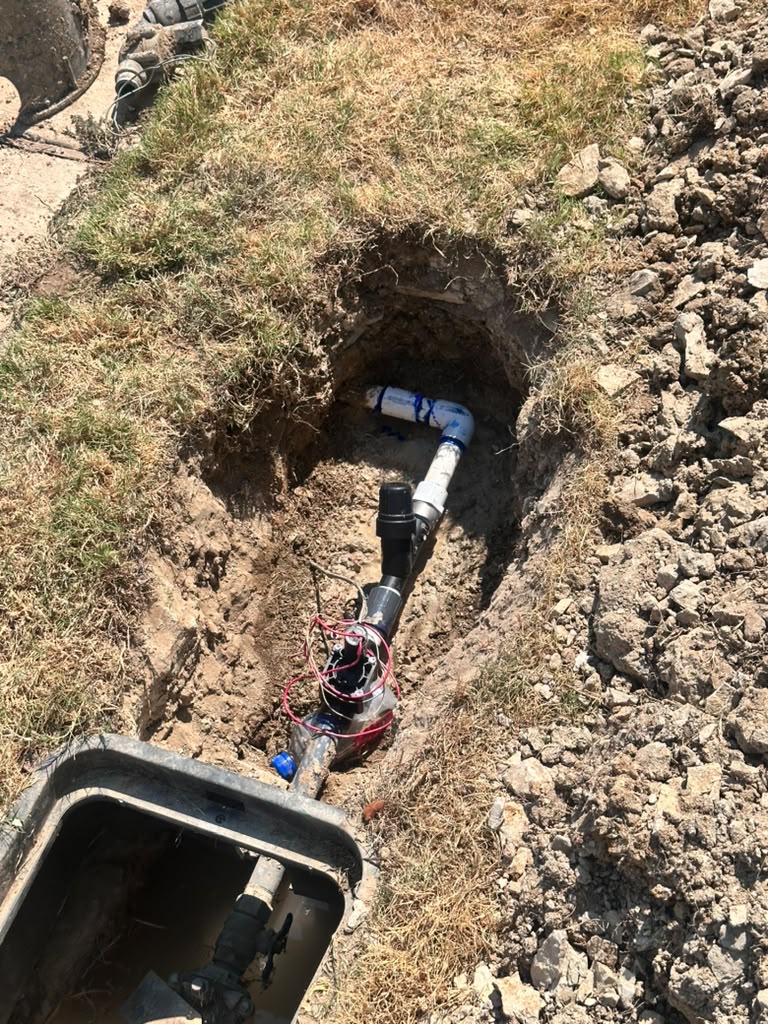
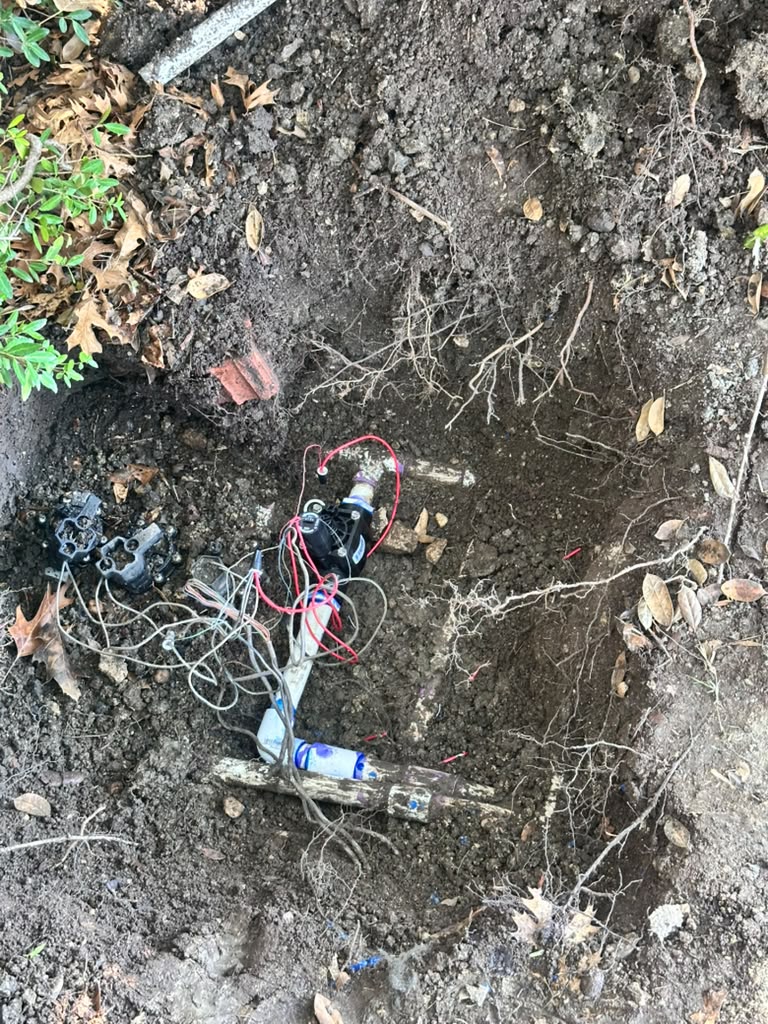
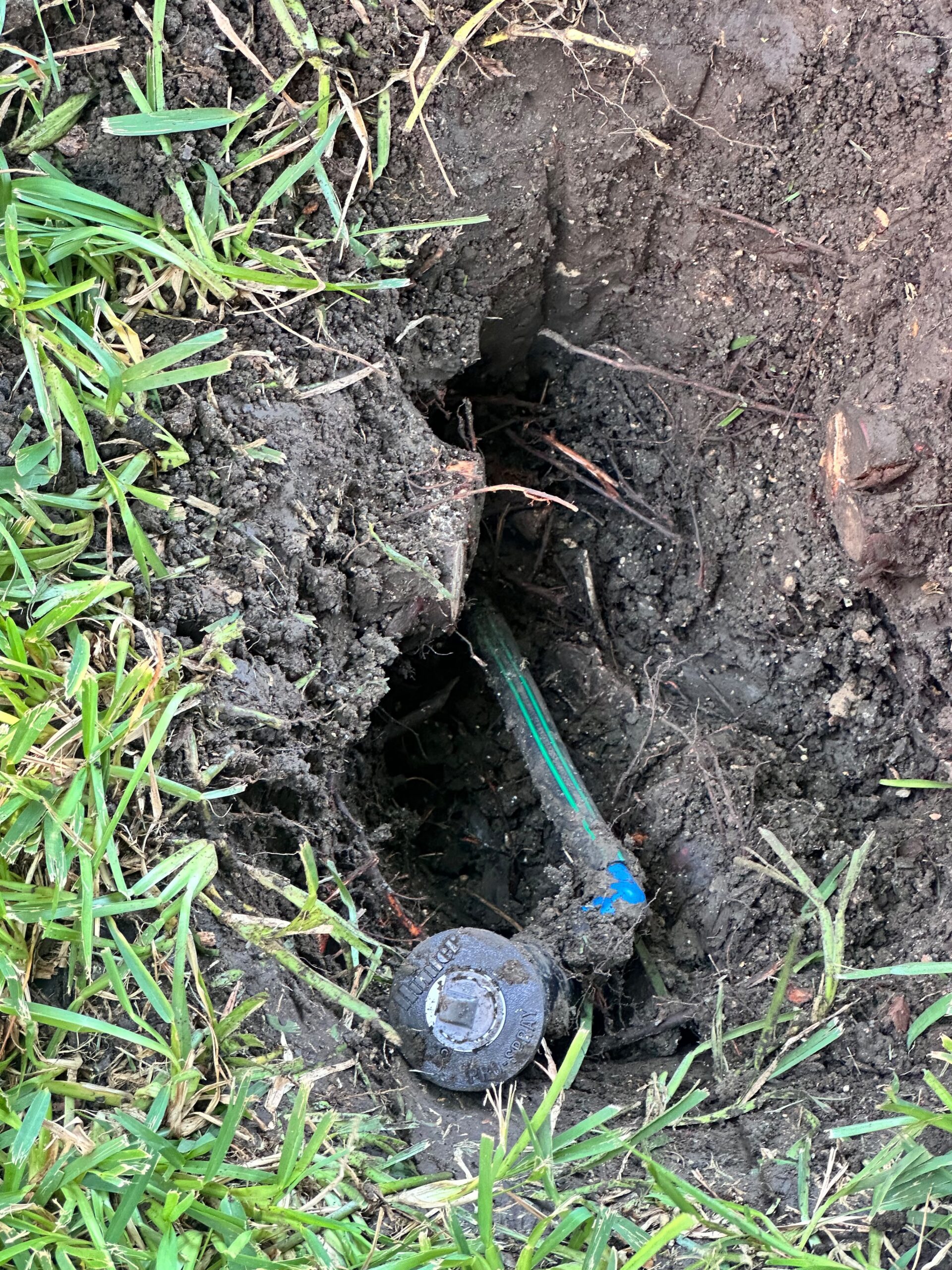
A sprinkler solenoid in Oak Point TX controls when an irrigation valve opens and closes, allowing water to flow to a specific sprinkler zone. It works by receiving an electrical signal from the sprinkler controller and using an electromagnetic mechanism to activate the valve. When the controller tells a zone to run, the solenoid helps open the valve. When watering ends, it helps the valve close and stop water flow.
If a sprinkler zone does not activate, the solenoid could be damaged. However, cut wires, corroded electrical connections, a broken shared common wire, or controller problems can cause similar symptoms. Identifying the actual problem before replacing parts helps prevent unnecessary repairs.
At a Glance: Sprinkler Solenoid Basics
| Category | Details |
| Difficulty | Basic visual checks are homeowner-friendly |
| Estimated inspection time | 10–20 minutes for initial checks |
| Tools needed | Sprinkler controller and system documentation |
| Main function | Opens and closes irrigation valves |
| Common problems | Failed solenoid, damaged wires, corroded connections |
| Common symptoms | Zones not activating or operating inconsistently |
| May not solve | Problems involving the controller, water supply, or underground wiring |
Important: Electrical testing and underground wire repairs should be handled by someone familiar with irrigation systems. Even though most residential sprinkler solenoids operate on low-voltage electricity, proper testing is still important.
How Does a Sprinkler Solenoid Work?
A sprinkler solenoid is a small electrical component attached to the top of an irrigation valve. It usually looks like a small cylindrical part with two wires extending from it.
Although it is relatively small, it plays an important role in controlling your sprinkler system.
Here is how it works:
- The controller sends a signal. When a scheduled watering cycle begins, the sprinkler controller sends an electrical signal to the selected valve.
- The solenoid receives electricity. The electrical current creates a magnetic field inside the solenoid.
- The internal plunger moves. This movement operates a small passage inside the valve, allowing water pressure to activate the valve mechanism.
- The valve opens. Water flows through the irrigation pipes and reaches the sprinkler heads assigned to that zone.
- The valve closes. When the controller stops sending the signal, the solenoid releases, allowing the valve to close.
This process happens automatically whenever a properly functioning irrigation zone starts or stops.
Without a working solenoid or a functioning electrical connection, the valve may not respond to the controller.
Why Does a Sprinkler Solenoid in Oak Point TX Stop Working?
Solenoids can fail because of normal wear, electrical problems, or damage to the wiring connected to the irrigation valve.
However, not every solenoid-related problem means the component itself needs replacement.
Understanding the possible causes helps homeowners recognize what needs attention.
1. A Worn-Out or Failed Solenoid
Like other electrical components, a sprinkler solenoid can wear out over time. Its internal coil may become damaged, preventing it from responding to the controller’s electrical signal. Common warning signs include an unresponsive sprinkler zone, intermittent operation, or electrical errors. If the wiring and controller work correctly, replacing the defective solenoid may be necessary.
2. Cut Wires During Digging or Landscaping
Underground sprinkler wires can be accidentally cut during digging, planting, or landscaping. Damaged station wires may prevent the controller from activating a valve. Before replacing a solenoid, inspect the wiring to identify the actual cause.
3. Corroded Wire Splices
Sprinkler valve boxes are exposed to moisture, soil, and changing outdoor conditions, which can cause unprotected electrical connections to corrode. Corroded wire splices may interrupt electrical signals, resulting in intermittent zone operation, controller errors, or multiple zones failing unexpectedly. Using proper waterproof irrigation connectors helps protect connections from moisture and corrosion.
4. A Broken Shared Common Wire
When several sprinkler zones stop working simultaneously, a damaged shared common wire may be responsible. Residential irrigation systems use a common wire connected to multiple valve solenoids. If this wire becomes disconnected or damaged, several valves may lose their electrical connection, even when individual solenoids remain functional.
How to Recognize a Sprinkler Solenoid Problem
The symptoms of a failed solenoid can look similar to other irrigation problems.
Pay attention to what happens when you manually activate individual zones through the controller.
Here are common signs to watch for:
| Symptom | Possible Cause |
| One zone does not turn on | Failed solenoid or damaged station wire |
| Several zones stop working | Broken common wire or controller issue |
| Zone works inconsistently | Corroded splice or loose connection |
| Controller displays an error | Shorted wiring or faulty solenoid |
| Valve opens manually but not automatically | Electrical or controller problem |
| Water continues flowing after watering | Valve or diaphragm problem |
These symptoms provide useful clues, but they do not confirm which component has failed.
A proper diagnosis should consider the entire electrical and mechanical operation of the irrigation system.
What Should Homeowners Check Before Replacing a Solenoid?
Not every sprinkler zone problem requires immediate component replacement.
A few basic checks can help determine whether the issue might involve the controller, water supply, or another part of the irrigation system.
Step 1: Check the Sprinkler Controller
Start by looking at your irrigation controller.
Check whether:
- The controller has power.
- The correct watering schedule is active.
- The affected zone has a programmed runtime.
- The system is not set to OFF.
- The controller displays an error message.
Sometimes, a programming mistake or an incorrect schedule can prevent a zone from operating.
Correcting the settings may resolve the issue without replacing any equipment.
Step 2: Test the Affected Zone
Use the controller’s manual watering function to activate the zone that is not working.
Observe whether the sprinkler heads operate.
If the zone does not activate, take note of whether other zones work normally.
This distinction matters because one failed zone may point toward an individual station wire or solenoid, while several failed zones may indicate a shared electrical problem.
Step 3: Inspect Accessible Valve Boxes
If you know where your irrigation valves are located, visually inspect the accessible valve boxes.
Look for:
- Loose or disconnected wires.
- Visible corrosion.
- Damaged waterproof connectors.
- Standing water or excessive moisture.
- Signs of recent digging or landscaping damage.
Avoid pulling on buried wires or disconnecting electrical connections while the system is powered.
If the connections appear damaged, a qualified sprinkler technician can inspect and repair them safely.
Step 4: Check the Water Supply
A valve may receive the correct electrical signal but still fail to deliver water if the irrigation supply is shut off.
Check whether the main irrigation water supply and applicable shutoff valves are open.
If other zones operate normally, a general water supply problem becomes less likely, but individual valve or pipe problems may still exist.
Step 5: Have the Electrical Components Tested
If basic checks do not identify the problem, electrical testing can help distinguish between a failed solenoid, damaged wire, or controller issue.
A technician may check:
- Voltage at the controller.
- Voltage reaching the valve.
- Solenoid resistance.
- Continuity of the station wire.
- Condition of the shared common wire.
- Quality of existing electrical splices.
Hunter Industries explains these testing procedures in its valve voltage testing guide.
These measurements help identify where the electrical signal is being interrupted.
Common Mistakes When Troubleshooting Sprinkler Solenoids
Replacing the first component that appears damaged can lead to unnecessary expenses.
Avoid these common troubleshooting mistakes:
- Replacing multiple solenoids immediately. If several zones stop working together, investigate the shared common wire and controller before assuming every solenoid has failed.
- Ignoring underground wiring. A damaged wire can prevent a perfectly functional solenoid from receiving electricity.
- Using ordinary wire connectors. Standard connectors may not provide adequate protection against moisture in underground valve boxes.
- Assuming the controller is always responsible. A controller error can indicate a wiring short or a faulty solenoid rather than a defective timer.
- Digging without locating the damaged wire. Unnecessary digging can damage additional irrigation pipes and electrical connections.
A careful inspection helps narrow down the cause before repairs begin.
Local Considerations for Sprinkler Systems in Oak Point TX
Outdoor irrigation systems in Oak Point experience changing weather conditions, seasonal watering demands, and regular landscaping activity.
These conditions can affect the reliability of sprinkler components and underground wiring.
Soil Movement and Landscaping Work
North Texas clay soils can expand when wet and shrink during dry periods.
Changes in soil moisture can affect buried irrigation components and make existing wiring or connections more vulnerable to movement, particularly when installations are already poorly protected.
Landscaping projects also introduce risks. Installing trees, shrubs, garden beds, or landscape edging can accidentally damage underground sprinkler wires.
Homeowners should identify irrigation lines and wiring locations before starting digging projects.
Heat and Outdoor Exposure
Extended summer heat can place additional stress on outdoor irrigation equipment.
Although solenoids are designed for outdoor irrigation applications, damaged wiring insulation and aging connectors can contribute to electrical problems over time.
Inspecting accessible valve boxes and keeping connections properly protected can help reduce avoidable issues.
Seasonal Irrigation Changes
Sprinkler systems may operate less frequently during cooler months.
When watering schedules change, homeowners may not notice an electrical problem until the next scheduled irrigation cycle.
Testing each zone periodically helps identify problems before they affect lawn and landscape coverage.
Other Problems That Can Look Like a Failed Solenoid
A sprinkler solenoid is only one part of an irrigation system.
Several other components can produce similar symptoms.
Damaged Sprinkler Valves
A valve may have an internal mechanical problem even when its solenoid is functioning correctly.
A damaged diaphragm, debris, or a valve that cannot open properly may prevent water from reaching the sprinkler heads.
Learn more about sprinkler valve repair.
Sprinkler Controller Problems
A defective controller terminal or incorrect programming can prevent an individual zone from receiving the correct electrical signal.
If several zones fail, the controller and shared wiring should both be considered.
Underground Sprinkler Leaks
A damaged irrigation pipe can cause low pressure, wet areas, or poor sprinkler performance.
However, an underground leak does not necessarily mean the solenoid is defective.
If you notice unexplained wet spots or water loss, explore sprinkler leak detection.
General Irrigation System Problems
Sometimes, the issue involves more than one component.
A complete system inspection can help identify electrical problems, valve issues, damaged sprinkler heads, and other conditions affecting irrigation performance.
Homeowners can learn more about sprinkler system inspections.
Frequently Asked Questions
1. Can a bad sprinkler solenoid stop one zone from working?
Yes. A failed solenoid may prevent its irrigation valve from opening when the controller sends an electrical signal. However, damaged station wiring, poor connections, and controller problems can produce the same symptom.
2. Can a broken common wire affect multiple sprinkler zones?
Yes. Multiple sprinkler valves often share one common wire. If that wire becomes disconnected or damaged, several zones may stop operating even if their individual solenoids are still functional.
3. How do I know if my sprinkler solenoid needs replacing?
A solenoid may need replacement if it fails electrical testing and the controller and wiring are confirmed to be working properly. A technician can test the component before recommending replacement.
4. Can a sprinkler solenoid be repaired instead of replaced?
Some connection problems can be corrected by repairing damaged wiring or replacing corroded waterproof connectors. However, when the solenoid’s internal electrical coil has failed, replacing the solenoid is generally the appropriate solution.
5. Why does my sprinkler zone work manually but not automatically?
If a valve operates manually but does not respond to the controller, the problem may involve the solenoid, station wire, shared common wire, or controller output. Electrical testing can help identify the exact cause.
Conclusion
A sprinkler solenoid in Oak Point TX helps the system open and close each zone when the controller sends a signal. If one zone stops working, the solenoid may be responsible, but damaged wiring, corroded connections, or controller issues can cause similar symptoms. Check settings and water supply first. If several zones fail together, have the shared wiring inspected. Whale Done Sprinklers & Irrigation can help identify the cause. Call +1 (469) 384-7767 or email clientsupport@callwhaledone.com to schedule an assessment.