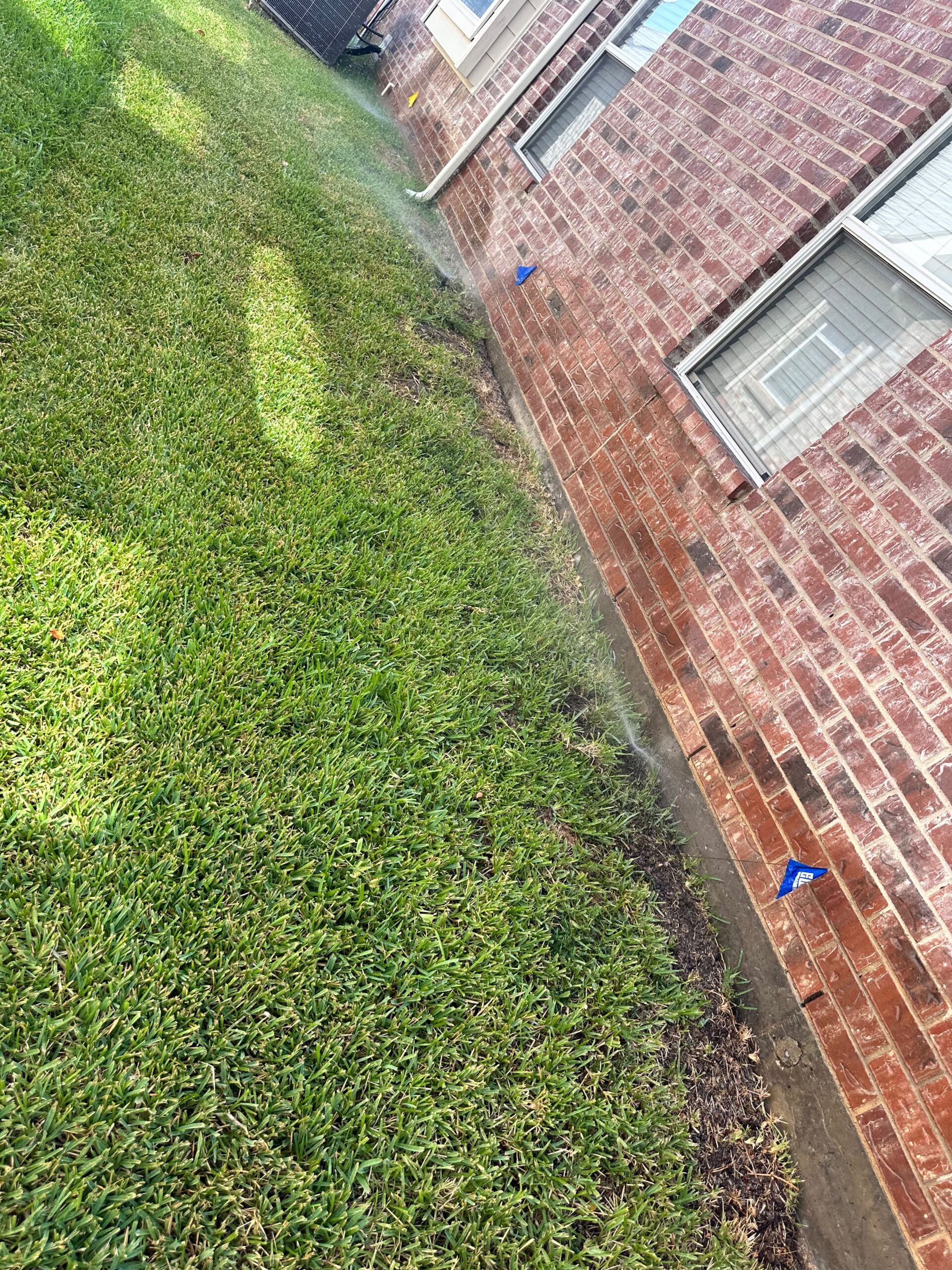
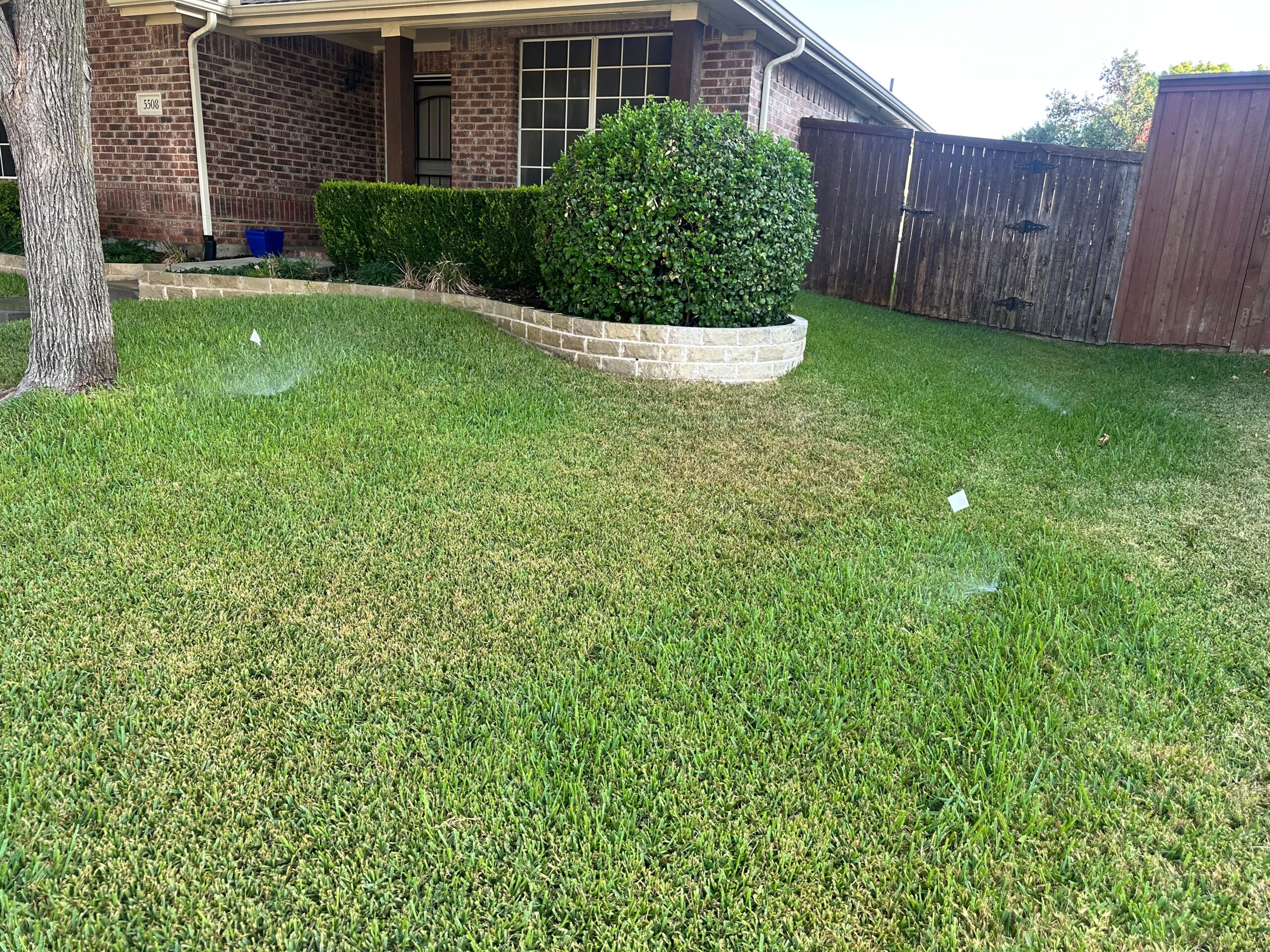
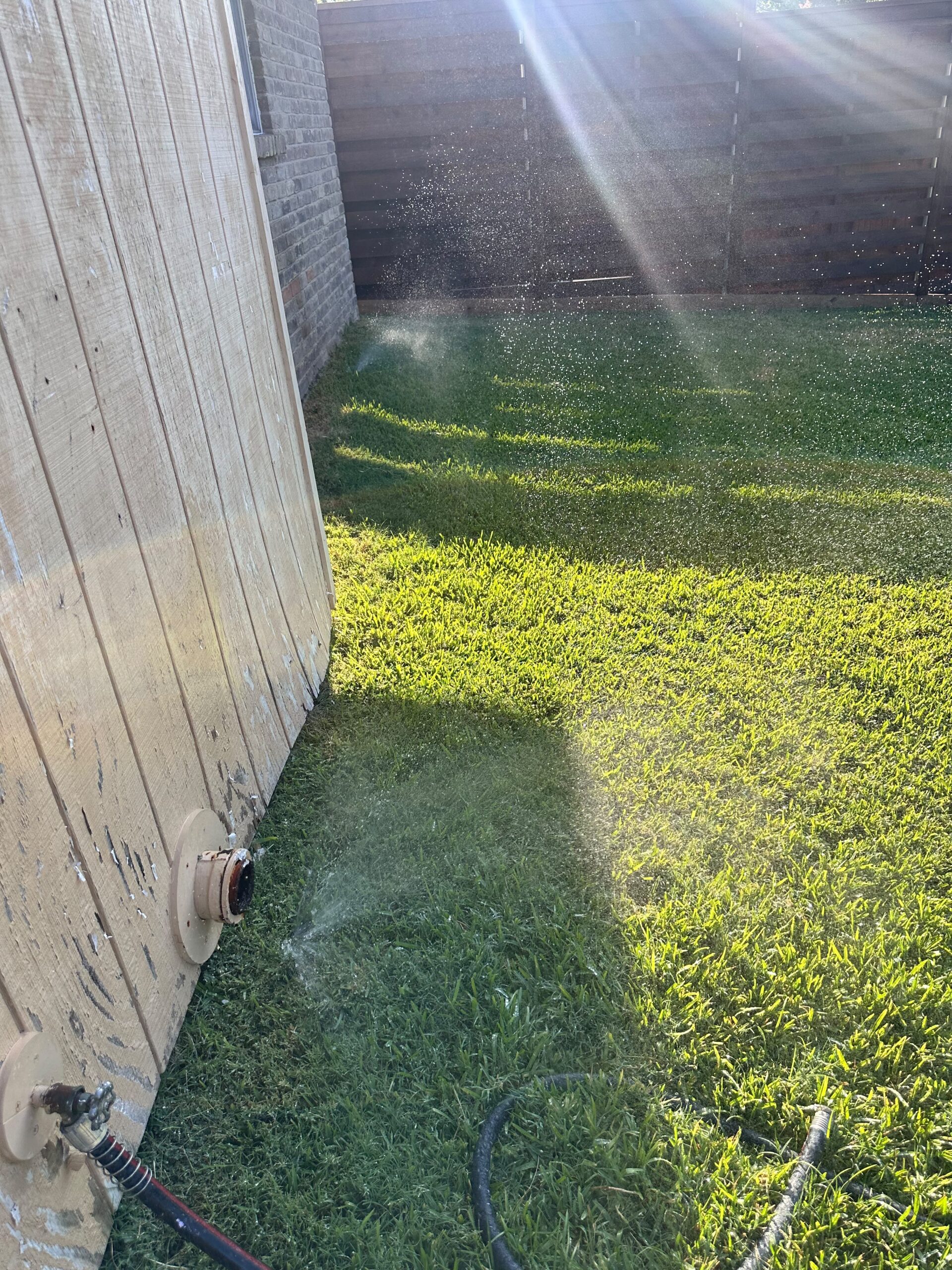
An underground irrigation leak in Murphy TX can develop unnoticed beneath your property, gradually causing extensive damage to your lawn, landscaping, and even your home’s foundation. Because these leaks occur below the surface, homeowners often remain unaware of the problem until visible signs such as soggy grass, dying plants, soil erosion, or structural concerns begin to appear. While a sprinkler system is designed to efficiently deliver water where it is needed, a hidden leak can disrupt that balance and create costly issues throughout your property. Understanding the potential consequences of underground irrigation leaks can help homeowners take proactive steps to protect their investment and maintain a healthy outdoor environment.
Understanding Underground Irrigation Leaks
Underground irrigation systems consist of pipes, valves, fittings, and sprinkler heads that work together to distribute water throughout a landscape. Over time, these components can deteriorate due to aging, shifting soil, root intrusion, ground movement, or accidental damage during landscaping projects.
When a pipe develops a crack or a connection loosens beneath the surface, water escapes continuously into the surrounding soil. Unlike visible sprinkler problems, underground leaks may persist for weeks or months before obvious symptoms emerge. During that time, significant amounts of water can be lost while unseen damage accumulates.
Many homeowners assume that irrigation leaks always create dramatic puddles or flooding. However, underground leaks frequently produce subtle warning signs that can be mistaken for normal lawn issues, making early detection especially important.
Why Underground Leaks Are Often Difficult To Detect
One of the primary challenges associated with underground irrigation leaks is that they occur below the visible surface. Water may spread through the soil before reaching the top layer, masking the true source of the problem.
Several factors can make leaks difficult to identify:
- Water disperses underground before becoming visible.
- Grass may absorb excess moisture initially.
- Leaks often occur far from sprinkler heads.
- Symptoms can resemble overwatering or poor drainage.
- Seasonal weather conditions may hide warning signs.
Because the signs develop gradually, homeowners may not realize an irrigation leak exists until the damage becomes more severe.
The Impact On Lawn Health
A healthy lawn depends on balanced watering. When an underground irrigation leak disrupts water distribution, some areas receive excessive moisture while others may receive insufficient irrigation.
Oversaturated Soil
Excessive moisture can saturate the root zone and reduce oxygen availability. Grass roots require oxygen to remain healthy and support vigorous growth. Constantly wet soil creates stressful conditions that weaken turf over time.
Symptoms of oversaturation may include:
- Soft, spongy ground
- Persistent wet spots
- Yellowing grass
- Thinning turf
- Increased weed growth
These issues can spread if the leak remains unresolved.
Dry Areas In Other Zones
While one section of the lawn receives too much water, other portions of the irrigation system may experience reduced pressure. As a result, certain zones may become dry and stressed.
Signs of inadequate irrigation include:
- Brown patches
- Wilted grass
- Uneven growth
- Premature dormancy
- Increased susceptibility to disease
This imbalance often causes homeowners to mistakenly increase watering schedules, worsening the leak-related problem.
Increased Risk Of Lawn Disease
Consistently damp conditions create an ideal environment for fungal growth. Many turf diseases thrive in moisture-rich soil and can spread rapidly across affected areas.
Long-term moisture problems may contribute to:
- Root rot
- Mold growth
- Fungal infections
- Patch diseases
- Declining turf density
Maintaining proper irrigation efficiency is essential for preventing these conditions.
How Landscaping Can Be Affected
An underground leak does not only impact grass. Trees, shrubs, flowers, and ornamental plants can also suffer when water distribution becomes inconsistent.
Root System Damage
Plants require a delicate balance of moisture and oxygen. Excess water can suffocate roots and impair nutrient uptake, causing plants to decline despite receiving abundant irrigation.
Common symptoms include:
- Yellow leaves
- Stunted growth
- Premature leaf drop
- Root decay
- Reduced flowering
Over time, affected plants may become increasingly vulnerable to pests and environmental stress.
Soil Erosion Around Landscape Features
Escaping water can gradually wash away soil beneath landscaping elements. Mulch beds, retaining walls, decorative borders, and garden areas may experience instability due to continuous underground water movement.
Soil erosion may lead to:
- Uneven planting beds
- Exposed roots
- Sunken areas
- Displaced mulch
- Structural shifting
These issues can diminish both the appearance and functionality of outdoor spaces.
Attraction Of Pests
Excess moisture often attracts insects and other pests seeking water sources. Certain pests thrive in damp environments and may become more prevalent around leak-affected areas.
Potential concerns include:
- Mosquito activity
- Ant infestations
- Termite attraction
- Grub populations
- Various moisture-loving insects
Addressing hidden leaks can help reduce conditions that encourage pest activity.
Can An Underground Irrigation Leak Affect Your Foundation?
One of the most significant concerns associated with hidden irrigation leaks is the potential impact on a home’s foundation. While many homeowners focus on lawn damage, prolonged underground water exposure near a structure can create serious complications.
Soil Expansion And Contraction
Many areas of Texas contain clay-rich soils that expand when wet and contract when dry. When a leak continuously saturates soil near a home, uneven expansion may occur.
This movement can place stress on foundation components and contribute to shifting over time.
Learn more about soil behavior from the Natural Resources Conservation Service.
Uneven Foundation Support
A foundation relies on consistent support from the surrounding soil. Excessive moisture can weaken soil stability beneath portions of the structure.
Potential outcomes may include:
- Minor settling
- Foundation movement
- Uneven support conditions
- Structural stress
- Surface cracking
Even relatively small leaks can create long-term concerns when located near a home’s perimeter.
Increased Hydrostatic Pressure
As water accumulates in the soil, pressure may build around below-grade foundation components. This condition can increase stress on foundation walls and contribute to moisture-related problems.
Hydrostatic pressure can lead to:
- Moisture intrusion
- Basement seepage
- Crawl space dampness
- Structural strain
- Interior humidity concerns
Preventing excessive moisture accumulation helps protect both the foundation and the overall integrity of the home.
Warning Signs Homeowners Should Watch For
Identifying a hidden leak early can significantly reduce repair costs and property damage.
Common warning signs include:
Unexpected Water Bill Increases
A sudden rise in water consumption often serves as one of the earliest indicators of an underground irrigation issue. If usage increases without corresponding changes in household habits, the irrigation system may warrant inspection.
Persistently Wet Areas
Areas that remain damp long after irrigation cycles have ended may indicate water escaping beneath the surface.
Unusually Green Patches
A leak can create localized zones of excessive growth due to constant water availability.
Low Water Pressure
Leaks frequently reduce system pressure, affecting sprinkler performance and coverage.
Soil Depressions
As water erodes soil underground, sinkage or uneven ground conditions may develop.
Cracks Near The Foundation
While foundation cracks can result from multiple causes, moisture fluctuations associated with irrigation leaks should be considered during evaluation.
Common Causes Of Underground Irrigation Leaks
Several factors contribute to hidden irrigation failures.
Aging Infrastructure
Pipes naturally deteriorate over time due to material fatigue and environmental exposure.
Tree Root Intrusion
Growing roots can place pressure on underground pipes and eventually cause cracking or separation.
Soil Movement
Seasonal expansion and contraction place stress on buried irrigation components.
Installation Issues
Improper installation techniques may create weak points that become vulnerable to future failure.
Accidental Damage
Landscaping projects, fence installation, excavation work, and utility construction can inadvertently damage irrigation lines.
Professional Leak Detection Methods
Modern irrigation professionals use advanced techniques to locate hidden leaks with minimal disruption to the property.
Pressure Testing
Pressure testing helps identify abnormalities within irrigation zones and determine whether water is escaping from the system.
Flow Monitoring
Flow analysis can reveal unusual water usage patterns that indicate potential leaks.
Zone Isolation
Technicians may isolate individual irrigation zones to narrow down the location of the problem.
Acoustic Detection
Specialized listening equipment can identify sounds associated with underground water movement.
Information regarding water conservation practices can be found through the EPA WaterSense Program.
Moisture Assessment Technology
Advanced moisture detection tools help locate areas where excess underground water is accumulating.
These techniques reduce unnecessary excavation and improve repair efficiency.
The Financial Consequences Of Delayed Repairs
Ignoring an underground irrigation leak can lead to escalating costs over time.
Potential expenses may include:
- Increased water bills
- Landscape restoration
- Turf replacement
- Drainage corrections
- Foundation repairs
- Irrigation system reconstruction
The longer a leak remains active, the greater the potential for widespread property damage.
Preventing Underground Irrigation Problems
While not all leaks can be prevented, routine maintenance significantly reduces risk.
Homeowners should consider:
Scheduling Regular Inspections
Periodic system evaluations help identify developing issues before major failures occur.
Monitoring Water Usage
Tracking monthly water consumption can reveal unusual patterns that indicate hidden leaks.
Observing Landscape Changes
Sudden changes in lawn appearance often provide valuable clues regarding irrigation performance.
Testing System Performance
Routine sprinkler operation checks help ensure consistent pressure and coverage.
Additional water conservation guidance is available through the Texas Commission on Environmental Quality.
Addressing Minor Problems Promptly
Small irrigation issues can quickly evolve into larger concerns if left unresolved.
Early intervention helps preserve system efficiency and protect surrounding property.
Conclusion
An underground irrigation leak in Murphy TX has the potential to cause far more than wasted water. Hidden leaks can damage lawns, weaken landscaping, encourage soil erosion, increase utility costs, attract pests, and create conditions that may eventually affect a home’s foundation. Because these problems often develop gradually, early detection and timely repairs are critical for protecting your property and maintaining a healthy irrigation system. If you suspect an underground irrigation leak in Murphy TX, professional inspection and repair services can help identify the source and prevent further damage.
For expert assistance, contact Whale Done Sprinklers & Irrigation at +1 (469) 384-7767 or email clientsupport@callwhaledone.com. Their experienced team can help diagnose and resolve irrigation issues before they lead to costly lawn, landscape, or foundation damage.