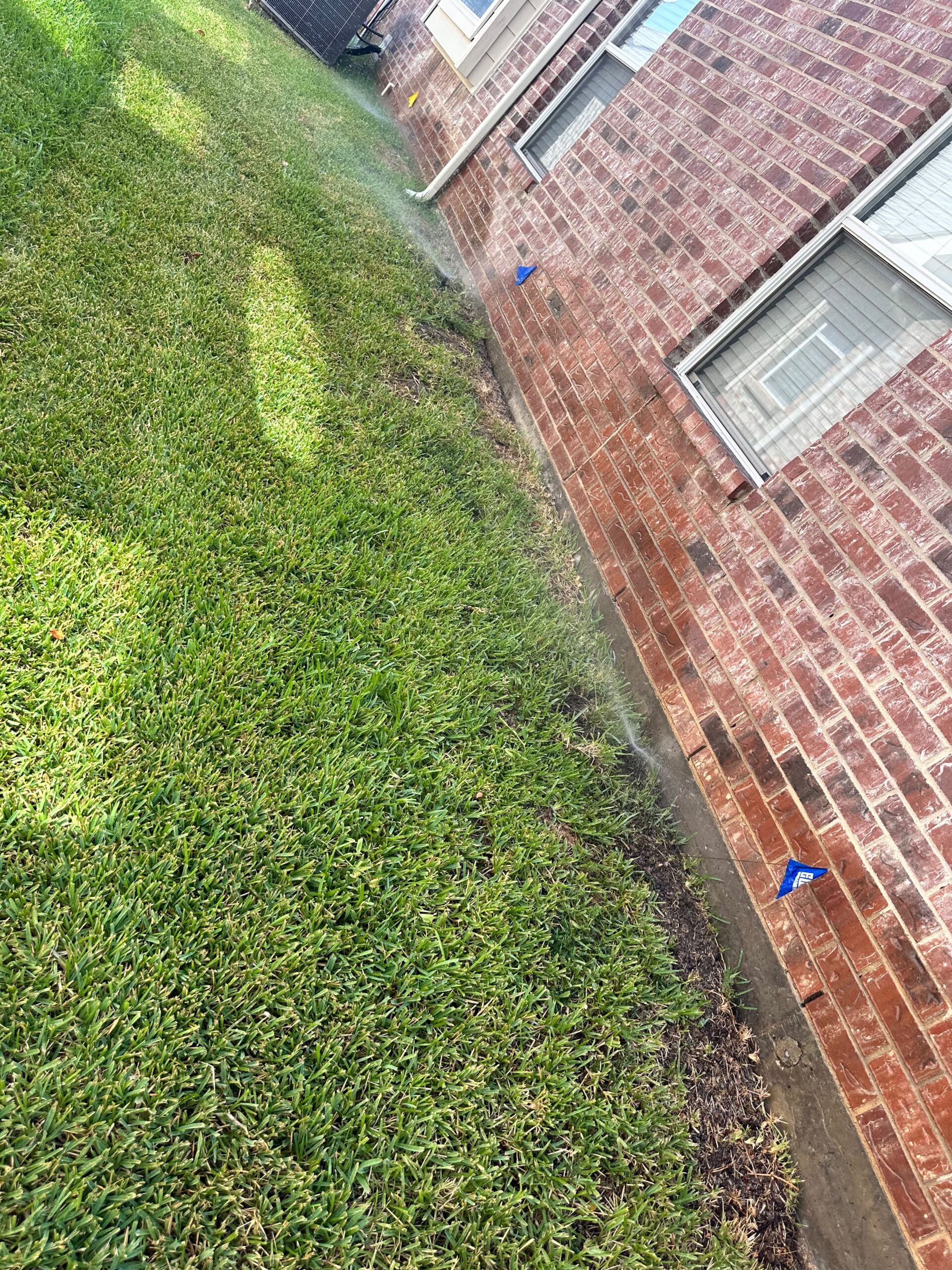
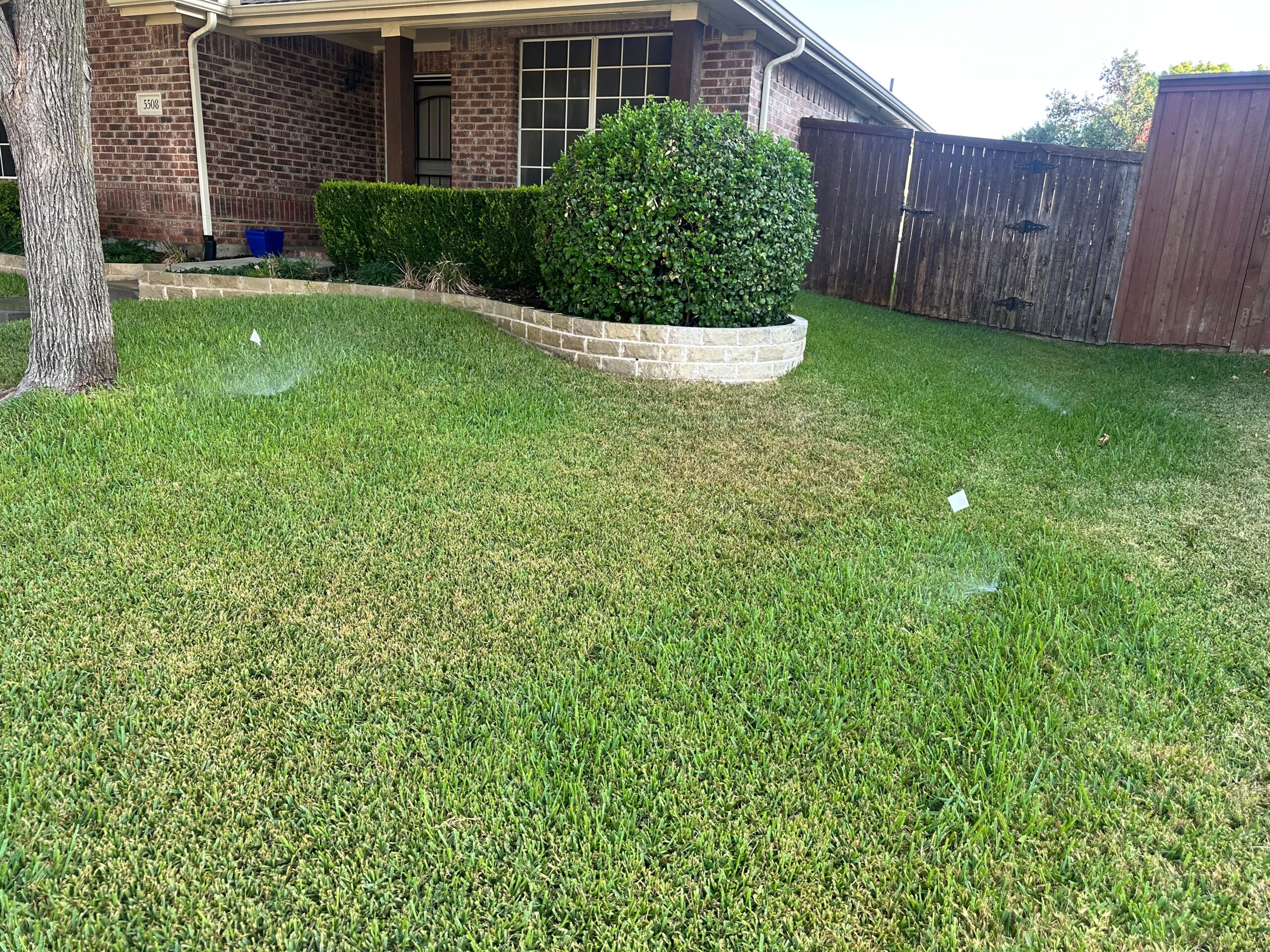
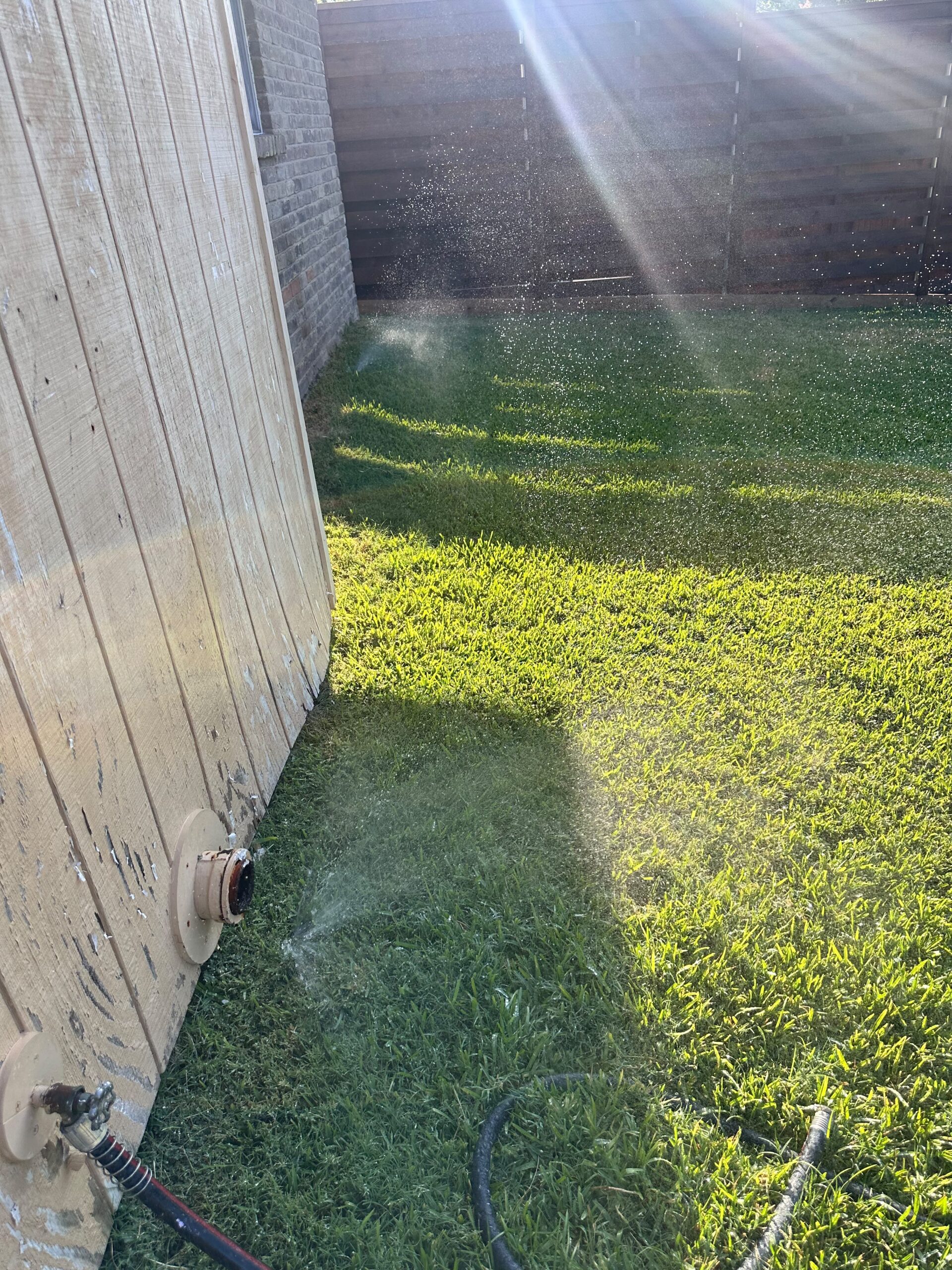
Sprinkler leaks in Lucas TX can often be identified without extensive digging thanks to modern irrigation diagnostics and non-invasive leak detection techniques. Homeowners who notice unusual water usage, soggy areas in the yard, or declining sprinkler performance may wonder whether locating a leak requires tearing up their landscape. Fortunately, advancements in irrigation technology have made it possible to pinpoint many leaks accurately while minimizing disruption to lawns, flower beds, and hardscapes.
As irrigation systems become more sophisticated, leak detection methods have evolved as well. Professional technicians now rely on specialized tools, system testing procedures, and detailed inspections that allow them to identify hidden issues beneath the surface. Understanding how these methods work can help homeowners protect their property, conserve water, and avoid unnecessary excavation.
Why Hidden Sprinkler Leaks Can Be Difficult to Detect
Not every sprinkler leak is obvious. While some leaks create visible puddles or water spraying above ground, others remain hidden beneath the soil. Underground leaks can continue for weeks or months before significant symptoms appear.
Several factors contribute to the difficulty of detecting hidden irrigation leaks:
- Buried pipes conceal water loss.
- Soil absorbs leaking water before it reaches the surface.
- Landscape features may mask warning signs.
- Multiple irrigation zones complicate diagnosis.
- Seasonal weather changes can disguise moisture problems.
Because underground leaks often develop gradually, homeowners may initially overlook the problem until water bills increase or landscape damage becomes noticeable.
Common Signs of Sprinkler Leaks
Before considering detection methods, it is important to recognize the warning signs that may indicate a leak somewhere within the irrigation system.
Unusually High Water Bills
One of the most common signs of a sprinkler leak is an unexpected increase in water bills. If your water usage habits have remained the same but monthly costs continue to rise, an underground irrigation leak may be wasting water without being immediately visible.
Saturated Areas in the Lawn
Persistent wet spots, muddy areas, or standing water in the yard can indicate that water is leaking from an underground sprinkler line. These conditions often develop even when the irrigation system is not running, suggesting a hidden issue beneath the surface.
Uneven Plant Growth
Excessive moisture from a leaking sprinkler line can cause certain sections of grass or plants to grow faster, appear greener, or become denser than surrounding areas. While this may initially seem beneficial, isolated patches often point to underlying irrigation system problems.
Reduced Sprinkler Performance
Leaks can reduce water pressure throughout the system, leading to:
- Weak spray patterns
- Incomplete coverage
- Uneven watering
- Dry spots in the landscape
Soil Erosion
Water escaping underground can gradually wash away soil, creating depressions or unstable areas around sprinkler components.
Can Professionals Find Leaks Without Digging?
In many cases, yes. Modern leak detection methods allow irrigation specialists to narrow down the location of a leak before any excavation begins. The goal is to minimize damage while improving repair accuracy.
Instead of immediately digging large sections of the yard, technicians typically perform a series of tests designed to identify the affected zone and locate the source of water loss.
These methods significantly reduce unnecessary excavation and help preserve landscaping investments.
Visual Irrigation System Inspections
The first step in most leak detection processes involves a comprehensive visual inspection.
Technicians evaluate the condition of:
- Sprinkler heads
- Valves
- Backflow devices
- Irrigation controllers
- Exposed piping
- Zone performance
During this assessment, professionals look for subtle indicators that may reveal the presence of hidden leaks.
The WaterSense program emphasizes regular irrigation inspections as an effective way to improve water efficiency and identify system issues before they become major problems.
Visual inspections often uncover problems that homeowners may not notice during routine lawn maintenance.
Pressure Testing Techniques
Pressure testing is one of the most effective non-invasive methods used to detect sprinkler leaks.
This process involves measuring water pressure throughout different irrigation zones. When pressure readings fall below expected levels, technicians can identify areas where water may be escaping.
Pressure testing helps professionals:
- Isolate problematic zones
- Detect underground pipe damage
- Identify valve malfunctions
- Evaluate overall system performance
Because testing occurs above ground, it allows for accurate diagnostics without disturbing landscaping.
Acoustic Leak Detection Technology
One of the most advanced methods available today involves acoustic leak detection.
Water escaping from a pressurized pipe produces vibrations and sound waves. Specialized listening equipment can detect these sounds even when pipes are buried underground.
Technicians use highly sensitive devices that help identify:
- Underground pipe leaks
- Cracked fittings
- Damaged connections
- Pressurized water loss
The American Water Works Association discusses how acoustic technologies are increasingly used to locate leaks within water distribution systems due to their accuracy and efficiency.
This approach often allows professionals to pinpoint leak locations with remarkable precision.
Zone Isolation Testing
Most irrigation systems are divided into separate watering zones.
By activating one zone at a time and monitoring performance, technicians can determine which section of the system contains the leak.
Zone isolation testing helps narrow the search area significantly before any excavation becomes necessary.
Benefits include:
- Faster diagnostics
- Reduced labor costs
- Minimal landscape disturbance
- More accurate repairs
Once the problematic zone is identified, additional testing can further refine the leak location.
Flow Monitoring and Water Usage Analysis
Advanced irrigation diagnostics frequently involve monitoring water flow throughout the system.
Specialized equipment measures how much water moves through each zone and compares actual usage to expected performance levels.
Abnormal flow rates may indicate:
- Hidden leaks
- Broken pipes
- Stuck valves
- Damaged sprinkler heads
The Irrigation Association highlights flow monitoring as a valuable strategy for identifying inefficiencies and reducing water waste in irrigation systems.
This method provides valuable data that helps technicians make informed repair decisions.
Soil Moisture Evaluation
Excess moisture beneath the surface often reveals the approximate location of a leak.
Professionals may use moisture detection tools to measure soil conditions throughout the landscape.
These evaluations can identify:
- Areas with excessive water saturation
- Underground moisture migration
- Potential leak pathways
- Hidden irrigation failures
Unlike random digging, moisture testing allows technicians to focus only on areas showing abnormal readings.
Thermal Imaging Applications
Some irrigation professionals utilize thermal imaging technology when investigating underground leaks.
Thermal cameras detect temperature differences in the soil that may indicate water movement below the surface.
Although not always necessary, thermal imaging can provide additional information in situations where conventional methods produce inconclusive results.
Potential advantages include:
- Non-destructive diagnostics
- Rapid scanning of large areas
- Enhanced leak detection accuracy
- Reduced property disruption
This technology continues to become more accessible as leak detection methods evolve.
Situations Where Digging May Still Be Necessary
While many leaks can be located without excavation, repairs generally require some level of digging once the source has been identified.
However, the difference is significant.
Instead of excavating large portions of the yard to search for a leak, technicians can dig only where repairs are needed.
Digging may still be necessary when:
- Pipes require replacement
- Fittings are severely damaged
- Root intrusion has occurred
- Underground components have collapsed
Accurate detection minimizes excavation and helps protect surrounding landscaping.
How Early Detection Benefits Homeowners
Finding sprinkler leaks early offers several advantages beyond reducing repair costs.
Water Conservation
Underground irrigation leaks can waste thousands of gallons of water each year without obvious signs on the surface. Detecting and repairing leaks early helps conserve valuable water resources, supports environmental sustainability, and ensures irrigation systems operate responsibly and efficiently throughout the year.
Lower Utility Expenses
Even small underground leaks can significantly increase monthly water bills over time. Prompt repairs reduce unnecessary water consumption, improve system performance, and help property owners avoid paying for water that is lost before reaching lawns, gardens, and landscape features.
Landscape Protection
Excess water from hidden irrigation leaks can oversaturate soil and create unhealthy growing conditions. This may damage plants, weaken root systems, encourage fungal diseases, and negatively affect the appearance and long-term health of lawns, trees, and shrubs.
Structural Preservation
Underground leaks located near foundations, driveways, patios, or walkways can gradually erode soil and create instability. Addressing these issues quickly helps protect surrounding structures from potential settling, cracking, and other costly problems that may develop over time.
Improved Irrigation Efficiency
A properly maintained irrigation system delivers the right amount of water where it is needed most. Repairing underground leaks improves water distribution, reduces waste, promotes healthier plant growth, and helps landscapes remain vibrant, attractive, and well-maintained year-round.
The United States Department of Agriculture recognizes efficient water management as an important factor in maintaining healthy landscapes and conserving resources.
Preventing Future Sprinkler Leaks
While no irrigation system is completely immune to wear and tear, preventative maintenance can significantly reduce the likelihood of future leaks.
Recommended practices include:
- Scheduling regular inspections
- Monitoring water bills for unusual increases
- Replacing aging components
- Adjusting watering schedules seasonally
- Addressing minor issues promptly
- Protecting exposed sprinkler components
Routine maintenance allows small problems to be corrected before they develop into costly repairs.
Choosing Professional Leak Detection Services
Accurate leak detection requires experience, training, and specialized equipment.
Professional irrigation technicians understand how various system components interact and can evaluate multiple potential causes of water loss.
When selecting a service provider, homeowners should look for:
- Irrigation system expertise
- Comprehensive inspection processes
- Advanced diagnostic equipment
- Knowledge of local soil conditions
- Experience with residential systems
A thorough evaluation can save significant time, money, and frustration while preserving the appearance of the landscape.
Conclusion
Sprinkler Leaks In Lucas TX can often be located without extensive digging through the use of modern diagnostic techniques such as pressure testing, acoustic detection, moisture analysis, flow monitoring, and zone isolation testing. These advanced methods allow professionals to identify hidden irrigation issues with greater accuracy while minimizing disruption to lawns and landscaping. Early detection not only conserves water but also helps prevent landscape damage, higher utility bills, and costly repairs.
If you suspect Sprinkler Leaks In Lucas TX, professional assistance can help identify the problem quickly and efficiently. Contact Whale Done Sprinklers & Irrigation for expert irrigation support.
Business Name: Whale Done Sprinklers & Irrigation
Phone: +1 (469) 384-7767
Email: clientsupport@callwhaledone.com