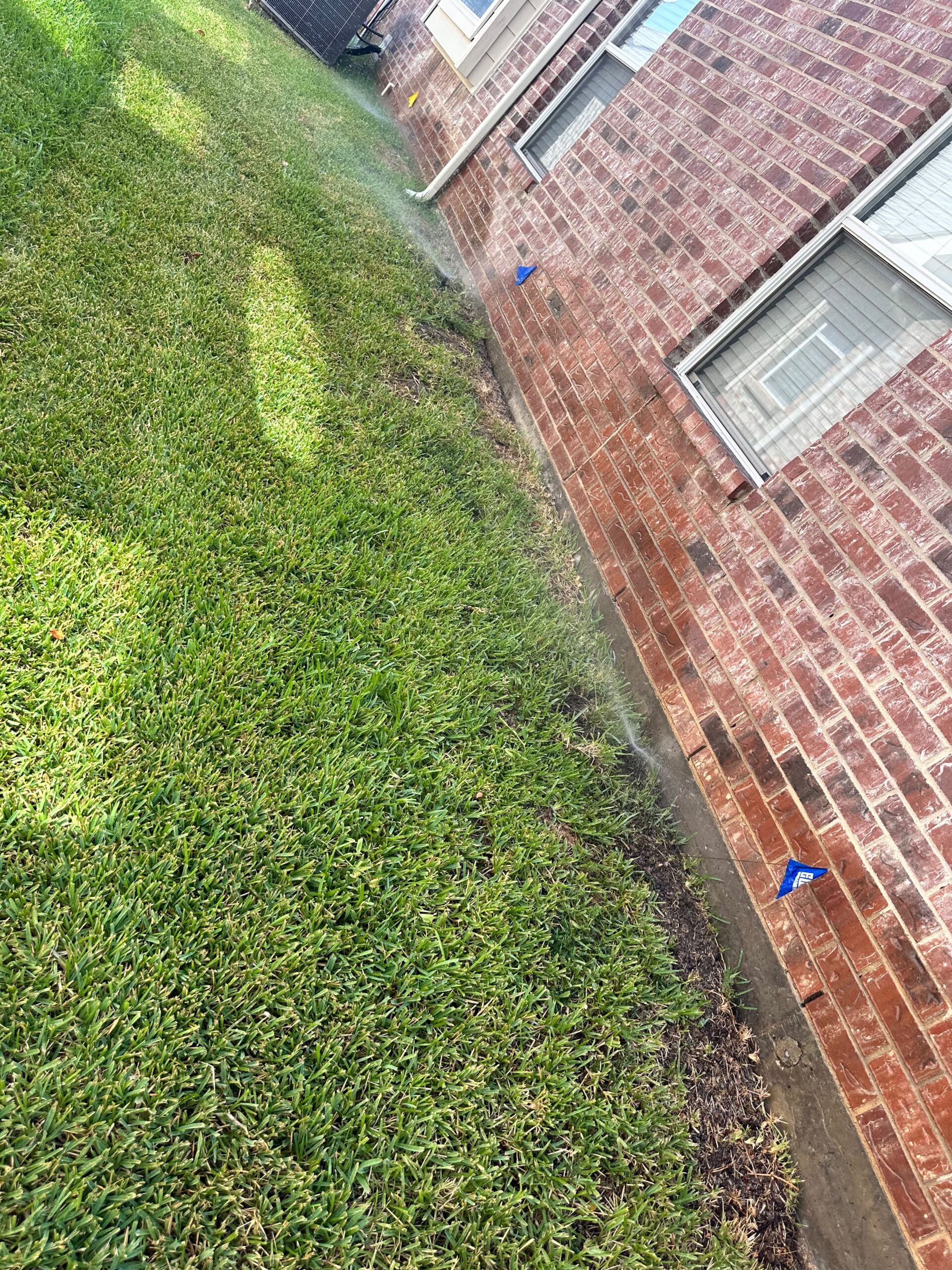
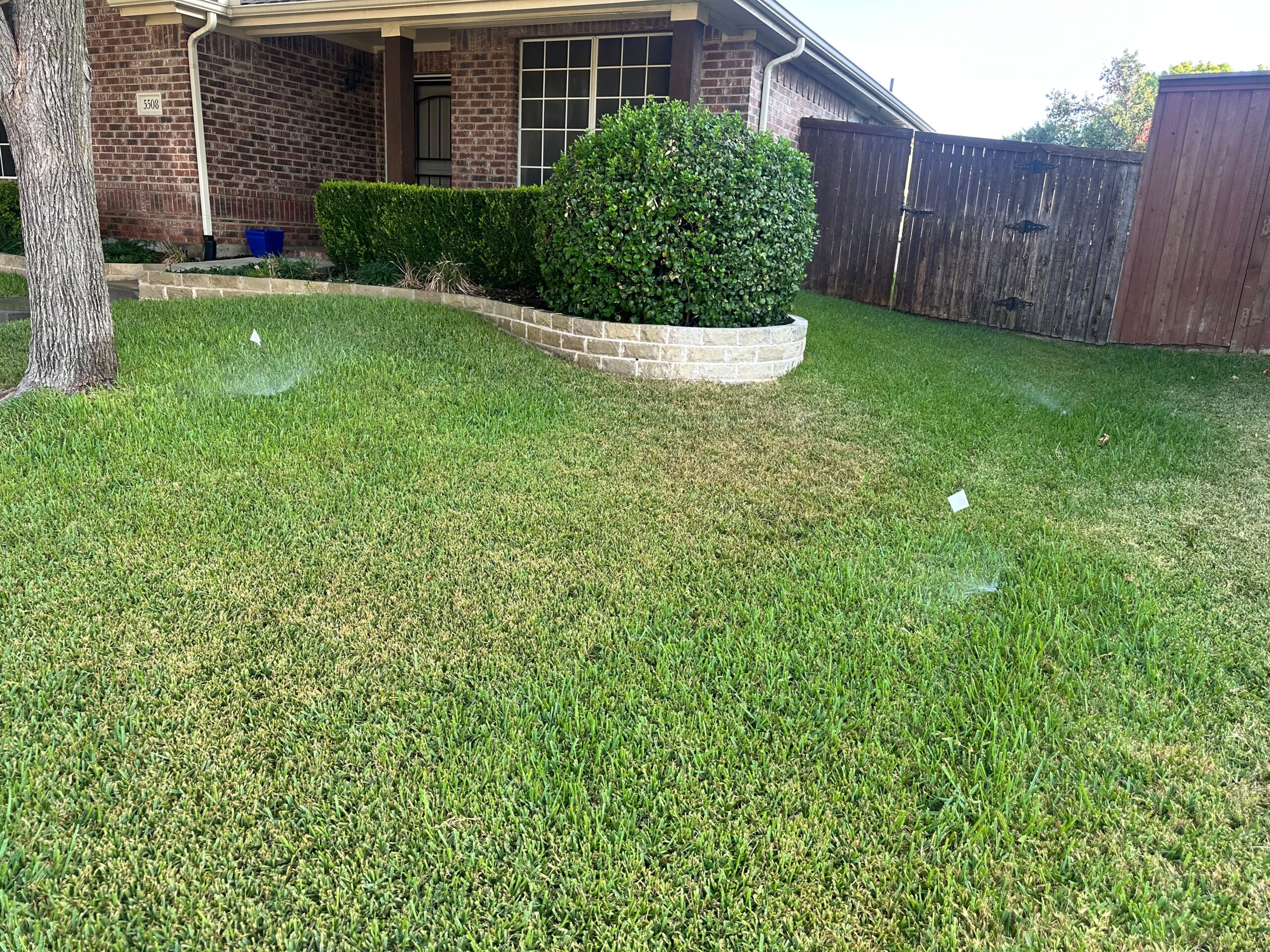
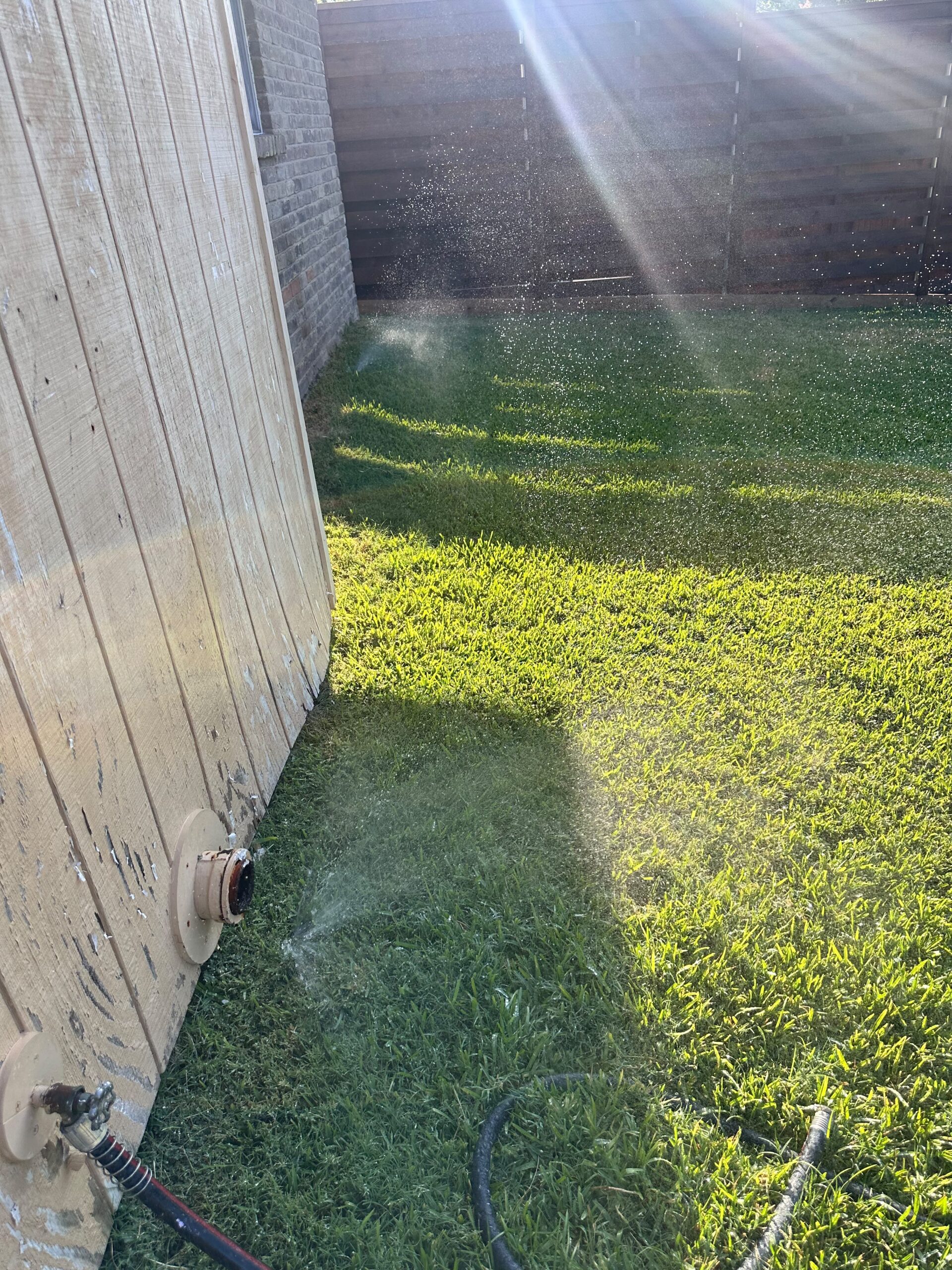
A sprinkler inspections in McKinney TX is one of the most effective ways homeowners can identify irrigation problems before they become expensive repairs. While many sprinkler systems appear to function properly on the surface, hidden issues can develop underground, within sprinkler heads, valves, controllers, and piping. Over time, these problems may lead to water waste, landscape damage, higher utility bills, and costly system failures.
The climate in McKinney often requires irrigation systems to work consistently throughout much of the year. As a result, normal wear and tear can gradually impact system performance. Routine inspections allow property owners to detect concerns early, improve water efficiency, and maintain healthy lawns and landscapes.
In this article, we’ll explore the most common problems a professional sprinkler inspection can identify before they become major issues.
Hidden Underground Leaks
One of the most significant issues discovered during an inspection is an underground leak. These leaks often remain unnoticed because they occur beneath the soil surface where they are difficult to see.
Even a small leak can waste a substantial amount of water over time. Signs of underground leaks may include:
- Unusually wet areas in the yard
- Standing water after irrigation cycles
- Soft or muddy spots
- Increased water bills
- Uneven turf growth
Inspectors evaluate system pressure and monitor irrigation zones to identify signs of concealed leaks before they cause extensive landscape damage. Homeowners can also learn more about water conservation through the WaterSense program.
Damaged Sprinkler Heads
Sprinkler heads are exposed to weather conditions, lawn equipment, foot traffic, and natural ground movement. Over time, these factors can cause sprinkler heads to crack, tilt, clog, or break entirely.
During an inspection, professionals check for:
- Broken nozzles
- Clogged spray patterns
- Misaligned heads
- Damaged seals
- Improper rotation
When sprinkler heads malfunction, water distribution becomes uneven. Some areas may receive excessive watering while others remain dry. Catching these problems early helps preserve landscape health and improve irrigation efficiency.
Valve Malfunctions
Valves control the flow of water throughout the irrigation system. When valves begin to fail, multiple issues can arise.
A sprinkler inspection may reveal:
- Valves stuck open
- Valves that fail to open
- Electrical connection problems
- Internal component wear
- Debris obstructing operation
Faulty valves can cause zones to run continuously or fail to operate altogether. Early detection prevents water waste and helps ensure every irrigation zone functions properly.
Pressure Imbalances
Proper water pressure is essential for effective irrigation. Too much pressure can damage sprinkler components, while insufficient pressure may prevent adequate coverage.
Inspectors often evaluate pressure levels to identify:
- Excessively high pressure
- Pressure loss from leaks
- Blockages within pipes
- Regulator failures
- Zone-specific performance issues
According to the Irrigation Association, maintaining proper system pressure plays a major role in irrigation efficiency and long-term equipment performance.
Controller Programming Errors
Modern sprinkler systems rely on controllers to manage watering schedules. However, controller settings can become outdated or improperly configured.
An inspection often uncovers issues such as:
- Excessive watering schedules
- Incorrect seasonal settings
- Overlapping start times
- Failed controller components
- Battery backup issues
Programming mistakes may go unnoticed for months while causing unnecessary water consumption. Regular inspections ensure schedules align with seasonal landscape needs.
Clogged Nozzles And Filters
Sprinkler nozzles and filters can accumulate dirt, debris, sediment, and mineral deposits over time. These obstructions interfere with water distribution and reduce system effectiveness.
Professional inspections help identify:
- Restricted water flow
- Uneven spray patterns
- Reduced coverage areas
- Excessive runoff
- Poor system efficiency
Cleaning or replacing clogged components early helps maintain consistent irrigation performance throughout the property.
Pipe Deterioration
Irrigation pipes naturally experience wear over time due to soil movement, temperature fluctuations, root intrusion, and aging materials.
Early signs of pipe deterioration include:
- Minor leaks
- Pressure inconsistencies
- Wet soil areas
- Reduced zone performance
- Water pooling
Routine inspections can identify vulnerable sections before complete pipe failures occur. This proactive approach minimizes repair costs and prevents extensive landscape disruption.
Coverage Gaps And Dry Spots
An efficient irrigation system should provide uniform water coverage across all landscaped areas. Unfortunately, system changes, plant growth, and equipment wear can create coverage gaps.
Inspectors evaluate:
- Sprinkler spacing
- Spray overlap
- Water distribution patterns
- Obstructions affecting coverage
- Landscape growth interference
Detecting coverage problems early helps maintain healthy grass, shrubs, flowers, and trees while reducing unnecessary water usage.
Overspray Problems
Overspray occurs when sprinkler heads direct water onto sidewalks, driveways, fences, roads, or structures instead of landscaped areas.
This common issue often results from:
- Misaligned sprinkler heads
- Excessive pressure
- Improper nozzle selection
- Damaged spray components
Overspray wastes water and may contribute to erosion, staining, and slippery surfaces. A professional inspection can quickly identify and correct these inefficiencies.
Additional information about efficient landscape watering practices can be found through the Texas A&M AgriLife Extension.
Root Intrusion Problems
Tree roots naturally seek water sources. As roots expand underground, they may infiltrate irrigation lines and cause significant damage.
An inspection can reveal:
- Root-related pipe damage
- Restricted water flow
- Pressure fluctuations
- Recurring leaks
- Pipe displacement
Addressing root intrusion early helps avoid extensive excavation and expensive repairs later.
Electrical System Issues
Most automatic sprinkler systems depend on electrical components to operate properly. Problems with wiring or electrical connections can cause inconsistent performance.
Common electrical issues discovered during inspections include:
- Damaged wiring
- Corroded connections
- Faulty solenoids
- Controller communication failures
- Power supply interruptions
Identifying electrical concerns before complete system failure helps maintain reliable irrigation operation throughout the year.
Backflow Prevention Device Concerns
Backflow prevention devices protect potable water supplies from contamination. Because these devices play a critical safety role, they should be inspected regularly.
Potential problems include:
- Valve deterioration
- Leaks around fittings
- Internal component wear
- Pressure-related issues
- Regulatory compliance concerns
Regular inspections help ensure the irrigation system continues operating safely and effectively.
Seasonal Wear And Weather Damage
Weather conditions in McKinney can affect irrigation systems throughout the year. Heat, freezing temperatures, heavy rainfall, and soil movement all contribute to gradual wear.
During inspections, professionals look for:
- Cracked components
- Weather-related deterioration
- Soil shifting effects
- Freeze damage
- UV-related material degradation
Identifying weather-related issues early helps prevent larger failures during peak irrigation seasons.
Inefficient Water Usage
One of the most valuable benefits of a sprinkler inspection is identifying inefficiencies that increase water consumption.
Common causes include:
- Leaks
- Overspray
- Improper scheduling
- Pressure issues
- Equipment deterioration
The City of McKinney encourages responsible water use, making efficient irrigation systems increasingly important for homeowners.
Reducing water waste not only lowers utility costs but also supports long-term environmental sustainability.
Landscape Health Concerns
Sprinkler inspections provide benefits beyond simply checking irrigation equipment. They help identify watering patterns that may affect the overall health and appearance of your landscape. During an inspection, professionals assess areas that may be receiving too much or too little water, look for signs of turf stress, evaluate declining plants, and identify potential soil drainage problems.
These issues can often go unnoticed until they cause visible damage to lawns, gardens, or landscaping features. By detecting and addressing such concerns early, property owners can improve water efficiency, promote healthier plant growth, and maintain a more attractive outdoor environment. Regular inspections also help prevent costly plant replacements and reduce the risk of long-term landscape damage caused by improper irrigation practices.
Why Early Detection Matters
Waiting until visible sprinkler problems appear can often lead to more extensive and costly repairs. Many irrigation system issues develop slowly and become more serious over time when left unchecked. Detecting problems early helps homeowners avoid unnecessary expenses, reduce water waste, maintain a healthier and more attractive landscape, and improve overall irrigation efficiency.
Regular inspections also help extend the lifespan of irrigation components, prevent unexpected system failures, and support long-term property value. By identifying and addressing minor issues before they escalate, homeowners can protect their irrigation investment while ensuring their lawn and landscape continue to receive proper and consistent watering.
Conclusion
A sprinkler inspections in McKinney TX can uncover a wide range of hidden irrigation issues long before they lead to significant damage or expensive repairs. From underground leaks and damaged sprinkler heads to pressure problems, valve failures, controller errors, and inefficient water usage, early detection helps homeowners maintain reliable irrigation performance while protecting their landscapes.
For professional assistance with your irrigation system, contact Whale Done Sprinklers & Irrigation. Their experienced team can help identify potential concerns, improve system efficiency, and ensure your landscape receives proper irrigation year-round.
Business Name: Whale Done Sprinklers & Irrigation
Phone: +1 (469) 384-7767
Email: clientsupport@callwhaledone.com
Scheduling a sprinkler inspection in McKinney TX is a smart investment that can help prevent costly repairs, conserve water, and support a healthier, more attractive landscape.