If you live in Collin County and have been told you need a sprinkler valve replaced, your first thought is probably:
“How much is this going to cost?”
That’s a fair question — but when it comes to sprinkler valves, the more important question is:
“Is this being fixed the right way, or just patched?”
Because in North Texas, valve repairs done the wrong way tend to come back.
What a Sprinkler Valve Actually Does
A sprinkler valve is the control center for each zone in your irrigation system.
It tells water when to turn on, when to shut off, and how smoothly that zone runs.
When a valve starts to fail, Collin County homeowners often notice:
- A zone that won’t shut off
- A zone that won’t turn on
- Weak or inconsistent watering
- Water running even when the system is off
- A rising water bill without an obvious leak
Valve issues aren’t cosmetic — they directly affect water usage, system reliability, and long-term performance.
Why Valve Replacement Is More Than a Simple Swap in North Texas
From the outside, replacing a sprinkler valve can sound simple.
In reality, in Collin County and across North Texas, it’s rarely just a part change.
Local conditions play a big role:
- Expansive clay soil that shifts with moisture
- Pressure fluctuations that vary by neighborhood
- Aging builder-grade manifolds in many 5–15 year old homes
- Stress from past freezes and temperature swings
When one valve fails, nearby fittings and connections are often already under strain.
A proper valve replacement usually includes:
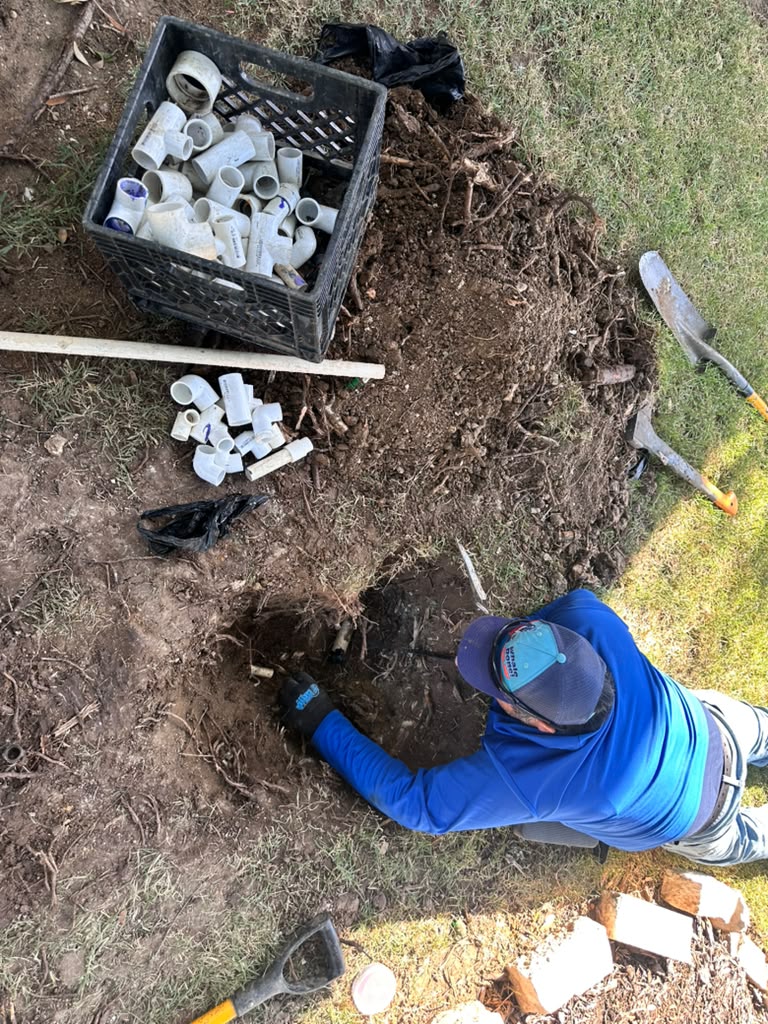
- Locating and exposing the valve (often buried or shifted)
- Rebuilding stressed connections around the valve
- Verifying wiring and electrical operation
- Testing pressure and zone performance
- Ensuring the repair won’t create the next failure
That’s why valve replacement is considered a system-level repair, not a quick fix.
So… What Does It Usually Cost in Collin County?
For a professional sprinkler company serving Collin County to replace a sprinkler valve properly, you’ll often see a general range of:
$600–$1,000
This range isn’t meant to pin down an exact price.
It’s simply a realistic expectation for a full, professional valve replacement done correctly.
The difference in cost usually comes down to the type of company you choose to work with, not the valve itself.
Some companies focus on:
- Full diagnostics
- Rebuilding stressed connections
- Testing wiring and pressure
- Standing behind the repair with a real warranty
Others may:
- Replace only the failed valve
- Skip system-level checks
- Leave aging fittings in place
- Offer little or no warranty
Both may say they “replaced the valve,” but the scope — and long-term outcome — are very different.
Lower prices often reflect a limited repair approach, not a better value.
What You’re Really Paying For
The valve itself isn’t expensive.
What you’re paying for is:
- Proper diagnosis
- Skilled labor and careful rebuilding
- Reinforced connections designed to handle North Texas soil movement
- Electrical verification
- Pressure testing
- Peace of mind through warranty coverage
In short, you’re paying for confidence and longevity, not just a repair.
Why Valve Problems Often Come Back in North Texas
Many valve failures are symptoms, not root causes. Common underlying issues in Collin County include:
High water pressure stressing valve seals
Excessive water pressure can place significant strain on the seals within your sprinkler valves. Over time, this constant pressure can cause the seals to wear down, crack, or fail completely, leading to leaks, inefficient irrigation, and potential damage to the entire system if not addressed promptly.
Electrical issues causing partial opening or closing
Sprinkler valves rely on electrical signals from the controller to operate correctly. Faulty wiring, damaged solenoids, or power surges can prevent valves from opening or closing fully. This can result in uneven watering, wasted water, and stress on the system components, requiring careful diagnosis and timely repair by professionals.
Debris in the irrigation lines
Leaves, dirt, sand, and other debris can enter irrigation lines, clogging valves and nozzles. Blockages reduce water flow, cause uneven distribution, and may force valves to work harder than intended. Regular system flushing and cleaning are essential to maintain optimal performance and prevent long-term damage to valves and pipes.
Soil movement shifting fittings
Natural soil movement caused by settling, heavy rains, or landscaping changes can shift irrigation fittings. Misaligned or loose connections stress valves and pipes, causing leaks or system malfunctions. Proper installation, periodic inspections, and adjustments help maintain system integrity and prevent costly repairs caused by shifting soil.
Freeze damage from previous winters
Freezing temperatures can cause residual water in sprinkler lines or valves to expand, cracking components and weakening seals. Even after the thaw, these hidden damages may lead to leaks or malfunctions in the following season. Winterization and timely repair are crucial to prevent ongoing issues caused by freeze damage.
Replacing the valve without addressing these factors is how homeowners end up replacing the same valve again — or dealing with another failure nearby.
Quick Fix vs. Proper Valve Replacement
Quick Fix
- Replace only the failed valve
- Leave aging fittings in place
- Minimal testing
- Lower upfront cost
- Higher chance of repeat issues
Proper Valve Replacement
- Diagnose why the valve failed
- Rebuild stressed connections
- Verify wiring and pressure
- Test the entire zone after repair
- Include a meaningful warranty
One feels cheaper today.
The other protects you long-term.
The Bottom Line for Collin County Homeowners
When a sprinkler valve is replaced correctly, you’re not paying for a part — you’re investing in:
- Reliability
- Fewer future repairs
- Reduced water waste
- Long-term system health
- Peace of mind
In a region like Collin County, where soil movement and pressure changes are common, a valve replacement done right should be a one-and-done repair, not a recurring problem.
The goal isn’t the lowest price — it’s the right fix, done once.
Frequently Asked Questions
How much does it cost to replace a sprinkler valve in Collin County?
Most professional sprinkler companies in Collin County charge roughly $600–$1,000 for a proper valve replacement. This range reflects a full repair approach, not just swapping a part.
Why is sprinkler valve replacement expensive?
The cost is driven by diagnostics, labor, rebuilding connections, testing, and warranty — not the valve itself. Proper replacement prevents repeat failures.
Can a plumber replace a sprinkler valve?
While plumbers can work on water systems, most are not regularly practiced in irrigation systems and often prefer not to handle sprinkler valve diagnostics.
Are sprinkler valves regulated or licensed?
In North Texas, sprinkler system work involving valves, wiring, pressure regulation, or backflow is typically intended to be performed by licensed sprinkler professionals.
How do I know if my sprinkler valve is bad?
Common signs include zones that won’t shut off, zones that won’t turn on, weak pressure, or water running when the system is off.
Is it worth fixing a sprinkler valve or should I replace the system?
In most cases, replacing a valve correctly is far more cost-effective than replacing the system. Proper repairs extend system life significantly.
Why do sprinkler valves fail more often in North Texas?
Clay soil movement, pressure fluctuations, aging components, and freeze stress all contribute to valve failure in this region.
Conclusion
For homeowners in Collin County, replacing a sprinkler valve is more than just swapping a part — it’s about ensuring long-term system reliability and efficiency. Proper valve replacement addresses root causes like high water pressure, soil movement, debris, electrical issues, and freeze damage, preventing recurring problems and wasted water. While upfront costs may seem higher, investing in a professional, system-level repair provides peace of mind, reduces future maintenance, and extends the life of your irrigation system. For expert assistance, contact Whale Done Sprinklers & Irrigation at +1 (469) 384-7767 or clientsupport@callwhaledone.com.