Sometimes yes, and sometimes a quick fix at the controller solves it — that’s why it’s worth checking a few things before assuming you need sprinkler system repair in Celina TX. In most cases, a zone that won’t shut off is caused by a stuck valve, debris trapped inside the valve, a wiring issue, or a controller programming problem. A few of these you can check yourself. Others require opening the valve or testing electrical components, which is where a licensed irrigation technician comes in.
This article walks through why it happens, what to check first, and when the issue is serious enough to call a professional.
At a Glance
- Difficulty: Easy to moderate (depends on the cause)
- Estimated Time: 10 minutes to diagnose; 30–60 minutes to repair
- Tools Needed: Small flathead screwdriver, garden gloves, sometimes a multimeter
- Works For: Stuck valves, debris blockages, minor wiring issues
- May Not Solve: Cracked valve diaphragms, solenoid failure, controller board damage, or wiring shorts underground
Why a Sprinkler System Repair in Celina TX Zone Keeps Running
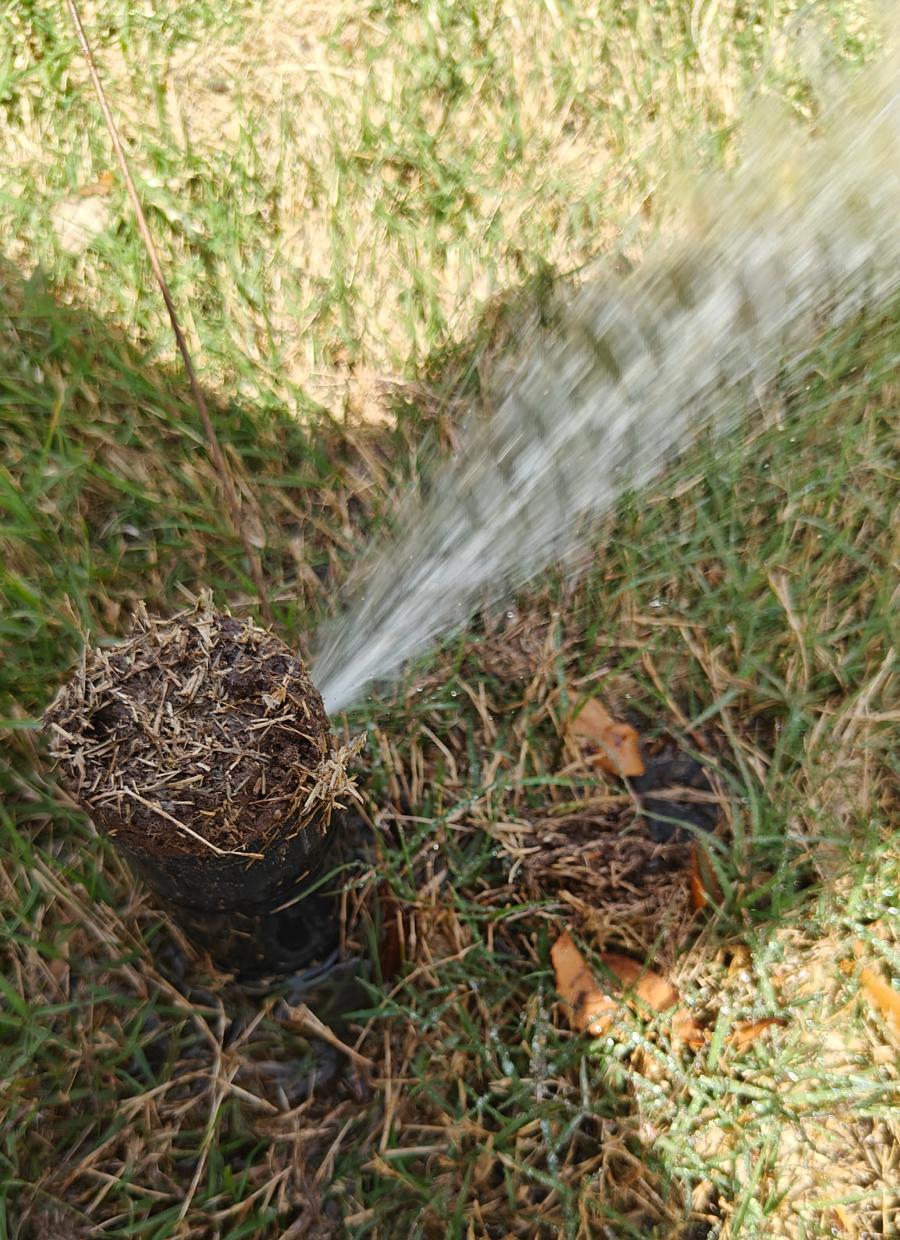
Each irrigation zone is controlled by a valve that opens and closes based on a signal from the controller. When that valve gets stuck open, or the controller keeps sending a signal by mistake, water keeps flowing even after the scheduled run time ends.
A few things typically cause this:
- Debris (dirt, sand, or small rocks) is caught inside the valve, holding it open
- The rubber diaphragm inside the valve has torn or worn out
- The solenoid — the small electrical component that opens and closes the valve — has failed
- A wiring short is sending a constant signal to the valve
- The controller itself has a programming or hardware glitch
Clay soil is common throughout Celina, and fine sediment can work its way into a valve over time, especially in older systems. That’s one reason this issue shows up more often in established neighborhoods.
Step-by-Step: What to Check First
1. Check the Controller Settings
Look at the controller and confirm the affected zone doesn’t have an unusually long run time or a manual program still active. Sometimes a stuck button or accidental setting change is the actual cause, not the valve at all.
2. Turn Off the Controller and Watch the Zone
Turn the controller off completely. If water keeps flowing, the problem is mechanical, meaning the valve itself is stuck open rather than being told to run.
3. Locate the Valve Box
Valve boxes are usually green plastic lids set into the ground, often grouped near the front or side of the yard. Each valve typically controls one zone.
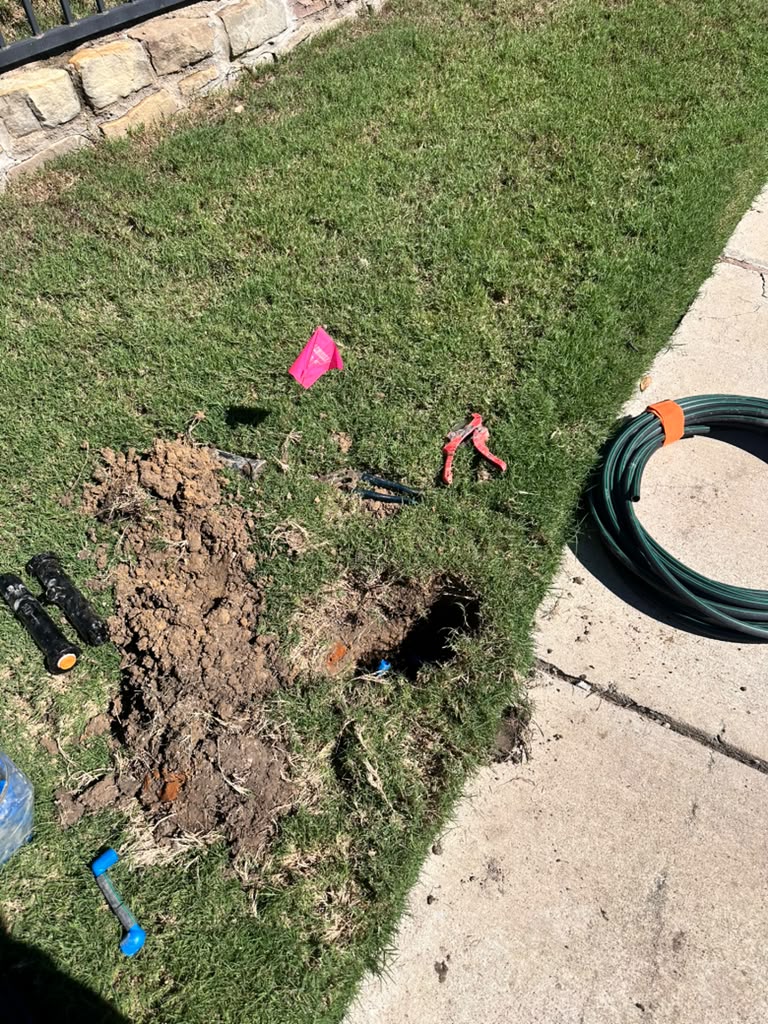
4. Open the Valve and Check for Debris
With the water supply off, the valve can be opened to check for trapped debris. Rinsing out dirt or sediment resolves the issue in some cases.
5. Inspect the Diaphragm
If the diaphragm looks torn, warped, or brittle, it will need to be replaced. This is a simple part but requires disassembling the valve correctly.
6. Test the Solenoid
A multimeter can confirm whether the solenoid is receiving and holding a signal properly. A failed solenoid usually needs replacement rather than repair.
If none of these steps solve the problem, the issue is likely deeper in the wiring or the valve assembly, and that’s typically when sprinkler system repair in Celina TX becomes necessary.
Common Mistakes Homeowners Make
- Turning off the entire system instead of diagnosing the zone. This stops the water but doesn’t identify the cause.
- Forcing the valve solenoid closed by hand. This can damage the internal components further.
- Assuming it’s always a controller issue. Many homeowners replace batteries or reset the controller without checking the valve itself.
- Ignoring it because “it’s just one zone.” A stuck-open valve can waste hundreds of gallons of water per day and increase water bills significantly.
- Digging around the valve box aggressively. Irrigation lines are shallow, and careless digging can damage wiring for other zones.
Local Considerations for Celina, TX
A few things specific to this area affect how often this problem shows up and how it should be handled:
- Clay soil shifts with moisture changes and can put pressure on valve boxes and lines, sometimes causing cracks that let debris in.
- Summer heat causes rubber components like diaphragms and seals to dry out and crack faster than in milder climates.
- Seasonal watering restrictions set by local municipalities make it especially important to fix a stuck valve quickly, since a zone running outside its scheduled window can violate watering ordinances.
- Foundation movement common in North Texas can sometimes shift or expose shallow irrigation lines near the home, leading to wiring issues at the valve.
Homeowners in Celina should check their city’s current watering schedule to confirm a stuck zone isn’t accidentally running on a restricted day. The Texas Commission on Environmental Quality (TCEQ) publishes statewide water conservation guidance that many North Texas cities follow.
Related Problems That Look Similar
If checking the valve doesn’t explain the issue, a few other problems can look identical from the surface:
- Low water pressure in other zones, which can indicate a leak elsewhere in the system
- Controller wiring problems, where a short is sending current to more than one zone at once
- A cracked mainline, which can cause water to surface near a valve box even when that valve is functioning correctly
- Backflow preventer issues, which sometimes mimic a stuck-zone symptom if water is bypassing normally
If you’re also noticing soggy patches in the yard away from the valve box, it may be worth reviewing our guide on identifying underground irrigation leaks before assuming the valve is the only issue.
Frequently Asked Questions
Why does only one zone keep running, but the rest turn off normally?
This almost always points to that specific valve rather than the controller, since a controller-wide issue would usually affect more than one zone.
Can I just shut off the valve manually and leave it that way?
Temporarily, yes. Most valves have a manual shutoff that stops water flow while you plan a repair. This isn’t a permanent fix, but it prevents water waste in the meantime.
Is this covered under a manufacturer’s warranty?
Some valve and controller brands offer limited warranties on parts, but labor for diagnosis and replacement is typically not included. Checking the manufacturer’s documentation will clarify what’s covered.
How much water does a stuck zone actually waste?
Depending on the number of heads and water pressure, a single zone can run through several hundred gallons per hour. The WaterSense program from the EPA notes that a small irrigation leak or malfunction can waste thousands of gallons over just a few weeks if left unaddressed.
Do I need a professional, or can this be a DIY fix?
Debris removal and basic diaphragm swaps are within reach for many homeowners comfortable working with irrigation parts. Solenoid replacement, wiring diagnostics, and valve assembly issues are usually better handled by a licensed technician, since mistakes can affect other zones on the same system.
Bottom Line
A single zone that won’t shut off is usually caused by a stuck or debris-filled valve, a worn diaphragm, a failed solenoid, or a wiring issue at the valve itself, rather than a problem with the entire irrigation system. Clay soil, summer heat, and aging rubber components make this a fairly common issue for homeowners in Celina and across North Texas. Some of these causes, like debris buildup or a simple controller setting, can be checked and resolved without any special tools or experience.
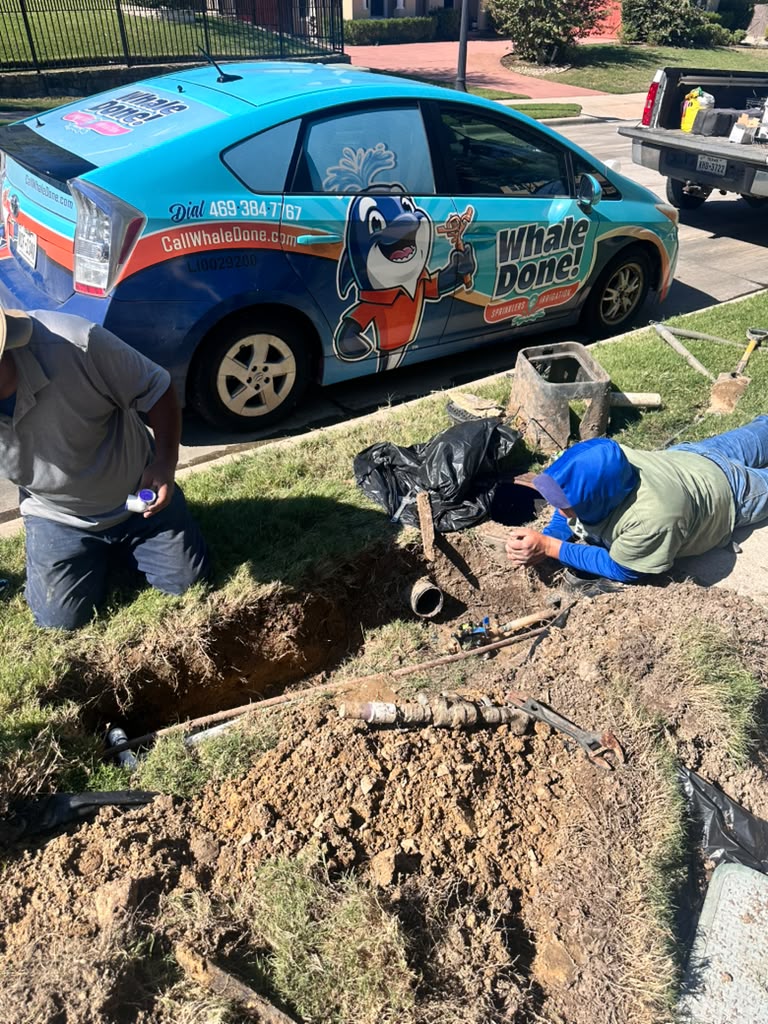
Others, particularly a failed solenoid or a wiring short, are harder to diagnose safely without opening the valve or testing the electrical connection. When the cause isn’t obvious after basic troubleshooting, or the valve needs to be disassembled and tested, it’s a reasonable time to consider sprinkler system repair in Celina TX from a licensed irrigation professional who can confirm the issue without unnecessary part replacement.
Next Step
If you’ve already checked the controller settings, turned the system off completely, and confirmed the valve is still stuck open, or if your wiring tests weren’t conclusive, it’s worth bringing in a second set of eyes. A licensed sprinkler technician has the tools and experience to pinpoint the exact cause quickly, whether it’s a failed solenoid, a cracked diaphragm, or a wiring short somewhere along the line.
This saves homeowners from guessing, replacing parts that weren’t actually the problem, or accidentally causing further damage while trying to access the valve. A short diagnostic visit is often enough to identify the issue and outline straightforward next steps, without any pressure to replace more than what’s actually needed.
Related Resources
- How to Adjust Sprinkler Heads for Better Coverage
- Signs of an Underground Irrigation Leak
- Understanding Your Sprinkler Controller Settings
- Seasonal Sprinkler Maintenance for North Texas Lawns
Conclusion
A sprinkler zone that won’t shut off usually traces back to a stuck valve, trapped debris, or a wiring problem, not a system-wide failure. Many homeowners can check the controller and valve box themselves before calling anyone. If the issue persists after basic troubleshooting, it’s a good sign that professional sprinkler system repair in Celina TX can save water, protect your yard, and get the zone running correctly again. Reach out to a licensed local technician for an honest diagnosis.