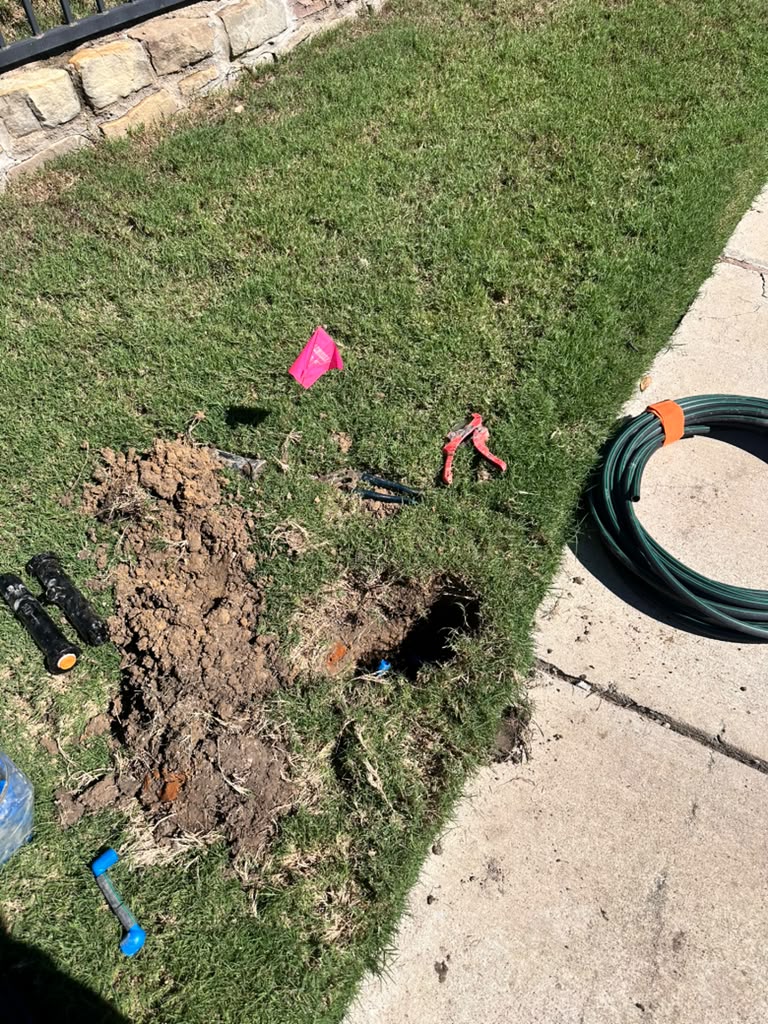
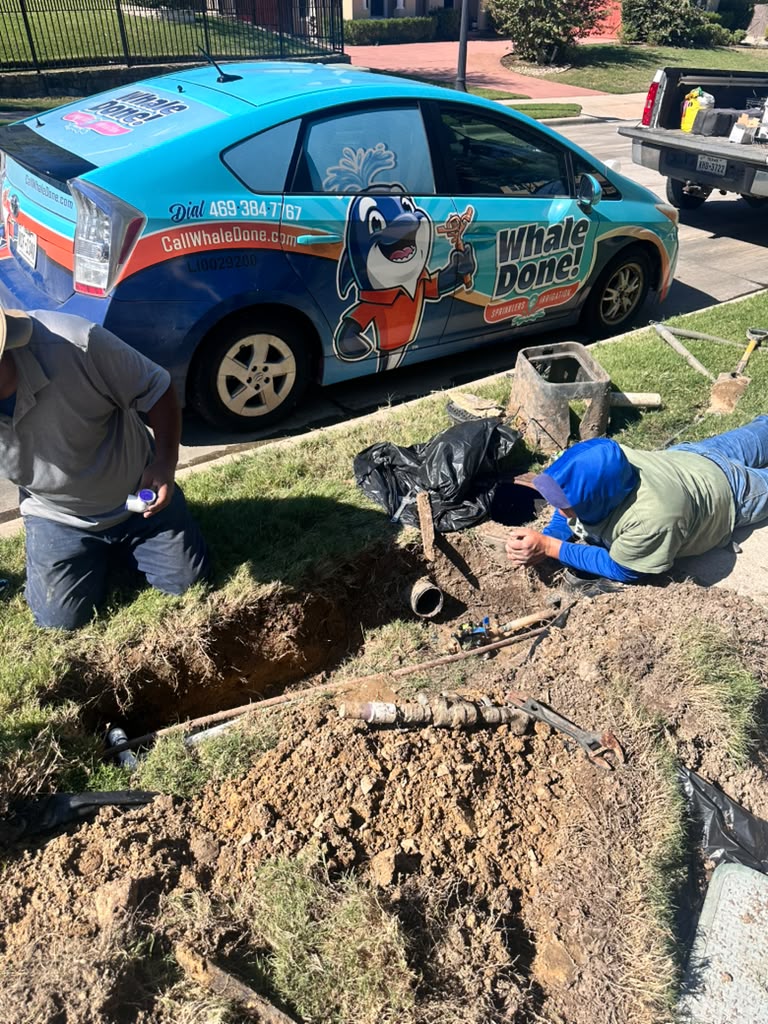
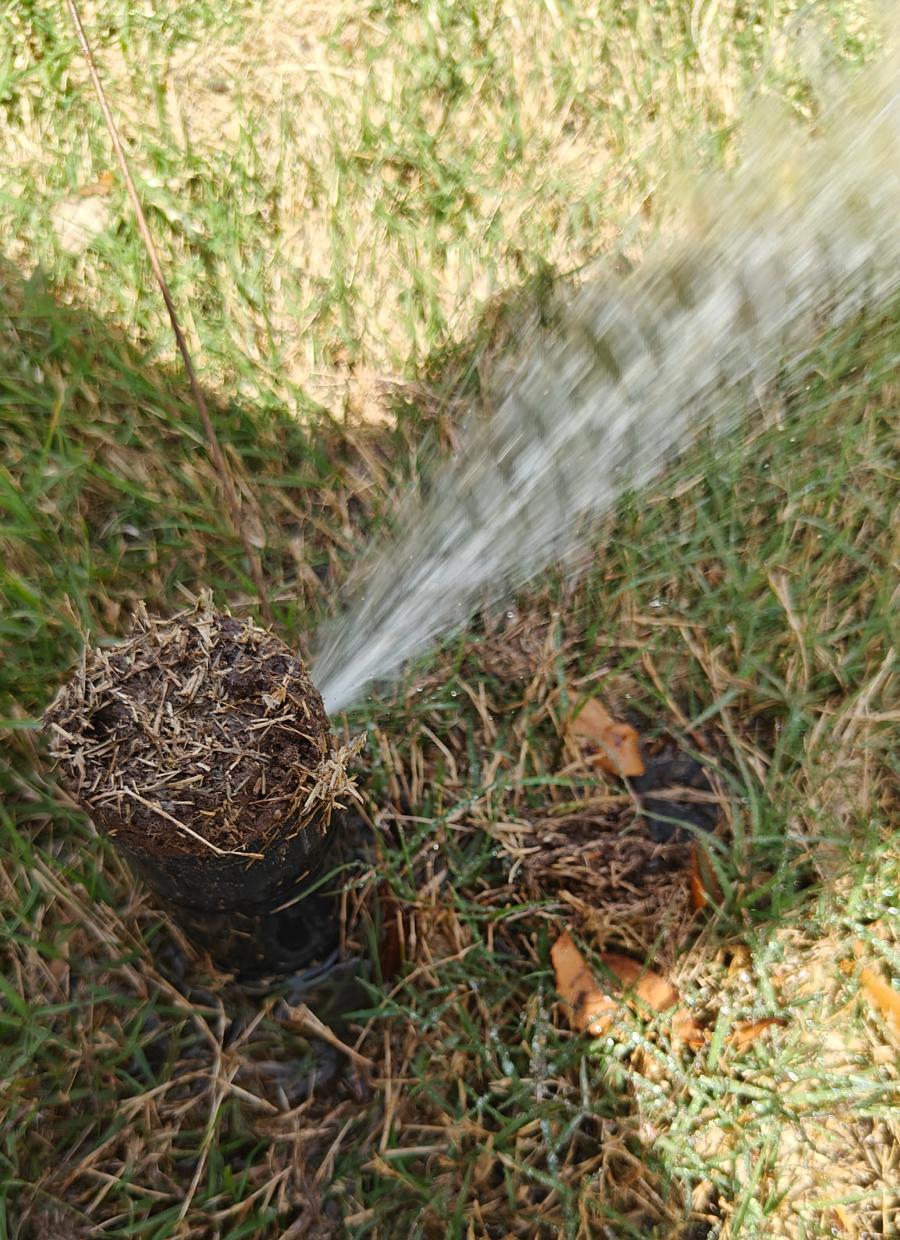
Sprinkler valve repair in Plano TX is typically needed when a valve gets stuck open or closed, develops a leak, or stops responding to the controller due to debris, age, or an electrical issue. A valve is one of the hardest-working parts of an irrigation system, opening and closing every time a zone runs, which means wear over time is normal. Repair becomes necessary when a valve causes a zone to run continuously, fail to water at all, or leak water even when the system is off. Catching these signs early prevents wasted water and keeps the rest of the system running on schedule.
At A Glance
- Difficulty: Moderate to advanced (valve diagnostics and replacement often require professional experience)
- Estimated Time: 30–90 minutes per valve depending on accessibility and the extent of the issue
- Tools Needed: Valve key, screwdriver, multimeter, replacement diaphragm or solenoid, PVC fittings if needed
- Works For: In-ground sprinkler systems using electric or manual zone valves
- May Not Solve: Issues caused by low municipal water pressure or problems with the main water line itself
What Causes Sprinkler Valve Problems
Valves control the flow of water to each zone, and because they operate every time the system runs, they’re one of the more failure-prone components over the life of a system. Several common issues tend to cause most valve problems.
A single valve can open and close thousands of times over its lifespan, since it activates every time its zone runs, often daily during peak summer watering. That repeated mechanical action, combined with exposure to debris and water pressure, is why valves tend to show wear sooner than components like piping.
1. Debris Trapped In The Valve
Dirt, sand, or small pieces of plastic can get trapped inside a valve, preventing it from closing fully. This is one of the most common causes of a “stuck open” valve that keeps a zone watering continuously.
Debris often enters the system through the water supply itself, especially in areas with older municipal lines or during periods of nearby construction that stir up sediment.
2. A Worn Or Torn Diaphragm
The diaphragm inside a valve controls water flow by opening and closing with pressure changes. Over time, this rubber or synthetic component can wear out, tear, or become brittle, leading to leaks or a valve that won’t open properly.
Because the diaphragm is a wear item by design, replacing it periodically is often a normal part of long-term valve maintenance rather than a sign of a larger system problem.
3. A Failing Solenoid
The solenoid is the electrical component that tells the valve to open when the controller sends a signal. A failing solenoid can prevent a zone from running at all, even though the valve itself is otherwise in good condition.
A quick way to check this is listening for a faint click at the valve box when the zone is activated manually through the controller, which usually indicates the solenoid is receiving power correctly.
4. Wiring Issues
Damaged, corroded, or loose wiring between the controller and the valve can cause intermittent failures that look like a valve problem but are actually an electrical issue.
This is more common in older systems or in areas where wire splices weren’t properly sealed against moisture, allowing corrosion to develop gradually underground.
5. Age And General Wear
Most valves are built to last 10–20 years, but constant use, water quality, and soil conditions can shorten that lifespan. An older valve is simply more likely to fail than a newer one.
Tracking roughly when a system was installed can help homeowners anticipate when valve issues are more likely to start appearing, rather than being caught off guard.
6. High Water Pressure
Consistently high pressure puts extra strain on valve components, increasing the chances of a diaphragm tear or a valve that doesn’t seal completely.
Installing a pressure regulator can help extend the lifespan of valves and other components by keeping pressure within a safer, more consistent range.
Signs A Valve Needs Repair
Recognizing the signs early makes it easier to catch a valve problem before it wastes significant water.
- A zone runs continuously, even after the scheduled cycle should have ended.
- A zone doesn’t turn on at all when the controller sends the signal.
- Water is heard running or seen leaking from the valve box even when the system is off.
- A zone waters weakly or unevenly compared to how it normally performs.
- The controller shows an error or the zone fails to respond during a manual test.
How Sprinkler Valve Repair In Plano TX Typically Works
Valve repair generally follows a clear diagnostic process to isolate the actual cause before any parts are replaced.
- Initial diagnosis: The valve is tested manually and electrically to determine whether the issue is mechanical, electrical, or debris-related.
- Valve box inspection: The valve is inspected for visible damage, debris, or signs of a leak inside the box.
- Component repair or replacement: Depending on the diagnosis, the diaphragm, solenoid, or the entire valve is repaired or replaced.
- Testing under pressure: The zone is run again to confirm the valve opens, closes, and seals properly before the repair is considered complete.
Common Mistakes Homeowners Make
- Assuming every valve issue means full replacement. Many valve problems are fixed by replacing a single component, like the diaphragm or solenoid, rather than the entire valve.
- Ignoring a valve that’s stuck slightly open. Even a small amount of continuous water flow adds up significantly over days and weeks.
- Overlooking wiring as a possible cause. A valve that seems to fail randomly may actually have a wiring issue rather than a mechanical one.
- Delaying repair because the zone still waters “okay.” A valve that’s beginning to fail often shows subtle signs, like weaker pressure, before failing completely.
- Not testing the valve manually before assuming it’s the controller. Manually opening a valve helps confirm whether the issue is with the valve itself or somewhere else in the system.
Local Considerations For Plano TX
Plano’s mix of established neighborhoods and newer developments affects how valve problems tend to show up:
- Clay soil, common throughout Plano, can shift over time and put stress on valve boxes and the connections around them.
- Older, established neighborhoods often have systems 15–20 years old, where valve components are more likely to be nearing the end of their expected lifespan.
- Summer heat increases valve usage significantly, since zones run more frequently and for longer periods during peak watering season.
- Water restrictions set by the City of Plano make it especially important to fix a stuck valve quickly, since continuous running can affect compliance with allowed watering days.
- Freeze risk in winter can cause valve components to crack if water isn’t properly drained before a hard freeze.
- Foundation movement, a known concern in North Texas clay soil, can be worsened by a stuck valve saturating one area of the yard unevenly.
Homeowners can review current outdoor watering guidance through the City of Plano’s water conservation page and general irrigation efficiency standards from the Irrigation Association.
Related Problems That Can Look Like A Valve Issue
Some symptoms resemble a valve problem but stem from a different cause, including:
- A leak in the pipe upstream or downstream of the valve
- Low water pressure from the municipal supply affecting multiple zones
- Controller programming errors causing a zone to run at the wrong time
- A failing backflow preventer affecting overall system pressure
Learn more in Whale Done’s guide to common sprinkler system problems.
Frequently Asked Questions
How do I know if my sprinkler problem is the valve or the controller?
Manually testing the valve at the valve box can help isolate the issue. If the valve opens and closes properly by hand but not through the controller, the issue is more likely electrical or controller-related.
Can a stuck valve be fixed without replacing the whole valve?
Often, yes. Debris can sometimes be cleared, and worn components like the diaphragm or solenoid can be replaced individually rather than replacing the entire valve.
How long do sprinkler valves typically last?
Most valves last 10–20 years depending on water quality, soil conditions, and how frequently the system runs.
What happens if a stuck valve is left unrepaired?
A valve stuck open can waste hundreds of gallons of water over just a few days, while a valve stuck closed leaves that zone without water entirely.
Is sprinkler valve repair in Plano TX different from other North Texas cities?
The repair process is similar throughout the region, but Plano’s mix of older established systems and newer developments means valve age and wear patterns can vary significantly by neighborhood.
Bottom Line
Valve problems are usually caused by debris, worn components, wiring issues, or general age-related wear, and most are fixable without replacing the entire irrigation system. Sprinkler valve repair in Plano TX addresses the specific cause, whether it’s a diaphragm, a solenoid, or a wiring issue, restoring proper function to the affected zone. Catching the signs early, like a zone that runs too long or doesn’t respond at all, keeps repairs simple and prevents ongoing water waste.
When Professional Help May Be Beneficial
Diagnosing whether a valve issue is mechanical, electrical, or debris-related often requires testing tools and experience most homeowners don’t have. A licensed sprinkler company can accurately identify the cause, repair or replace only the necessary component, and confirm the valve is functioning correctly under pressure before finishing the job. This kind of precise diagnosis helps avoid unnecessary part replacements and gets the affected zone back to normal watering as quickly as possible.
Related Resources
Conclusion & Next Step
Valve problems usually come down to debris, worn parts, wiring issues, or age, and most don’t require replacing the whole system. Sprinkler valve repair in Plano TX targets the exact cause, restoring the affected zone quickly and preventing further water waste. If a zone is running too long, not turning on, or leaking at the valve box, a licensed sprinkler company can diagnose and fix it accurately.