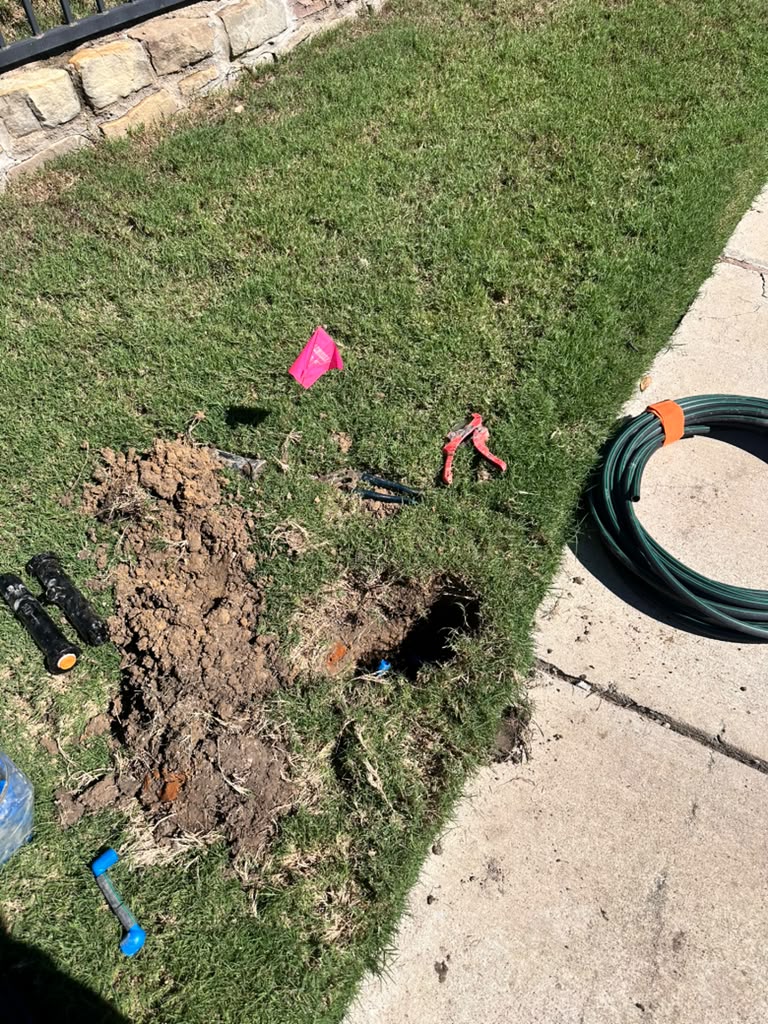
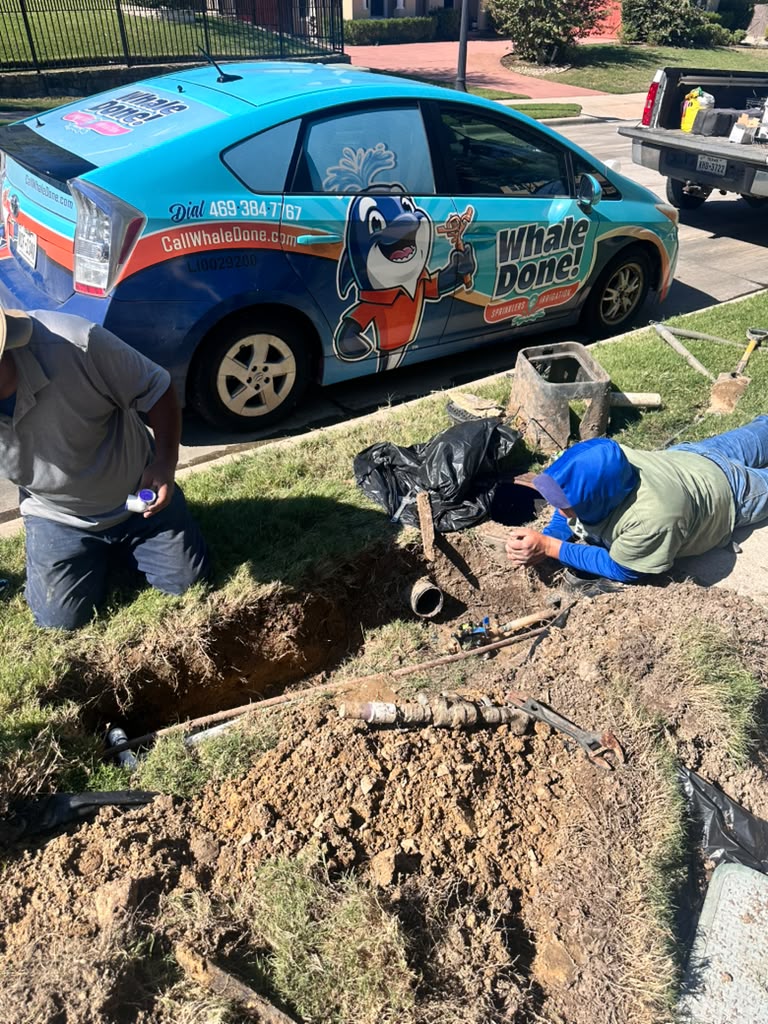
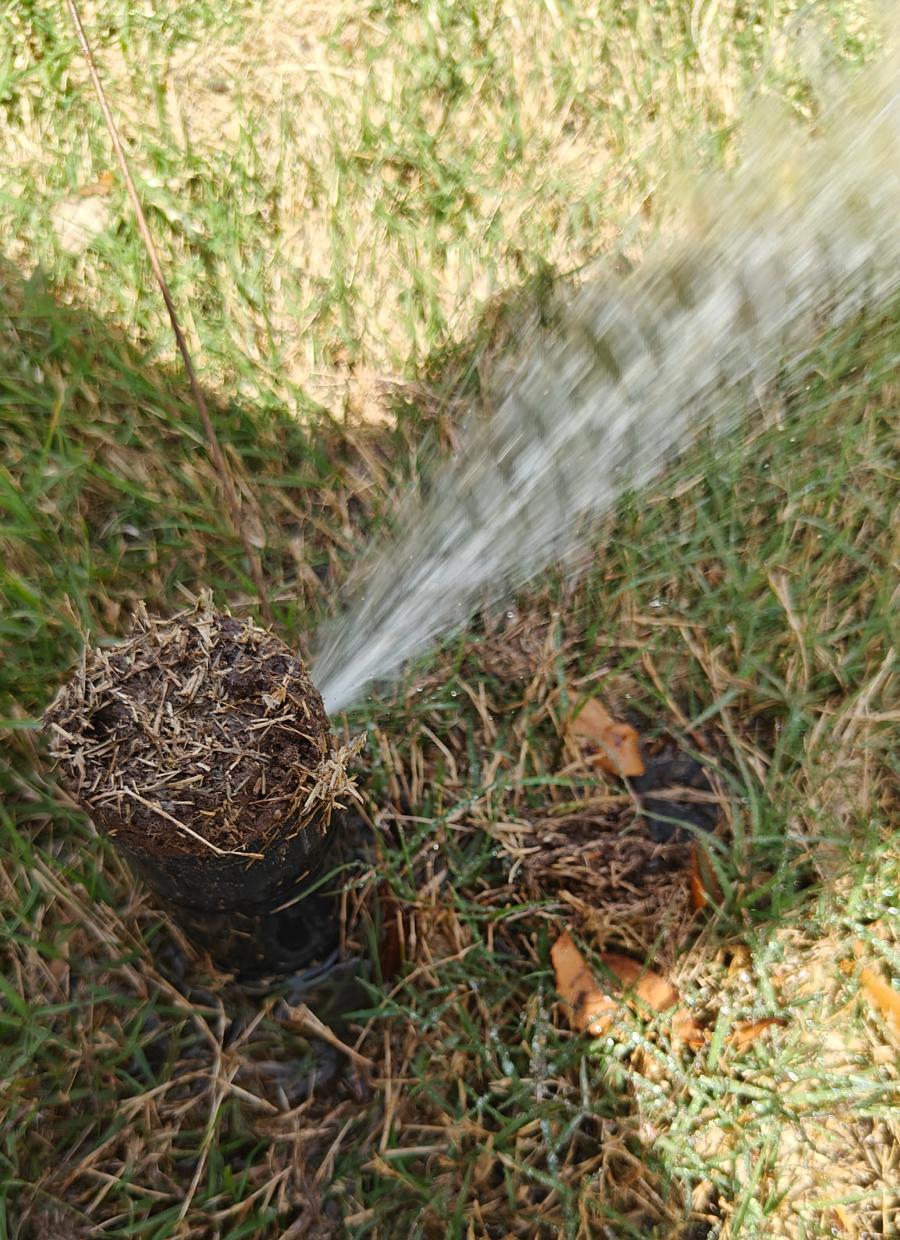
Fall sprinkler repair in Aubrey TX can fix uneven watering by correcting the small problems that build up over summer, such as clogged nozzles, misaligned heads, worn seals, and pressure loss. Cooler weather makes these issues easier to spot, because the lawn no longer masks dry patches with heat stress. Many of these fixes are simple adjustments a homeowner can handle, while others, like leaks or valve problems, are better left to a licensed professional.
This guide explains why watering becomes uneven in the fall, what to check yourself, and when a repair visit makes sense.
At a Glance
- Difficulty: Easy to moderate
- Estimated Time: 30–60 minutes for a full zone-by-zone check
- Tools Needed: Small screwdriver, adjustment tool, garden gloves, a few tuna cans or shallow containers
- Works For: Clogged nozzles, tilted heads, blocked spray, minor arc and distance problems
- May Not Solve: Underground leaks, failing valves, low system pressure, or damaged wiring
Why Watering Gets Uneven in the Fall
A sprinkler system runs hard from May through September. By October, the parts that took the most wear are ready to show it.
Common causes include:
- Nozzles clogged with sand, mineral buildup, or grass clippings
- Heads pushed out of alignment by mowing or foot traffic
- Heads that have sunk below grass level or tilted from shifting soil
- Cracked seals or damaged nozzles that spray weakly
- Pressure changes caused by a small leak or a partially open valve
Fall is also when overgrown grass and fallen leaves begin blocking spray patterns. Even a healthy head can look broken when its water is being stopped a few inches from the nozzle.
Signs Your Yard Is Being Watered Unevenly
You don’t need special equipment to spot the problem. Walk the lawn a day or two after watering and look for:
- Brown or yellow patches next to healthy green grass
- Soggy spots or standing water near a single head
- Streaky lines where spray is missing
- Sprinklers that mist heavily or barely reach the grass
- Heads that spray the sidewalk, driveway, or house instead of the lawn
Patterns matter. A single dry spot usually points to one head, while a whole strip of weak coverage often points to the zone itself. Writing down where the problem areas are, or snapping a quick photo, makes it much easier to compare results after each adjustment.
Step-by-Step: How to Check for Uneven Watering
1. Run Each Zone and Watch
Turn on one zone at a time and walk the area. Look for heads that don’t pop up fully, spray in the wrong direction, or produce a weak stream.
2. Clean the Nozzles
Shut off the water, unscrew the nozzle, and rinse it under a hose. A small brush or a straightened paper clip can clear stubborn debris. Reinstall it and test again.
3. Straighten and Level the Heads
Heads should stand upright and sit level with the soil. If a head has tilted, gently straighten it, and add soil under it if it has sunk.
4. Trim Grass and Clear Leaves
Trim grass around each head so it doesn’t block the spray. Clear leaves from the head and surrounding area before every watering cycle during fall.
5. Do a Simple Catch-Can Test
Place several shallow containers across one zone and run it for 15 minutes. Compare the water levels. Big differences between containers confirm uneven coverage and show you where the problem is.
6. Adjust Arc and Distance
Most spray heads have a small screw or ring that changes the arc and reach. Make small adjustments and retest until the spray matches the lawn area.
If these steps don’t correct the pattern, the cause is likely hidden in the pipes, valves, or wiring. That’s where a licensed technician often becomes the more reliable option.
Common Mistakes Homeowners Make
- Watering the same amount all season. Lawns need less water as temperatures drop, and overwatering in fall can create soggy areas and fungus.
- Ignoring one dry patch. A single weak head can be an early sign of a leak or pressure problem.
- Using a screwdriver to force a stuck head. This can crack the riser or strip the internal parts.
- Skipping the test run. Adjusting heads without watching the spray often leaves the same problem in place.
- Waiting until the first freeze. Repairs done in early fall are easier to schedule and give you time to fix issues before winter.
Local Considerations for Aubrey, TX
Several conditions specific to this part of North Texas affect how sprinklers perform in the fall:
- Clay soil holds moisture longer, so overwatering in cooler months can leave areas soggy and sink heads over time.
- Seasonal soil movement from dry summers followed by fall rain can tilt or shift sprinkler heads and shallow lines.
- Wind in open areas of Aubrey can push spray off target, making uneven coverage look worse than it is.
- Local watering rules may limit days and times for outdoor watering, so it’s worth confirming the current schedule before running repeated test cycles.
- Early freezes can arrive by late November, so fall is the right time to fix issues and prepare the system for cold weather.
The Texas A&M AgriLife Extension offers guidance on fall lawn care and watering that many North Texas homeowners find helpful when adjusting their schedules.
Should You Adjust Your Watering Schedule in the Fall?
Yes. Most North Texas lawns need noticeably less water in October and November than they did in July.
Consider these general adjustments:
- Reduce run times as temperatures drop
- Water earlier in the morning to limit evaporation and fungus
- Turn off the system during periods of steady rain
- Use a rain sensor if your controller supports one
The EPA’s WaterSense program explains that a properly tuned irrigation system can prevent thousands of gallons of wasted water each year. A schedule that matches the season also makes real problems easier to identify.
When Fall Sprinkler Repair in Aubrey TX Makes Sense
Not every uneven patch needs a service call. Cleaning a nozzle or straightening a head is a good first move.
A repair visit makes sense when:
- The same area stays dry or soggy after you’ve adjusted the heads
- Water pressure looks weak across an entire zone
- A zone runs when it shouldn’t, or won’t run at all
- You see wet ground, sunken soil, or pooling away from any head
- Your water bill rises without any change in your schedule
A licensed technician can test pressure, inspect valves, and trace hidden leaks. Catching these in fall gives you time to fix them before winter and avoids surprises when spring watering begins.
Related Problems That Look Similar
If uneven watering continues after basic adjustments, one of these issues may be involved:
- Low water pressure in one zone or across the whole system
- A hidden underground leak that reduces flow to heads farther down the line
- A partially closed or failing valve limiting how much water reaches the zone
- Mismatched nozzles that apply water at different rates within the same zone
- Controller problems causing shortened or skipped run times
If you notice soggy ground away from any sprinkler head, a leak is more likely than a simple adjustment problem.
Frequently Asked Questions
Why does my lawn look uneven only in the fall?
Summer heat can hide small watering gaps because the whole lawn is stressed. Once temperatures drop, dry patches and overwatered spots become much easier to see.
Can I fix uneven watering myself?
Often, yes. Cleaning nozzles, straightening heads, trimming grass, and adjusting arcs are all reasonable homeowner tasks. Leaks, valves, and pressure issues usually need professional tools.
How often should I check my sprinkler system in the fall?
A full walk-through once in early fall is a good baseline. A quick check after mowing or heavy rain can catch issues before they affect the lawn.
Should I turn my sprinklers off completely in the fall?
Not yet. North Texas lawns still need occasional water through the fall, but at reduced run times. Full shutdown and winter preparation typically happen closer to the first hard freeze.
When is it worth calling a licensed sprinkler company?
If cleaning and adjusting doesn’t fix the pattern, or if you see leaks, weak pressure, or a zone that won’t turn on or off properly, a licensed technician can find the cause faster and more safely.
Bottom Line
Uneven watering in the fall is usually caused by small, fixable problems like clogged nozzles, tilted heads, blocked spray, or pressure changes that build up during summer. Cooler weather simply makes them easier to see. Many of these issues can be handled with basic tools and a careful walk through each zone, and adjusting your watering schedule for the season often improves results on its own. If the pattern doesn’t improve after these checks, or if you notice soggy ground, weak pressure, or a zone that behaves unpredictably, the cause is likely below the surface and worth having a licensed technician evaluate before winter.
Next Step
If you’ve cleaned the nozzles, straightened the heads, trimmed the grass, and adjusted your schedule, but the lawn is still drying out or pooling unevenly, it’s reasonable to bring in a professional. A licensed sprinkler technician can measure pressure, inspect valves, and check for hidden leaks that aren’t visible from the surface. Fixing these problems in the fall means fewer surprises in spring, and it gives your system time to be properly prepared before the first freeze arrives in North Texas.
Related Resources
- How to Adjust Sprinkler Heads for Better Coverage
- Understanding Water Pressure Problems in Irrigation Zones
- Signs of an Underground Irrigation Leak
- Seasonal Sprinkler Maintenance for North Texas Lawns
Conclusion
Uneven watering in the fall usually comes from small problems that summer heat hid, like clogged nozzles, tilted heads, or pressure loss. Homeowners can handle many fixes with a simple zone-by-zone check, saving time and water. When those steps don’t work, professional fall sprinkler repair in Aubrey TX can find hidden leaks, valve issues, and pressure problems before winter arrives. Contact a licensed local technician for a clear, honest evaluation and get your system ready for the colder months ahead this season.