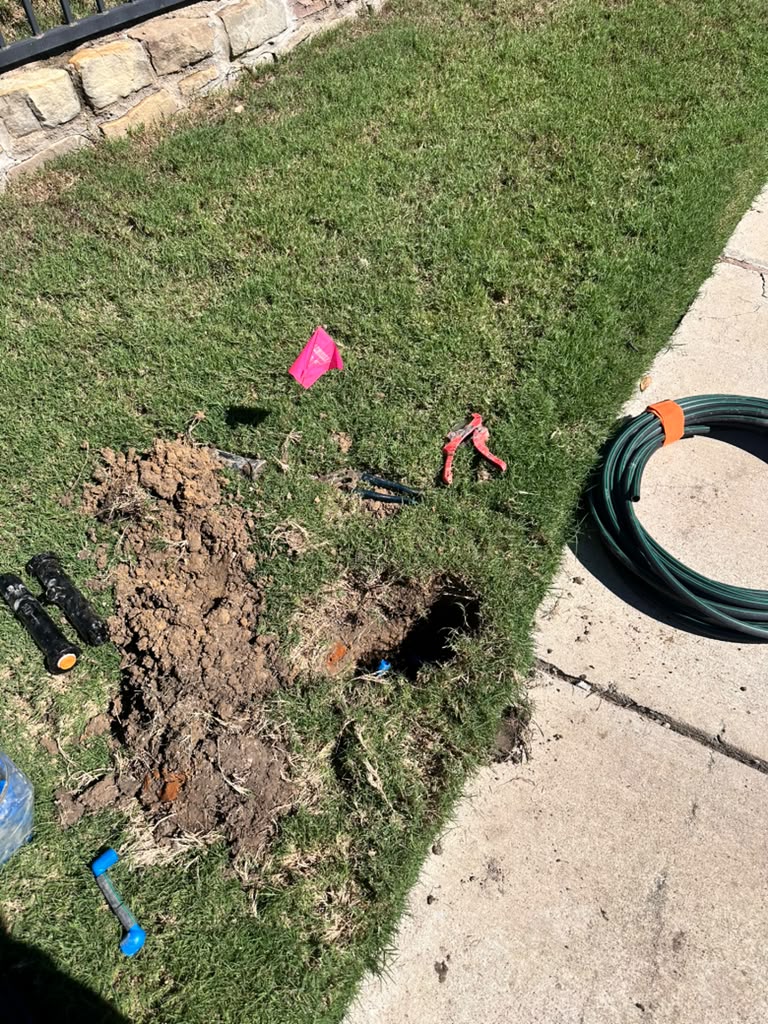
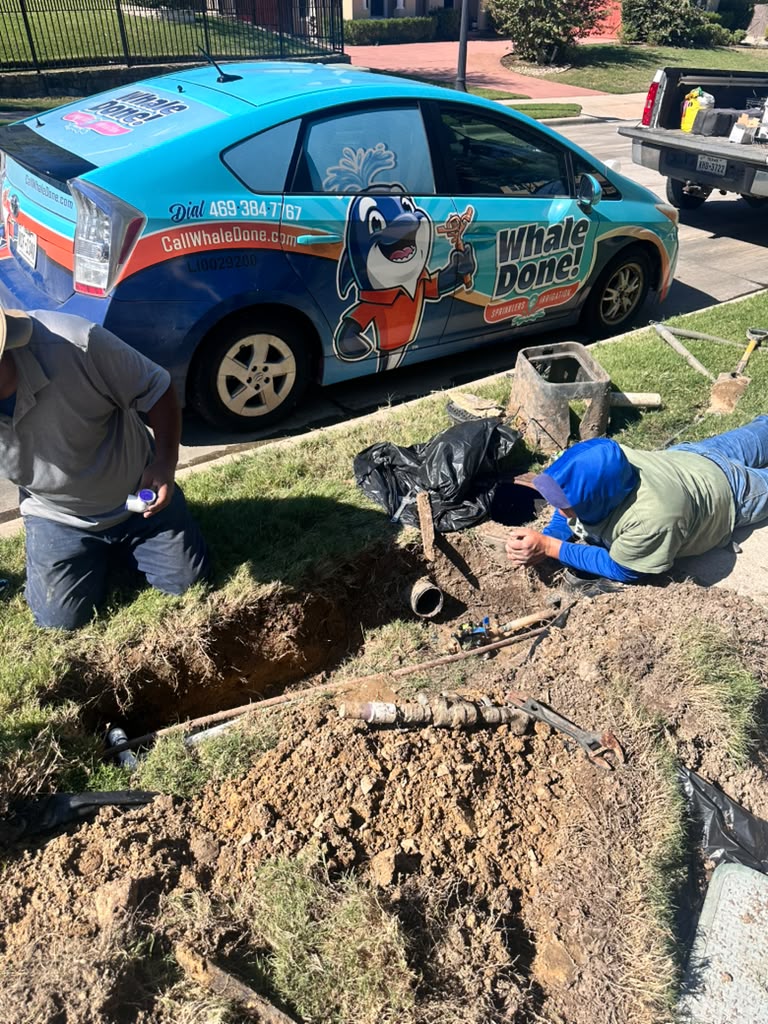
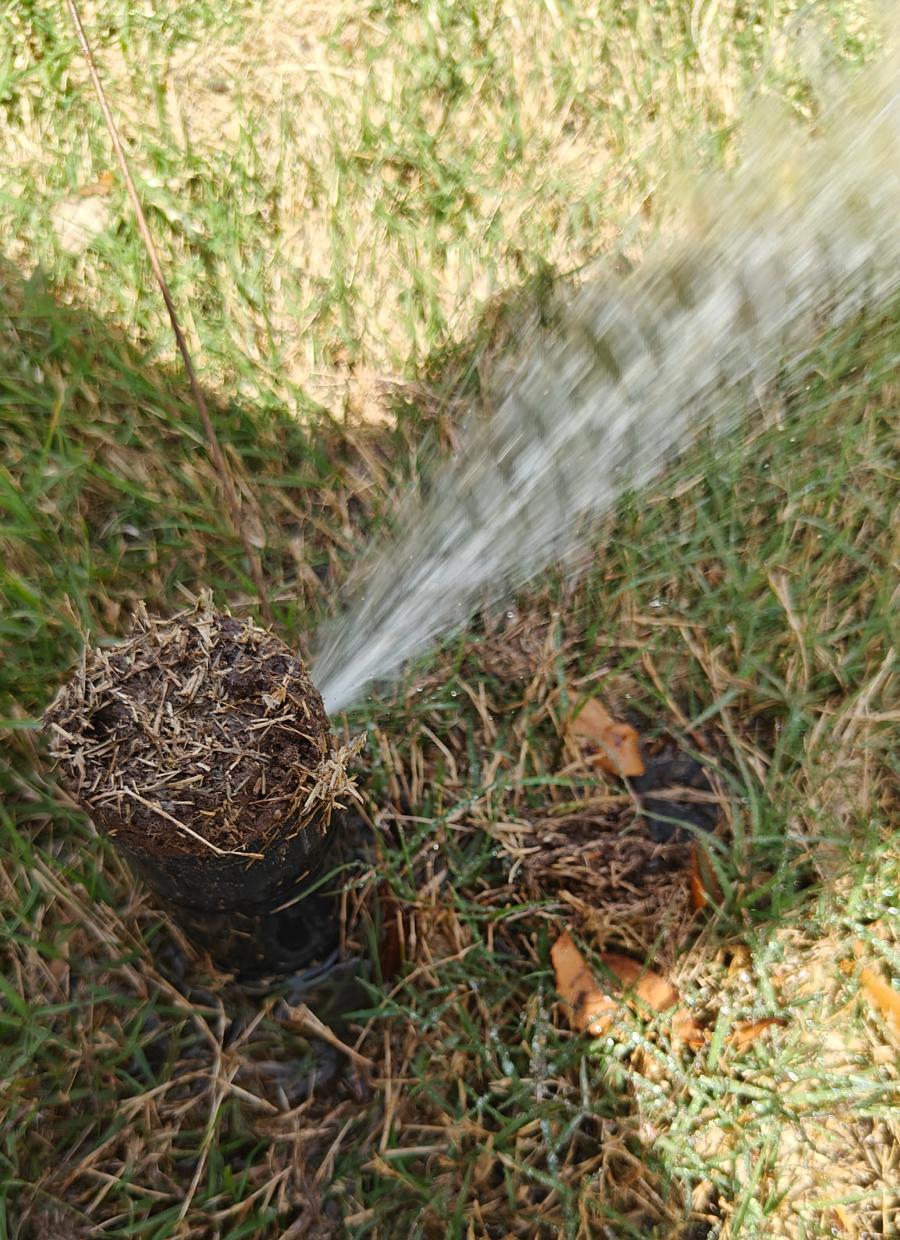
Sprinkler leak detection in Prosper TX can sometimes wait until spring, but only when the leak is small, the system is shut off, and the water isn’t near your foundation. A leak on a pipe that stays under pressure keeps losing water all winter, even when your sprinklers aren’t running. A leak at a single spray head on a system you’ve turned off is usually lower risk.
If you’re unsure where the water is coming from, take an hour to check before deciding. Most homeowners can do the basic checks below without any tools.
At a Glance
- Difficulty: Easy for basic checks
- Estimated time: 30–60 minutes
- Tools needed: Flashlight, phone camera, your water meter
- Works for: Small wet spots, pooling near heads, and unexplained water bill increases
- May not solve: Leaks deep underground, leaks inside the valve box, or leaks on the main line
Why Winter Changes the Decision
Your sprinkler system has two kinds of pipe. The main line is always under pressure. The zone lines after each valve only hold pressure while a zone is running.
When your system is off, the zone lines are mostly idle. A small leak there may not lose much water until you turn the system back on. The main line and the valves are different because they stay pressurized all year.
That’s why the location of the leak matters more than the size of the puddle.
When a Small Leak Can Reasonably Wait
Waiting can be a fair choice in some situations. Consider it only if all of these apply:
- The leak appears only when a zone runs, not when the system is off
- The wet spot is a spray head or nozzle, not a pipe or valve
- It is well away from your foundation, driveway, and sidewalk
- Your water meter doesn’t move when everything is off
- You can leave that zone shut down until spring
In that case, turning off the affected zone or the whole system is often enough for now. A broken head is a simple repair, and waiting a few months usually costs you nothing extra.
When Waiting Is Not a Good Idea
Some leaks get worse over time, and North Texas winters can speed that up. Don’t wait if you notice any of these:
- Water pooling or soggy soil when the system has been off for a day or more
- A water meter that keeps moving when all water in the house is off
- A sudden jump in your water bill with no change in usage
- Wet soil next to your foundation, slab, or retaining wall
- Sinkholes, sunken patches, or lifted pavers near sprinkler lines
- A leak near a backflow preventer or valve box
Any of these can point to a pressurized line. Fixing a small break early is usually simpler than repairing damage after months of leaking.
How to Check for a Leak Yourself
You don’t need special equipment to get a good idea of what’s going on. Follow these steps.
Step 1: Turn Off Everything That Uses Water
Shut off all faucets, the dishwasher, the washer, and the ice maker. Make sure the sprinkler controller isn’t running a cycle.
Step 2: Read Your Water Meter
Find the meter near the street, usually in a concrete box. Look at the small dial or triangle. If it’s spinning while everything is off, water is going somewhere.
Step 3: Do the 15-Minute Test
Write down the meter reading. Wait 15 minutes without using any water, then read it again. A changed number means there’s a leak somewhere, though not necessarily in the sprinkler system.
Step 4: Turn Off the Sprinkler Supply and Retest
If your system has its own shutoff, close it and repeat the test. If the meter stops moving, the leak is likely on the irrigation side. If it keeps moving, look at indoor plumbing, a toilet, or the line to the house.
Step 5: Walk the Yard
Run each zone one at a time for a few minutes. Look for geysers, mushy soil, bubbling water, and heads that keep dripping after the zone shuts off.
Step 6: Check the Valve Boxes
Lift the green lids carefully. Water sitting in a box or hissing valves are common signs of a valve leak.
Common Mistakes Homeowners Make
- Assuming a wet spot is always a sprinkler leak. It could be a water line, rainfall, or a drainage issue.
- Ignoring a higher water bill. Even a small increase over a few months can signal a hidden leak.
- Leaving the system running on a timer. A leaking zone wastes more water every cycle.
- Digging without knowing where the lines are. You can cause a bigger break than the one you started with.
- Skipping winter shutdown. Freezing weather can crack fittings and turn a small leak into a larger one. See our guide on sprinkler winterization in Prosper TX.
North Texas Considerations
Local conditions make leaks behave differently here than in other parts of the country.
- Clay soil: Prosper’s clay swells when wet and shrinks when dry. That movement can stress pipes and fittings over time.
- Foundation movement: A leak near the slab can add moisture to soil that’s already shifting.
- Winter freezes: Brief hard freezes happen in North Texas, and water sitting in exposed fittings can crack them.
- Heat and wind: Summer heat and wind can hide small leaks by drying the surface quickly, so wet spots show up mostly at night or in the morning.
- Water restrictions: Watering rules can change through the year. Check the current schedule with the Town of Prosper and your water provider, and remember that a leak still wastes water even when you’re within the rules.
The EPA’s WaterSense program notes that small household leaks add up to a lot of wasted water over time, and irrigation leaks are no exception.
Related Problems That Look Like a Leak
Not every wet spot is a broken pipe. If you don’t find a leak, the cause might be:
- Poor drainage: Low spots in the yard can hold water after rain.
- A stuck or worn valve: A valve that doesn’t close all the way can keep water flowing. Learn more about sprinkler valve repair.
- High water pressure: Excess pressure can cause misting and leaking at the heads.
- Controller problems: A bad schedule or a faulty controller can overwater a zone.
- Indoor plumbing: A running toilet or a leaking hose bib can move your meter.
- A damaged head: A cracked body or worn seal can be fixed without touching the main system. See our article on sprinkler repair in Prosper TX.
Frequently Asked Questions
How much water can a small sprinkler leak waste?
It depends on the pressure and the size of the break. Even a slow leak can waste thousands of gallons over a few months. A meter test is the easiest way to know for sure.
Can I just shut off my sprinkler system for the winter and forget about it?
Shutting the system off is a good first step. It won’t fix a leak on a line that stays pressurized, so check your meter before you decide it’s safe to wait.
Will a sprinkler leak damage my foundation?
It can if the leak is close to the slab. Extra moisture in clay soil can add to foundation movement. Keep an eye on any wet ground near the house and address it early.
How do I know if the leak is from my sprinklers or my house plumbing?
Do a meter test, then close the irrigation shutoff and test again. If the meter stops moving after you shut off the sprinklers, the leak is on the irrigation side. If it keeps moving, the leak is likely in the house plumbing or the service line.
Do I need a licensed irrigator for sprinkler repairs in Texas?
Texas regulates irrigation work through the TCEQ, and many repairs require a licensed irrigator. Simple tasks like replacing a spray nozzle are often manageable for homeowners, but checking your local rules is a good idea.
Bottom Line and Next Step
Sprinkler leak detection in Prosper TX doesn’t always need to happen right away, but it shouldn’t be ignored either. A small head leak on a shut-off zone can often wait, while a moving water meter or wet soil near your foundation shouldn’t. If you’re unsure, a licensed sprinkler company can locate the leak and explain your options so you can decide what makes sense.
Related Resources
- Sprinkler Winterization in Prosper TX
- Sprinkler Repair in Prosper TX
- Sprinkler Valve Repair
- Why Is My Water Bill So High? Sprinkler Causes
- Sprinkler System Not Working: What to Check First
Conclusion
Sprinkler leak detection in Prosper TX doesn’t always have to happen right away, but it shouldn’t be ignored. A small leak at a single spray head on a shut-off zone can often wait until spring. A moving water meter, soggy soil, or wet ground near your foundation is a different story and worth checking soon. Start with the meter test, shut off the affected zone, and watch for changes. If you can’t tell where the water is going, a licensed sprinkler company can locate the leak and explain your options, so you can decide what makes sense for your yard.