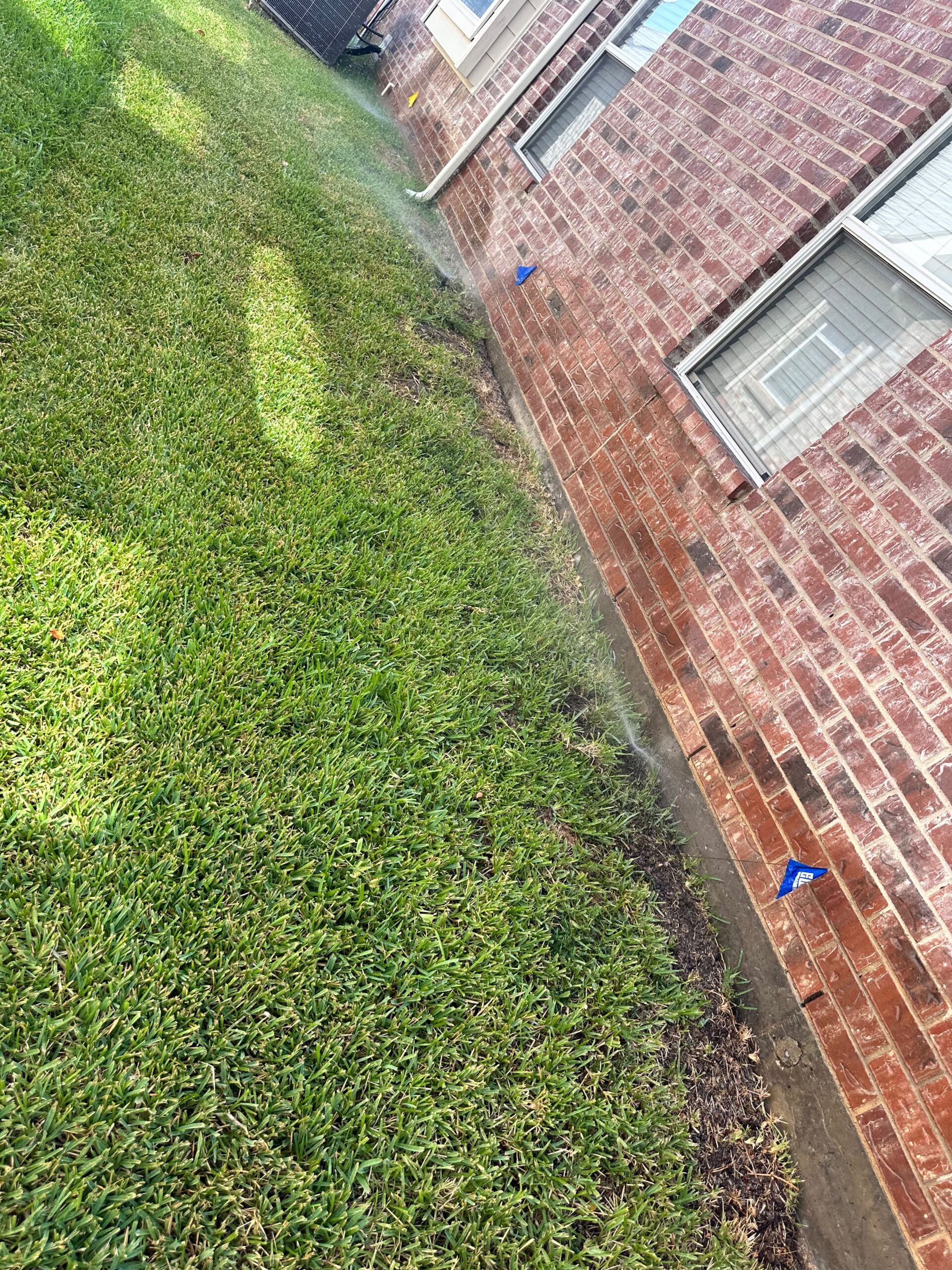
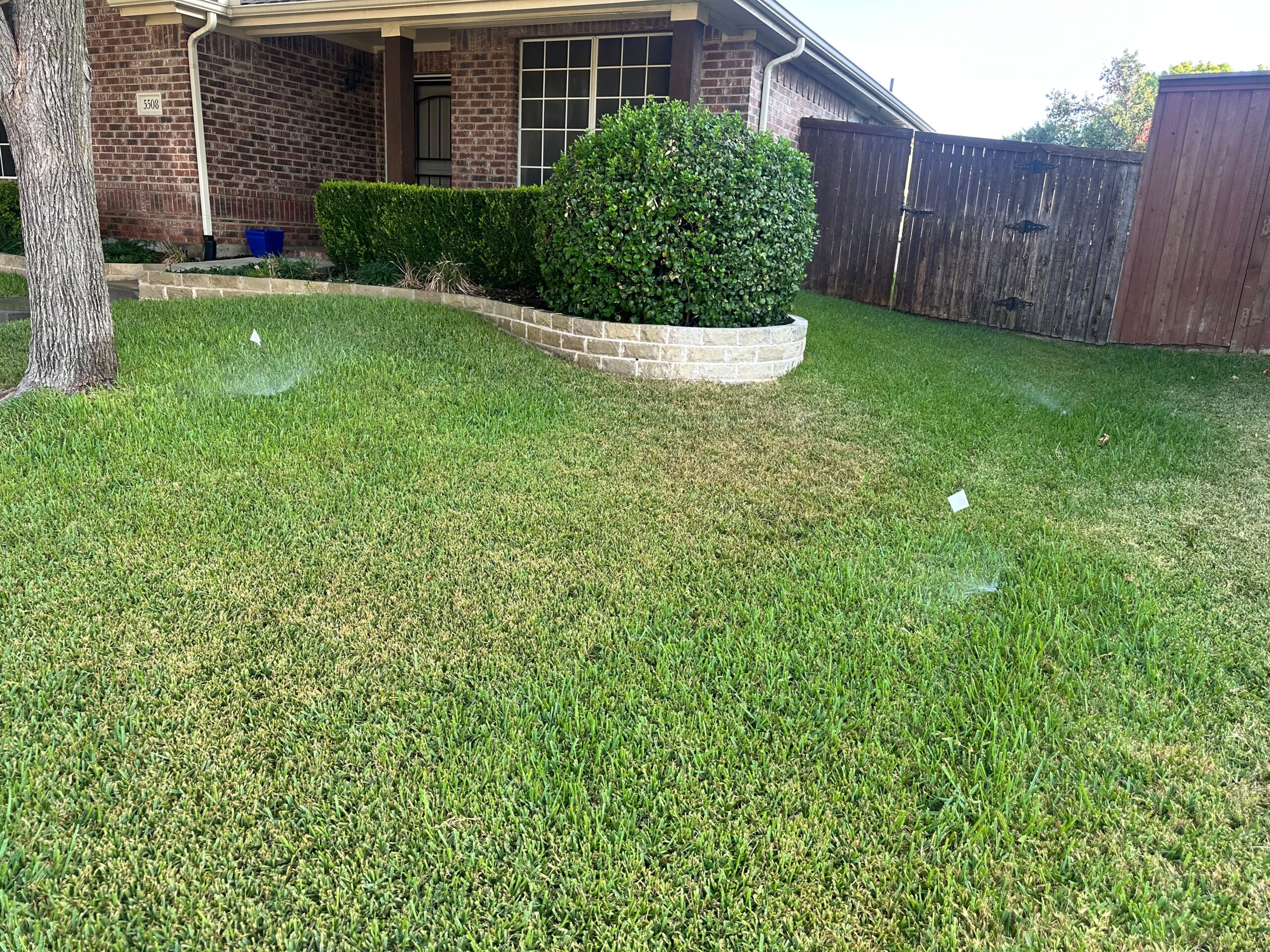
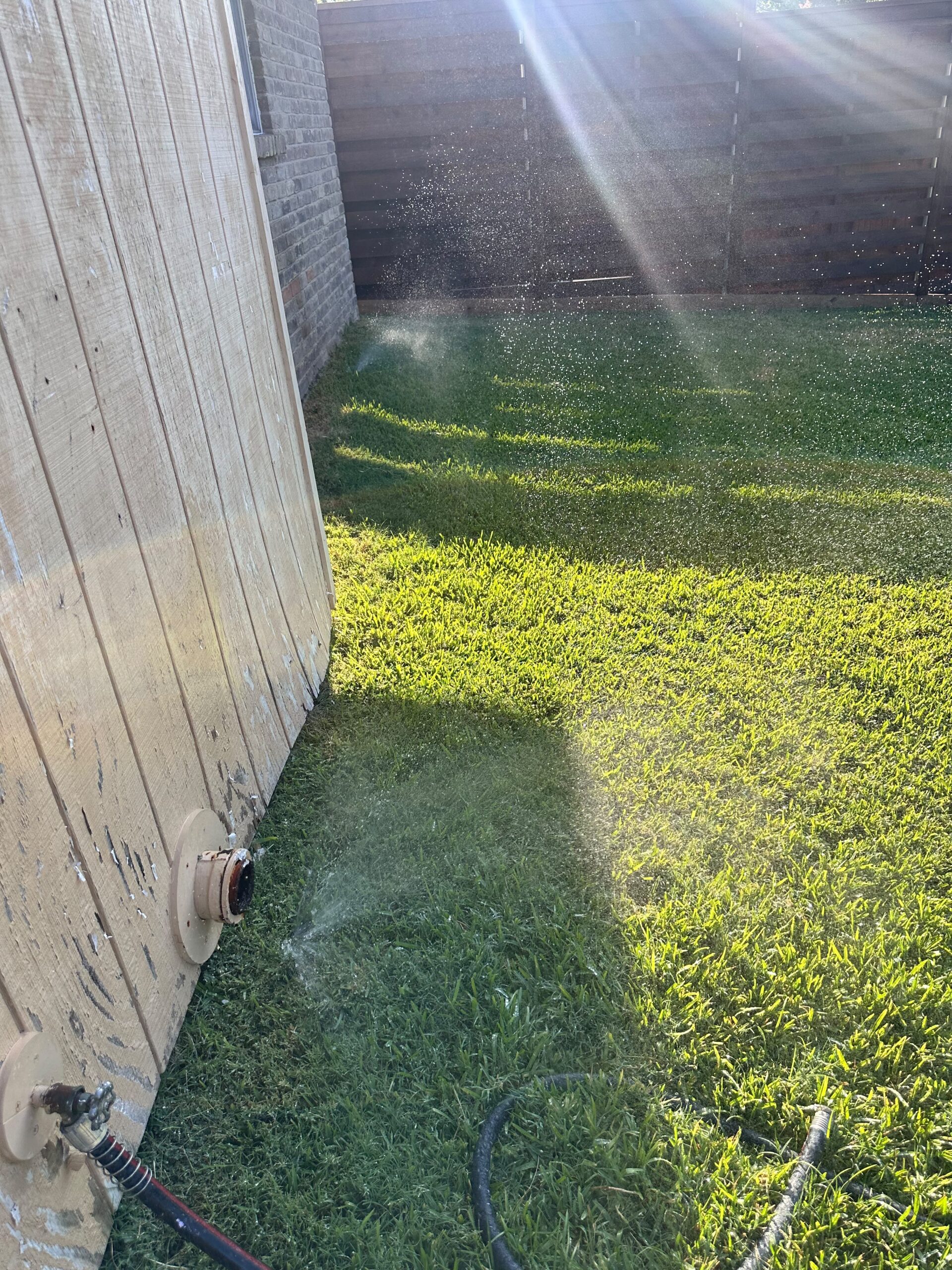
Sprinkler leaks in Frisco TX are one of the most common irrigation issues homeowners face, especially in areas like Frisco TX where seasonal temperature shifts and clay-heavy soil can put stress on irrigation systems. Preventing these leaks early can save water, reduce utility bills, and protect your landscape from uneven watering or dry patches.
Understanding how sprinkler systems work and what causes leaks is the first step toward long-term prevention. Most leaks don’t happen suddenly—they develop over time due to wear, poor installation, or lack of maintenance. By learning the warning signs and applying preventive care, homeowners can significantly reduce the risk of costly repairs.
Why Sprinkler Leaks Happen in Residential Systems
Sprinkler systems are designed to operate under pressure, distributing water evenly across lawns and gardens. However, this constant pressure combined with outdoor exposure makes them vulnerable to damage over time.
Common causes include:
- Cracked or broken sprinkler heads
- Damaged underground pipes
- Loose fittings or valves
- Soil movement due to heat or heavy rain
- Improper installation or low-quality materials
In Frisco TX, shifting soil is a major factor. Clay soil expands when wet and contracts when dry, which can slowly bend or crack underground piping. Over time, this leads to hidden leaks that are not immediately visible on the surface.
Early Warning Signs Homeowners Should Never Ignore
Detecting leaks early is the key to preventing water waste and landscape damage. Many homeowners only notice a problem when their water bill increases significantly or parts of the lawn start looking uneven.
Watch out for these signs:
- Sudden increase in water bills
- Soggy or overly wet patches in the yard
- Weak water pressure from sprinkler heads
- Sprinklers that don’t pop up properly
- Visible water pooling in certain zones
If you notice any of these issues, there is a high chance you are dealing with a developing leak. According to guidance from the EPA WaterSense Program, irrigation efficiency plays a critical role in reducing unnecessary outdoor water waste.
How Regular Inspections Help Prevent Costly Damage
Routine inspections are one of the most effective ways to prevent sprinkler system failures. A simple monthly check can identify issues before they turn into major repairs.
During an inspection, homeowners should:
- Turn on each irrigation zone individually
- Check for uneven spray patterns
- Look for broken or tilted sprinkler heads
- Inspect visible pipes and valve boxes
- Listen for unusual hissing or water flow sounds
Professional irrigation standards from organizations like the Irrigation Association emphasize regular system evaluation to maintain efficiency and extend system lifespan.
Even small issues like a misaligned sprinkler head can lead to long-term inefficiency if left unchecked.
The Role of Seasonal Maintenance in Frisco TX
Frisco TX experiences hot summers and occasional cold snaps, both of which can affect irrigation systems. Seasonal maintenance ensures that your system adapts properly to changing weather conditions.
Spring Preparation
Before peak watering season, systems should be fully inspected and adjusted. This includes:
- Cleaning clogged nozzles
- Adjusting spray direction
- Checking for winter damage
Summer Monitoring
During hot months, sprinklers are used more frequently, increasing wear and tear. Homeowners should:
- Monitor water distribution patterns weekly
- Ensure timers are correctly set
- Watch for signs of overspray or runoff
Fall Adjustments
As temperatures drop, watering schedules should be reduced to avoid oversaturation and soil weakening.
Winter Protection
Even in mild winters like Frisco TX, freezing temperatures can still damage pipes. Draining systems help prevent cracks and underground leaks.
For deeper agricultural insights into water usage and conservation, resources from USGS Water Science provide valuable data on irrigation efficiency and water loss prevention.
Soil Conditions and Their Impact on Sprinkler Systems
One of the most overlooked causes of sprinkler leaks is soil behavior. In Frisco TX, clay soil is particularly reactive to moisture levels.
When soil becomes saturated, it expands and pushes against pipes. When it dries, it contracts and creates empty spaces. This constant movement can:
- Shift underground pipes out of alignment
- Crack pipe joints
- Loosen fittings over time
To minimize this risk, proper system design is essential. Flexible piping materials and correct burial depth can significantly reduce soil pressure impact.
Homeowners should also avoid overwatering, as excess moisture accelerates soil expansion and increases the risk of underground stress.
Smart Irrigation Practices That Reduce Leak Risks
Modern irrigation systems are becoming more efficient with smart technology. Using these tools can help prevent leaks and improve water usage.
Some effective practices include:
- Installing smart irrigation controllers
- Using rain sensors to avoid unnecessary watering
- Scheduling watering during early morning hours
- Adjusting zones based on plant needs
Advanced irrigation systems are designed to detect irregular flow patterns, which can signal leaks early.
Educational resources from the Texas A&M AgriLife Extension highlight the importance of water-efficient landscaping and proper irrigation scheduling in Texas climates.
Importance of Professional Sprinkler System Checks
While DIY maintenance is helpful, professional inspections provide a deeper level of accuracy. Experts can detect hidden leaks that homeowners might miss, especially underground issues.
Professional technicians typically use:
Pressure Testing Tools
Pressure testing tools help irrigation professionals evaluate whether a system is maintaining proper water pressure throughout its network. By measuring pressure levels at different points, these tools can identify hidden leaks, blockages, damaged pipes, or faulty components. Consistent pressure readings help ensure efficient operation and reliable water distribution.
Flow Monitoring Systems
Flow monitoring systems track the amount of water moving through an irrigation system during operation. Unusual increases or decreases in flow rates can indicate leaks, broken pipes, clogged components, or valve issues. These systems provide valuable data that helps detect problems early and improve overall water management efficiency.
Zone Isolation Techniques
Zone isolation techniques involve separating individual irrigation zones to narrow down the source of leaks or performance issues. By testing each zone independently, technicians can identify affected areas more accurately. This method reduces diagnostic time, minimizes unnecessary excavation, and helps target repairs while preserving unaffected sections of the system.
Thermal or Moisture Detection Equipment
Thermal or moisture detection equipment helps locate hidden irrigation leaks without extensive digging. These tools identify temperature differences or elevated moisture levels beneath the soil surface that may indicate water escaping from underground pipes. Their non-invasive approach allows for faster, more accurate leak detection and efficient repair planning.
These tools allow them to pinpoint leaks quickly without unnecessary digging or damage to the landscape.
Having a professional inspection at least once a year can dramatically reduce the chances of unexpected system failure.
Cost Impact of Ignoring Sprinkler Leaks
Ignoring sprinkler leaks can lead to significant financial consequences. Even a small leak can waste thousands of gallons of water over time.
Potential costs include:
- Higher monthly water bills
- Landscape replacement costs due to overwatering or dry patches
- Pipe replacement and excavation expenses
- Increased long-term maintenance costs
Beyond financial impact, water waste also contributes to environmental strain, making early detection even more important.
Preventive Habits Every Homeowner Should Adopt
Preventing sprinkler leaks doesn’t always require major investments. Simple habits can go a long way in protecting your system.
Here are key preventive steps:
- Walk your lawn weekly while sprinklers run
- Clean sprinkler heads regularly
- Avoid lawn equipment damaging exposed heads
- Monitor irrigation controller settings monthly
- Address small issues immediately
Consistency is the most important factor. Small actions performed regularly can prevent large system failures later.
Conclusion
Sprinkler Leaks In Frisco TX can be effectively prevented through consistent maintenance, smart irrigation practices, and timely inspections tailored to Frisco TX soil and weather conditions.
For homeowners looking for expert help, Whale Done Sprinklers & Irrigation provides professional irrigation inspection, repair, and maintenance services. You can contact them at +1 (469) 384-7767 or email clientsupport@callwhaledone.com for assistance in preventing and resolving sprinkler issues before they become costly problems.