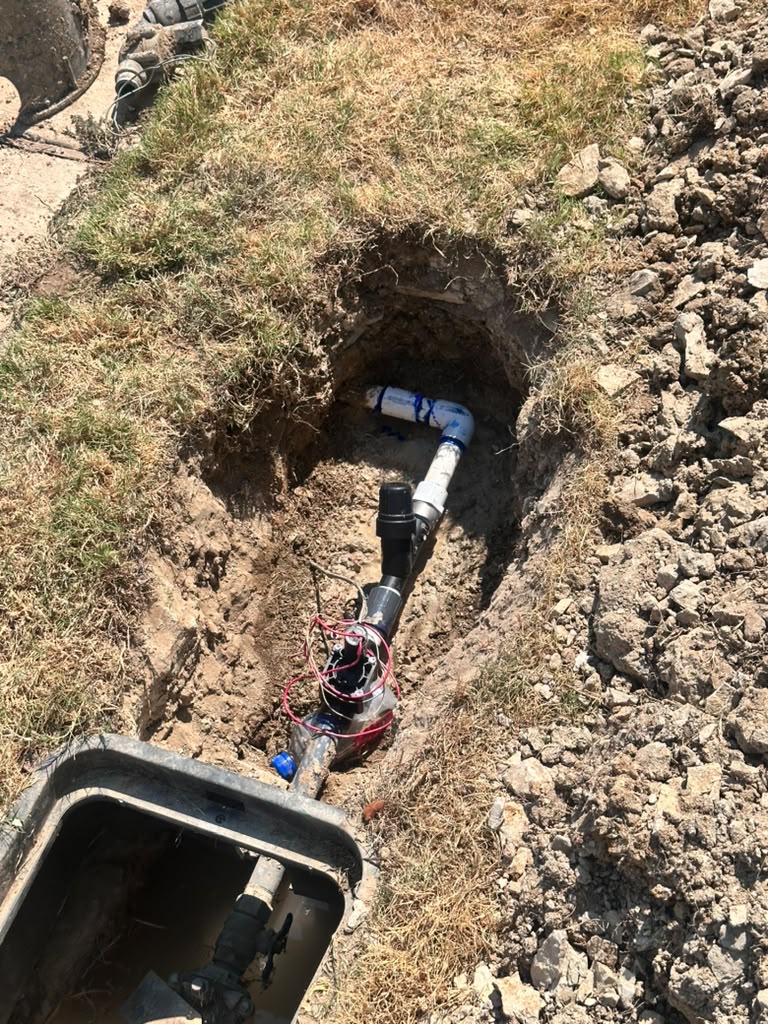
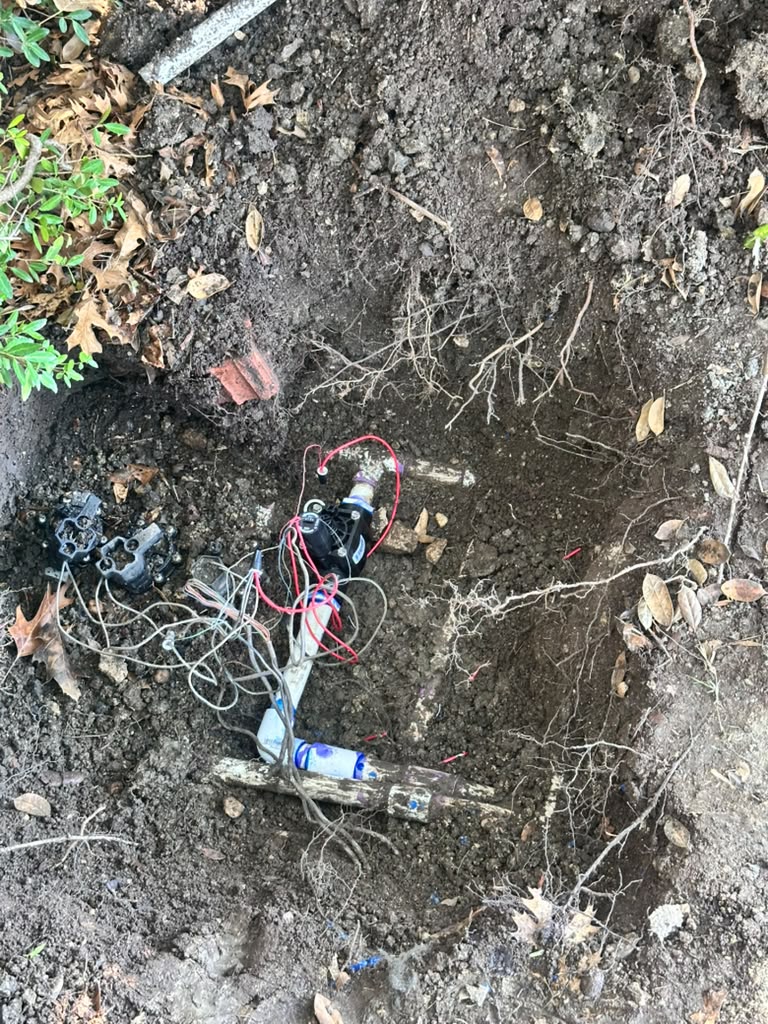
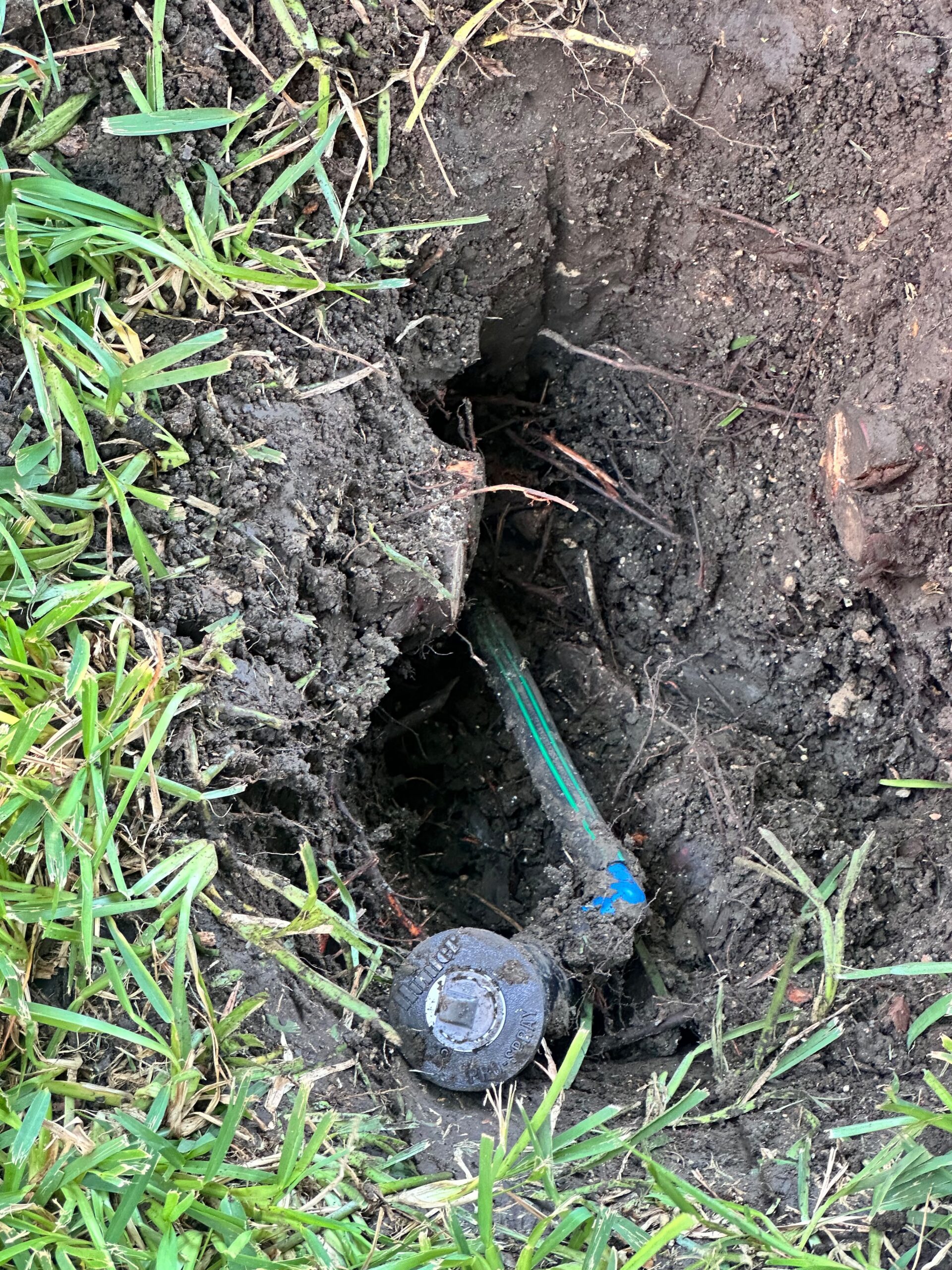
A sprinkler zone won’t turn off in Prosper TX usually has a valve stuck open because of debris, a worn diaphragm, or a failed solenoid. These components control how water enters and leaves each irrigation zone. When one fails, water may continue flowing even after the controller tells the system to stop.
The first priority is stopping the water. Turn off the sprinkler controller. If the zone continues running, shut off the irrigation water at the backflow preventer using Whale Done’s emergency shutoff instructions. Once the water stops, you can investigate the symptoms and determine whether the valve needs cleaning, repair, or replacement.
At a Glance
| Category | Details |
| Difficulty | Easy for basic observations; moderate for valve diagnosis |
| Estimated Time | 10–20 minutes for initial checks |
| Tools Needed | Flashlight, phone camera, sprinkler controller access |
| Works For | Identifying a continuously running sprinkler zone and controlling water flow |
| May Not Solve | Internal valve damage, electrical faults, or underground pipe leaks |
Important: Do not attempt to dismantle a pressurized valve or force a damaged shutoff handle. A licensed irrigation professional can safely investigate internal components.
Why Does a Sprinkler Zone Keep Running?
A residential irrigation system uses separate valves to control individual watering zones. When the controller activates a zone, it sends an electrical signal to the valve’s solenoid, allowing water to flow through the irrigation lines.
When the watering cycle ends, the valve should close and stop the water supply to that zone.
If water continues flowing, something may be preventing the valve from closing completely.
Three common causes are:
1. Debris Is Trapped Inside the Sprinkler Valve
Small particles of dirt, sand, and other sediment can enter irrigation valves through the water supply. These particles may become trapped between the valve diaphragm and its sealing surface.
Even a small piece of debris can prevent the diaphragm from closing tightly. Water then continues passing through the valve after the controller shuts off.
Common signs include:
- One sprinkler zone continues running.
- Water flow becomes weaker but never completely stops.
- The valve box contains sediment or visible dirt.
- The problem happens intermittently.
Cleaning may resolve some debris-related problems, but the valve must be inspected to confirm that its internal parts are still in good condition.
2. The Valve Diaphragm Is Worn or Damaged
The diaphragm is a flexible rubber component inside the sprinkler valve. It moves in response to pressure changes, allowing the valve to open and close.
Over time, the rubber can become worn, stretched, torn, or damaged. When it no longer seals properly, water may continue flowing through the valve.
A damaged diaphragm can also cause inconsistent operation, including leaking, incomplete shutoff, or difficulty controlling water pressure.
Replacing the diaphragm may be sufficient if the remaining valve components are in good condition.
3. The Solenoid Has Failed
The solenoid is the electrical component attached to the sprinkler valve. It receives signals from the controller and helps operate the valve.
If the solenoid becomes damaged or mechanically stuck, it may interfere with normal valve operation.
However, a failed solenoid does not automatically mean the entire valve needs replacement. The actual cause could involve the solenoid, valve diaphragm, wiring, or another internal component.
A proper inspection helps identify which part is responsible.
How to Stop a Sprinkler Zone Won’t Turn Off in Prosper TX
Before troubleshooting the valve, stop the water supply. A continuously running zone can waste water, saturate the soil, and create unnecessary landscape problems.
Follow the emergency steps provided by Whale Done.
Step 1: Turn Off the Sprinkler Controller
Locate your irrigation controller, usually inside the garage, and switch it to OFF to stop watering. Wait briefly and observe the sprinklers. If water continues flowing, the valve may be stuck open or another irrigation component may be faulty.
Step 2: Locate the Backflow Preventer
If the sprinklers continue running after the controller is off, locate the backflow preventer near the water meter, house exterior, or irrigation connection. Some Prosper properties have exposed assemblies, while others use protective enclosures. Consult Whale Done’s emergency instructions if unsure.
Step 3: Turn Off Both Backflow Shutoff Handles
Locate the backflow preventer and identify both shutoff handles. Turn each handle 90 degrees until perpendicular to its pipe, then check whether the sprinklers stop. Never force damaged or stuck handles. If needed, consult Whale Done’s emergency guide or contact an irrigation professional for assistance.
For the complete instructions, visit Whale Done’s Sprinklers Won’t Turn Off Emergency Guide.
Step 4: Keep the Controller Off
After shutting off the irrigation water, leave the controller switched off until the problem has been diagnosed. This prevents another automatic watering cycle from starting unexpectedly when the water supply is restored. You can also take a photo of the controller settings and note which zone was running.
Step 5: Document What Happened
Before arranging a repair, note which zone continued running, whether all sprinkler heads were spraying, and if turning off the controller stopped the water. Also check for standing water around the valve box and note any recent landscaping or irrigation work.
How to Identify Which Sprinkler Valve Needs Repair
Once the immediate water problem is controlled, the next step is identifying the affected valve.
Most residential sprinkler systems have multiple valves installed in underground valve boxes. Each valve controls a specific zone or section of the landscape.
Look for the valve box associated with the affected zone. You can carefully remove its lid and visually check for obvious signs of trouble.
Look for:
- Standing water inside the valve box.
- Visible dirt or sediment around the valve.
- Cracked valve housing or fittings.
- Loose or damaged wiring.
- Signs of previous repairs or disturbed connections.
Do not reach into standing water or handle exposed electrical connections. Avoid opening the valve while the irrigation system is pressurized.
A licensed sprinkler technician can test the solenoid, inspect the diaphragm, and determine whether debris or mechanical damage is preventing the valve from closing.
Common Mistakes to Avoid
When a sprinkler zone keeps running, homeowners sometimes make the problem more difficult by trying to repair components before stopping the water.
Avoid these mistakes:
- Repeatedly switching the controller on and off.
If the valve is physically stuck open, changing the controller settings will not necessarily stop water from flowing.
- Forcing the backflow handles.
Rust, corrosion, or damaged handles can make shutoff difficult. Forcing them could damage the assembly.
- Opening a pressurized sprinkler valve.
Removing the valve cover while water pressure is present can cause water to escape suddenly and make the situation harder to control.
- Replacing the entire valve without testing it.
A valve that won’t close may only need debris removal, a replacement diaphragm, or a solenoid repair. Identifying the actual problem helps prevent unnecessary expenses.
- Ignoring water pooling around the yard.
Continued water flow can saturate the soil and create problems near walkways, planting beds, and the home’s foundation.
Local Considerations for Prosper, TX Homeowners
Prosper homeowners should pay attention to how local soil and weather conditions affect their irrigation systems.
Clay Soil Can Hold Excess Water
Parts of North Texas have clay-heavy soil that absorbs water more slowly than sandy soil. When a sprinkler zone runs continuously, water may collect near the surface instead of soaking into the ground.
This can create soggy areas, muddy patches, and pooling around sprinkler heads or valve boxes.
Summer Heat Makes Water Waste More Noticeable
During hot North Texas summers, irrigation systems often operate more frequently to support lawn and landscape needs.
A valve that remains open can waste significant amounts of water, especially when the problem goes unnoticed overnight or between scheduled watering days.
Soil Movement Can Affect Underground Components
Seasonal changes in moisture and temperature can contribute to soil movement around buried irrigation lines and valve boxes.
Landscaping work, edging, and digging can also disturb sprinkler wiring or piping.
These conditions make regular system inspections helpful, particularly when a zone starts operating differently after yard maintenance.
For additional water-saving guidance, the EPA WaterSense Sprinkler Spruce-Up recommendations explain how to inspect irrigation equipment for leaks, damaged heads, and valve problems.
Could Something Else Be Causing the Problem?
A sprinkler zone that keeps running does not always mean the valve itself has failed.
Other possibilities include:
- Controller programming: Multiple start times or an incorrect watering schedule can make a zone appear to run continuously.
- Manual watering mode: A manually activated zone may remain on until the command is canceled.
- Electrical problems: Damaged wiring or a controller fault may interfere with normal valve operation.
- Broken sprinkler heads: A damaged head can release excessive water while the zone is active, although it should stop receiving water when the valve closes.
- Underground pipe damage: A cracked irrigation line can cause water loss and wet areas even when the system is not operating normally.
The timing of the water flow is an important clue. If the zone stops when the controller shuts down, the problem may be related to scheduling or a damaged sprinkler head. If the water continues flowing, the valve and irrigation supply should be investigated.
For additional guidance, explore these related Whale Done resources:
When Should You Call a Sprinkler Repair Professional?
Basic observations and emergency shutoff steps can help control a continuously running sprinkler zone, but internal valve repairs and electrical testing require professional inspection. Consider hiring a licensed irrigation professional if the valve continues leaking after the water supply is restored, the diaphragm appears worn, the solenoid fails, the valve box contains excessive water, or the system repeatedly activates unexpectedly.
A technician can inspect the valve, test electrical connections, check water pressure, and determine whether cleaning, component replacement, or complete valve repair is necessary. At Whale Done, our goal is to identify the actual problem before recommending repairs. The Whale Done Assessment™ includes a system evaluation, clear explanations of findings, and transparent pricing before any approved repair begins.
Frequently Asked Questions
1. Why does my sprinkler zone keep running after the controller is off?
A valve stuck open is a common reason. Debris trapped under the diaphragm, a worn diaphragm, or a failed solenoid may prevent the valve from stopping water flow.
2. Can debris cause a sprinkler valve to stay open?
Yes. Dirt and small particles can become trapped inside the valve and prevent the diaphragm from sealing completely. Cleaning the valve may resolve the issue if its internal components are still in good condition.
3. Should I turn off the backflow preventer if my sprinklers won’t stop?
Yes. If turning off the controller does not stop the water, Whale Done recommends shutting off the irrigation supply at the backflow preventer. Turn both handles a quarter turn until they are perpendicular to the pipes, provided they operate safely.
4. Does a sprinkler valve that won’t close need complete replacement?
Not always. Some problems can be corrected by cleaning debris, replacing a worn diaphragm, or repairing the solenoid. A proper inspection determines whether the existing valve can be repaired.
5. Can a continuously running sprinkler zone damage my yard?
Yes. Excessive watering can create muddy areas, standing water, soil saturation, and potential problems near landscaping or foundations. Shutting off the irrigation supply promptly helps limit additional water damage.
Bottom Line
A sprinkler zone that won’t turn off usually points to a problem with the valve, diaphragm, solenoid, or something preventing the valve from closing completely. Turning off the controller is the first check, but persistent water flow requires shutting off the irrigation supply at the backflow preventer. Once the water is controlled, identifying the actual cause is more important than immediately replacing parts.
Next Step
If your sprinkler zone won’t turn off in Prosper TX, start by stopping the water and documenting what happened. Whale Done can inspect the valve, identify the cause, and explain your repair options. Schedule a Whale Done Assessment™ for $99, applied toward approved repairs, or call (469) 384-7767 or email clientsupport@callwhaledone.com for assistance.