Sprinkler maintenance in Melissa TX is one of the smartest investments homeowners can make to protect their irrigation system, reduce water waste, and maintain a healthy landscape throughout the year. While some people see annual maintenance as an optional expense, routine professional service often prevents much larger repair costs by identifying small issues before they become significant problems.
Melissa continues to experience steady residential growth, and many properties rely on automatic irrigation systems to maintain attractive lawns despite North Texas heat. With changing seasons, expanding clay soil, occasional drought conditions, and fluctuating watering schedules, sprinkler systems experience wear that often goes unnoticed until performance begins to decline.
Annual maintenance provides an opportunity to inspect every critical component of the irrigation system, verify efficient operation, adjust watering patterns, and ensure the entire system performs as intended. Instead of waiting for a leak, broken sprinkler head, or unexpectedly high water bill, homeowners can stay ahead of potential problems through preventive care.
Why Annual Maintenance Is More Than Just A System Check
Many homeowners assume their irrigation system is functioning properly simply because water comes out of the sprinkler heads. However, an operating system isn’t necessarily an efficient one.
Over time, sprinkler heads can shift, seals may deteriorate, valves can wear out, and underground pipes may develop small leaks that remain hidden beneath the soil. These issues rarely happen overnight. Instead, they gradually reduce irrigation performance while increasing water usage.
Annual maintenance focuses on evaluating the entire irrigation system, including:
- Spray head alignment
- Water pressure
- Coverage consistency
- Valve operation
- Controller programming
- Pipe condition
- Zone performance
- Drainage around sprinkler components
Professional inspections help identify these developing issues before they become expensive repairs.
Melissa’s Climate Makes Routine Maintenance Even More Important
North Texas weather creates unique challenges for irrigation systems.
Melissa experiences:
- Long periods of summer heat
- Clay-rich soil
- Heavy seasonal rain
- Occasional freezing temperatures
- Dry, windy conditions
Each of these factors affects irrigation equipment differently.
Clay soil expands when saturated and contracts during dry weather. This constant soil movement places stress on underground pipes, fittings, and sprinkler heads. During extremely hot months, watering demands increase, causing systems to operate longer and placing additional wear on valves and mechanical components.
Routine maintenance helps compensate for these seasonal changes while keeping irrigation performance consistent.
Small Problems Become Large Repairs Without Regular Maintenance
One of the biggest advantages of annual maintenance is early detection.
For example:
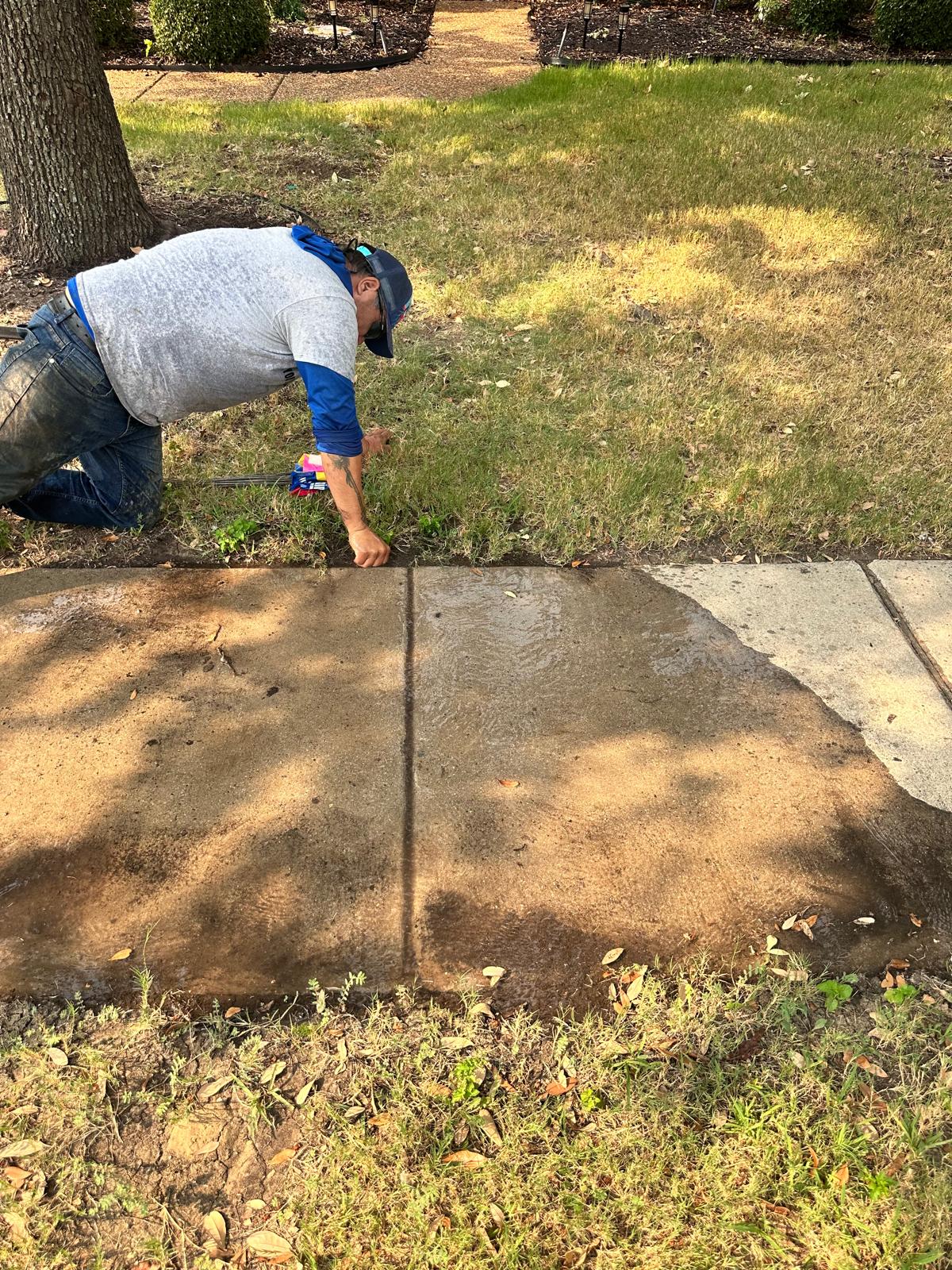
A sprinkler head that tilts only a few degrees may begin spraying sidewalks instead of grass.
A small underground leak might lose hundreds of gallons each month before visible damage appears.
A valve that opens slowly may create uneven pressure throughout the system.
These issues often develop gradually, making them difficult for homeowners to notice during normal lawn care.
Routine inspections allow professionals to identify these warning signs early, preventing more extensive repairs later.
Water Efficiency Starts With Proper System Performance
Efficient irrigation isn’t simply about watering less.
It’s about watering correctly.
An efficient sprinkler system delivers the right amount of water exactly where it’s needed without overspray, runoff, or excessive evaporation.
Annual maintenance includes adjustments that improve efficiency by:
- Correcting spray patterns
- Replacing worn nozzles
- Adjusting water pressure
- Updating watering schedules
- Checking precipitation rates
- Inspecting rain sensors
- Verifying controller settings
Organizations like the EPA WaterSense emphasize that proper irrigation management plays a major role in reducing unnecessary outdoor water consumption.
Healthy Lawns Depend On Uniform Water Distribution
Uneven watering often creates landscaping problems that homeowners mistake for fertilizer deficiencies or lawn diseases.
Signs of uneven irrigation include:
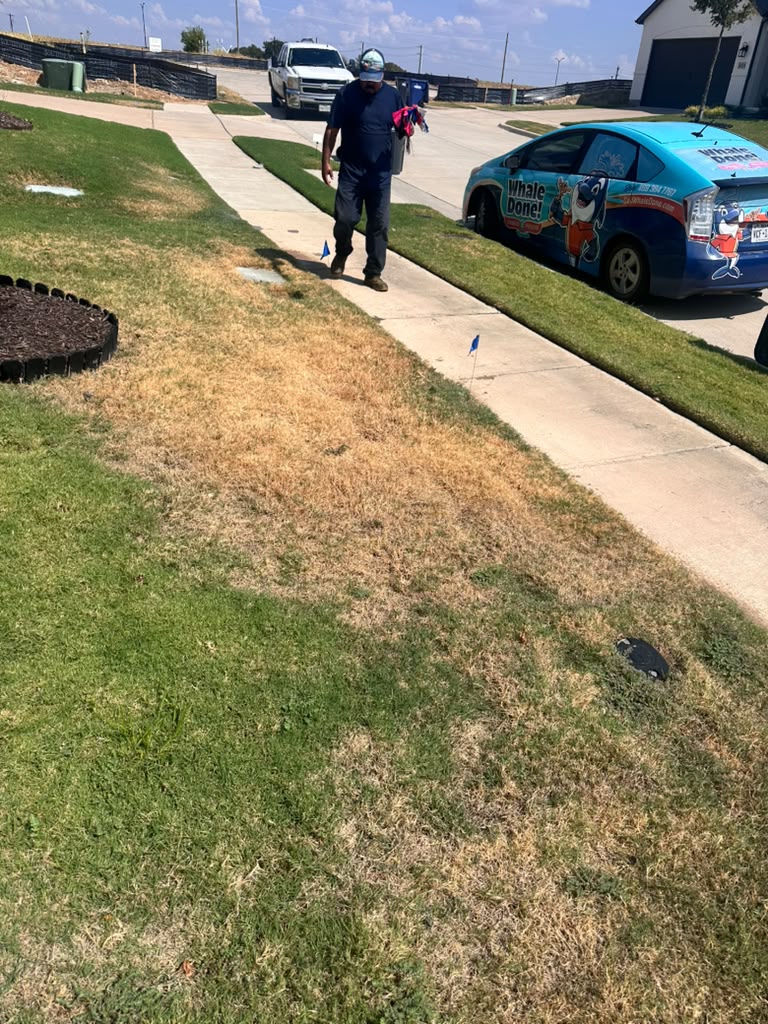
- Brown patches
- Overly green areas
- Mushy soil
- Dry edges
- Standing water
- Thin turf growth
In many cases, the problem isn’t the grass.
It’s inconsistent sprinkler coverage.
Annual maintenance helps ensure each irrigation zone distributes water evenly across the landscape, promoting healthier root development and more consistent lawn appearance.
Controller Adjustments Matter More Than Most People Realize
Many irrigation controllers continue operating on the same schedule year after year.
Unfortunately, plants don’t require identical watering throughout every season.
Spring rainfall differs from summer heat.
Fall temperatures reduce water demand.
Winter often requires minimal irrigation.
Updating irrigation schedules throughout the year improves efficiency while protecting landscape health.
Professional maintenance includes evaluating controller settings and adjusting irrigation schedules based on seasonal conditions.
Modern recommendations from the Texas A&M AgriLife Extension encourage irrigation practices that match local climate conditions rather than relying on fixed schedules.
Annual Maintenance Helps Protect Your Investment
A professionally installed sprinkler system represents a significant investment.
Like any mechanical system, regular servicing helps extend its lifespan.
Without maintenance, components experience unnecessary wear caused by:
- High pressure
- Debris buildup
- Mineral deposits
- Weather exposure
- Soil movement
- Aging seals
- Electrical issues
Routine service reduces stress on these components while helping the entire system operate more efficiently over time.
Common Problems Found During Annual Maintenance
Many issues discovered during inspections aren’t immediately obvious to homeowners.
Professionals frequently identify:
Broken Spray Heads
Lawn equipment, foot traffic, and soil movement frequently damage sprinkler heads.
Broken heads reduce watering efficiency while increasing water waste.
Clogged Nozzles
Mineral buildup, dirt, and debris restrict water flow.
Cleaning or replacing clogged nozzles restores proper spray patterns.
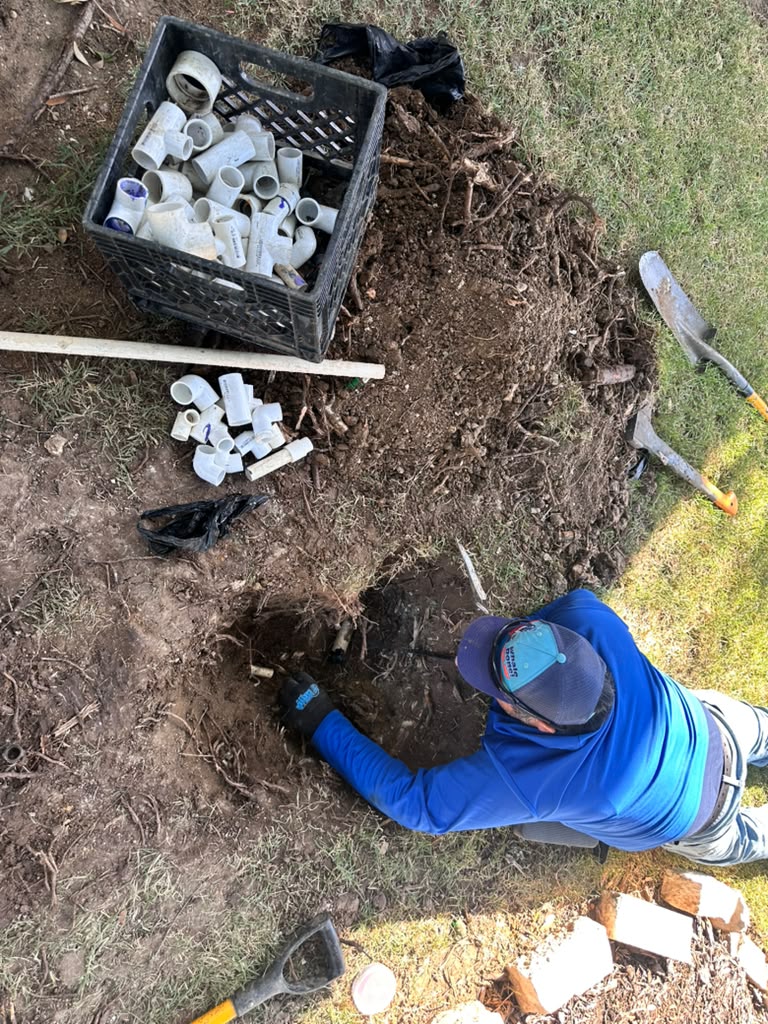
Underground Leaks
Small leaks often remain invisible until unusually high water bills or saturated soil appear.
Routine inspections help locate these problems before extensive property damage develops.
Valve Issues
Faulty valves may fail to close completely, allowing water to continue flowing after irrigation cycles finish.
Controller Malfunctions
Electrical problems, outdated programming, or damaged wiring may prevent proper irrigation scheduling.
Maintenance Supports Long-Term Water Conservation
Water conservation has become increasingly important across Texas.
Efficient irrigation reduces unnecessary water use without sacrificing landscape quality.
Simple maintenance practices often improve efficiency by:
- Eliminating leaks
- Preventing overspray
- Improving pressure balance
- Updating schedules
- Replacing worn components
The Irrigation Association recommends regular system inspections as part of responsible irrigation management and long-term water conservation.
Seasonal Weather Can Affect Irrigation Performance
Even when no components fail, changing weather conditions influence system performance.
Strong winds may alter spray coverage.
Heavy rainfall can compact soil.
Extreme heat increases evaporation.
Freezing temperatures may weaken aging components.
Annual inspections evaluate how these seasonal changes have affected irrigation performance and determine whether adjustments are needed before the next watering season.
Preventive Maintenance Costs Less Than Emergency Repairs
Emergency irrigation repairs often occur during the hottest months when systems operate most frequently.
At that point, multiple components may already have been damaged.
Annual maintenance focuses on prevention rather than emergency response.
Addressing small repairs early often reduces:
- Labor costs
- Replacement parts
- Water waste
- Landscape damage
- Emergency service calls
Preventive maintenance provides better long-term value because problems rarely become more affordable by waiting.
Professional Inspections Go Beyond What Homeowners Can See
Visual inspections performed by homeowners certainly help identify obvious issues.
However, professionals evaluate many additional performance factors, including:
- Pressure testing
- Flow consistency
- Zone balancing
- Electrical testing
- Valve diagnostics
- Controller calibration
- Coverage analysis
These specialized inspections provide a more complete understanding of the system’s overall condition.
Smart Irrigation Technology Benefits From Regular Maintenance
Modern irrigation systems often include:
- Wi-Fi controllers
- Rain sensors
- Soil moisture sensors
- Flow monitoring
- Freeze protection
- Weather-based scheduling
Although these technologies automate many watering decisions, they still require periodic inspection.
Sensors can become dirty.
Communication settings may require updates.
Controller programming occasionally needs adjustment.
Routine maintenance ensures smart irrigation technology continues operating accurately.
Additional irrigation best practices are also available through resources like Utah State University Extension Irrigation Resources, which explains efficient watering methods and system management.
Signs Your Sprinkler System Needs Maintenance
You don’t always need a complete system failure before scheduling service.
Watch for signs such as:
- Uneven watering
- Low pressure
- Dry patches
- Standing water
- Constant dripping
- Sprinkler heads that don’t retract
- High water bills
- Controller errors
- Water spraying sidewalks
- Zones that fail to activate
Addressing these symptoms early often prevents more expensive repairs later.
What Happens During A Professional Annual Maintenance Visit?
A comprehensive maintenance appointment typically includes:
- Inspecting all sprinkler heads
- Checking valves
- Testing controller operation
- Evaluating wiring connections
- Adjusting spray patterns
- Measuring pressure
- Looking for leaks
- Verifying zone coverage
- Cleaning clogged nozzles
- Testing rain sensors
- Updating irrigation schedules
- Confirming efficient water distribution
The goal is to improve reliability while reducing unnecessary water consumption.
Is Annual Sprinkler Maintenance in Melissa TX Worth The Cost?
For most homeowners, the answer is yes.
Routine maintenance helps reduce unexpected repair expenses, protects landscaping, improves irrigation efficiency, and extends the life of the entire sprinkler system.
Rather than viewing annual service as another household expense, many homeowners consider it preventive maintenance that protects both their property and water investment.
Small adjustments performed during a yearly inspection often produce noticeable improvements in irrigation performance while helping avoid much larger repair costs in the future.
Conclusion
Sprinkler maintenance in Melissa TX is a practical investment that helps homeowners protect their irrigation system, improve water efficiency, and reduce the likelihood of costly repairs. Annual inspections can identify developing issues early, extend the life of system components, and keep your landscape receiving consistent, efficient watering throughout every season. If you’re looking for dependable professional service, Whale Done Sprinklers & Irrigation is ready to help. Contact Whale Done Sprinklers & Irrigation at +1 (469) 384-7767 or email clientsupport@callwhaledone.com to schedule your annual sprinkler maintenance and keep your irrigation system performing at its best.