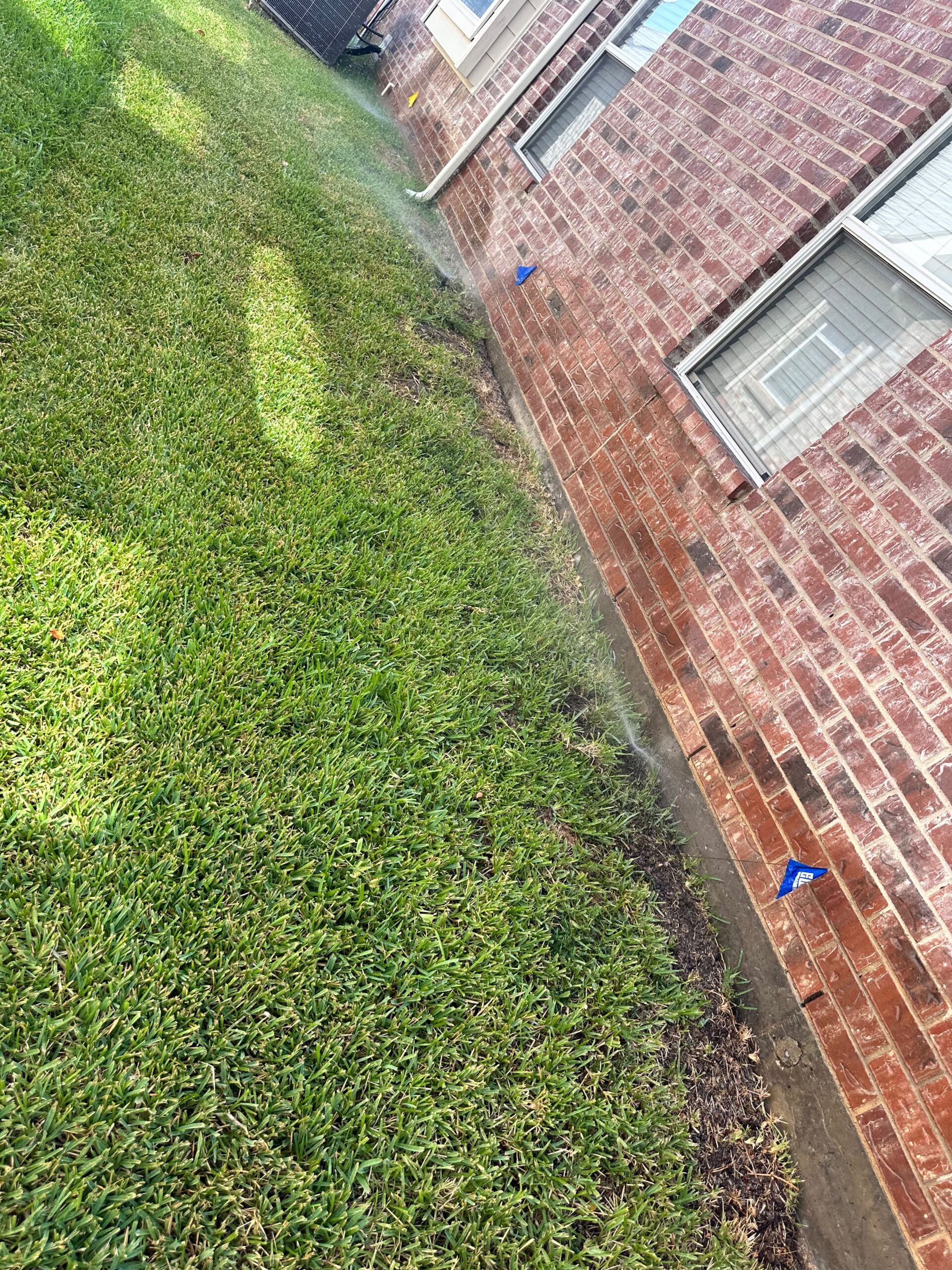
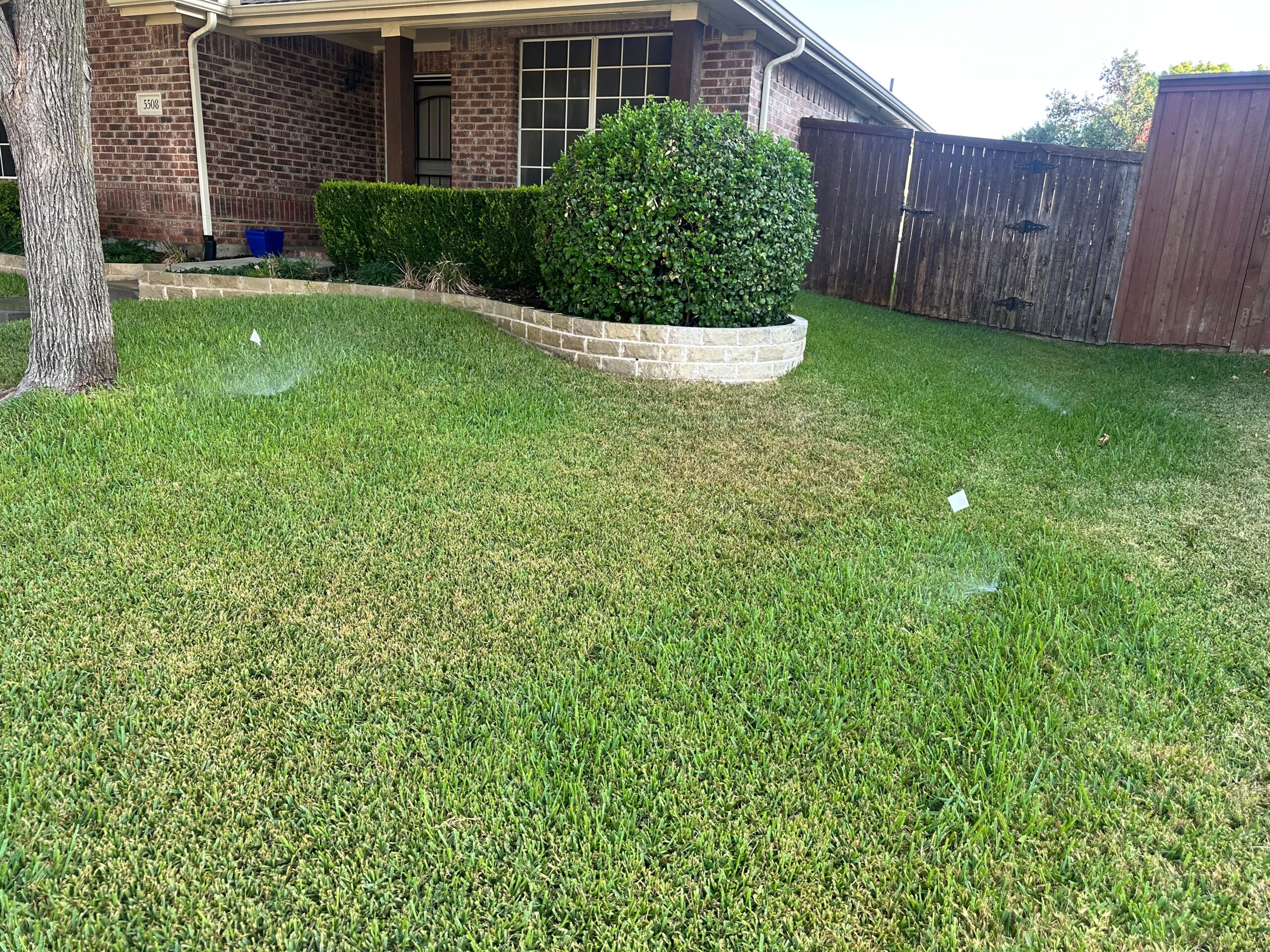
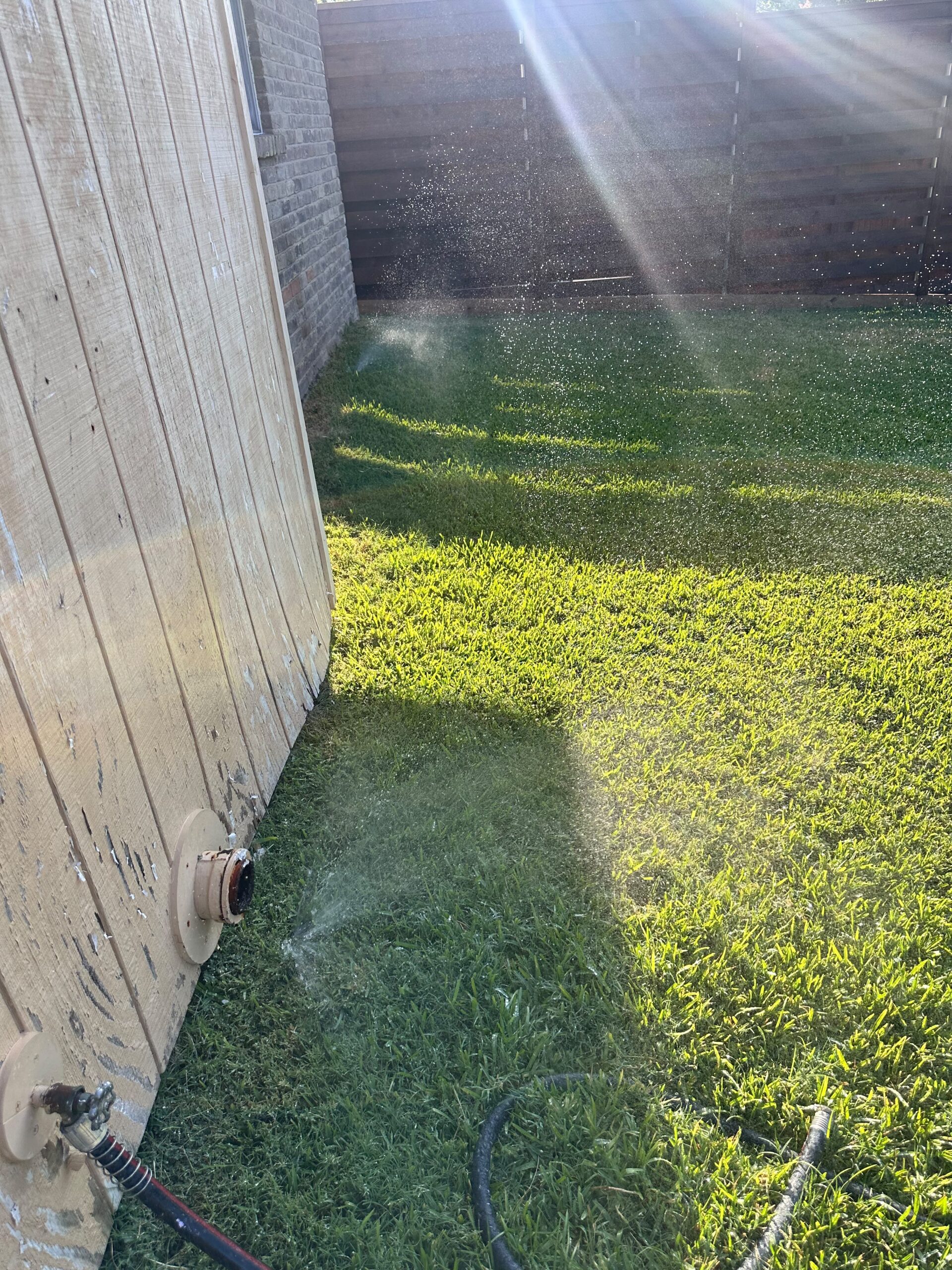
A sprinkler system in McKinney TX plays an important role in maintaining a healthy lawn while helping homeowners manage water efficiently throughout the year. However, like any outdoor system, irrigation components experience wear over time. Broken sprinkler heads, aging valves, underground leaks, damaged wiring, and outdated controllers can all affect performance. When problems become frequent, many homeowners face the same question: is it better to repair the existing system or invest in a complete replacement?
The answer depends on several factors, including the age of the irrigation system, the severity of the damage, repair frequency, water efficiency, and future maintenance costs. While many sprinkler issues can be resolved with targeted repairs, some systems become so outdated that replacement provides better long-term value.
Understanding when repairs make financial sense—and when replacement is the smarter investment—can help protect both your landscape and your budget.
Why Irrigation Systems Eventually Wear Out
No irrigation system is designed to last forever. Even professionally installed systems experience gradual deterioration due to weather, soil movement, normal operation, and seasonal changes.
Several components naturally wear down over time, including:
- Sprinkler heads
- Underground pipes
- Electric valves
- Solenoids
- Wiring connections
- Pressure regulators
- Backflow assemblies
- Smart controllers
McKinney experiences hot summers, occasional freezing temperatures, expanding clay soils, and heavy rainfall events. These environmental conditions place continuous stress on underground irrigation equipment.
According to the Irrigation Association, properly maintained irrigation systems generally last many years, but individual components often require replacement throughout the system’s lifespan.
Learn more about irrigation best practices from the Irrigation Association.
How To Evaluate Your Sprinkler System in McKinney TX Before Making A Decision
Before deciding whether to repair or replace your irrigation system, it is important to assess its overall condition instead of focusing on a single visible issue. Consider factors such as the system’s age, whether repairs have become more frequent, if water pressure remains consistent, whether multiple zones are malfunctioning, if the controller is operating correctly, the possibility of underground leaks, rising utility bills, and the availability of replacement parts.
A comprehensive inspection provides a clearer understanding of the system’s health than addressing isolated problems individually. Professional evaluations typically include zone-by-zone testing, pressure analysis, valve inspections, controller diagnostics, leak detection, coverage assessments, and wiring tests. These findings help determine whether repairs remain a cost-effective solution or if a complete replacement offers better long-term reliability and performance.
Signs Repairs May Be The Better Option
Many sprinkler issues are isolated and relatively inexpensive to correct.
Common repairable problems include:
Broken Sprinkler Heads
Sprinkler heads frequently become damaged by:
- Lawn mowers
- Vehicles
- Foot traffic
- Landscaping equipment
Replacing individual heads restores proper coverage without affecting the rest of the system.
Minor Pipe Damage
Small underground leaks caused by root intrusion or accidental digging often require replacing only a short section of pipe.
Once repaired, the remaining system may continue functioning normally.
Faulty Valves
Valves occasionally fail due to worn diaphragms, debris, or electrical issues.
Replacing one valve is usually far less expensive than replacing an entire irrigation system.
Controller Programming Issues
Many watering problems result from incorrect schedules rather than mechanical failures.
Updating controller settings often restores proper operation without replacing equipment.
Learn about smart irrigation scheduling through the EPA WaterSense program.
Electrical Problems
Loose wiring connections or damaged solenoids frequently cause zones to stop operating.
Electrical repairs are typically straightforward when diagnosed early.
When Replacement May Save More Money
Sometimes repairs become so frequent that replacing the entire irrigation system becomes the more economical choice.
Several warning signs suggest replacement deserves serious consideration.
The System Is More Than 20 Years Old
Older systems often contain outdated technology, worn piping, and discontinued components. Even if individual repairs succeed temporarily, additional failures usually appear as remaining parts continue aging.
Repairs Continue Every Season
Occasional sprinkler repairs are expected, but frequent service calls for leaking valves, broken pipes, controller failures, uneven coverage, electrical issues, or low pressure often indicate deterioration, making replacement more cost-effective over time.
Water Bills Continue Rising
Undetected irrigation inefficiencies can significantly increase monthly water bills due to underground leaks, overwatering, poor spray patterns, pressure issues, or incorrect nozzle selection. Modern irrigation systems deliver water more efficiently, reducing waste while promoting healthier landscapes.
Replacement Parts Are Difficult To Find
Manufacturers eventually discontinue older controllers, valves, and specialty components. If replacement parts become unavailable, upgrading the entire system may be more practical than searching for obsolete equipment.
Coverage Is Poor Throughout The Yard
Older irrigation layouts may no longer suit your property’s current design. New flower beds, patios, outdoor kitchens, mature trees, and expanded gardens can change watering needs, making redesigned irrigation zones more efficient.
Comparing Repair Costs Versus Replacement
While many homeowners focus on the immediate cost of repairing a sprinkler system, it is equally important to consider the long-term expenses associated with ongoing ownership. A repair that appears affordable today may become much more expensive if additional components begin failing over the next year, resulting in repeated service calls and unexpected costs.
Although replacing the system requires a larger upfront investment, it can significantly reduce emergency repairs, minimize water waste, lower monthly utility bills, decrease routine maintenance needs, and help prevent costly landscape damage caused by poor irrigation performance. Comparing the total costs over the next five to ten years provides a more realistic picture of overall value than making a decision based solely on today’s repair estimate.
How Modern Irrigation Systems Improve Efficiency
Today’s irrigation technology has advanced considerably compared to systems installed decades ago.
Modern features include:
Smart Controllers
Smart controllers automatically adjust watering schedules based on:
- Weather forecasts
- Seasonal changes
- Rainfall
- Temperature
- Soil conditions
This reduces unnecessary watering while keeping landscapes healthy.
Pressure-Regulated Heads
Pressure regulation improves spray consistency while minimizing misting and runoff.
Proper pressure also extends sprinkler head lifespan.
High-Efficiency Nozzles
New nozzle designs distribute water more evenly while reducing waste caused by wind drift.
Many homeowners notice healthier lawns using less water after upgrading.
Improved Zone Design
Replacement provides an opportunity to separate irrigation zones according to plant needs.
For example:
- Turfgrass
- Flower beds
- Shrubs
- Trees
- Drip irrigation
Each area receives appropriate watering instead of relying on one schedule for the entire property.
Additional irrigation efficiency guidance is available from Texas A&M AgriLife Extension.
Common Situations Where Repairs Still Make Sense
Replacement isn’t always necessary.
Repairs often remain the best option when:
- The system is under 10–15 years old.
- Only one zone has problems.
- Damage resulted from recent landscaping.
- The controller remains reliable.
- Water pressure is consistent.
- Pipes are generally in good condition.
- Coverage remains even across the property.
In these situations, repairing individual components often restores full performance at a reasonable cost.
Factors Unique To McKinney Landscapes
McKinney presents irrigation challenges that homeowners should consider when evaluating system performance.
Local conditions include:
Expansive Clay Soil
Clay expands when wet and contracts during dry periods. This movement places stress on underground pipes and fittings over time.
Hot Summer Temperatures
Long periods of intense heat increase irrigation demand. Older systems sometimes struggle to maintain even coverage during peak summer months.
Mature Landscaping
As trees and shrubs grow, root systems may interfere with underground irrigation lines. Roots can also alter spray patterns, requiring adjustments or redesign.
Seasonal Storm Activity
Heavy rainfall followed by extended dry periods creates changing irrigation requirements throughout the year. Modern smart controllers adapt more effectively to these seasonal changes.
Questions To Ask Before Choosing Replacement
Before replacing your irrigation system, ask:
- Which components have already been repaired?
- How old are the underground pipes?
- Are leaks isolated or widespread?
- Will replacement reduce water usage?
- Can new technology improve efficiency?
- Is the existing layout still appropriate?
- What maintenance costs should be expected over the next five years?
These questions help ensure the decision is based on long-term value rather than temporary convenience.
Preventive Maintenance Extends Irrigation Life
Whether you decide to repair or replace your irrigation system, routine maintenance is essential for keeping it operating efficiently and extending its lifespan. Regular inspections allow professionals to detect small leaks, clogged nozzles, worn valves, pressure problems, controller issues, damaged wiring, and uneven water coverage before they develop into more serious and costly repairs. Addressing these concerns early helps maintain consistent irrigation performance, reduces unnecessary water waste, and minimizes the risk of unexpected system failures during peak watering seasons.
Preventive maintenance also supports healthier lawns and landscapes by ensuring every zone receives the proper amount of water. Investing in scheduled inspections can improve long-term reliability, lower maintenance costs, and help your sprinkler system continue performing effectively throughout every season.
Helpful homeowner irrigation maintenance information is available from the U.S. Department of Energy’s water-saving resources.
Repair Or Replace? Making The Best Long-Term Decision
There is no universal answer for every homeowner.
A newer system with isolated damage usually benefits from professional repairs. An older irrigation system experiencing repeated failures, rising water bills, poor coverage, and outdated technology may offer greater value through replacement.
The best approach is a comprehensive inspection that evaluates the entire irrigation system rather than focusing on a single malfunction. By considering age, repair history, water efficiency, component availability, and future maintenance costs, homeowners can make a decision that supports both their landscape and long-term budget.
Replacing a system too early may result in unnecessary expense, while delaying replacement beyond its practical lifespan can lead to repeated repair costs and ongoing water waste. An informed evaluation helps ensure the most cost-effective solution.
Conclusion
Deciding whether to repair or replace your sprinkler system in McKinney TX depends on its overall condition, repair history, and long-term performance. While many irrigation issues can be resolved with timely repairs, an aging or inefficient system may benefit more from a complete upgrade that improves reliability, water efficiency, and landscape health. A professional inspection provides the information needed to make the right investment for your property.
For trusted irrigation solutions, contact Whale Done Sprinklers & Irrigation to discuss the best option for your system.
Phone: +1 (469) 384-7767
Email: clientsupport@callwhaledone.com