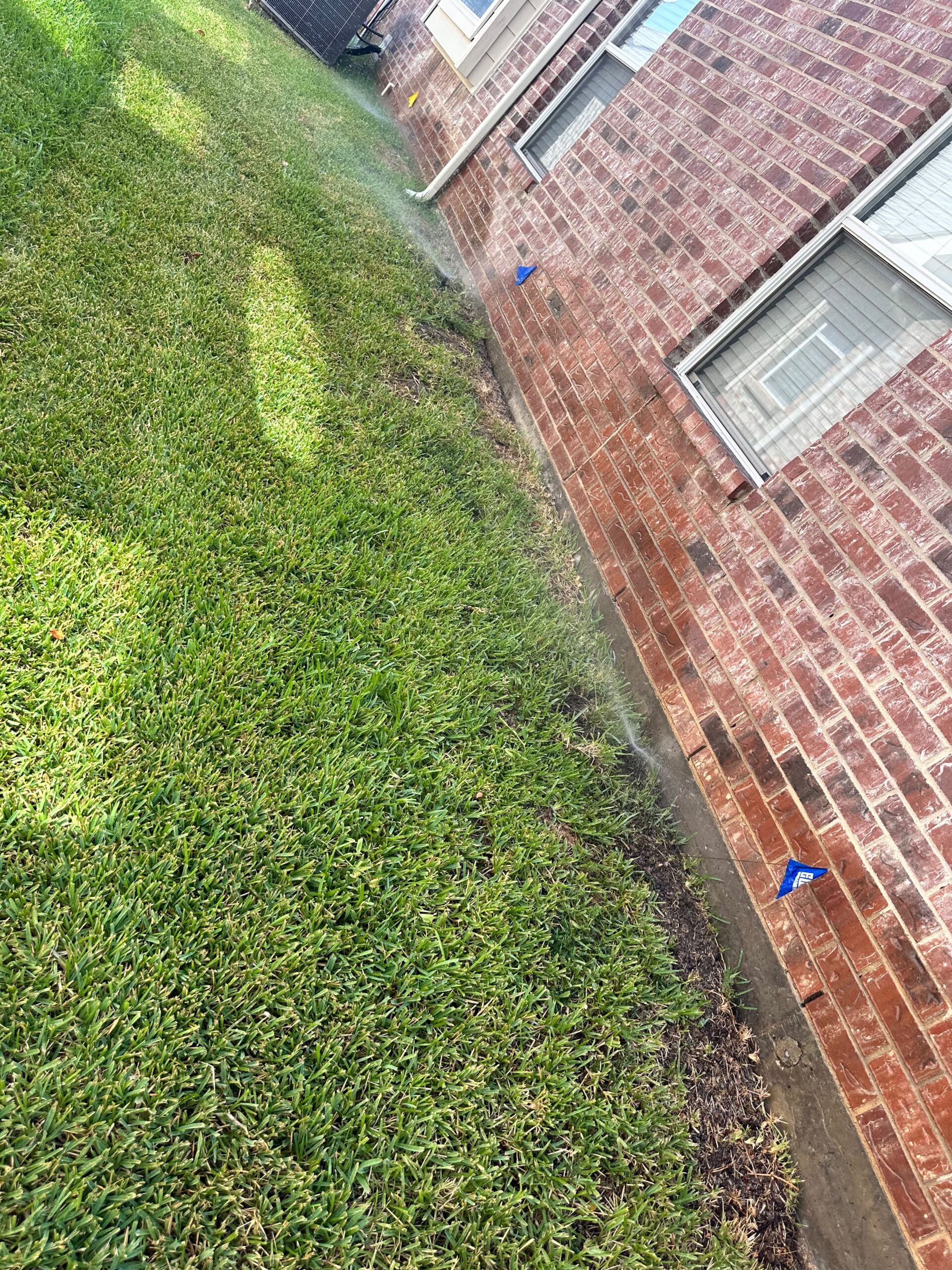
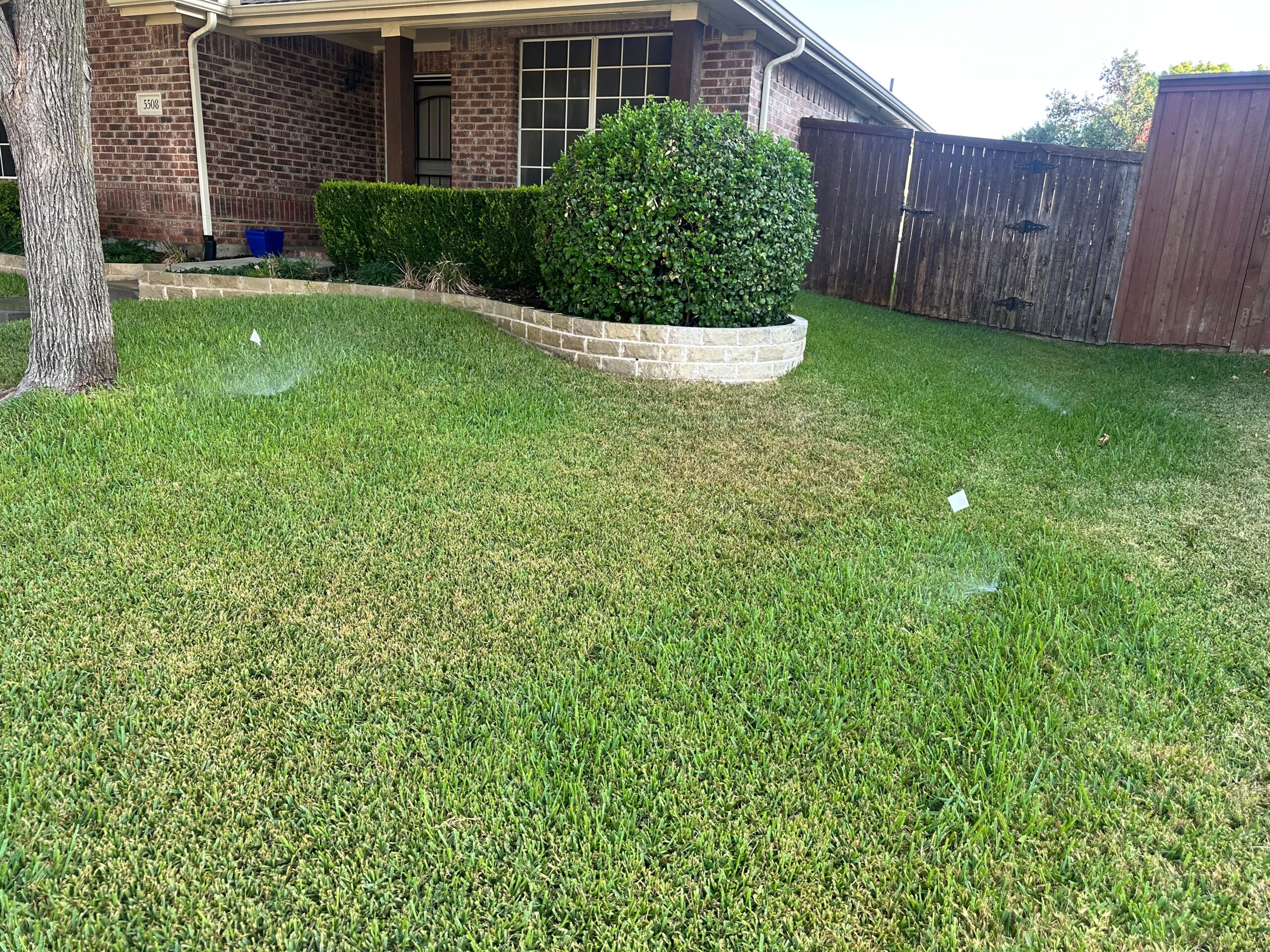
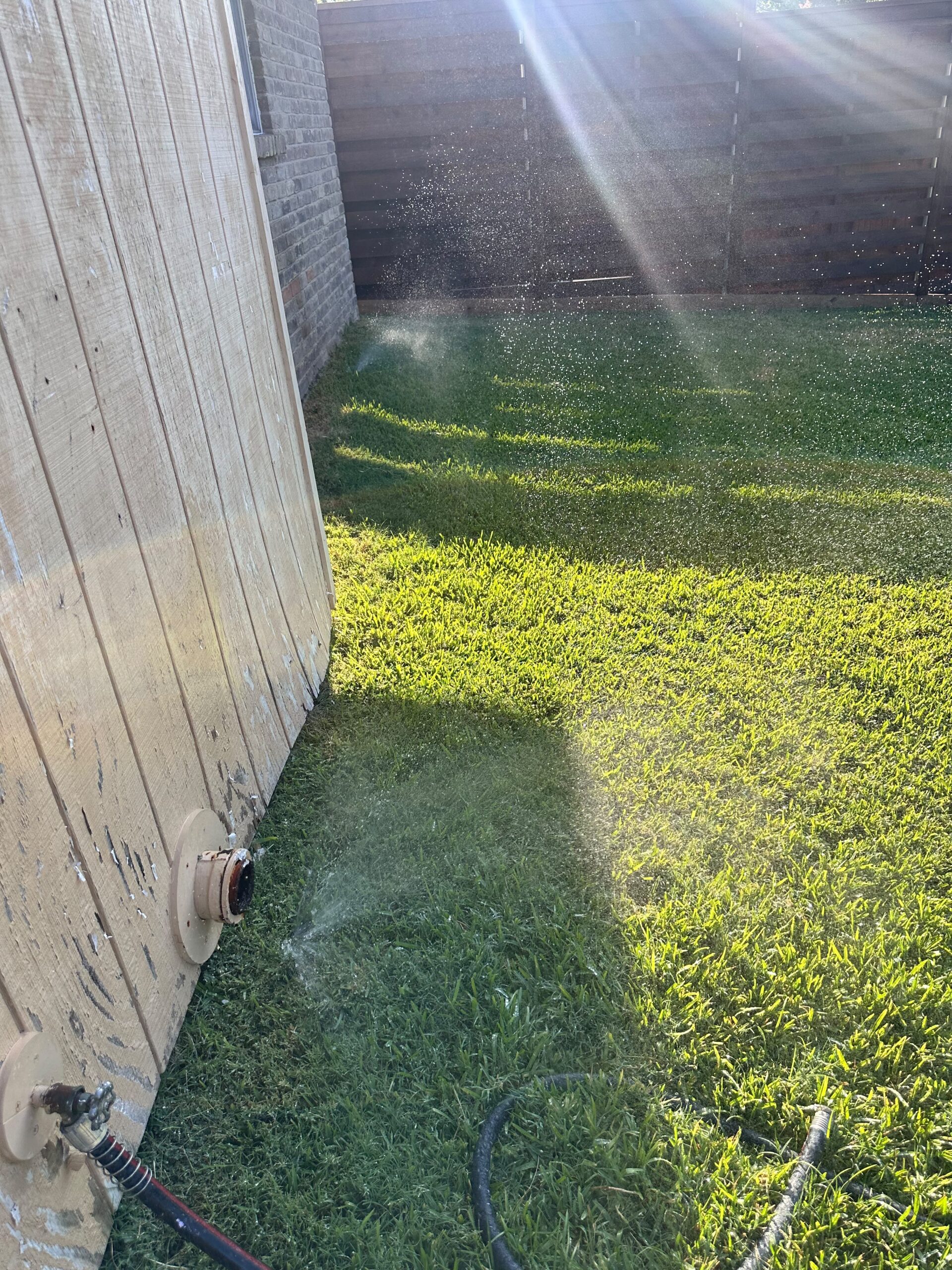
An irrigation leak in Allen TX can quickly lead homeowners to wonder whether sprinkler system repair in Allen TX is still the best option or if replacing the entire system would provide better long-term value. While many irrigation problems can be fixed with targeted repairs, there comes a point when ongoing breakdowns, aging components, and declining efficiency make replacement the more practical investment. Knowing how to recognize these situations can help protect your landscape, reduce unnecessary water waste, and prevent repeated repair expenses.
A properly functioning sprinkler system does more than keep grass green. It distributes water evenly, supports healthy plant growth, helps comply with local watering guidelines, and minimizes water consumption. When major components begin failing consistently, homeowners should evaluate whether repairing isolated problems still makes financial sense.
Understanding The Difference Between Repair And Replacement
Not every sprinkler issue requires a complete system replacement. In fact, most common irrigation problems can be corrected without replacing every component.
Typical repair situations include:
- Broken sprinkler heads
- Minor pipe leaks
- Faulty valves
- Damaged wiring
- Controller programming issues
- Clogged nozzles
- Pressure adjustments
These repairs usually restore system performance quickly and economically.
Replacement becomes a better option when multiple parts fail simultaneously or when the overall system design no longer meets the property’s irrigation needs. Older systems often lack the efficiency and technology available in today’s irrigation equipment, making replacement a worthwhile consideration.
Signs Your Sprinkler System Is Nearing The End Of Its Life
Every irrigation system has an expected lifespan depending on installation quality, maintenance, water conditions, and usage.
Common indicators include:
Frequent Breakdowns
If new issues appear every few months, repair costs can begin adding up quickly. One repair may solve today’s problem but reveal another hidden weakness shortly afterward.
Repeated failures often indicate that several components are wearing out at the same time.
Aging Pipes
Underground PVC pipes become more vulnerable to cracking after years of exposure to soil movement, tree roots, and seasonal expansion.
Replacing isolated sections may help temporarily, but widespread deterioration usually points toward larger system replacement.
Multiple Valve Failures
Control valves regulate water flow throughout each irrigation zone.
When several valves begin sticking, leaking, or failing together, the entire hydraulic system may be showing signs of age.
Electrical Problems
Older irrigation wiring may experience:
- Corrosion
- Damaged insulation
- Rodent damage
- Poor electrical connections
Electrical issues can become increasingly difficult to diagnose as systems age.
Why Older Sprinkler Systems Become Less Efficient
Technology has changed significantly over the past decade.
Many older systems continue operating, but they often waste water through outdated equipment and inefficient distribution patterns.
Modern upgrades include:
- Pressure-regulated sprinkler heads
- High-efficiency rotary nozzles
- Smart irrigation controllers
- Rain sensors
- Soil moisture sensors
- Weather-based scheduling
These improvements reduce water consumption while maintaining healthier landscapes.
According to the EPA WaterSense, properly designed irrigation systems combined with smart technology can significantly improve outdoor water efficiency.
When An Irrigation Leak In Allen TX Signals A Bigger Problem
An irrigation leak in Allen TX is sometimes only one visible symptom of a much larger issue.
Leaks may develop because:
- Underground pipes are deteriorating
- Water pressure exceeds design limits
- Tree roots have damaged piping
- Poor installation created weak connections
- Soil movement shifted underground lines
If leaks continue appearing in different locations, replacing aging sections—or even the entire system—may become more economical than repeated repairs.
Professional leak detection helps determine whether isolated repairs will solve the problem permanently.
Comparing Long-Term Repair Costs
Many homeowners focus only on the immediate repair cost, but it’s equally important to consider the long-term financial impact of frequent service calls. While a single repair may seem affordable, recurring issues throughout the year can eventually cost more than investing in a modern irrigation system. When evaluating your options, consider annual repair expenses, water loss caused by hidden leaks, damage to your lawn or landscaping, rising utility bills due to inefficient watering, unexpected emergency repair costs, and the availability of replacement parts.
As irrigation systems age, certain components may become discontinued or difficult to source, increasing both repair costs and downtime. Looking at the overall picture helps homeowners make a more informed, cost-effective decision for the future.
Does Your Irrigation Design Still Match Your Landscape?
Landscapes change over time.
You may have added:
- Flower beds
- Trees
- Garden areas
- Outdoor living spaces
- Expanded lawns
An irrigation layout installed years ago may no longer provide proper coverage.
Uneven watering often leads to:
- Dry spots
- Oversaturated soil
- Runoff
- Plant stress
- Higher water consumption
A redesigned irrigation system can improve coverage while reducing waste.
The Texas A&M AgriLife Extension offers guidance on efficient irrigation practices suitable for Texas landscapes.
Water Pressure Problems That Keep Returning
Consistent water pressure is essential for proper sprinkler performance because it ensures every zone receives the right amount of water for healthy landscape growth. When pressure problems continue despite multiple repairs, the issue may be more than a simple adjustment. Common causes include underground restrictions, deteriorating pipes, failing valves, incorrect pipe sizing, or a malfunctioning pressure regulator.
These problems can reduce system efficiency, create uneven watering, and increase water waste over time. If several irrigation zones experience recurring pressure issues, replacing larger sections of the sprinkler system may provide a more dependable and cost-effective long-term solution. A professional inspection can accurately identify the underlying cause and recommend the most practical course of action.
Are Replacement Parts Becoming Difficult To Find?
Many irrigation systems installed decades ago rely on components that manufacturers no longer produce, making repairs more difficult and time-consuming. When replacement parts are discontinued, technicians may need to search for compatible alternatives, increasing repair times and labor costs. Homeowners may also face higher expenses because scarce parts often cost more than standard components.
In some cases, temporary repairs become the only option, which can lead to recurring issues and additional service visits. Limited compatibility between old and new parts may also affect the overall reliability of the system. By comparison, modern irrigation systems use standardized components that are widely available, easier to replace, and designed for long-term serviceability, helping reduce maintenance costs while improving reliability and repair efficiency.
Smart Irrigation Technology Makes Replacement Worth Considering
Replacing an outdated system allows homeowners to benefit from modern irrigation innovations.
Popular upgrades include:
Weather-Based Controllers
These controllers automatically adjust watering schedules according to local weather conditions.
Soil Moisture Sensors
Watering occurs only when soil moisture actually requires it.
Remote Monitoring
Many controllers connect to smartphone apps, allowing homeowners to monitor irrigation from anywhere.
Zone Customization
Different landscape areas receive watering schedules based on plant needs instead of one schedule for the entire yard.
The Irrigation Association provides information about modern irrigation technologies and best practices for efficient landscape watering.
Environmental Benefits Of Replacing An Aging System
Replacing outdated irrigation equipment benefits more than your lawn.
Improved efficiency helps:
- Reduce water waste
- Lower runoff
- Protect nearby waterways
- Support local conservation efforts
- Improve landscape health
Efficient irrigation systems also reduce unnecessary strain on municipal water supplies during peak summer months.
How Professional Inspections Guide The Right Decision
A professional inspection provides valuable information before deciding whether to repair or replace a sprinkler system. During the evaluation, technicians carefully assess controller operation, valve performance, water pressure, pipe condition, coverage uniformity, sprinkler head alignment, electrical connections, leak locations, and the operation of each irrigation zone. This thorough assessment helps determine if the problem is limited to a few components that can be repaired or if the overall system has deteriorated enough to justify replacement. Rather than relying on one visible issue, homeowners benefit from a comprehensive inspection that identifies hidden problems and supports a more informed, cost-effective long-term decision.
Questions To Ask Before Investing In Major Repairs
Before approving expensive repairs, consider asking:
- How old is the irrigation system?
- Have repairs become more frequent?
- Are replacement parts still available?
- Is water coverage still uniform?
- Are utility bills increasing?
- Would upgrading improve efficiency?
- Does the system match the current landscape?
These questions help determine whether continued repairs provide lasting value.
Preventive Maintenance Can Delay Replacement
Replacement isn’t always immediately necessary.
Routine maintenance helps extend irrigation system life by identifying small issues before they become major failures.
Recommended maintenance includes:
- Seasonal inspections
- Controller testing
- Valve adjustments
- Leak detection
- Pressure testing
- Sprinkler head alignment
- Filter cleaning
- Schedule updates
Consistent maintenance improves performance while reducing unexpected repair costs.
For additional homeowner irrigation maintenance guidance, the Cooperative Extension System offers educational resources covering landscape care and water management.
Making A Cost-Effective Decision For Your Property
Every irrigation system reaches a point where replacement becomes more practical than continued repairs.
The right decision depends on several factors working together rather than a single repair issue.
Replacement often makes sense when:
- Repair costs continue increasing annually.
- Multiple underground leaks develop.
- Several zones stop working correctly.
- Water pressure problems persist.
- Electrical components repeatedly fail.
- The system no longer fits the landscape.
- Modern efficiency upgrades would significantly reduce water waste.
On the other hand, newer systems with isolated damage often benefit from professional repairs that restore reliable performance without the expense of complete replacement.
Evaluating the overall condition of the system—not just today’s visible problem—helps homeowners make an informed decision that protects both their landscape and their long-term investment.
Conclusion
If you’re dealing with an irrigation leak in Allen TX or need dependable sprinkler system repair in Allen TX, it’s important to determine whether repairing your existing system or replacing it will provide the greatest long-term value. A professional evaluation can identify hidden issues, improve irrigation efficiency, and help prevent ongoing repair costs. For expert guidance and reliable irrigation solutions, contact Whale Done Sprinklers & Irrigation at +1 (469) 384-7767 or email clientsupport@callwhaledone.com.