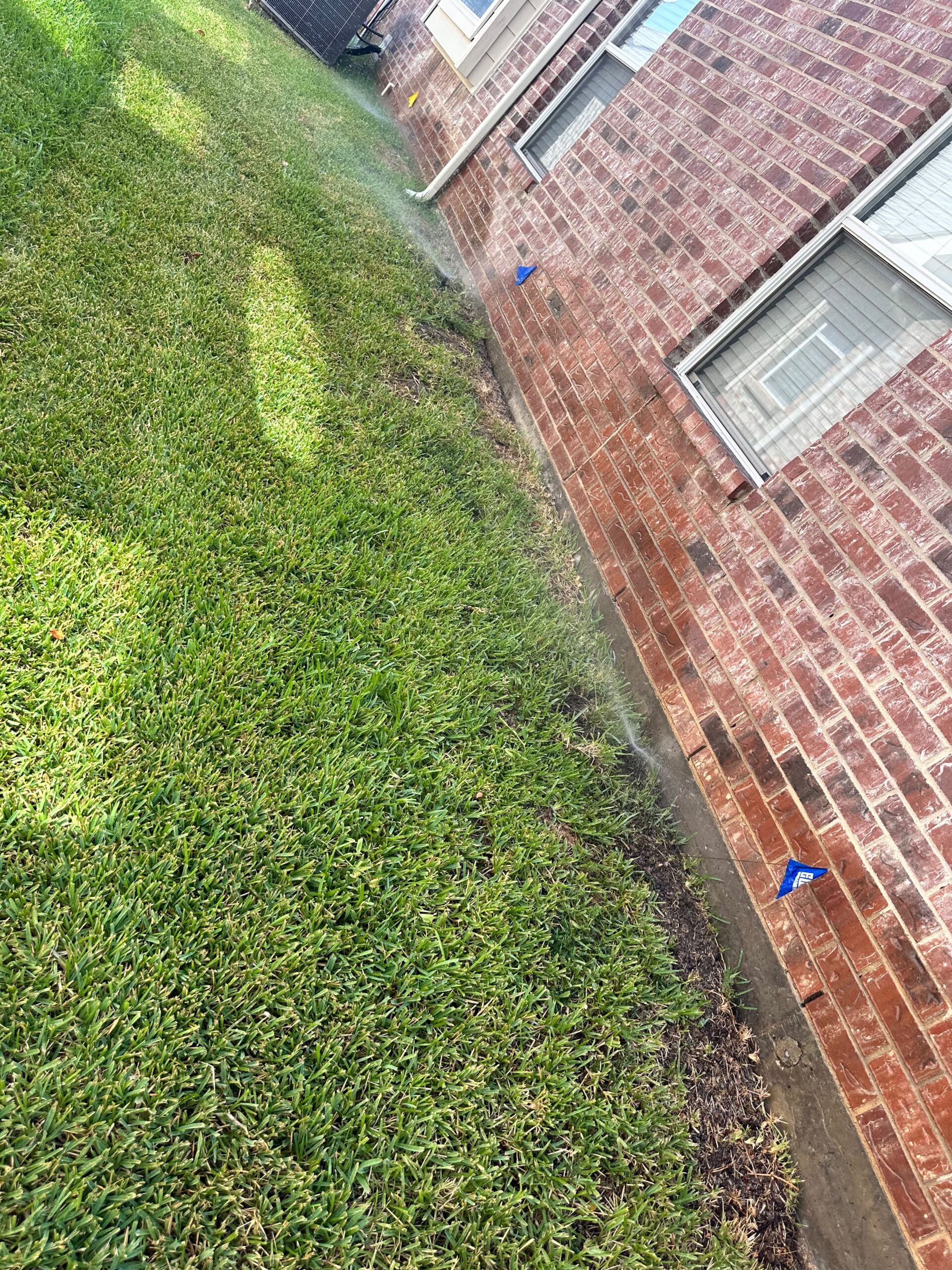
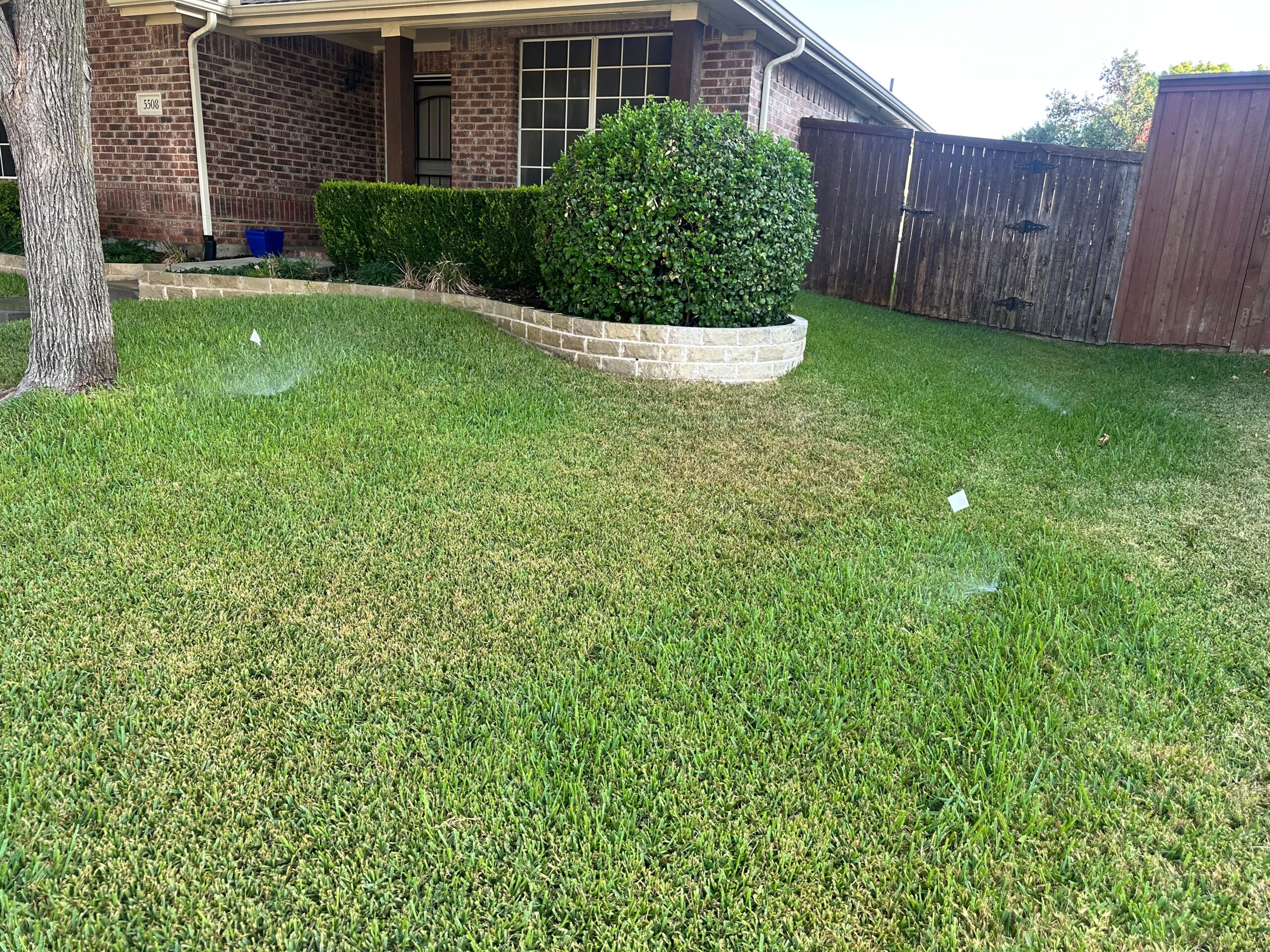
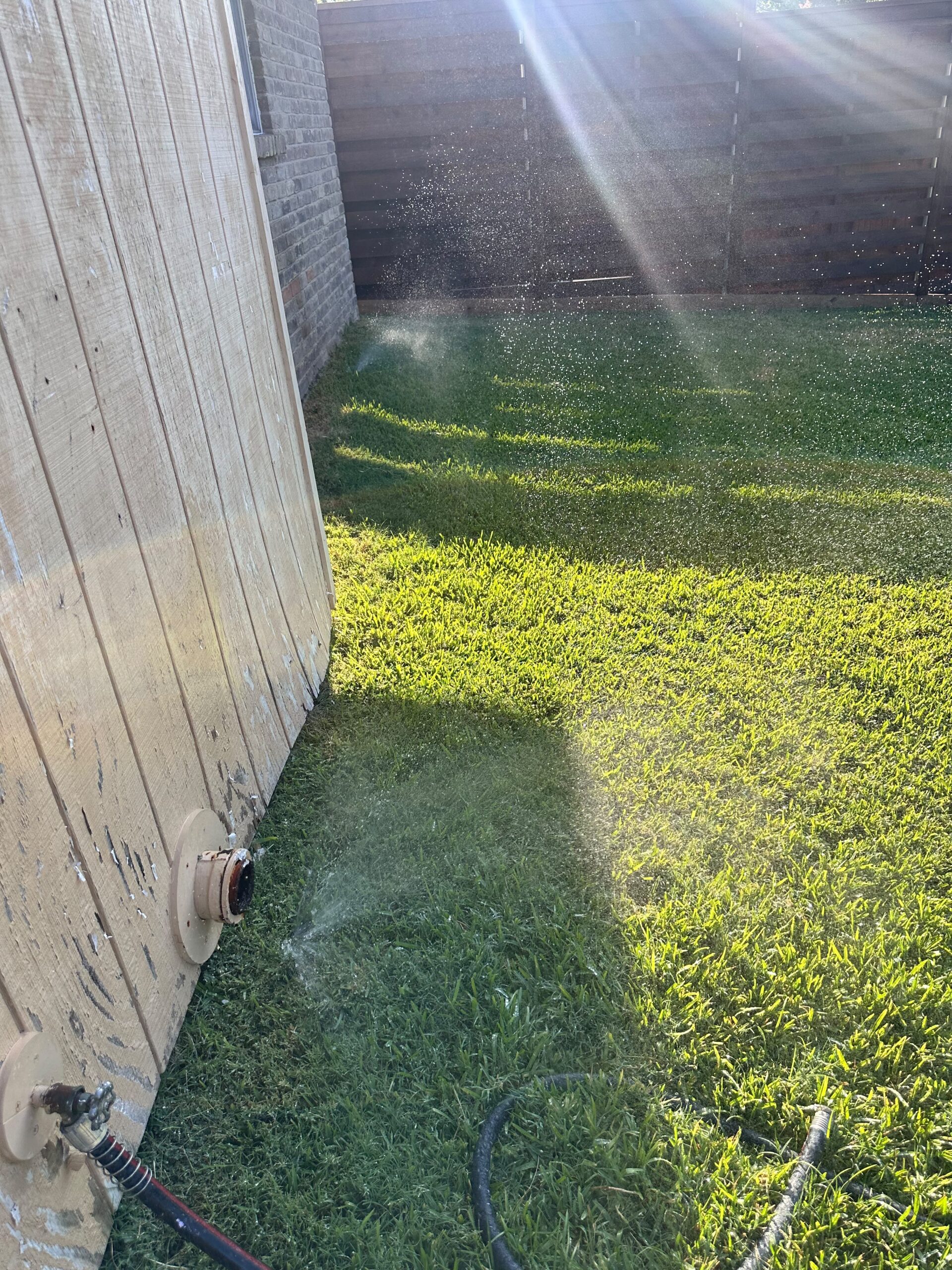
An irrigation leak in McKinney TX may seem minor at first, but even a small, unnoticed issue can lead to significant water waste, higher utility bills, and long-term landscape damage. Many homeowners assume that a slight drip or a damp patch in the yard is harmless. However, irrigation systems operate under pressure, and even a tiny leak can release gallons of water daily. Over time, this inefficiency not only affects your lawn’s health but also contributes to unnecessary water consumption in a region where conservation is increasingly important.
Understanding how small leaks develop, their impact, and how to address them early can help homeowners maintain an efficient irrigation system while protecting their property and resources.
Why Small Irrigation Leaks Should Not Be Ignored
It’s easy to underestimate the impact of a small leak, especially when your system still appears to be functioning. However, irrigation systems are designed to distribute water evenly across your landscape. When a leak occurs, it disrupts that balance.
A small crack in a pipe or a slightly damaged sprinkler head can release water continuously whenever the system runs. Over days or weeks, this adds up significantly. Even a slow leak can waste hundreds of gallons of water per month. This not only affects your water bill but also reduces the efficiency of your irrigation system.
Additionally, water escaping from unintended areas can lead to soil erosion, pooling water, and even damage to your home’s foundation if the leak is close to the structure.
Common Causes of Irrigation Leaks
Understanding what causes leaks can help you prevent them before they start. In McKinney, several environmental and mechanical factors contribute to irrigation system issues.
- Aging Components
Over time, pipes, valves, and sprinkler heads naturally wear out. Exposure to heat, moisture, and pressure cycles can weaken materials, leading to cracks or breaks.
- Soil Movement
The clay-rich soil common in North Texas expands and contracts with moisture changes. This movement can shift pipes and fittings, causing stress that leads to leaks.
- Poor Installation
Improper installation techniques, such as loose connections or shallow pipe placement, can increase the likelihood of leaks developing over time.
- Tree Root Intrusion
Roots naturally seek out water sources. They can grow into or around irrigation lines, eventually causing damage or blockages.
- High Water Pressure
Excessive pressure within the system can strain components, leading to premature failure and leaks.
For more insights into water-efficient landscaping practices, you can explore resources from the EPA Watersense.
Signs You May Have a Hidden Irrigation Leak
Not all leaks are immediately visible. Many occur underground or in less noticeable areas of your yard. Recognizing the warning signs early can help prevent costly repairs.
- Unexplained increase in your water bill
- Wet or soggy spots in your yard
- Uneven plant growth or unusually green patches
- Reduced water pressure in sprinkler heads
- Hissing or bubbling sounds during system operation
- Water pooling near sprinkler heads or valves
If you notice any of these signs, it’s important to investigate further. Ignoring them can allow the problem to worsen over time.
How Much Water Can a Small Leak Waste?
One of the most surprising aspects of irrigation leaks is how much water they can waste. A small leak, such as a cracked sprinkler head or a pinhole in a pipe, can release several gallons of water per minute.
When you consider that most irrigation systems run multiple times per week, the total water loss can quickly become substantial. Over the course of a month, even a minor leak can waste thousands of gallons of water.
This not only impacts your utility costs but also contributes to unnecessary strain on local water resources. In growing communities like McKinney, responsible water use is essential for long-term sustainability.
For additional guidance on efficient irrigation practices, visit Texas A&M AgriLife Extension.
The Impact Of An Irrigation Leak In McKinney TX
An irrigation leak in McKinney TX does more than just waste water—it can affect multiple aspects of your property and daily life.
1. Increased Water Bills
Even a small irrigation leak can significantly increase your monthly water bill without you realizing it. Because most irrigation systems operate automatically, hidden leaks may continue wasting water for weeks or months before noticeable symptoms appear, leading to unnecessary utility expenses.
2. Landscape Damage
Excess water from a leak can oversaturate certain areas of your lawn, damaging grass, flowers, and shrubs, while other sections remain too dry. This uneven watering creates stressed plants, patchy turf, poor root development, and an unhealthy landscape appearance over time.
3. Soil Erosion
A continuous irrigation leak can gradually wash away soil, especially on sloped landscapes or around sprinkler heads. As soil erodes, plant roots become exposed, landscape surfaces become uneven, and irrigation performance declines due to changing ground conditions and unstable support.
4. Foundation Risks
When an irrigation leak occurs near your home’s foundation, excess moisture can saturate the surrounding soil. Over time, repeated expansion and contraction of the soil may contribute to foundation movement, cracks, or other structural concerns that require costly repairs.
5. Environmental Impact
Water lost through irrigation leaks is a valuable resource that cannot be recovered. Continuous waste increases demand on local water supplies, places additional strain on municipal infrastructure, and reduces overall water conservation efforts, making efficient irrigation maintenance increasingly important.
Why Early Detection Matters
Detecting leaks early is key to minimizing damage and maintaining system efficiency. Regular inspections can help identify small issues before they become major problems.
Routine system checks should include:
- Inspecting sprinkler heads for damage or misalignment
- Checking for leaks around valves and connections
- Monitoring water pressure levels
- Observing system performance during operation
Homeowners who take a proactive approach to maintenance often experience fewer costly repairs and better overall system performance.
For a deeper understanding of irrigation system maintenance, you can refer to Irrigation Association.
Preventive Maintenance Tips
Preventing irrigation leaks is often more cost-effective than repairing them. By following a few simple maintenance practices, you can extend the life of your system and reduce the risk of leaks.
1. Schedule Regular Inspections
Inspect your irrigation system at least once every season to identify leaks, damaged sprinkler heads, worn valves, loose fittings, or other visible issues before they develop into costly repairs.
2. Adjust Water Pressure
Maintain your irrigation system within the manufacturer’s recommended water pressure range to reduce stress on pipes, valves, and sprinkler heads while improving efficiency and preventing unnecessary leaks.
3. Replace Worn Parts Promptly
Replace cracked sprinkler heads, damaged nozzles, worn seals, or deteriorating fittings as soon as they are discovered to maintain reliable performance and prevent small issues from becoming larger problems.
4. Monitor System Performance
Observe your irrigation system during each watering cycle for uneven spray patterns, low water pressure, pooling water, or dry spots that may indicate hidden leaks or mechanical failures.
5. Upgrade to Efficient Technology
Consider installing smart irrigation controllers, weather sensors, and flow monitoring devices that automatically adjust watering schedules, detect potential leaks, and improve overall water efficiency throughout your landscape.
Learn more about smart irrigation solutions at Sprinkler Warehouse.
The Role of Smart Irrigation Systems
Technology has made it easier than ever to manage irrigation systems efficiently. Smart controllers and sensors can detect leaks, monitor water usage, and adjust schedules based on weather conditions.
These systems help reduce water waste by ensuring that your landscape receives the right amount of water at the right time. They can also alert homeowners to potential issues, allowing for quicker response and repair.
Investing in smart irrigation technology not only improves efficiency but also supports sustainable water management practices in your community.
Seasonal Factors That Influence Irrigation Leaks
McKinney’s climate plays a significant role in irrigation system performance. Seasonal changes can increase the likelihood of leaks if systems are not properly maintained.
Spring and Summer
Higher water usage and increased system activity can expose weaknesses in aging components.
Fall
Falling leaves and debris can clog sprinkler heads and affect system performance.
Winter
Freezing temperatures can cause water inside pipes to expand, leading to cracks or breaks.
Preparing your system for seasonal changes can help prevent leaks and ensure consistent performance year-round.
When to Call a Professional
While homeowners can often replace a damaged sprinkler head or adjust a misaligned nozzle, many irrigation leaks require professional expertise to diagnose and repair correctly. Underground pipe leaks, faulty valves, electrical wiring problems, and controller malfunctions can be difficult to locate without specialized equipment and experience. Attempting to fix these issues without proper knowledge may lead to additional damage or unnecessary repair costs.
A professional irrigation inspection uses proven diagnostic methods to pinpoint the exact source of the leak, assess the condition of the entire system, and recommend the most effective solution. Prompt, accurate repairs help restore system efficiency, prevent ongoing water waste, protect your landscape, and reduce the likelihood of more expensive problems developing in the future.
Long-Term Benefits of Fixing Irrigation Leaks
Addressing irrigation leaks promptly offers several long-term advantages:
- Lower water bills
- Improved landscape health
- Increased system efficiency
- Reduced environmental impact
- Extended lifespan of irrigation components
By maintaining a well-functioning system, homeowners can enjoy a healthy, vibrant landscape while minimizing unnecessary costs.
Conclusion
An irrigation leak in McKinney TX may start small, but its impact can grow quickly if left unaddressed. From increased water bills to landscape damage and environmental concerns, even minor leaks can create significant challenges over time. Regular inspections, preventive maintenance, and timely repairs are essential for keeping your irrigation system efficient and reliable.
If you suspect a leak or want to ensure your system is operating at its best, professional assistance can make all the difference.
Whale Done Sprinklers & Irrigation
Phone: +1 (469) 384-7767
Email: clientsupport@callwhaledone.com