Sprinkler system inspection Parker homeowners rely on is one of the most effective ways to maintain a healthy lawn, control water usage, and avoid costly irrigation failures.
In Parker, irrigation systems work hard year-round to support landscapes through hot summers, shifting soil conditions, and unpredictable weather. While sprinkler systems are designed for durability, they are not maintenance-free. Valves wear out, sprinkler heads break, pressure changes occur, and underground components can quietly fail without obvious warning signs.
A professional sprinkler system inspection identifies these hidden issues early, ensuring your irrigation system operates efficiently, distributes water evenly, and complies with local watering standards. Regular inspections not only protect your lawn investment but also help reduce water waste and unexpected repair costs.
Why Sprinkler System Inspections Matter in Parker
Parker’s climate places unique demands on irrigation systems. Long periods of heat, clay-heavy soil, and occasional drought restrictions mean sprinkler systems must be calibrated precisely to perform correctly.
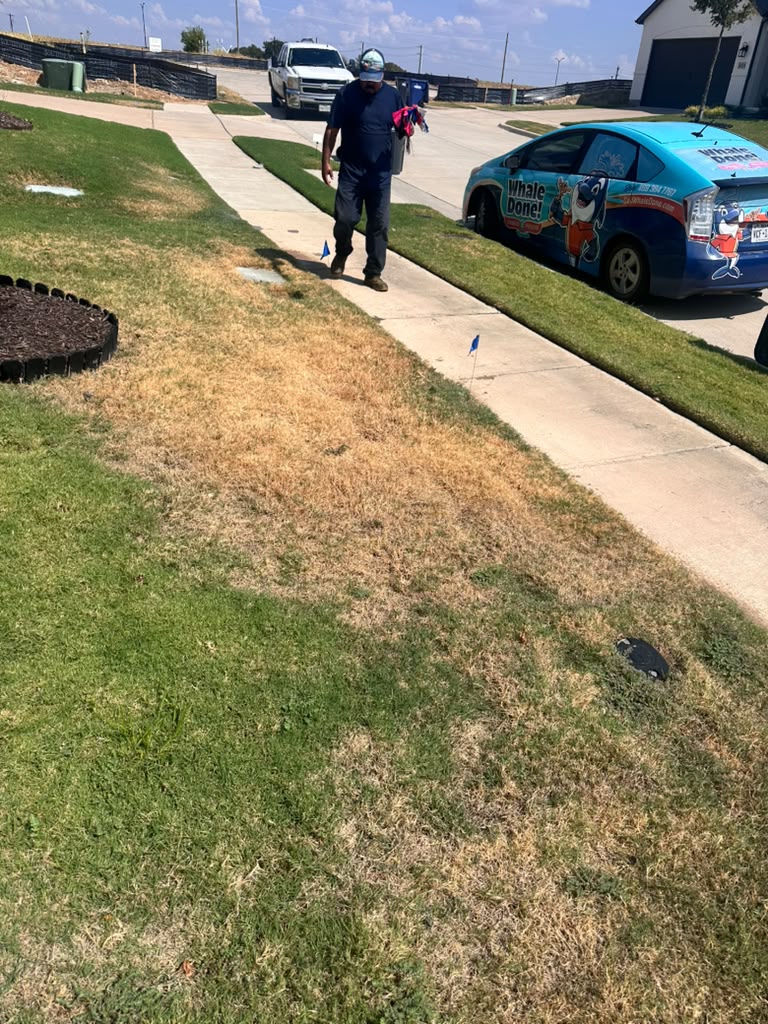
Without proper inspection, minor issues can escalate into major problems. A small leak underground can increase water bills, damage turf roots, and undermine soil stability. Misaligned or clogged heads can create dry patches in one area while flooding another.
A routine inspection ensures your system adapts to Parker’s environmental conditions rather than working against them.
Common Problems Found During Sprinkler System Inspections
Even well-installed systems can develop problems over time. During a sprinkler system inspection, professionals often uncover issues that homeowners rarely notice until damage occurs.
Worn or Broken Sprinkler Heads
Sprinkler heads are exposed to lawn mowers, foot traffic, soil movement, and debris. Cracked housings or damaged nozzles can cause misting, overspray, or uneven coverage.
Pressure Irregularities
Improper water pressure is one of the most common causes of system inefficiency. High pressure leads to misting and water loss, while low pressure prevents heads from popping up fully.
Leaking Valves and Fittings
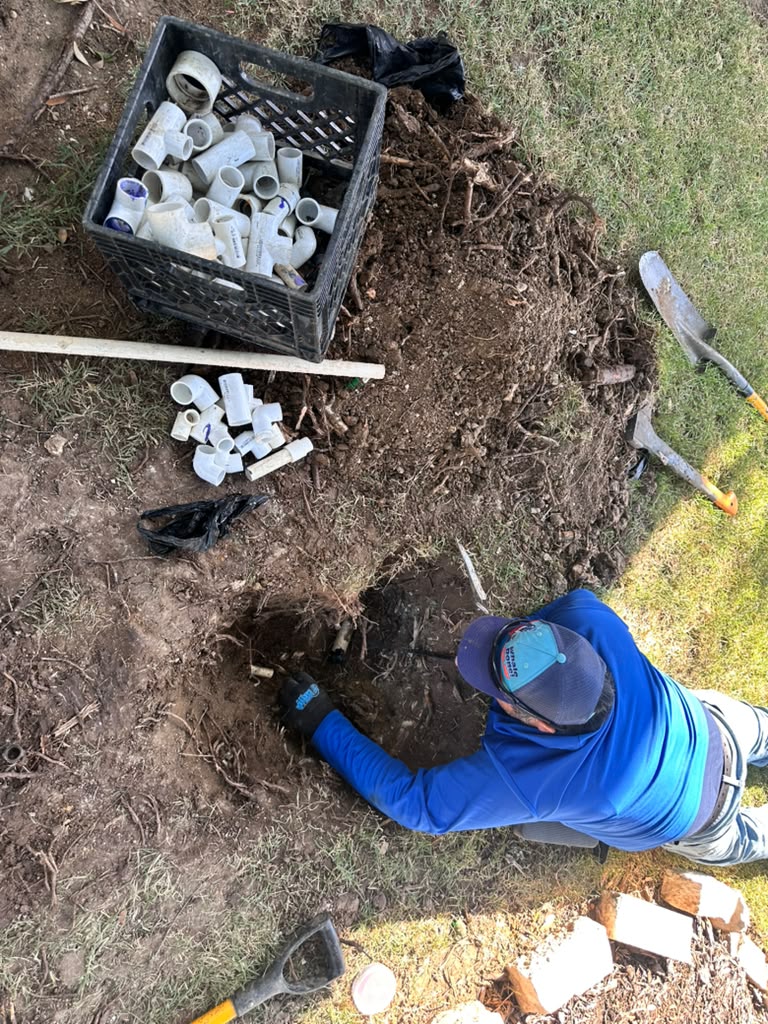
Valve leaks often go unnoticed because they occur underground. Over time, leaks waste water, weaken surrounding soil, and reduce overall system performance.
Controller Programming Errors
Incorrect schedules, outdated seasonal settings, or malfunctioning controllers can cause overwatering or insufficient coverage. Inspections verify that watering programs match landscape needs and seasonal conditions.
What a Professional Sprinkler System Inspection Includes
A comprehensive sprinkler system inspection Parker property owners benefit from goes beyond a simple system turn-on. It involves a structured evaluation of all irrigation components to ensure consistent performance.
- Visual System Assessment: Inspectors begin by checking visible components such as sprinkler heads, risers, and zones for signs of damage, misalignment, or obstruction.
- Zone-by-Zone Testing: Each irrigation zone is activated individually to observe spray patterns, coverage overlap, and timing accuracy.
- Pressure and Flow Evaluation: Water pressure is measured to confirm it falls within recommended ranges for your specific system design.
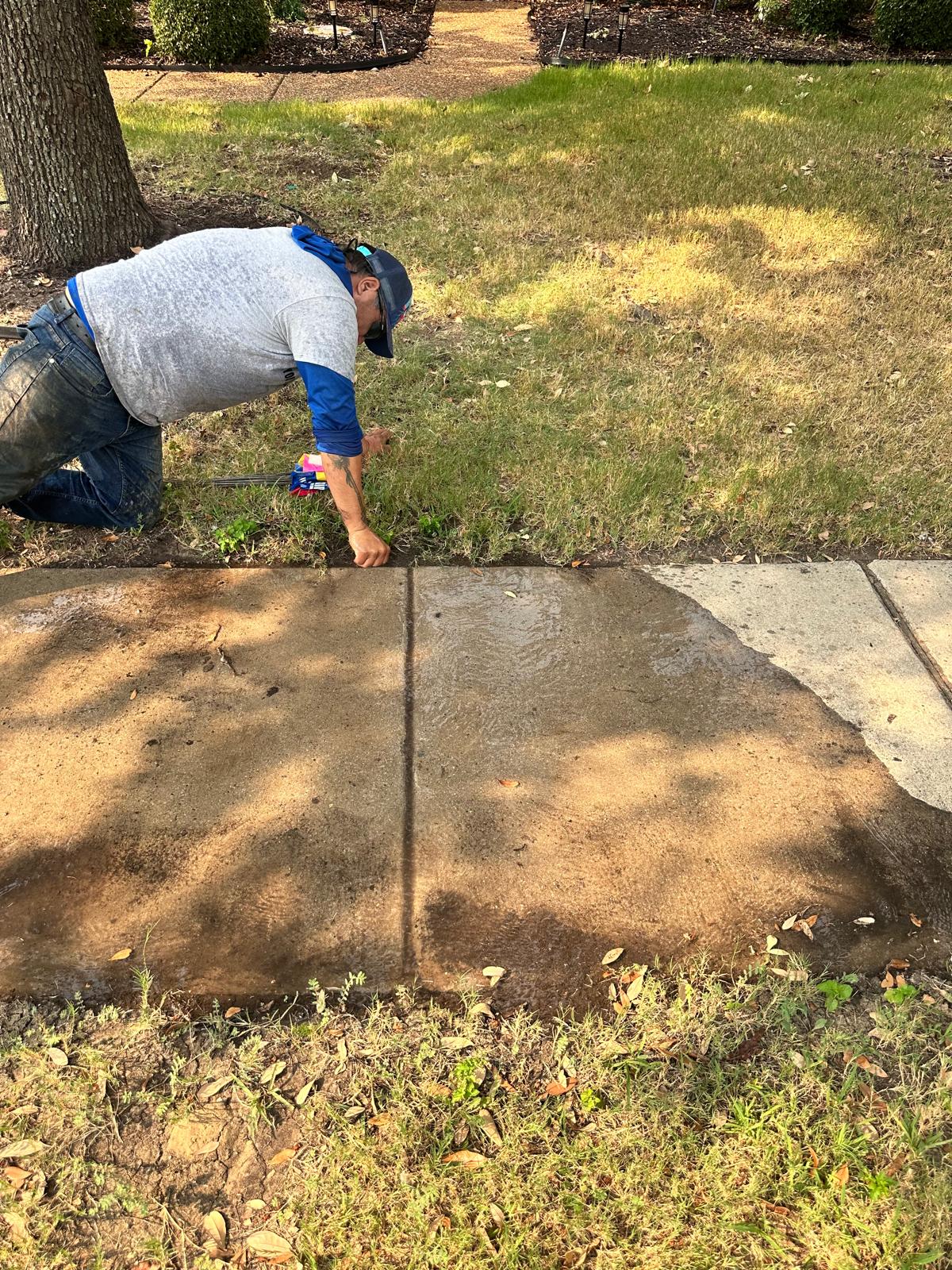
- Leak Detection: Professionals look for signs of underground leaks, including soggy soil, pressure drops, or unusually high water usage.
- Controller Review: The irrigation controller is checked for programming accuracy, backup battery function, and compatibility with seasonal adjustments.
How Inspections Improve Water Efficiency
Water efficiency is becoming a major priority for homeowners across Texas as rising utility costs and environmental concerns encourage smarter irrigation practices, and regular system inspections are one of the most effective ways to protect both landscapes and water resources while preventing hidden waste that often goes unnoticed in daily lawn care routines and seasonal maintenance tasks across many properties.
According to the Environmental Protection Agency inefficient irrigation systems can waste thousands of gallons each year through leaks, runoff, or evaporation, but a professional inspection can correct spray patterns, balance water pressure, detect small leaks early, and optimize watering schedules so that every zone receives the right amount of water at the right time for healthier lawns and lower bills.
Seasonal Timing for Sprinkler System Inspections
While sprinkler inspections can be performed any time, certain seasons are especially important in Parker.
Spring Inspections
Spring inspections prepare systems for peak watering season. Winter damage, pressure changes, and controller resets are addressed before heavy usage begins.
Mid-Summer Evaluations
A mid-season check ensures the system keeps up with extreme heat without overwatering or stressing turf roots.
Fall Inspections
Fall inspections help identify wear after months of use and prepare the system for cooler temperatures or winterization.
Seasonal inspections allow irrigation systems to adapt as weather conditions change throughout the year.
Soil Conditions and Irrigation Challenges in Parker
Parker’s clay-rich soil presents unique irrigation challenges for homeowners and landscape professionals. Clay soil absorbs water slowly yet retains moisture for longer periods than sandy soils. Because of this, sprinklers that run too long often cause runoff, puddling, and wasted water. Improper watering may also compact the surface, limiting oxygen and restricting healthy root growth. Experts from the Texas A&M AgriLife Extension recommend using the cycle-and-soak irrigation approach.
This technique divides watering into shorter cycles so moisture can gradually penetrate dense clay layers. During professional inspections, technicians adjust sprinkler timing, pressure, and coverage to support this method. Proper calibration prevents erosion, protects plant roots, and keeps landscapes healthy while conserving water. It also helps maintain balanced soil moisture throughout the yard.
Protecting Landscaping Investments
Landscaping represents a significant investment for homeowners because trees, shrubs, sod, and flower beds all rely on precise irrigation to grow strong, healthy, and visually appealing throughout changing seasons; without consistent watering patterns, plants may suffer stress, develop shallow roots, lose color, and struggle to establish themselves in the soil over time, especially during hot, dry weather conditions common in many areas.
Routine sprinkler system inspections help maintain balanced water distribution, preventing both overwatering and underwatering which can weaken root systems, invite pests, encourage fungal growth and plant disease, while also improving efficiency, reducing wasted water, lowering utility costs, and protecting the long-term health, beauty, and value of your landscape investment year after year with reliable performance and healthier soil conditions
Technology and Modern Irrigation Systems
Modern sprinkler systems often include smart controllers, rain sensors, and soil moisture sensors that automatically adjust watering schedules, helping homeowners conserve water while maintaining healthy landscapes, but even with these innovations the system still requires routine inspection, testing, and calibration to ensure each component communicates correctly and responds properly to changing weather patterns, soil conditions, and plant needs.
The Irrigation Association explains that advanced irrigation technology performs best when paired with regular professional inspections that verify sensor accuracy, confirm proper system integration, detect hidden leaks or pressure imbalances, and fine tune controller settings so the entire irrigation network reacts accurately to real world conditions, seasonal changes, and landscape water requirements, ultimately protecting both efficiency and system longevity.
Cost Savings from Preventive Inspections
One of the biggest advantages of sprinkler system inspections is the long-term cost savings they provide to homeowners and property managers who want their irrigation systems to operate efficiently year after year, because routine inspections allow professionals to detect leaks, clogged nozzles, uneven water pressure, damaged sprinkler heads, and controller issues before they develop into serious and expensive problems that require major repairs or full system replacements.
Preventive maintenance also helps reduce water waste, improve landscape health, and extend the overall lifespan of irrigation components, since small adjustments made during inspections—such as tightening fittings, recalibrating spray patterns, or replacing minor parts—can prevent costly valve replacements, underground pipe repairs, or lawn restoration projects later, meaning regular inspections gradually pay for themselves through efficiency, reliability, and fewer emergency service calls.
Signs You May Need an Immediate Inspection
While routine inspections are recommended annually, certain warning signs indicate the need for immediate evaluation:
- Sudden spikes in water bills
- Dry patches or overly wet areas in the lawn
- Sprinkler heads failing to pop up or retract
- Water pooling near valves or control boxes
- Inconsistent spray patterns
Addressing these signs early prevents further damage and water waste.
Compliance with Local Water Guidelines
Many Texas communities implement seasonal watering guidelines and irrigation efficiency standards to protect limited water supplies while supporting healthy lawns and landscapes, especially in rapidly growing suburbs where residential demand rises each year; routine irrigation inspections help homeowners confirm that sprinkler heads, controllers, valves, and drip lines operate correctly, preventing runoff, overspray onto sidewalks, and unnecessary waste while keeping properties attractive and environmentally responsible.
Research from the U.S. Geological Survey further emphasizes the growing need for efficient residential water use in expanding communities such as Parker, where population growth places additional pressure on local resources; consistent system inspections, performance testing, and timely repairs help households manage irrigation responsibly, conserve water, reduce utility costs, and still maintain vibrant, well-watered landscapes throughout changing seasonal conditions.
Choosing a Professional for Sprinkler System Inspections
Professional inspections require experience, technical knowledge, and a deep understanding of local soil conditions, climate patterns, and irrigation system design, which is why licensed irrigation professionals play a critical role in maintaining efficient watering systems, identifying hidden leaks, pressure problems, clogged sprinkler heads, uneven coverage, and aging components that homeowners might easily overlook during routine visual checks around the yard.
A thorough inspection also provides homeowners with clear explanations, detailed documentation of system conditions, photographs when necessary, and practical step-by-step recommendations for repairs, upgrades, or efficiency improvements so decisions are based on reliable information rather than guesswork, saving time, water, and long-term maintenance costs while helping irrigation systems operate consistently through changing seasons and landscape needs.
Conclusion
A sprinkler system inspection Parker homeowners schedule regularly is an essential part of responsible landscape care. Inspections protect lawns, conserve water, and prevent costly repairs by identifying issues before they escalate. With Parker’s climate and soil conditions, professional inspections ensure irrigation systems perform efficiently in every season.
For trusted sprinkler system inspection services, contact Whale Done Sprinklers & Irrigation.
📞 Phone: +1 (469) 384-7767
📧 Email: clientsupport@callwhaledone.com