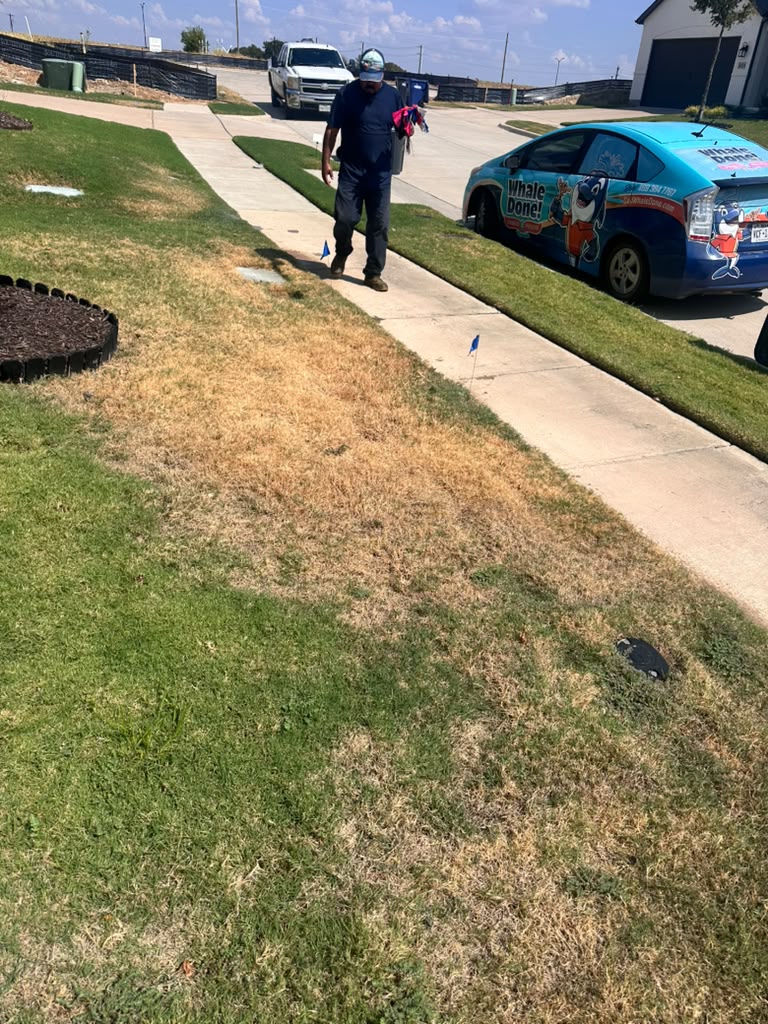
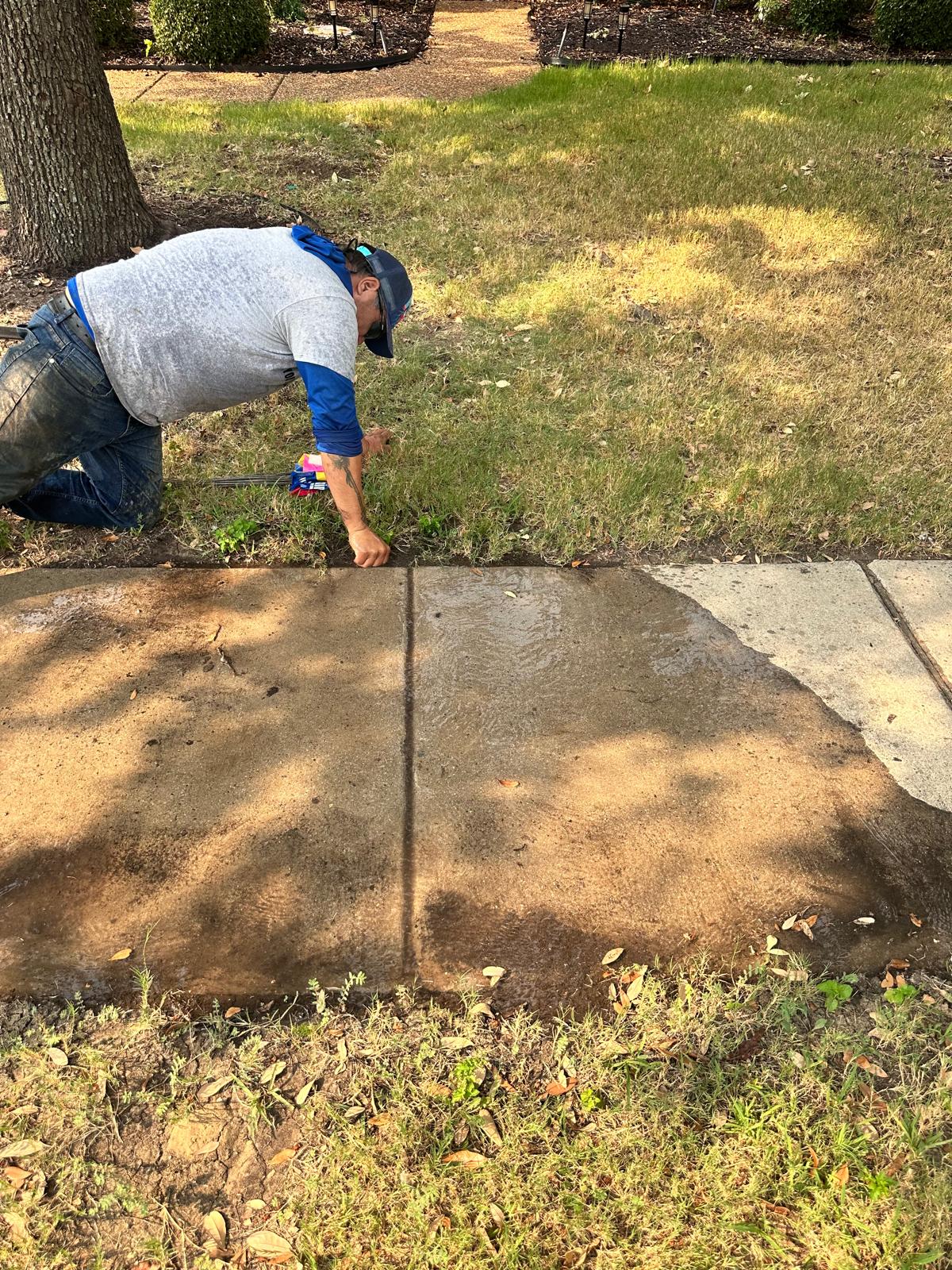
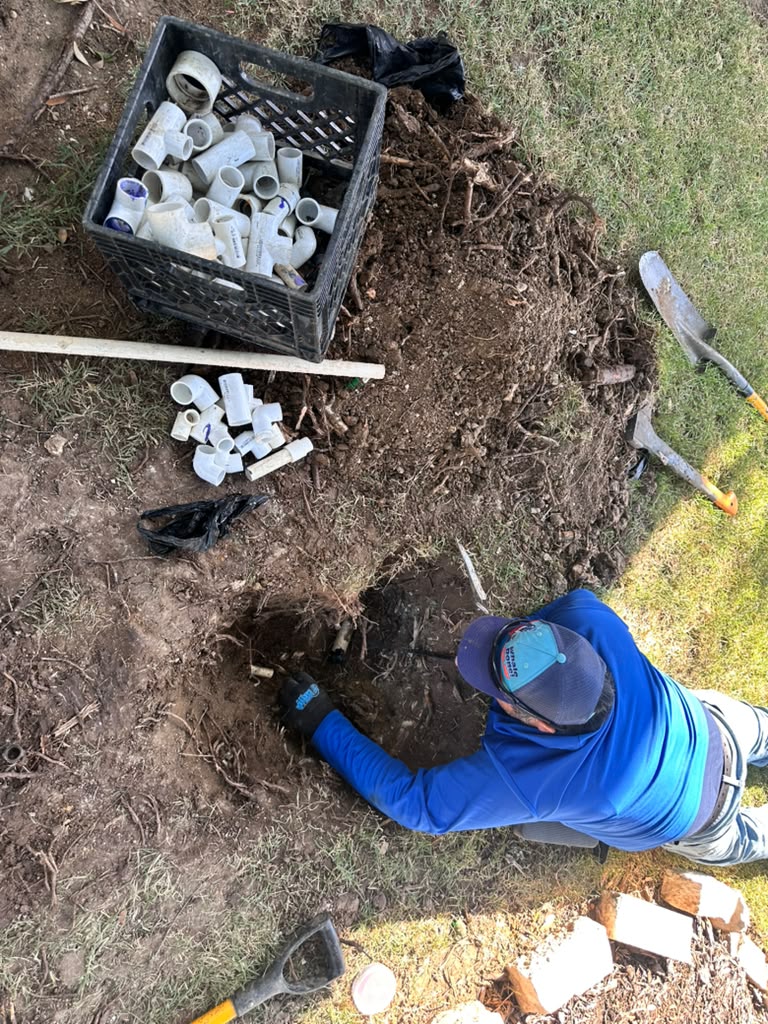
A soggy lawn in Wylie TX is a common issue homeowners face after heavy rainfall, leaving yards muddy, unhealthy, and difficult to maintain. While occasional wetness is expected following a storm, persistent sogginess often points to underlying drainage, soil, or irrigation problems that require attention. If water remains on your lawn for several days, it can weaken grass roots, encourage fungal diseases, attract mosquitoes, and even affect your home’s foundation if left unresolved.
Understanding why your lawn holds excess water is the first step toward protecting your landscape and preventing costly long-term damage. In this guide, we’ll discuss the most common causes of a soggy lawn, explain how to identify the source of the problem, and explore practical solutions that can improve drainage and help keep your yard healthy throughout the year.
Why Lawns Become Waterlogged After Rain
Not all lawns drain water the same way. In Wylie, TX, environmental conditions and soil composition play a significant role in how water behaves after rainfall.
1. Clay-Heavy Soil Conditions
Wylie and surrounding areas commonly have clay-rich soil. While this soil type retains nutrients well, it also drains very slowly.
Clay particles are tightly packed, leaving minimal space for water to pass through. As a result, even moderate rainfall can lead to pooling water that lingers for days.
You can learn more about soil behavior and water absorption from resources like Texas A&M AgriLife Extension.
When your soil cannot absorb water efficiently, surface saturation becomes unavoidable.
2. Poor Yard Grading
Grading refers to how your yard is sloped. Ideally, your lawn should direct water away from your home and toward designated drainage areas.
If your yard is uneven or slopes incorrectly:
- Water may collect in low spots
- Runoff may flow back toward the foundation
- Standing water can persist long after rainfall
Improper grading is one of the leading causes of persistent lawn sogginess.
3. Compacted Soil
Over time, foot traffic, heavy equipment, and even regular mowing can compress soil. Compacted soil limits airflow and reduces water infiltration.
Signs of compacted soil include:
- Hard ground when dry
- Water pooling quickly after rain
- Grass struggling to grow evenly
Aeration is often required to loosen the soil and restore proper drainage.
Common Irrigation Issues That Worsen Lawn Saturation
Rain alone isn’t always the problem. In many cases, irrigation systems contribute to the issue.
4. Overwatering From Sprinkler Systems
If your sprinkler system runs during or immediately after rainfall, your lawn can become oversaturated.
Smart irrigation practices recommend adjusting watering schedules based on weather conditions. According to EPA WaterSense, efficient irrigation can significantly reduce excess water usage.
Failing to adjust your system can turn a temporary wet lawn into a prolonged drainage problem.
5. Leaking Sprinkler Lines
Underground leaks are difficult to detect but can continuously add water to already saturated soil.
Warning signs include:
- Constant wet patches in the yard
- Increased water bills
- Areas of unusually lush or fast-growing grass
Leaks often go unnoticed until the damage becomes severe.
6. Malfunctioning Valves or Controllers
Sprinkler valves control the flow of water to different zones. When they malfunction, they may allow water to flow continuously—even when the system is turned off.
Controller issues can also lead to:
- Incorrect watering schedules
- Overlapping cycles
- Watering during rainfall
These problems can significantly contribute to lawn saturation.
Environmental and Landscape Factors
Beyond soil and irrigation, several environmental factors can lead to a soggy yard.
7. Inadequate Drainage Systems
Some properties lack proper drainage infrastructure, such as:
- French drains
- Surface drains
- Downspout extensions
Without these systems, rainwater has nowhere to go, leading to pooling and sogginess.
For a deeper understanding of drainage solutions, resources like Irrigation Association offer valuable insights into water management practices.
8. Low-Lying Areas in the Yard
Natural depressions in your landscape can act like basins, collecting water during rainfall.
These areas may remain wet longer than the rest of your lawn and often require targeted solutions like:
- Soil leveling
- Drain installation
- Landscaping adjustments
9. Runoff From Neighboring Properties
Water doesn’t always originate from your own yard. If nearby properties are elevated, runoff may flow into your lawn.
This can overwhelm your drainage capacity, especially during heavy storms.
Effects of a Persistently Soggy Lawn
Ignoring a soggy lawn can lead to several long-term problems that affect both your yard and your home.
Grass Damage
Excess water suffocates grass roots by limiting oxygen availability, preventing them from absorbing essential nutrients needed for healthy growth. Over time, this lack of oxygen can cause yellowing or browning grass, patchy and uneven growth, and increased susceptibility to fungal diseases and other lawn health problems that reduce your landscape’s overall appearance.
Soil Erosion
Standing water can gradually wash away valuable topsoil, reducing the nutrients your lawn depends on for healthy growth. As erosion continues, grass roots become exposed and vulnerable to heat, drought, and disease, making it increasingly difficult for your lawn to recover and maintain a lush, even appearance.
Pest and Mosquito Issues
Wet environments create ideal breeding conditions for mosquitoes and other pests, making your outdoor space less enjoyable. Persistent moisture can also attract insects that damage plants and encourage fungal growth, increasing the likelihood of lawn diseases that weaken grass and reduce your landscape’s overall health.
Foundation Concerns
Water pooling near your home can eventually seep into the foundation, leading to structural issues over time. Excess moisture around the foundation may cause soil movement, cracks in walls or concrete, and costly repairs if drainage problems are left unaddressed after repeated periods of heavy rainfall.
How To Identify The Root Cause
Before applying a solution, it’s important to determine what’s causing your lawn to stay wet.
Step 1: Observe Water Behavior
After rainfall:
- Note where water collects
- Track how long it takes to drain
- Identify consistently wet areas
Step 2: Inspect Your Irrigation System
Check for:
- Leaks
- Broken sprinkler heads
- Incorrect watering schedules
Step 3: Evaluate Soil Condition
Perform a simple test:
- Dig a small hole
- Fill it with water
- Observe how quickly it drains
Slow drainage indicates compacted or clay-heavy soil.
Solutions To Fix A Soggy Lawn
Once you’ve identified the cause, you can begin addressing the issue.
Improve Soil Drainage
- Aerate the lawn to loosen compacted soil
- Add organic matter to improve soil structure
- Consider sand or compost blends for better absorption
Adjust Irrigation Practices
- Install a smart controller
- Reduce watering frequency during rainy periods
- Ensure even water distribution
Install Drainage Systems
Effective drainage solutions include:
- French drains to redirect water underground
- Surface drains for quick water removal
- Dry creek beds for natural water flow
Regrade The Lawn
If grading is the issue, reshaping the landscape can significantly improve water flow.
Repair Irrigation Leaks
Fixing leaks prevents unnecessary water buildup and helps maintain balanced soil moisture.
For practical homeowner tips, you can also explore guides like Family Handyman which provide step-by-step advice on yard maintenance.
Preventive Measures For Long-Term Lawn Health
Preventing sogginess is easier than fixing it after the fact.
Seasonal Inspections
Regular inspections help identify minor drainage or irrigation issues before they become costly repairs. Checking your lawn each season allows you to spot leaks, clogged drains, uneven watering, or compacted soil early. Addressing these concerns promptly helps improve water flow, protects your landscape, and supports healthier grass throughout the year.
Smart Water Management
Using weather-based irrigation systems ensures your lawn receives the right amount of water at the right time. Smart controllers automatically adjust watering schedules based on rainfall and local weather conditions, helping prevent overwatering. This approach promotes healthier turf, conserves water, lowers utility costs, and reduces the risk of developing soggy areas.
Proper Landscaping Design
Designing your yard with drainage in mind can eliminate many common water-related problems. Features such as proper grading, strategically placed drains, rain gardens, and carefully selected plants help direct excess water away from your lawn and foundation. A well-planned landscape improves drainage while enhancing your property’s appearance and long-term value.
Routine Maintenance
Maintaining your sprinkler system and drainage features keeps everything functioning efficiently throughout the year. Regularly inspecting sprinkler heads, valves, controllers, and drainage components helps prevent leaks, blockages, and uneven watering. Consistent maintenance extends the life of your irrigation system while reducing the likelihood of standing water and lawn damage.
Soggy Lawn in Wylie TX: When To Take Action
If your lawn remains wet for more than 48 hours after rainfall, it’s a strong indication that intervention is needed.
Delaying action can lead to:
- Increased repair costs
- Lawn replacement
- Structural damage to your home
Addressing the issue early helps preserve both your landscape and your investment.
Conclusion
A soggy lawn in Wylie TX is more than just an inconvenience—it’s often a sign of deeper issues related to soil, drainage, or irrigation systems. Identifying the root cause early allows homeowners to take the right steps toward restoring proper water balance and protecting their property.
If your yard continues to experience standing water after rain, professional evaluation can provide clarity and long-term solutions tailored to your landscape.
Whale Done Sprinklers & Irrigation
Phone: +1 (469) 384-7767
Email: clientsupport@callwhaledone.com