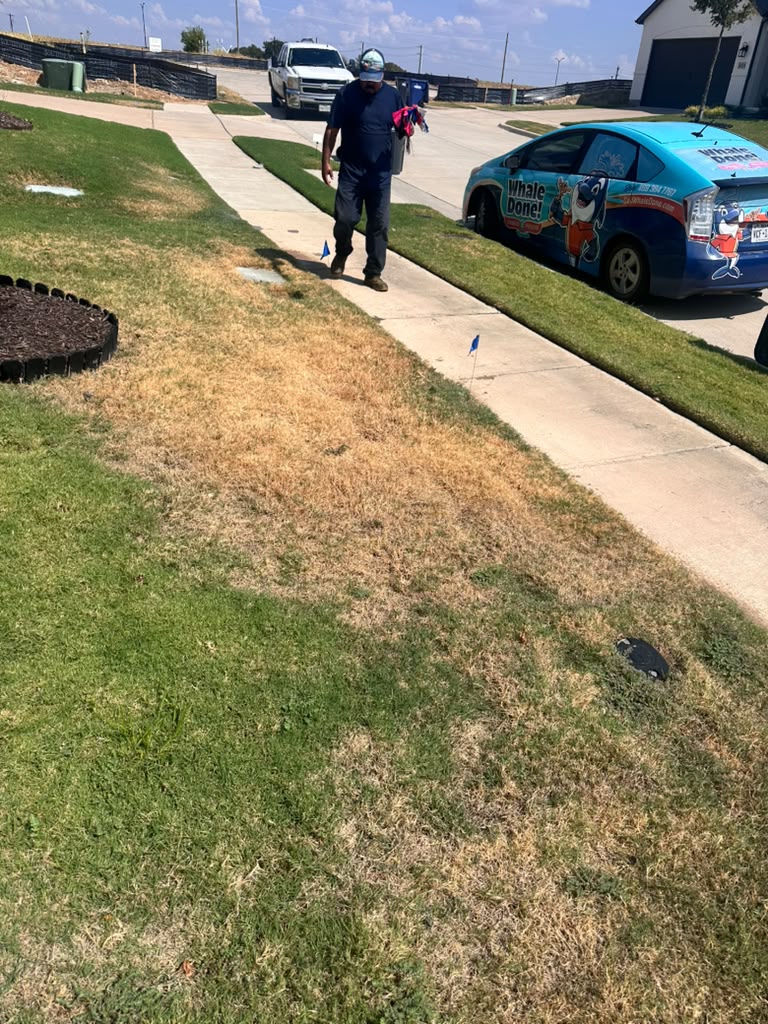
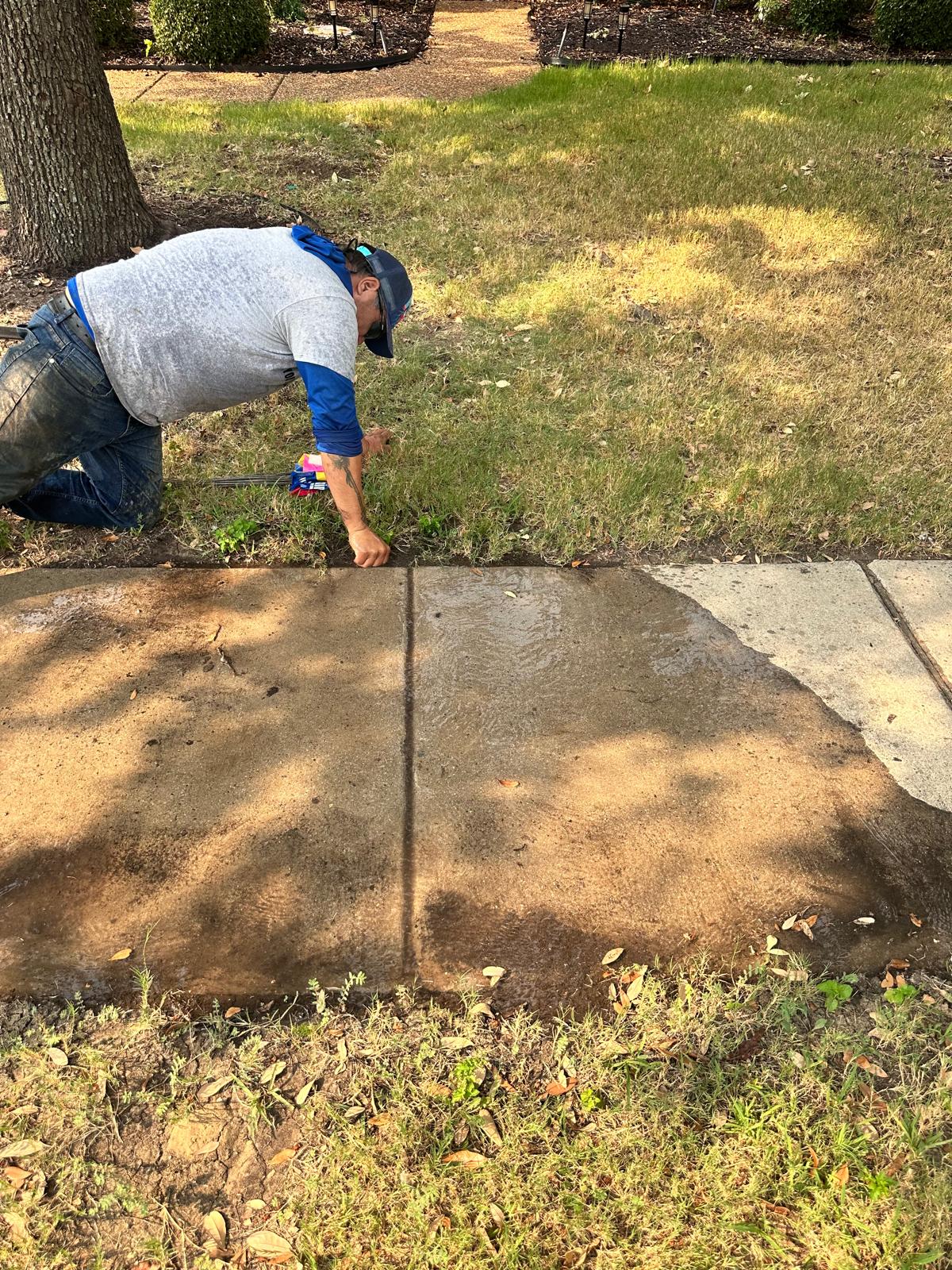
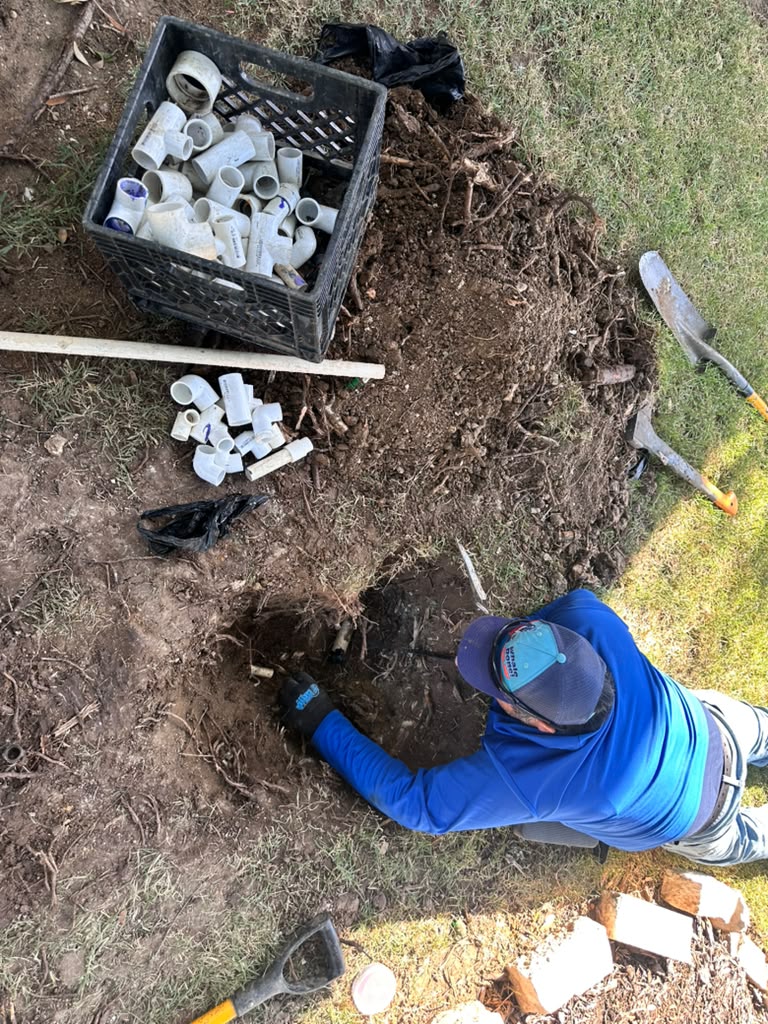
If you’ve noticed standing water in Anna TX after every rainfall or irrigation cycle, you’re not alone. Many homeowners experience recurring puddles that linger for hours—or even days—across lawns, gardens, and landscaped areas. While occasional pooling during heavy storms may seem harmless, persistent water accumulation often points to underlying drainage issues that should not be ignored. Left untreated, excess moisture can damage grass, weaken foundations, encourage mosquito breeding, and create unhealthy soil conditions. Understanding why water collects in your yard is the first step toward finding a long-term solution that protects both your landscape and your property’s value.
Why Does Water Pool in Residential Yards?
Water naturally follows the path of least resistance. Ideally, rainfall should soak into the soil or flow away from your property through proper grading and drainage systems. When this process is interrupted, water begins collecting in low-lying areas.
Several conditions commonly contribute to recurring puddles, including:
- Poor yard grading
- Heavy clay soil
- Clogged drainage systems
- Damaged French drains
- Oversaturated soil
- Broken irrigation lines
- Excessive watering
- Downspouts discharging too close to the foundation
Sometimes multiple factors occur simultaneously, making professional evaluation important before selecting a repair method.
For additional information about proper residential drainage, the <a EPA Soak Up the Rain Program provides useful guidance on managing stormwater around homes.
Common Causes of Standing Water in Anna TX
Homeowners dealing with standing water in Anna TX often discover that the issue develops gradually rather than overnight. Environmental conditions, landscaping changes, and aging drainage components all contribute to water retention problems.
Clay Soil Characteristics
Anna and much of North Texas contain expansive clay soils.
Unlike sandy soils, clay absorbs water slowly and drains even more slowly. After significant rainfall, moisture can remain trapped near the surface, creating puddles that persist long after neighboring properties have dried.
As clay repeatedly expands and contracts with changing moisture levels, drainage pathways can also shift over time.
Improper Yard Slope
Your lawn should gently direct water away from your home’s foundation.
Even subtle grading errors can cause runoff to collect instead of flowing toward designated drainage areas.
Signs of poor grading include:
- Water collecting near patios
- Puddles against the home’s foundation
- Wet mulch beds
- Constant muddy areas
- Water flowing toward structures
Regrading may become necessary when natural settling changes your property’s slope.
Compacted Soil
Years of foot traffic, lawn equipment, and vehicle movement compress soil particles together.
Compacted soil significantly reduces water infiltration, forcing rainfall to remain on the surface.
Aeration may improve infiltration when compaction is limited, although severe cases sometimes require more extensive landscape improvements.
Irrigation Problems
A malfunctioning sprinkler system can easily create excessive moisture.
Common irrigation issues include:
- Broken sprinkler heads
- Underground pipe leaks
- Stuck valves
- Controller programming errors
- Incorrect watering schedules
- Poor head alignment
When irrigation systems apply more water than the soil can absorb, puddles quickly begin forming.
The Irrigation Association offers educational resources on efficient irrigation practices that help reduce unnecessary water usage.
How Seasonal Weather Affects Yard Drainage
North Texas weather patterns frequently alternate between prolonged dry periods and intense rainstorms.
During dry weather:
- Clay soil hardens
- Surface cracking develops
- Water absorption decreases initially
When heavy rain finally arrives, much of the water runs across the hardened surface instead of soaking into the ground.
Large storms may overwhelm existing drainage systems even if they previously functioned adequately.
This explains why homeowners sometimes notice pooling only after certain storms rather than after every rainfall.
Warning Signs That Drainage Problems Are Getting Worse
Water rarely begins causing serious property damage immediately.
Instead, homeowners often notice progressively worsening symptoms over months or years.
Watch for these warning signs:
Persistent Wet Areas
Sections of your lawn that remain soggy for several days after rainfall often indicate poor drainage rather than normal soil moisture. Persistent wet spots can weaken grass roots, limit oxygen availability, and eventually create muddy areas that become difficult to maintain and enjoy throughout the year.
Dying Grass
Grass deprived of oxygen due to prolonged soil saturation often develops yellow, brown, or thinning patches despite receiving adequate irrigation. Excess moisture prevents healthy root growth, making turf more vulnerable to disease, weed invasion, and additional stress during periods of extreme summer heat.
Foundation Moisture
When water consistently remains against your home’s foundation, it increases the risk of soil movement, moisture intrusion, and structural damage over time. Addressing drainage issues early helps direct water away from the structure, reducing the likelihood of costly foundation repairs in the future.
Soil Erosion
Fast-moving runoff gradually washes away valuable topsoil, mulch, and nutrients that support healthy landscaping. As erosion continues, flower beds, lawns, and planting areas may become uneven, exposing roots and reducing the overall stability and appearance of your property’s landscape.
Mold Growth
Excessive outdoor moisture can contribute to mold and mildew developing around foundations, shaded walls, and damp landscape features. Persistent moisture also creates unhealthy conditions that may affect nearby building materials while reducing the overall cleanliness and appearance of your outdoor spaces.
Mosquito Activity
Standing water creates ideal breeding conditions for mosquitoes, allowing populations to multiply quickly after rainfall or excessive irrigation. Eliminating areas where water collects helps reduce mosquito activity, making your yard safer, more comfortable, and more enjoyable for family and outdoor gatherings.
According to the Centers for Disease Control and Prevention (CDC), eliminating standing water is one of the most effective ways to reduce mosquito populations around residential properties.
Could Your Irrigation System Be Contributing?
Many homeowners assume rain alone causes drainage problems.
However, irrigation systems frequently add unnecessary moisture that compounds existing issues.
Possible irrigation-related causes include:
- Hidden underground leaks
- Incorrect sprinkler run times
- Multiple watering cycles
- Overspray onto sidewalks
- Low-head drainage
- Damaged valves
- Uneven pressure
Professional irrigation inspections help identify whether excessive watering contributes to recurring puddles.
Drainage Solutions That May Help
The right solution depends entirely on the cause of the problem.
Common drainage improvements include:
French Drains
French drains collect groundwater and redirect it away from saturated areas.
These systems work well for recurring low spots where water consistently accumulates.
Surface Drains
Catch basins collect runoff before it spreads throughout the yard.
They perform particularly well near patios, driveways, and hardscaped areas.
Downspout Extensions
Roof runoff should discharge several feet away from the home’s foundation.
Extensions help prevent concentrated water accumulation.
Yard Regrading
Regrading adjusts the property’s elevation so water naturally flows toward designated drainage points.
Dry Creek Beds
Decorative rock channels safely direct runoff while enhancing landscape appearance.
Soil Improvement
Organic amendments may improve drainage in selected planting areas.
However, widespread clay soils often require more comprehensive drainage improvements.
Texas A&M AgriLife Extension provides educational information about soil characteristics and landscape management practices suitable for Texas properties.
Why DIY Fixes Often Provide Temporary Results
Many homeowners attempt quick solutions before identifying the actual cause.
Common temporary approaches include:
- Filling low spots with soil
- Adding more mulch
- Digging shallow trenches
- Adjusting sprinklers without inspection
- Planting additional grass
Although these methods may reduce symptoms temporarily, they rarely solve the underlying drainage issue.
Without correcting grading, irrigation problems, or inadequate drainage infrastructure, water typically returns during the next significant rainfall.
The Importance of a Professional Drainage Evaluation
Every property has unique drainage characteristics.
An experienced drainage assessment considers:
- Yard elevation
- Soil composition
- Water flow direction
- Existing drainage systems
- Irrigation performance
- Foundation proximity
- Roof runoff
- Landscape design
Rather than treating visible puddles alone, a complete evaluation identifies why water collects in the first place.
This allows homeowners to invest in solutions that address the root cause instead of repeatedly treating symptoms.
Long-Term Benefits of Correcting Drainage Problems
Resolving drainage issues offers benefits that extend well beyond eliminating puddles.
Homeowners often experience:
- Healthier lawns
- Stronger plant growth
- Reduced mosquito breeding
- Improved landscape appearance
- Lower erosion risk
- Better irrigation efficiency
- Increased property value
- Greater protection for foundations
Investing in drainage improvements today can prevent significantly more expensive repairs in the future.
How Preventive Maintenance Reduces Future Problems
Once drainage issues have been corrected, routine maintenance helps keep the system functioning properly.
Recommended maintenance includes:
- Cleaning drain inlets
- Removing leaves and debris
- Inspecting downspouts
- Checking sprinkler coverage
- Monitoring grading changes
- Repairing irrigation leaks promptly
- Observing puddles after storms
- Scheduling periodic drainage inspections
Small maintenance tasks performed consistently often prevent major drainage failures from developing later.
When Should You Schedule a Drainage Inspection?
Homeowners should consider a professional evaluation if they notice:
- Water remaining longer than 24–48 hours after rainfall
- Soft or muddy areas appearing repeatedly
- Foundation moisture concerns
- Landscape erosion
- Declining lawn health
- Increasing mosquito activity
- Irrigation leaks
- Water collecting in the same location after every storm
Early inspections help identify developing issues before they become expensive structural or landscape problems.
Conclusion
If recurring standing water in Anna TX is affecting your lawn, landscape, or home’s foundation, identifying the underlying cause is essential before choosing a solution. Whether the issue stems from poor grading, clay soil, irrigation problems, or inadequate drainage, a professional evaluation can help determine the most effective long-term approach. Whale Done Sprinklers & Irrigation provides experienced drainage and irrigation services to help homeowners protect their properties from excess water and improve landscape performance. For more information or to schedule an inspection, contact Whale Done Sprinklers & Irrigation at +1 (469) 384-7767 or email clientsupport@callwhaledone.com.